Keep it clean, calibrated, stored right, and never use it as a breaker bar.
I have spent years using and servicing torque tools, and this guide on how to maintain torque wrench will give you clear, practical steps you can use today. I’ll explain why regular care matters, how to clean and store your tool, when to calibrate, common mistakes to avoid, and simple tests you can do at home to keep accuracy high. Read on for hands-on tips and checklists drawn from real shop experience to help you get the most life and reliability from your torque wrench.
Understanding the torque wrench and why maintenance matters
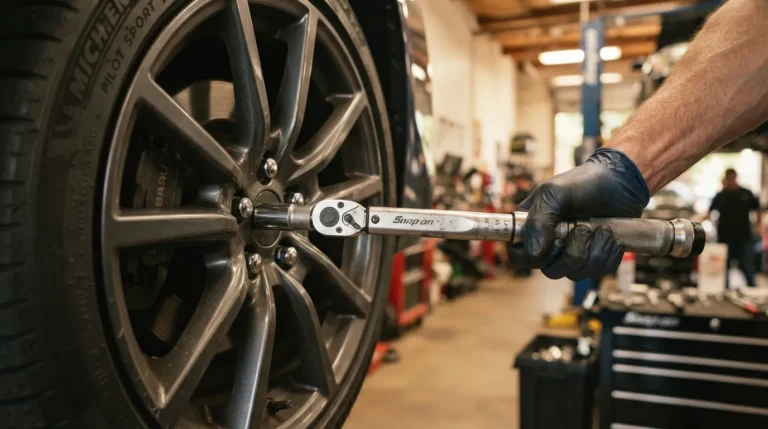
A torque wrench measures and applies a specific twist to fasteners. Proper how to maintain torque wrench habits keep readings accurate and prevent damage to parts and tools.
Types of torque wrenches to know
- Click-type – trips when set torque is reached.
- Beam-type – simple pointer and scale.
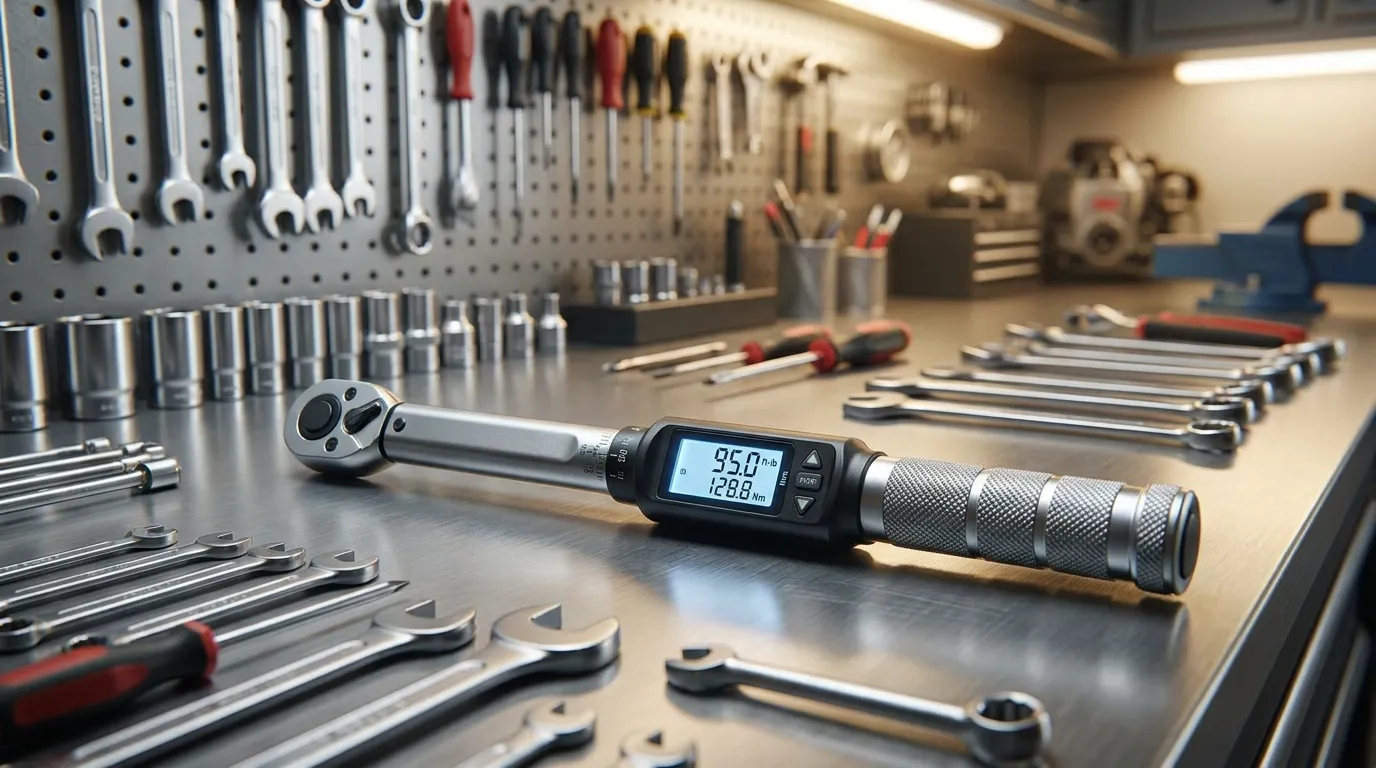
- Digital/electronic – shows torque value on a screen.
Why maintenance matters - Accuracy loss leads to under- or over-tightening and can cause failure.
- Regular care preserves calibration, extends life, and saves money on repairs.
Daily and pre-use maintenance checklist
Do these simple steps every time you use your tool to practice proper how to maintain torque wrench routines.
Basic quick checks before use
- Inspect head and drive for cracks or burrs.
- Check the handle and scale for smooth movement.
- Verify the wrench is set to the correct torque value.
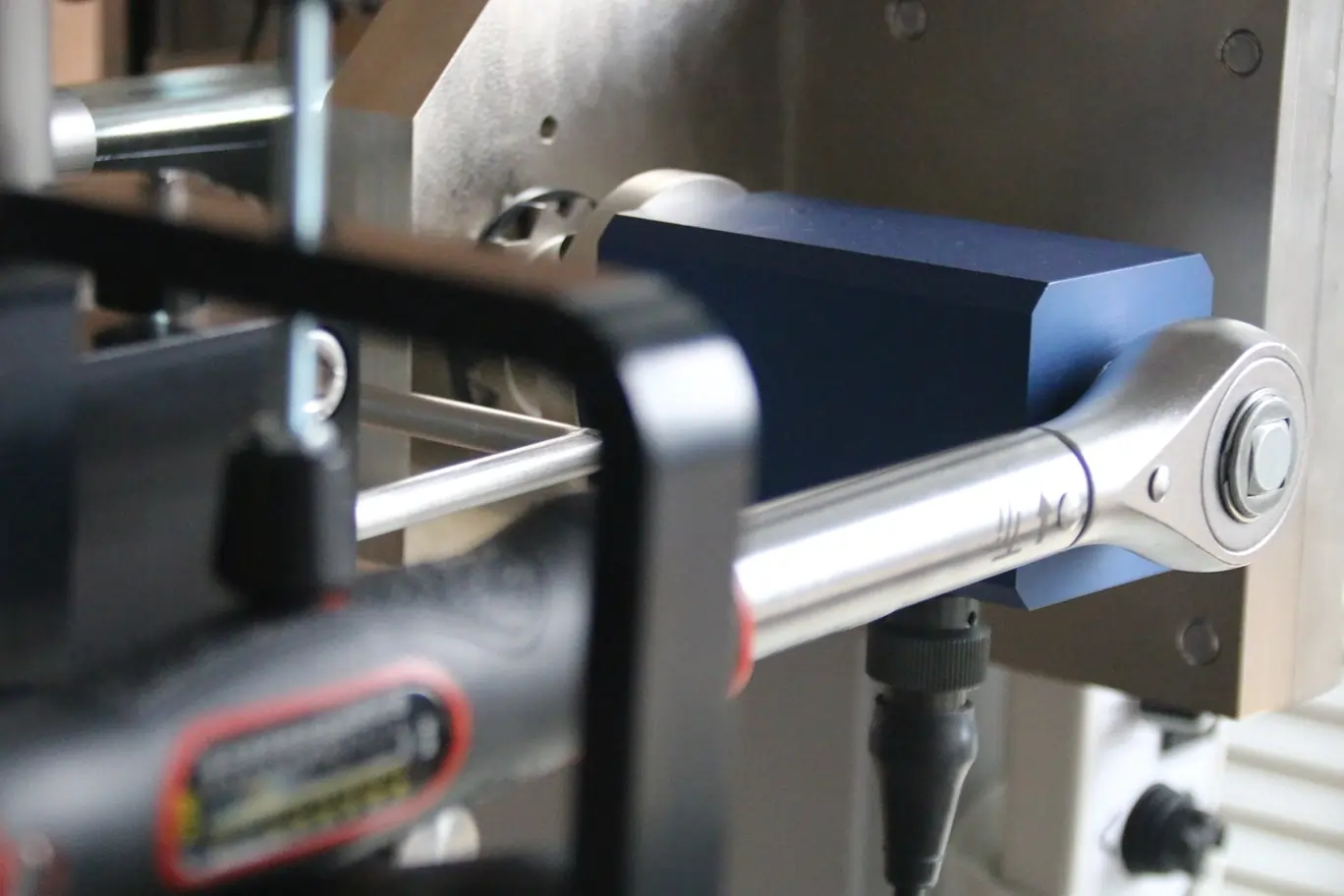
Pre-use routine - Wipe the wrench with a clean, dry cloth.
- Set the wrench to its lowest recommended setting after use.
- Never use the torque wrench to loosen bolts or as a hammer.
Source: co.uk
Cleaning and light care
Cleaning is a major part of how to maintain torque wrench performance. Keep it dry and free of dirt.
Safe cleaning steps
- Wipe the exterior with a soft cloth; remove grease and grit.
- Use a small brush to clear debris from the square drive.
- Avoid solvents that can harm plastic scales or seals.
Lubrication guidance - Lightly oil the square drive to prevent rust.
- Do not inject oil into the internal mechanism unless the manual allows it.
- If the mechanism feels sticky, have it serviced rather than forcing lubrication yourself.
Calibration: when, how, and tolerance
Knowing how to maintain torque wrench accuracy means scheduling calibration on a sensible timeline.
Recommended calibration frequency
- Calibrate annually for regular use or after 5,000 cycles.
- Calibrate right away after a drop, shock, or suspected inaccuracy.
How calibration works - Certified labs test against a torque standard and adjust the mechanism.
- Typical acceptance tolerance is ±4% for many hand torque wrenches.
Simple DIY check (not a substitute for lab calibration) - Use a fixed lever arm and known weight to approximate torque.
- Compare results at multiple settings to check for consistent deviation.
When to send it to a professional - If readings drift beyond manufacturer tolerance.
- If internal parts feel loose or mechanical clicks are inconsistent.
Proper storage and handling
Good storage habits form the core of how to maintain torque wrench longevity. Treat the tool gently.
Storage best practices
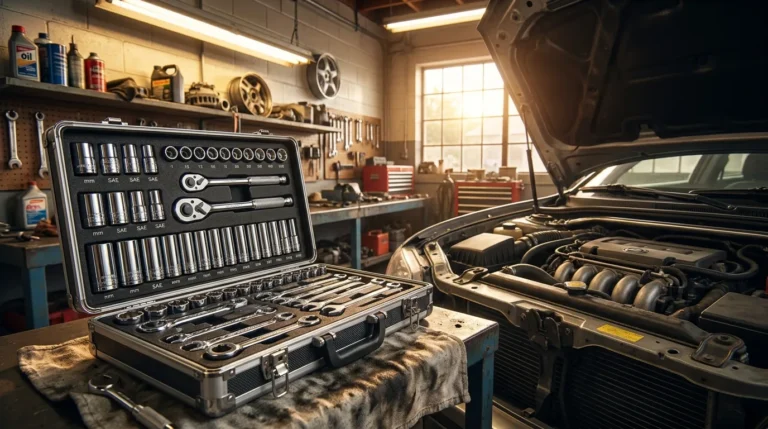
- Store in its case to avoid dust and moisture.
- Set the dial to the lowest torque value before storing.
- Keep in a dry place away from direct sunlight or extreme heat.
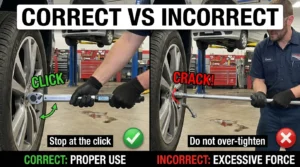
Handling rules - Never use the torque wrench as a breaker bar.
- Avoid dropping or exposing the tool to impacts.
- Use the correct drive and sockets; mismatched fittings stress the head.
Troubleshooting common issues
Quick fixes and signs that your tool needs professional help are essential parts of how to maintain torque wrench reliability.
Common symptoms and actions
- Clicking feels inconsistent — check for dirt and calibration drift.
- Sticky or stiff movement — clean the exterior; do not force the mechanism.
- Visible damage or bent parts — stop using and send for service.
When accuracy is questionable - Perform a simple bench check with a weight and lever arm.
- If error exceeds tolerance, get professional calibration.
Tools, supplies, and recommended products
Having the right supplies makes how to maintain torque wrench tasks simple and fast.
Essential items to keep on hand
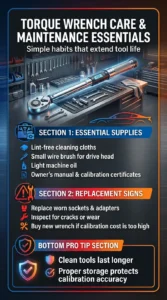
- Soft lint-free cloths for cleaning.
- Small wire brush for the drive head.
- Light machine oil for the square drive.
- Manufacturer manual and calibration certificates.
When to buy replacements - Replace sockets and adapters that show wear.
- Consider a new wrench when calibration costs approach replacement price.
Personal experience: mistakes I made and lessons learned
I’ve worked on cars and bikes for over a decade and learned how to maintain torque wrench the hard way.
Short stories and takeaways
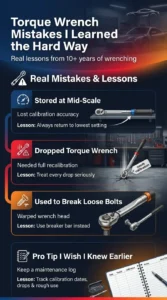
- I once stored a click wrench at mid-scale and found it lost accuracy. Now I always return to the lowest setting.
- A dropped wrench cost me a full recalibration. Treat drops as calibration events.
- Using a torque wrench to break loose a rusted bolt warped the head. Use a separate breaker bar.
Tip I wish I knew sooner - Keep a small log with dates of calibration, drops, and rough incidents. It helps track trends before a failure happens.
Safety best practices
Safety ties directly into how to maintain torque wrench usefulness and protect both you and the fastened parts.
Safety rules to follow
- Use the correct torque value for the fastener and material.
- Wear safety glasses when working on pressure systems.
- Never apply sudden jerks or impacts while the wrench is engaged to avoid false readings.
When to repair or replace your torque wrench
Recognizing the end of service life helps you decide when to spend on calibration or buy new.
Signs to repair
- Inconsistent clicks, loose internals, or mechanical failure.
- Calibration can’t bring readings within tolerance.
When to replace - If repair and calibration cost more than a new tool.
- If the wrench has extensive wear, corrosion, or safety-critical damage.
Frequently Asked Questions of how to maintain torque wrench
How often should I calibrate my torque wrench?
Calibrate at least once a year for regular use, or sooner after a drop or heavy use. Professional shops often follow an annual schedule.
Can I clean my torque wrench with solvents?
Avoid harsh solvents that can damage labels and seals; use a mild cleaner and a soft cloth instead. If unsure, follow the manufacturer’s cleaning instructions.
Should I store my torque wrench at zero?
Set click-type wrenches to their lowest setting rather than zero before storage to relieve spring tension. Beam and digital types follow manufacturer storage guidance.
Is it safe to lubricate the internal parts?
Do not lubricate internal components unless the manual specifically allows it; internal oil can change torque readings. Light oil on the square drive is acceptable to prevent rust.
What do I do if my torque wrench starts giving wrong readings?
Stop using it for critical fasteners and perform a bench check. If deviation persists beyond acceptable tolerance, send it for professional calibration or repair.
Can I calibrate a torque wrench at home?
You can check basic accuracy with a lever arm and known weight, but certified calibration requires a test rig and standards. A lab calibration is more reliable for critical work.
How long do torque wrenches typically last?
With good care, a torque wrench can last many years; frequent heavy use may shorten life. Regular calibration, cleaning, and gentle handling extend lifespan.
Can I use a torque wrench to loosen bolts?
No. Using a torque wrench to loosen bolts can damage the internal mechanism and void calibration. Use a breaker bar or ratchet for loosening.
Does temperature affect torque wrench accuracy?
Yes. Extreme temperatures can affect internal springs and electronics, so store and use the wrench in stable conditions. Follow manufacturer temperature ranges.
How do I know if calibration tolerance is acceptable?
Refer to the wrench manual for manufacturer tolerance; many hand wrenches use ±4%. If your readings fall outside stated limits, get calibration.
Conclusion
Maintaining your torque wrench means simple daily checks, careful cleaning, proper storage, and regular calibration. Follow the steps here for how to maintain torque wrench reliability and save yourself from costly failures. Start a small maintenance log today, schedule your next calibration, and treat the tool gently—your fasteners and parts will thank you. Leave a comment with your own tips or questions, and consider subscribing to get more hands-on tool guides.