Regular checks and timely repairs keep your car suspension safe, smooth, and reliable.
I have spent over a decade working on vehicle systems and advising drivers on car suspension maintenance. This guide explains what suspension maintenance is, why it matters, and how to inspect, maintain, and repair common parts. Read on for clear, practical steps, checklists, and real-life tips that make routine care simple and effective.
Source: fifthgear.biz
Why car suspension maintenance matters
Car suspension maintenance keeps your ride safe, comfortable, and predictable. Worn suspension parts reduce control, increase tire wear, and raise stopping distances. Regular maintenance also prevents small issues from turning into costly repairs.
I have seen drivers delay service and then face bigger bills. A simple yearly check often avoids breakdowns and maintains vehicle value.
Source: motorhauspalmbeach.com
Key components involved in car suspension maintenance
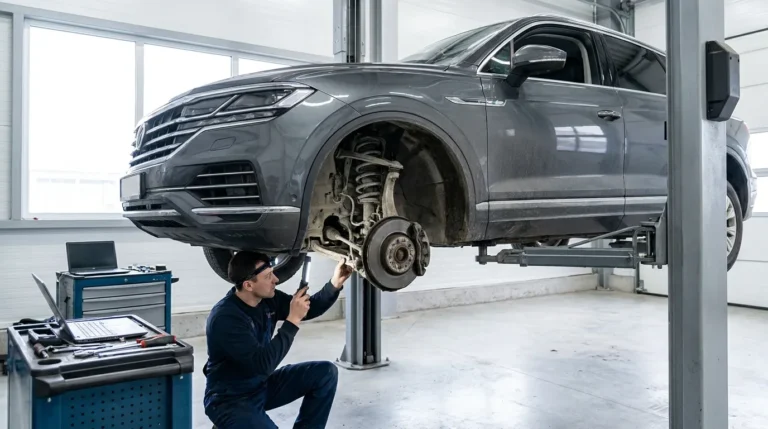
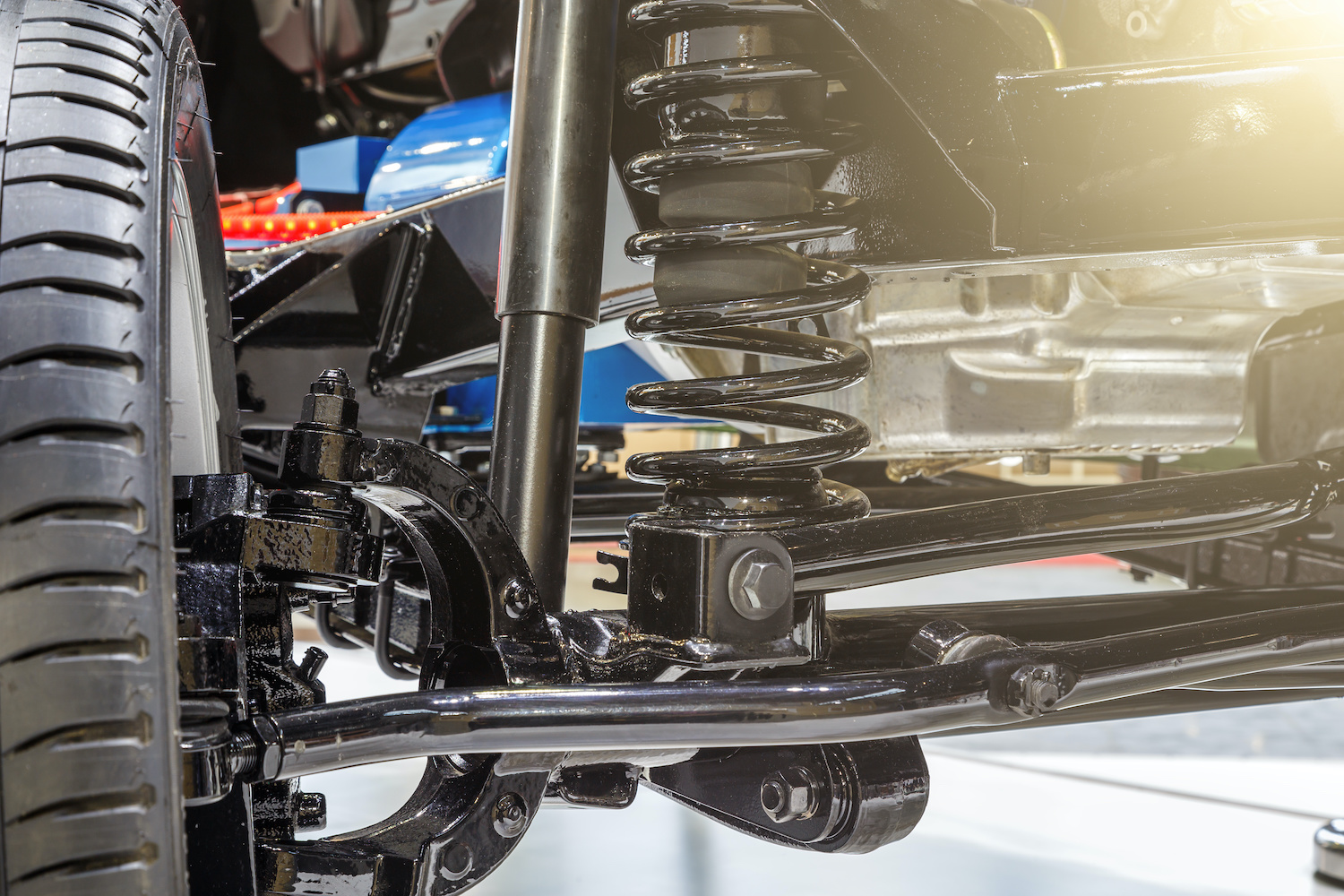
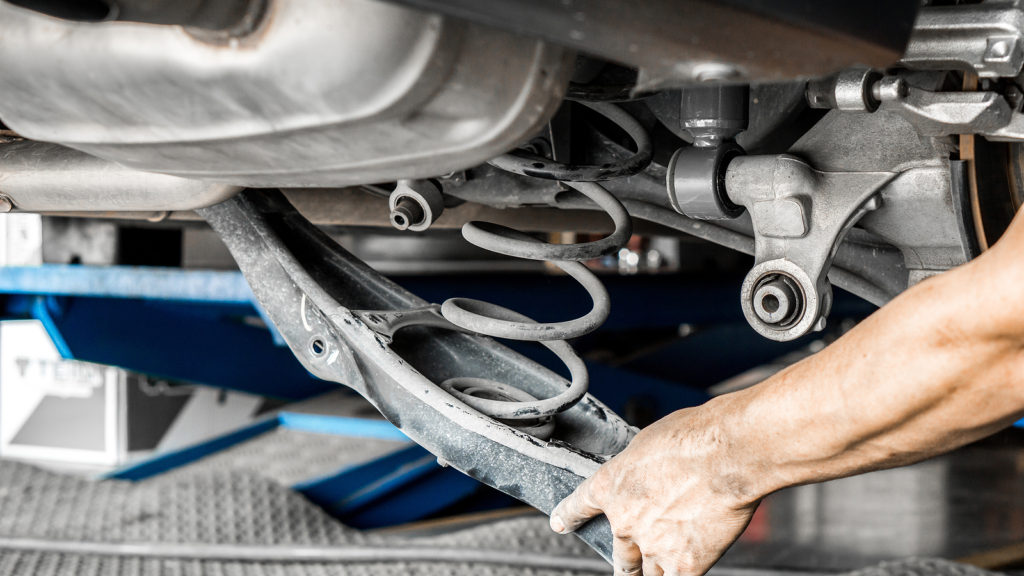
Car suspension maintenance focuses on several core parts that work together to control ride and handling. These include shocks and struts, springs, control arms, ball joints, bushings, sway bars, and wheel bearings. Tires and alignment are also tightly linked to suspension health.
Know each part and why it matters. That knowledge helps you spot problems early and choose the right fixes.
Source: autorepairindy.com
Routine inspection checklist for car suspension maintenance
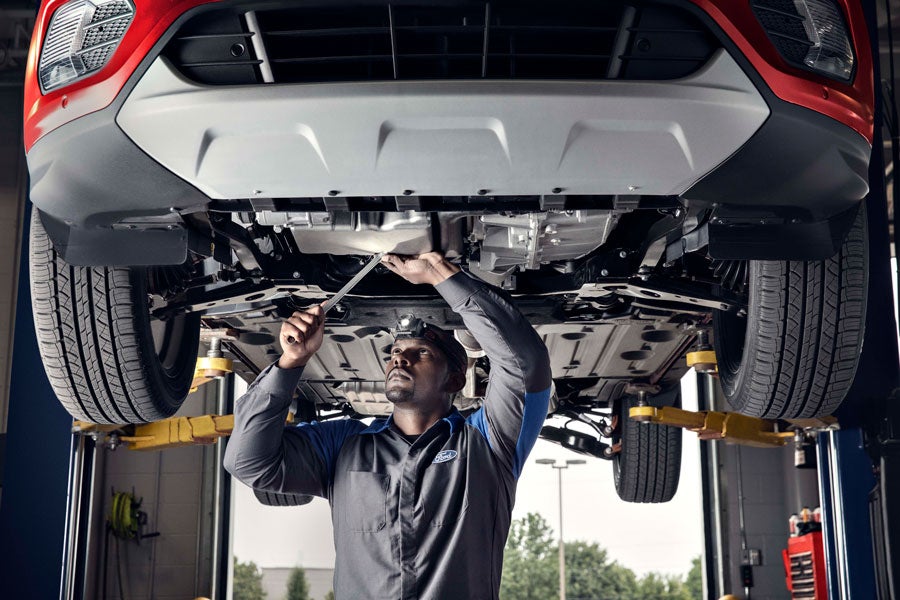
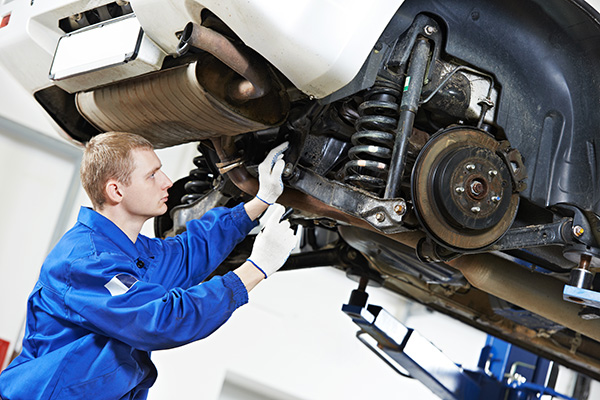
Follow a step-by-step inspection every 6 months or 6,000 miles to catch wear early. Use this checklist for simple visual and hands-on checks.
- Visual check of shocks and struts for leaks or dents.
- Push-test each corner to check rebound and damping.
- Inspect springs for cracks or sagging.
- Check tires for uneven tread wear and proper pressure.
- Look for torn bushings, loose control arms, or corroded components.
- Verify wheel alignment if steering pulls or tire wear appears.
These checks take 15–30 minutes and identify most common issues. I do this during every oil change to stay proactive.
Source: tomsautocenter.com
Step-by-step car suspension maintenance tasks
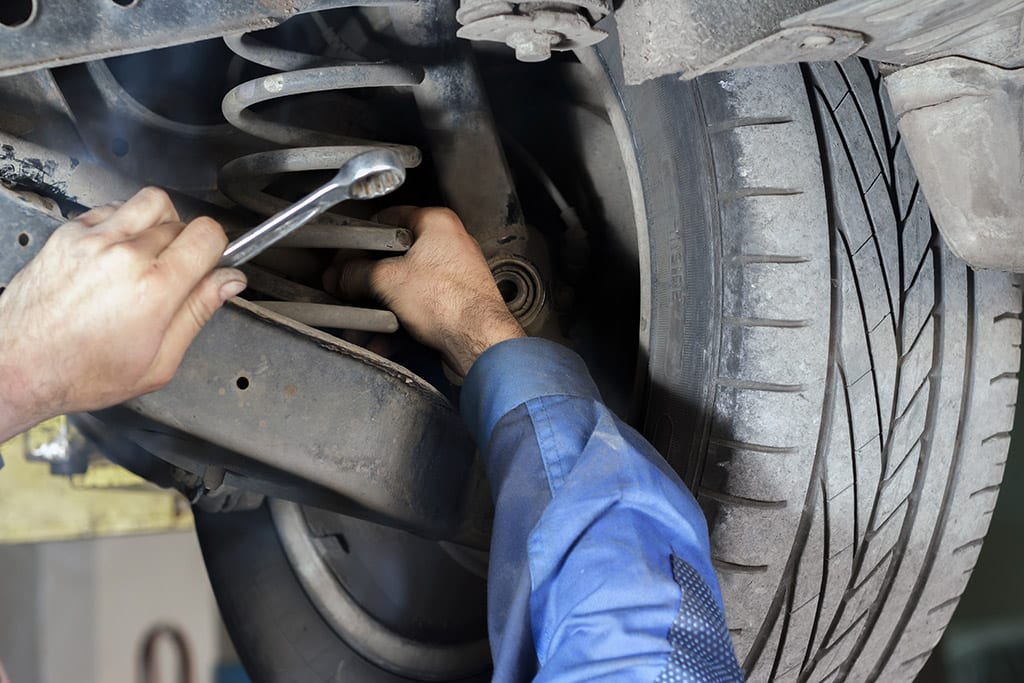
Some tasks you can do yourself. Others need a shop. Here are clear, simple steps.
- Clean and inspect
- Wash wheel wells and suspension parts.
- Remove road grime to see cracks and leaks.
- Torque and tighten
- Check and torque visible fasteners to spec.
- Tighten loose bolts on control arms and mounts.
- Replace wear items
- Swap worn bushings, ball joints, or tie rods promptly.
- Replace shocks or struts in pairs for balanced handling.
- Check alignment and tires
- Adjust camber, toe, and caster as needed.
- Rotate tires and set proper pressure.
Do one task at a time. If you are unsure, stop and ask a professional.

Source: co.uk
When to replace parts during car suspension maintenance
Knowing when to replace parts saves money and preserves safety. Replace items when they fail tests or reach service limits.
- Shocks and struts: replace if leaking, damaged, or if bounce test fails.
- Springs: replace if broken, sagging, or uneven ride height occurs.
- Ball joints and tie rods: replace on play or clunking noises.
- Bushings: replace when cracked, split, or causing vibration.
Age, mileage, and driving conditions change replacement timing. I often replace shocks every 60,000–100,000 miles on heavy-use vehicles.
Source: uniqueautoinc.com
DIY vs professional car suspension maintenance
Decide between DIY and pro work based on skill and tools. Basic checks and parts replacement can be DIY-friendly. Complex tasks need a shop.
- DIY tasks: visual checks, push tests, bushing swaps, simple bolt torquing.
- Professional tasks: spring compressors, strut replacement, alignment, and precision diagnostics.
When in doubt, get a pro to avoid safety risks. I recommend a professional alignment after any major suspension job.

Source: amazon.com
Costs and budgeting for car suspension maintenance
Budgeting helps avoid surprises. Typical ranges vary by vehicle and part quality.
- Shock or strut replacement: mid-range parts and labor can run from a few hundred to over a thousand dollars for all four.
- Control arm or bushing work: a few hundred dollars depending on labor.
- Alignment: usually $75–$200.
- Minor parts like sway bar links or bushings: $50–$300.
Use quality parts for longevity. A modest investment now reduces future repairs and improves safety.
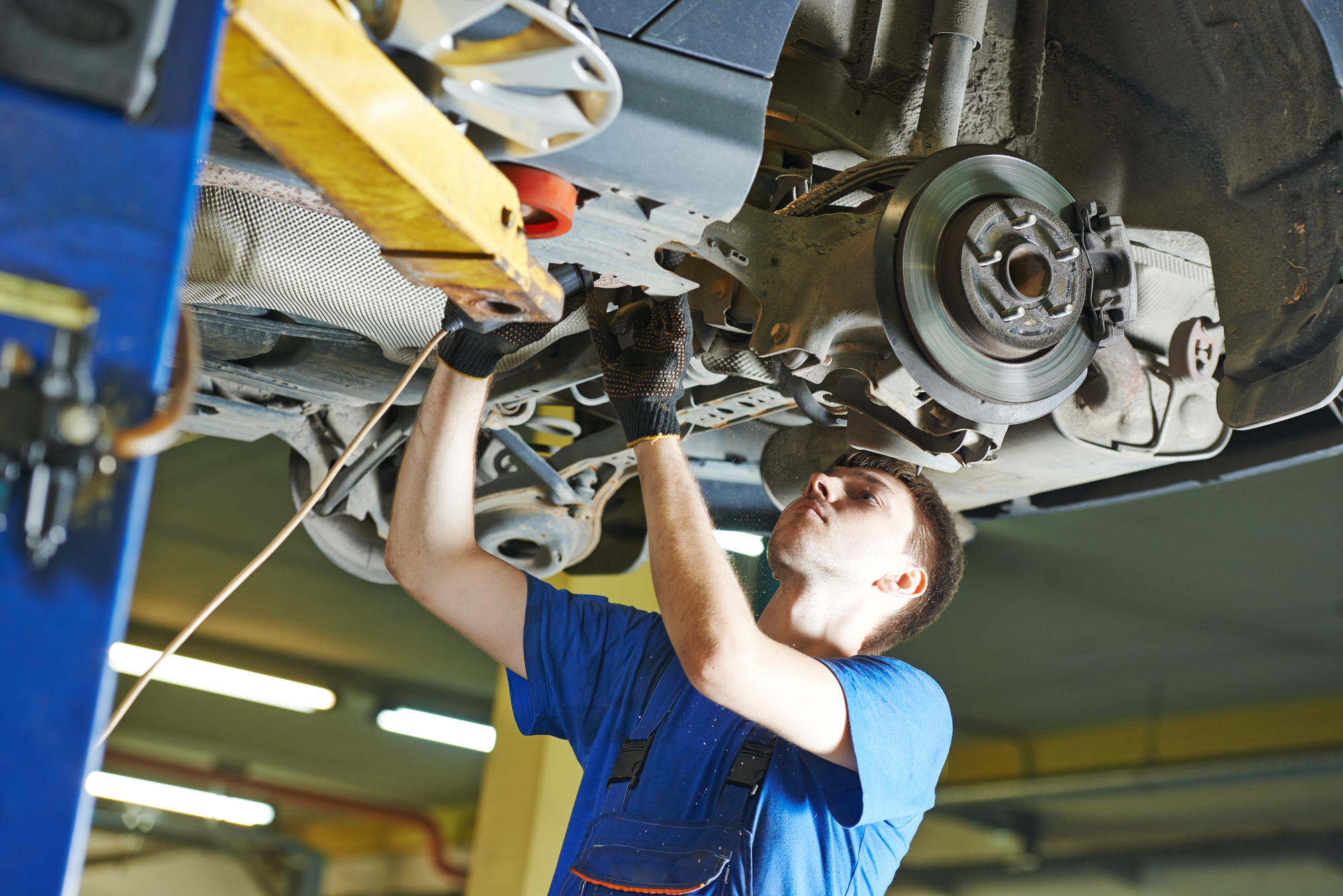
Source: nolaautomotiverepairs.com
Common problems found during car suspension maintenance
These issues show up often and are easy to diagnose with a short inspection. Address them early.
- Uneven tire wear from misalignment or worn parts.
- Hard or bouncy ride from failed shocks or struts.
- Clunking or knocking from worn ball joints or bushings.
- Vehicle pulling to one side due to alignment or tire issues.
- Excessive body roll from degraded sway bar links.
I once fixed a persistent pull by replacing one worn strut and performing an alignment. The problem resolved immediately.

Source: shutterstock.com
Preventive tips and driving habits to extend suspension life
Small changes in driving and care extend component life and lower costs. Adopt these habits today.
- Avoid potholes and large curbs when possible.
- Reduce heavy loads and avoid abrupt weight shifts.
- Maintain correct tire pressure and rotate tires regularly.
- Wash undercarriage after winter or salty conditions.
- Schedule regular inspections and replace parts in matched sets.
These habits reduce stress on the system. They are simple and effective for long-term savings.
Frequently Asked Questions of car suspension maintenance
How often should I inspect my car suspension?
Inspect suspension every 6 months or at each major service, and after hitting potholes or rough roads. Regular checks catch issues before they worsen.
Can I replace a single shock or strut?
It is best to replace shocks or struts in axle-matched pairs to keep balance and handling consistent. Replacing a single unit can lead to uneven wear and handling.
What causes uneven tire wear related to suspension?
Uneven wear usually comes from misalignment, worn bushings, or damaged control arms. Correct the root cause and then rotate or replace tires as needed.
Is wheel alignment part of car suspension maintenance?
Yes. Alignment is essential after replacing suspension parts, hitting a curb, or noticing steering pull. Proper alignment improves handling and tire life.
Can bad suspension affect braking?
Yes. Worn suspension parts increase stopping distances and reduce stability during braking. Keeping suspension in good shape improves safety and braking performance.
Conclusion
Car suspension maintenance protects safety, improves comfort, and saves money over time. Regular inspections, timely part replacement, and careful driving habits make a big difference. Start with simple checks today, set up a routine, and consult a trusted technician when needed. Share your experiences, ask questions, or subscribe for more vehicle care tips.