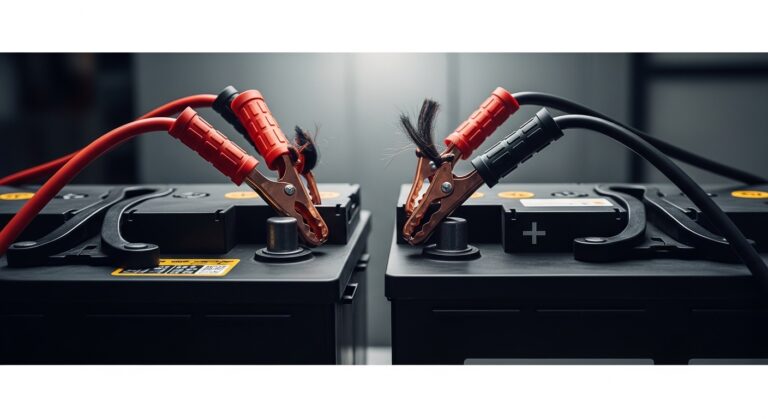
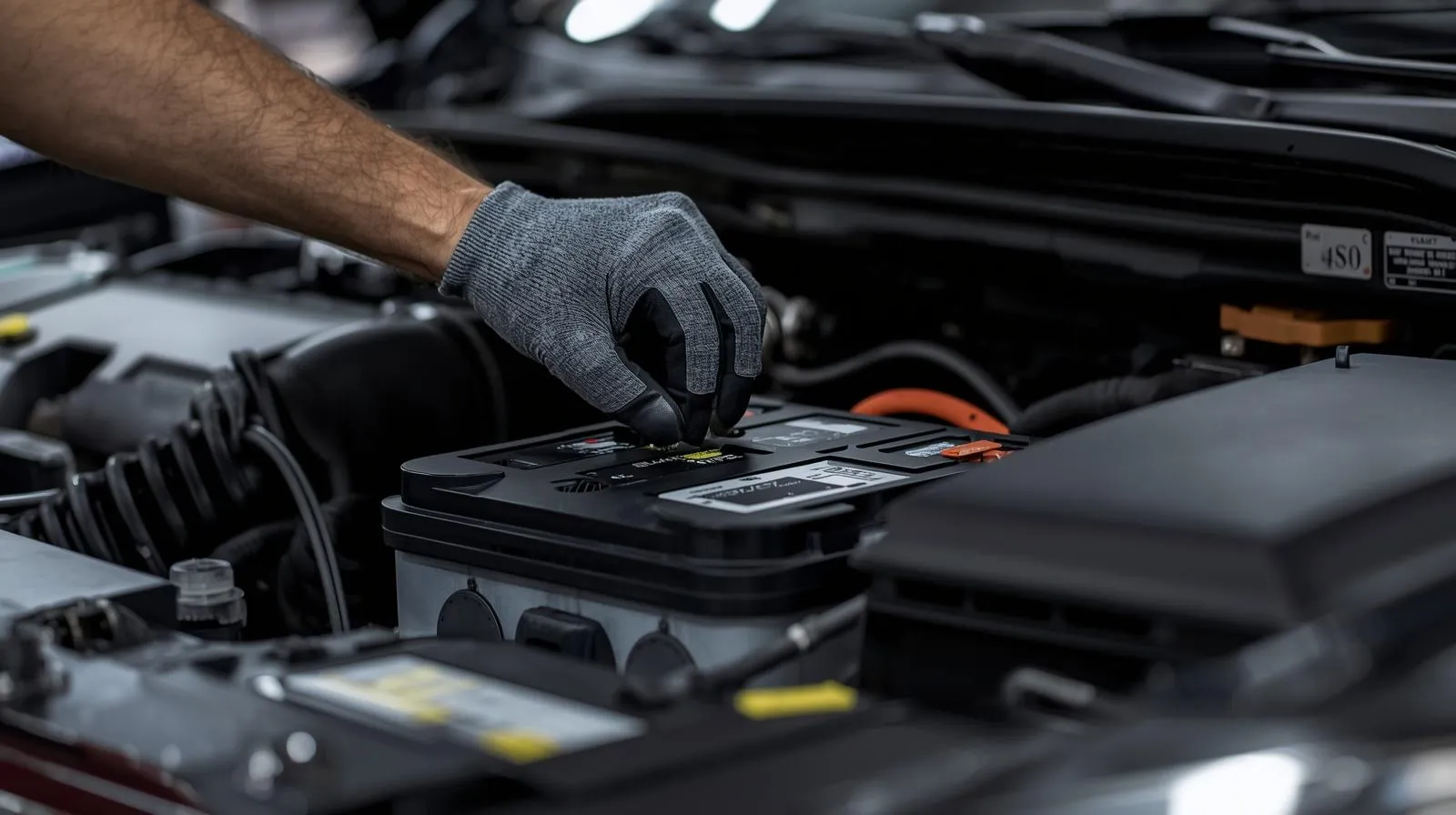
Regular care, correct charging, and proper storage extend battery life significantly.
I have worked with batteries in phones, cars, and home power systems for years. This guide on battery maintenance tips shares clear, tested advice to help you get more life and safety from every battery you own. Read on for practical steps, real-world examples, and smart habits you can apply today.
Why battery maintenance matters
Batteries power nearly everything we use. Good battery maintenance tips save money, reduce waste, and keep devices reliable. Poor care shortens life, causes performance drops, and can create safety risks. Knowing simple habits lets you avoid surprises and get the most from each battery.

Basic battery maintenance tips
Keep these core battery maintenance tips as daily habits. They are easy and very effective.
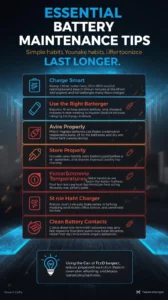
- Charge smart
- Avoid full discharges for lithium batteries. Top up between 20% and 80% when possible.
- Use the right charger
- Match voltage and current recommendations. Fast chargers are fine but watch temperature.
- Store properly
- Store batteries at about 50% charge in a cool, dry place for long-term storage.
- Avoid extreme temperatures
- Heat ages batteries fast. Cold reduces immediate capacity but is less harmful long-term.
- Clean contacts
- Wipe terminals with a dry cloth to keep connections tight and efficient.
Personal note: I once revived a workshop device by switching from a damaged generic charger to the right-spec charger. The device stopped overheating and lasted months longer.
These battery maintenance tips apply to phones, laptops, power tools, and small electronics. They also help with larger systems like car batteries and home backup packs.
Advanced maintenance for different battery types
Different chemistries need different care. Follow specific battery maintenance tips for each type.
- Lithium-ion (phones, laptops, e-bikes)
- Avoid deep discharges and high heat. Use partial charges and avoid keeping at 100% for long.
- Lead-acid (cars, lawn tractors)
- Keep electrolyte topped up if serviceable. Maintain full charge to avoid sulfation.
- Nickel-metal hydride (some older tools)
- Avoid storing fully charged for long. Occasionally run a full cycle to prevent memory-like effects.
- Lithium iron phosphate (LiFePO4)
- More tolerant of deep cycles and heat. Still avoid extreme temperatures and follow manufacturer settings.
Example: For a car I used daily, I check voltage monthly and keep a small maintenance charger handy for winter. That routine cut battery failures on cold mornings to zero.
How often to check and maintain batteries
Ask these PAA-style questions most users search for.
How often should I check battery health?
- Check monthly for vehicles and every few months for household backups. For phones and laptops, glance at health metrics once a month.
When should I replace a battery?
- Replace when capacity falls below 70% of original, or when performance and runtime degrade noticeably. Safety issues mean immediate replacement.
These quick answers are part of practical battery maintenance tips you can follow without extra tools.
Common mistakes to avoid
Avoid these typical errors. They erode life fast.
- Leaving devices plugged in constantly
- Many batteries tolerate this poorly, especially at high temps.
- Using incorrect chargers
- Cheap or wrong-spec chargers risk damage and fire.
- Ignoring storage rules
- Storing at full charge in heat is a common cause of long-term loss.
- Skipping regular checks
- Small issues grow if not caught early.
From experience, one of the costliest mistakes is assuming all batteries behave the same. Treat lithium and lead-acid differently.
Tools and products that help
A few tools make maintenance simple and safe.
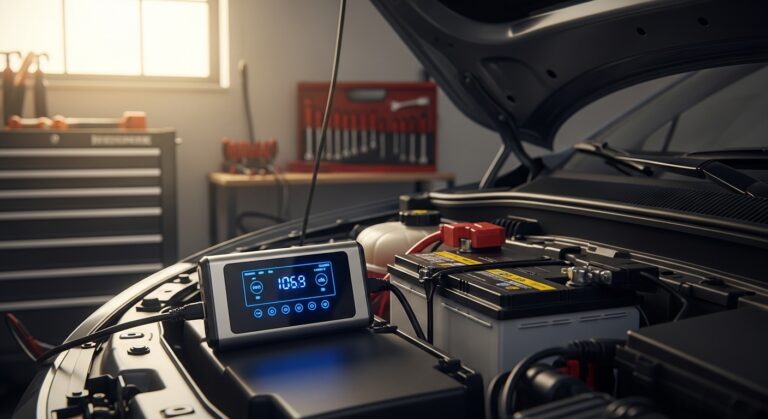
- Smart chargers
- Use charge profiles to protect cells and top off safely.
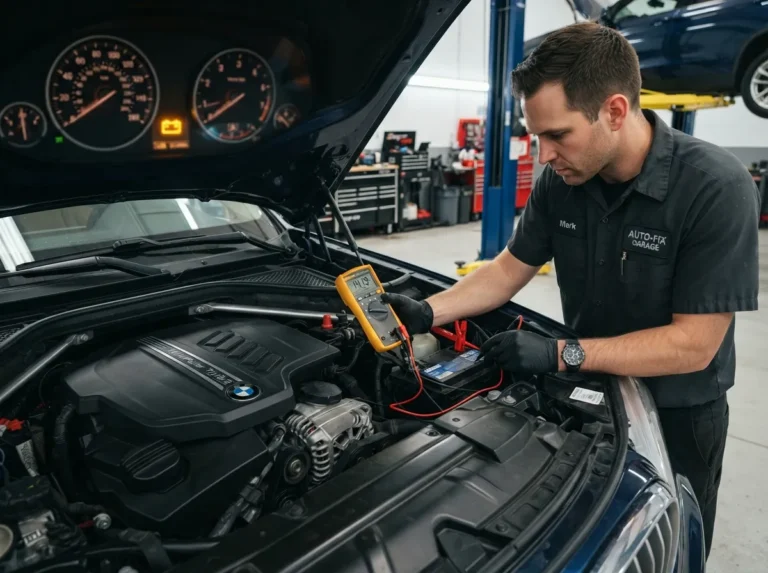
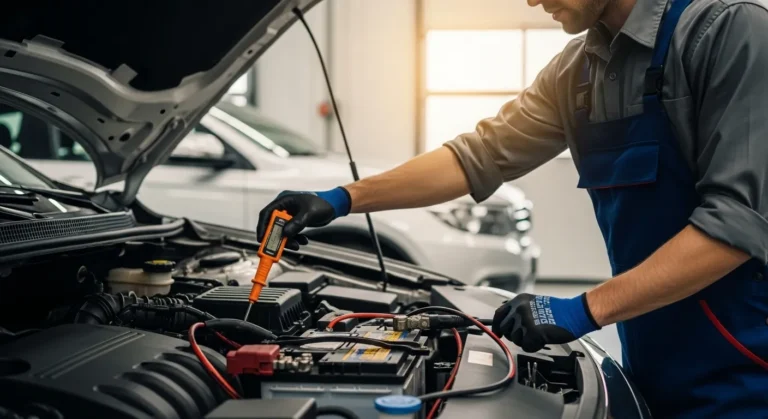
- Multimeter
- Check voltage and detect weak cells fast.
- Battery maintainer/trickle charger
- Keep stored batteries at safe float levels.
- Thermal cutoffs and phone apps
- For large systems, use monitoring to track cell temps and state of charge.
I keep a small multimeter and a smart maintainer in my toolbox. They saved me time and helped avoid unnecessary replacements.
Frequently Asked Questions of battery maintenance tips
How long should I keep my phone battery charged each day?
Charge in short bursts when you can. Aim to keep it between 20% and 80% most of the time for best long-term health.
Will charging overnight damage my battery?
Occasional overnight charging is fine with modern devices. Avoid constant overnight charging if your device runs hot or has no charge management.
Can extreme cold permanently damage batteries?
Cold reduces performance temporarily. Prolonged exposure to very low temperatures can cause permanent capacity loss in some chemistries.
Is it OK to store batteries fully charged?
No. For long-term storage, set batteries near 50% charge to reduce stress and capacity loss.
Do maintenance chargers extend battery life?
Yes. A good maintainer prevents deep discharge and sulfation in lead-acid batteries and preserves charge levels in other types.
Conclusion
Good battery maintenance tips are simple, practical, and cost-effective. Follow smart charging habits, match chargers to batteries, store at partial charge, and avoid extreme temperatures. Small checks and the right tools will extend life and improve safety. Start with one habit today—like using a smart charger—and watch your batteries last longer. Share your experience or questions below and subscribe for more hands-on tips.