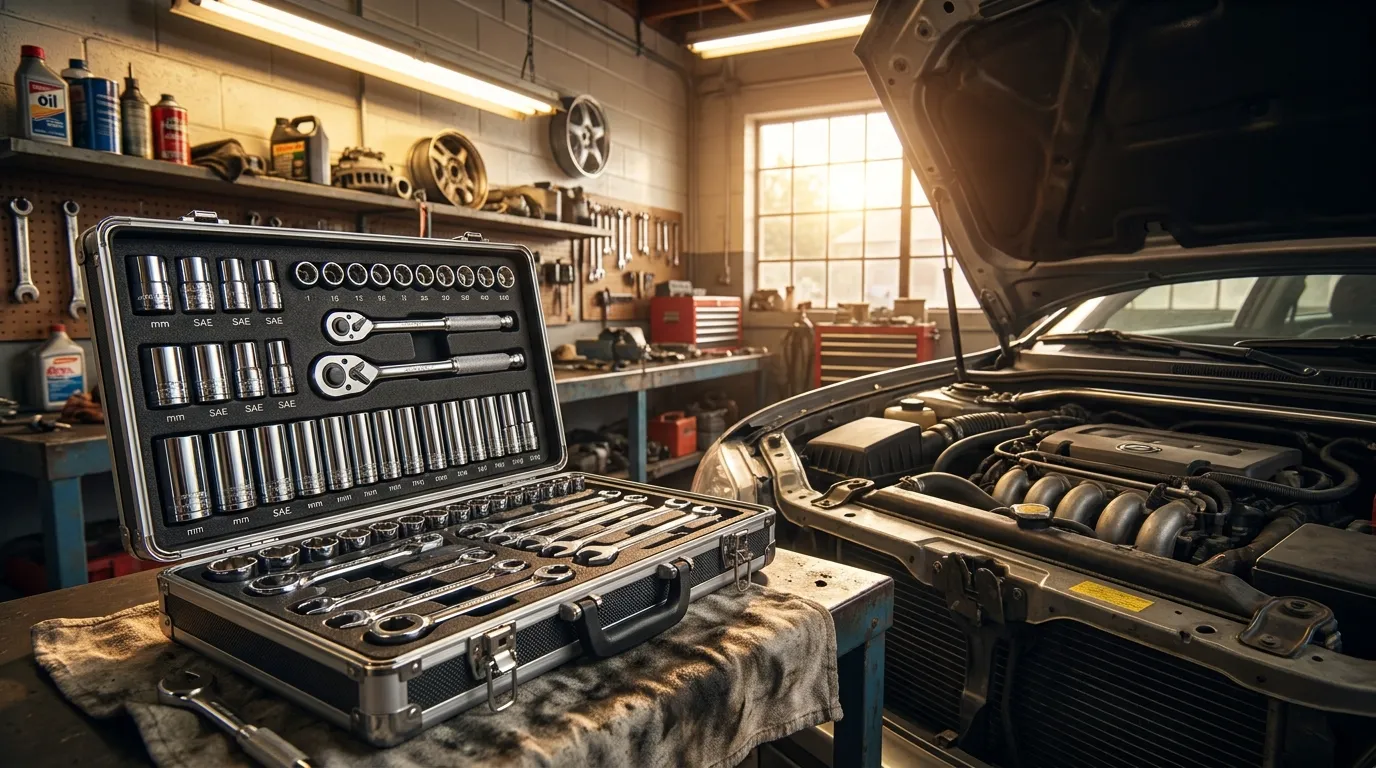
A socket set for car repair is the essential tool kit for most DIY and pro auto jobs.
I have used and tested socket sets for car repair for years in home garages and shops. I know what matters. This guide explains what a socket set for car repair includes, how to pick one, and how to use it safely. Read on for clear advice, real tips from the toolbox, and examples that save time and money.
Why a quality socket set matters for car repair
A good socket set for car repair saves time. It cuts the chance of stripped bolts and rounded heads. It helps you finish jobs cleanly and with less stress.
I once tried a cheap set on a seized bolt. The socket failed and I ruined the bolt head. That cost me an extra hour and a new bolt. Good tools make work faster and less risky.
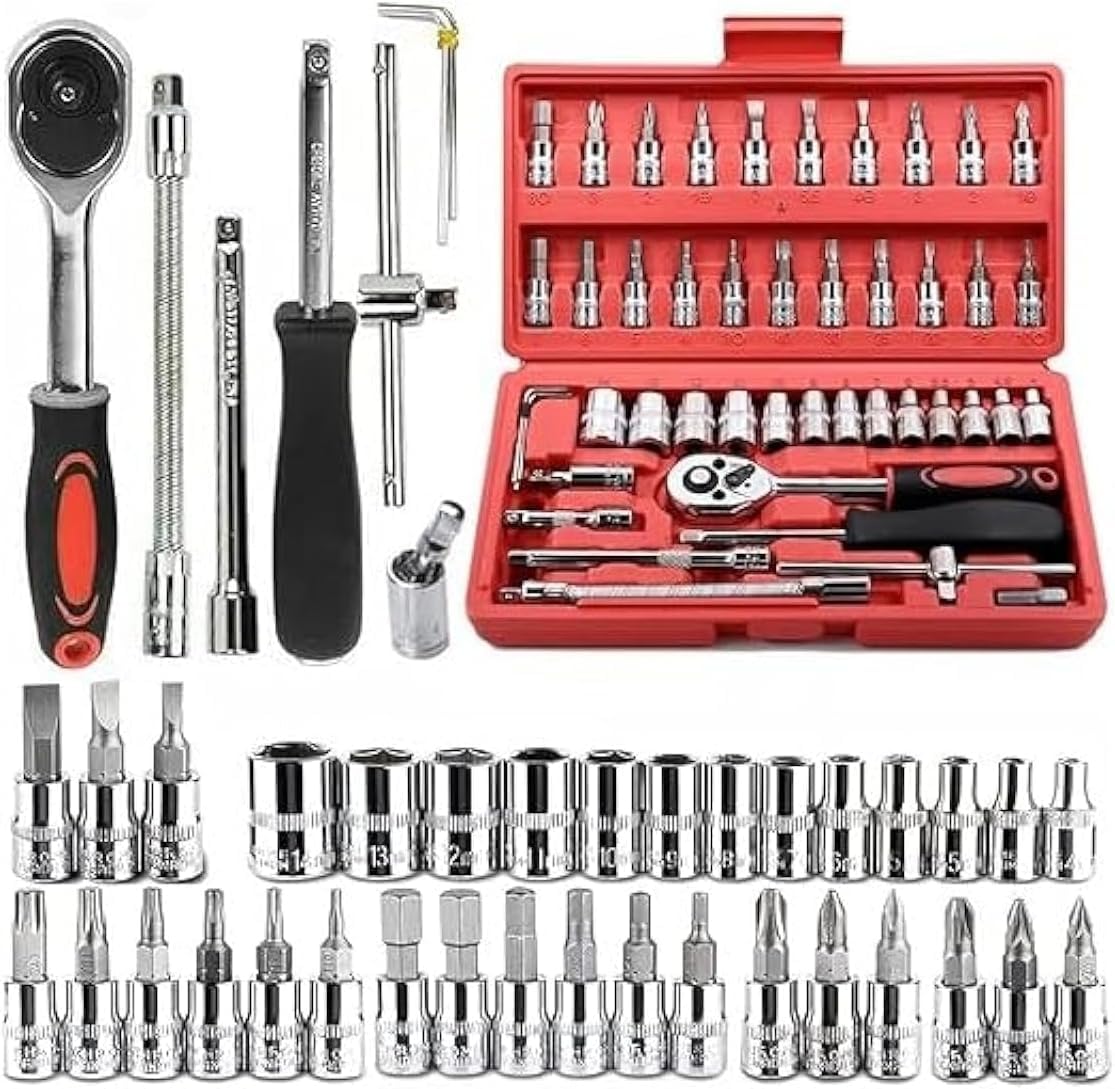
Components of a socket set for car repair
A full socket set for car repair usually includes a clear set of parts. Know each piece so you can use the right tool.
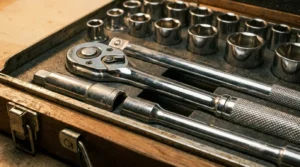
- Ratchet handle: Used to spin sockets quickly. Choose a smooth, quick-release model.
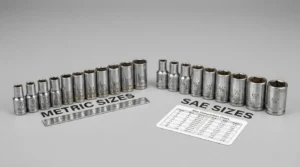
- Sockets: Metric and SAE sizes. Shallow and deep types.
- Extensions: Reach bolts in tight spots.
- Universal joint: Lets you access odd angles.
- Adapters: Convert between drive sizes.
- Breaker bar: For stuck bolts that need more force.
- Spark plug sockets: Padded sockets made for plugs.
- Case: Keeps parts organized and easy to carry.
Types and drive sizes in a socket set for car repair
Pick the right type for the job. Drive size and socket depth matter most.
- Drive sizes to know
- 1/4-inch drive: For small fasteners and tight spaces.
- 3/8-inch drive: The best all-round choice for many car repairs.
- 1/2-inch drive: For heavy nuts and lug nuts.
- 3/4-inch drive: Used for big jobs and heavy trucks.
- Socket types
- Shallow sockets: For bolts near surfaces.
- Deep sockets: For long bolts and studs.
- Impact sockets: Built for impact guns and high torque.
- Six-point vs twelve-point: Six-point grips flats better and lowers slip risk.
How to choose the right socket set for car repair
Choose the set that suits your cars and skill level. These tips will help you buy smart.
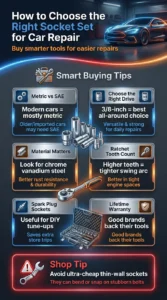
- Match metric and SAE needs. Most modern cars use metric sizes. Older or imported cars may need SAE tools too.
- Pick the main drive. I use a 3/8-inch drive as my daily go-to. It is versatile and strong.
- Look for chrome vanadium steel. It resists rust and holds up well.
- Check the tooth count on ratchets. More teeth mean smaller swing arc and better fit in tight spots.
- Get a set with spark plug sockets if you change plugs. That saves a trip to the parts store.
- Prefer sets with lifetime warranty. It shows the maker trusts their gear.
From my shop: avoid very cheap sets with thin walls. They bend or snap on stubborn bolts. Spend a bit more for durability. It pays off fast.
How to use a socket set for car repair safely and effectively
Good use keeps bolts and tools in good shape. It also keeps you safe.
- Choose the correct socket size. A loose fit will round the bolt.
- Turn slowly at first. If a bolt is stuck, use penetrating oil and let it soak.
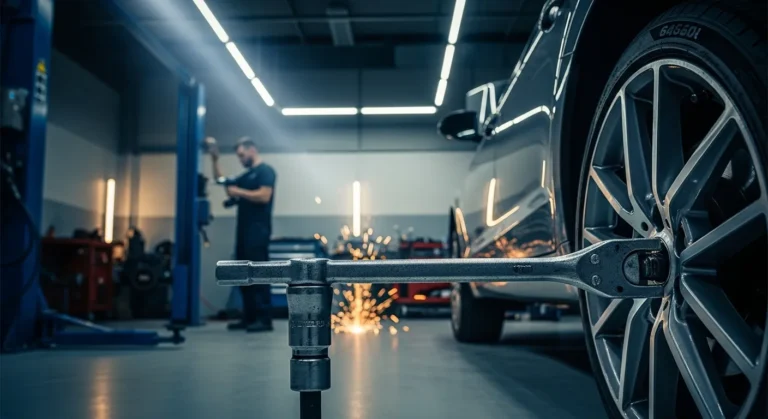
- Use a breaker bar for tight bolts. Do not apply extra force to a small ratchet.
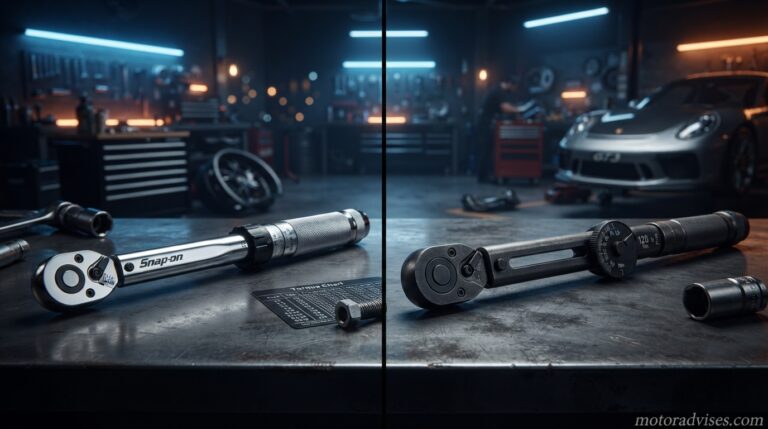
- Use a torque wrench for final tightening. Follow your car maker’s torque specs.
- Keep hands clear of pinch points. Let the tool do the work, not your body weight.
A clear rule I follow: never use an impact socket with a chrome-finish ratchet. That invites damage. Use the right tool for the right job.
Maintenance and care for your socket set for car repair
Care extends tool life and keeps work safe. Spend five minutes after jobs to clean and store parts.
- Clean sockets and ratchet after use. Wipe grease and grit away.
- Lightly oil the ratchet mechanism once in a while.
- Store in a case to avoid lost pieces and rust.
- Replace worn sockets. A worn socket is a hazard.
- Avoid using non-impact sockets with air tools.
My kit lives in a dry toolbox. I also mark hard-to-find sockets I use often. Small habits keep the set ready for real work.
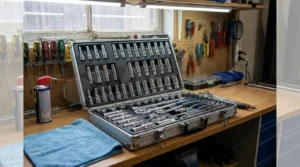
Common car repairs you can do with a socket set for car repair
A good socket set lets you handle many common jobs at home. Here are practical examples.
- Oil change: Remove drain plug and sometimes the filter housing bolts.
- Battery service: Tighten battery terminal bolts and hold-down clamps.
- Brake work: Remove caliper bolts and hardware.
- Spark plug replacement: Use a padded plug socket and extension.
- Alternator or starter swaps: Remove mount bolts and wiring brackets.
- Wheel work: Use the correct drive and a torque wrench for lug nuts.
These jobs can be done with a 3/8-inch drive set and a 1/2-inch breaker for lug nuts. That setup covers most needs.
Source: amazon.sa
Buying tips and value picks for a socket set for car repair
Shopping smart saves money and stress. Use these tips to find a set that lasts.
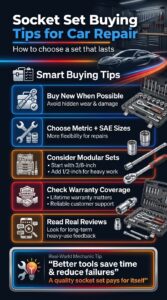
- Buy new over used when possible. New tools mean no hidden wear.
- Check for metric and SAE sizes. Kits labeled both give flexibility.
- Consider modular sets. Buy a 3/8-inch base set and add 1/2-inch for heavy jobs.
- Look for lifetime warranty and good customer service.
- Read real user reviews that describe heavy use, not just one or two jobs.
I once upgraded to a pro-grade set after years of fixes. The new set cut job time and reduced tool failures. That upgrade paid off in a few months.
Frequently Asked Questions of socket set for car repair
What drive size should I start with for car repairs?
Start with a 3/8-inch drive. It covers many common car tasks and fits most bolts. Add 1/2-inch for wheel and heavy work.
Do I need both metric and SAE sockets?
Most modern cars use metric sizes. Keep a basic SAE set for older parts and accessories. It’s handy to have both.
Can I use impact sockets with hand ratchets?
No. Impact sockets are thicker and made for air tools. Use standard sockets with hand ratchets to avoid damage.
How do I prevent rounding bolts with a socket set?
Use the proper socket size and a six-point socket for tight bolts. Turn slowly and use penetrating oil on rusted bolts.
Is a cheap socket set worth it for DIY use?
A very cheap set may save money up front but can fail on tough jobs. Choose a midrange set for the best balance of cost and durability.
Conclusion
A reliable socket set for car repair is one of the best investments you can make for DIY work and professional jobs. Choose the right drive, prefer durable materials, and care for your tools. Start with a 3/8-inch set, add key pieces like spark plug sockets and a breaker bar, and use a torque wrench for final tightening. Take action today: check your current set, replace worn pieces, or pick a quality set that matches your needs. Share your favorite socket set tips or ask a question in the comments.