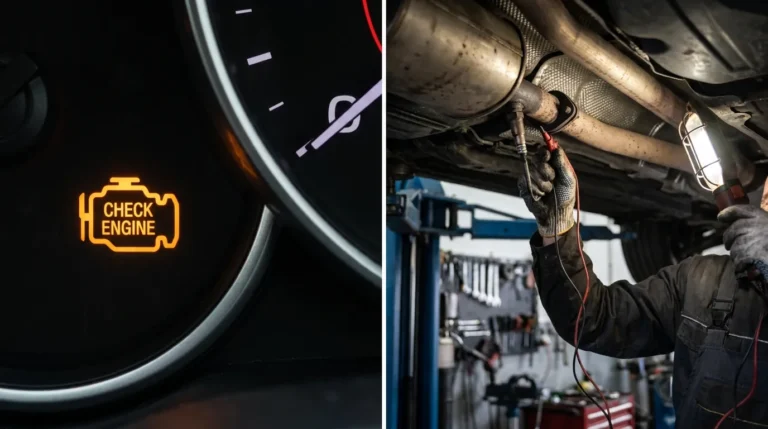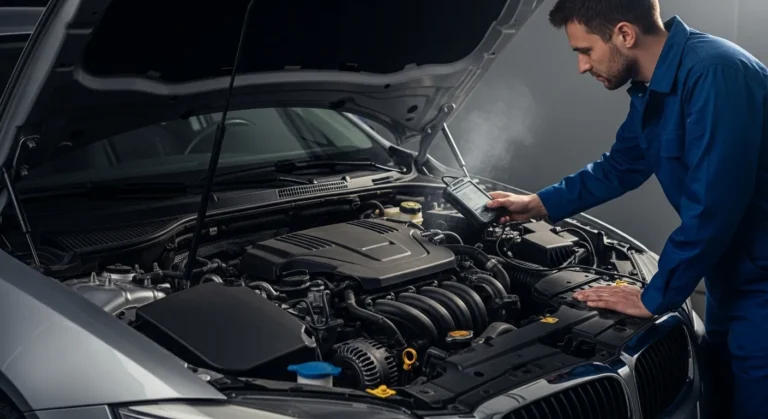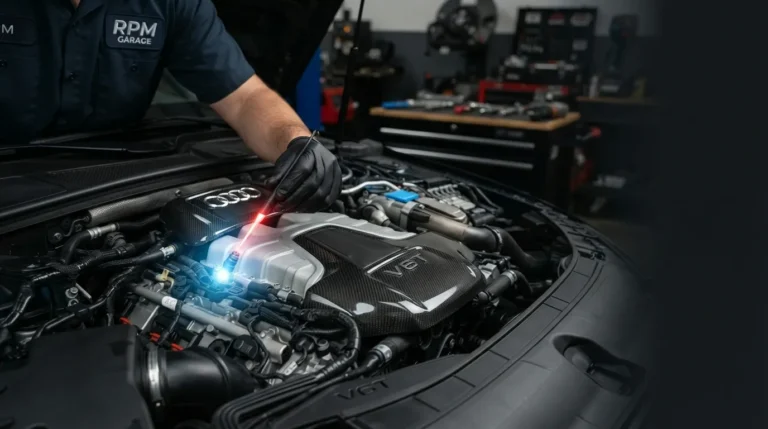
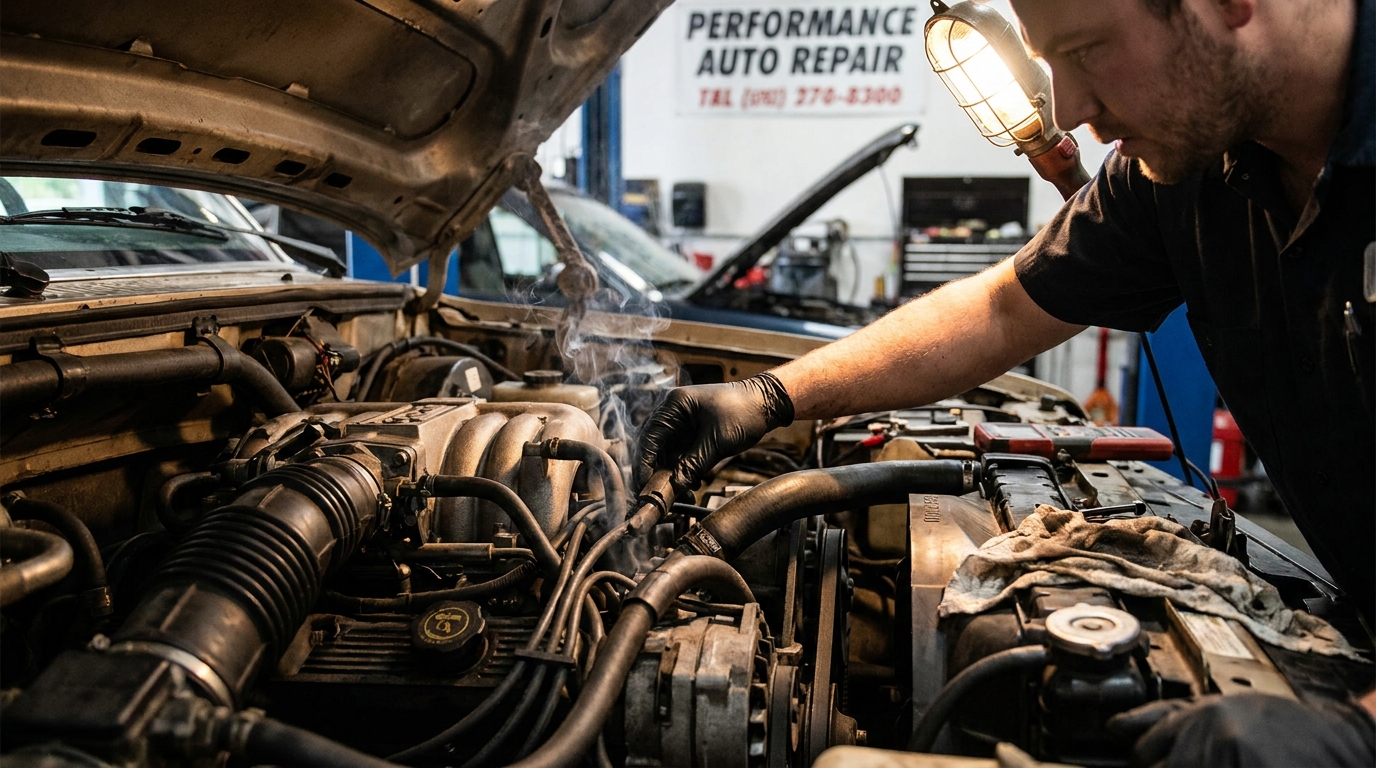
Engine vacuum leak symptoms often include rough idle, poor fuel economy, and engine stalling.
I’ve worked on cars and run diagnostics for years, so I know how subtle and confusing engine vacuum leak symptoms can be. This guide explains what a vacuum leak does, the most common signs to watch for, how to find the leak, and practical fixes you can try. Read on to learn clear steps you can take today to diagnose and treat engine vacuum leak symptoms with confidence.
What is an engine vacuum leak?
An engine vacuum leak happens when extra air gets into the intake system after the mass airflow sensor or before the intake ports. That extra air upsets the air‑fuel mix. The engine then runs lean, which causes many of the classic engine vacuum leak symptoms.
Why vacuum matters
- The intake manifold creates a vacuum to draw air through the throttle body and sensors.
- Any unmetered air bypasses sensors and changes the fuel mix.
- Small leaks can cause big drivability issues because engines are tuned to precise air/fuel ratios.
Common leak sources
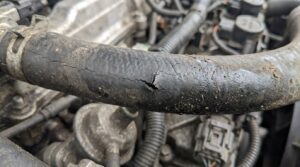
- Old or cracked vacuum hoses
- Intake manifold gaskets
- Throttle body seals
- PCV hoses and fittings
- Brake booster lines
Experience note: I once diagnosed a long idling issue caused by a brittle PCV hose. It looked fine at first glance. Once replaced, the rough idle vanished. That taught me to check soft lines closely.

Common engine vacuum leak symptoms
Below are the symptoms you will most often see with an engine vacuum leak. Each item explains why it happens and how to spot it early.
- Rough idle and surging
A shaky or fluctuating idle is the most common sign. The extra air makes the engine hunt for the right fuel mix. - Stalling at idle or low speed
The engine can die when you stop. Low vacuum makes it hard to keep the RPM steady. - Poor fuel economy
The engine may use more fuel as the ECU compensates. You’ll notice more stops at the pump. - Check Engine Light (CEL) or fault codes
Codes for lean condition or misfire can appear. P0171 and P0174 often point toward unmetered air. - Hesitation, bucking, or poor acceleration
On sudden throttle, the response can be weak because the mix is wrong. - Hissing or whistling noise from the engine bay
Small leaks often make a soft hissing sound, especially at idle or when revving. - High or low idle RPM
Idle can swing above normal if the leak is large or the throttle is sticking. - Misfires or poor engine performance
Lean mixtures can cause misfires. You may notice rough running under load. - Vacuum-operated accessory issues
Problems with brake assist, HVAC doors, or cruise control can occur if the vacuum source leaks.
Practical tip: Start by listening with the hood up when the engine is running. A thin hiss often points to a vacuum leak. Use a flashlight and follow the sound to the source.

How to diagnose engine vacuum leak symptoms
Diagnosing a vacuum leak is methodical. Use simple tools first, then move to specialized tests if needed.
Tools you may need
- Flashlight
- Hand vacuum pump
- Carburetor spray or propane torch (for testing)
- Smoke machine (best for hard-to-find leaks)
- Basic sockets and screwdrivers
Step-by-step checks
- Visual inspection
Look for cracked, brittle, or disconnected hoses. Check clamps and seals. Small cracks can be invisible until you flex the hose. - Listen and feel
Run the engine and listen for hissing. Use your hand (carefully) to feel for escaping air. - Spray test (use caution)
Lightly spray carb cleaner or starter fluid near vacuum lines and gasket joints. If idle changes, you found a leak. Be mindful of fire risk and proper ventilation. - Propane test
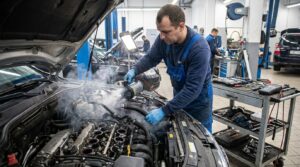
Release a small amount of propane near suspect areas while idling. A change in RPM shows the leak point. - Smoke test (professional method)
A smoke machine pressurizes the intake with visible smoke. Smoke will escape at the leak. This is the safest and most precise way. - Use a scan tool
Watch live data for long‑term fuel trims (LTFT). High positive trims suggest extra air. Compare sensor readings and intake vacuum values.
Personal note: I prefer a smoke test when the leak hides deep in the manifold. It finds hairline cracks that spray tests miss. Mechanics with smoke machines save time and give precise results.
Repair options and estimated costs
Fixing a vacuum leak depends on the source. Here are common repairs with rough cost ranges and tips.
Common repairs
- Replace vacuum hoses
Cost: Low. Parts are cheap and fast to swap. Inspect all nearby hoses and replace fragile ones. - Replace PCV valve or hose
Cost: Low. PCV faults often cause rough idle and check engine light. - Replace intake manifold gasket
Cost: Medium to high. Labor can be significant, especially on V‑engines. - Replace throttle body gasket or clean throttle body
Cost: Low to medium. Throttle buildup can mimic vacuum leak symptoms. - Repair or replace brake booster hose
Cost: Low to medium. A booster leak affects braking feel and idle. - Weld or replace cracked manifold
Cost: Medium to high. Some plastic manifolds are replace-only.
DIY vs professional
- DIY repair is good for hose swaps, PCV, and throttle cleaning. You save money and learn your car.
- Professional help is best for intake gaskets, manifold cracking, or when smoke testing is needed.
Cost drivers
- Labor time and engine accessibility
- Need to remove accessories or manifold pieces
- Parts quality and OEM vs aftermarket
Safety tip: If you aren’t comfortable with fuel or electrical systems, have a pro handle the job. Mistakes can be costly and risky.
Preventive maintenance and tips
Preventing vacuum leaks saves money and keeps your car reliable. Use these easy practices.
- Inspect hoses at every oil change
Replace any hoses that feel brittle or soft. - Use quality replacement parts
Cheap hoses can fail faster. Buy the right diameter and material. - Keep the engine bay clean
Oil and grime degrade rubber parts. A clean bay helps you spot leaks early. - Replace gaskets on schedule
If the intake gasket is old, consider replacing before it fails. - Monitor fuel trims and idle behavior
Small changes now can signal future vacuum problems.
Personal tip: I keep spare vacuum hose in the trunk for emergency fixes. On one trip, a snapped hose left me idling poorly. A quick splice got me to the shop safely.
When to see a mechanic
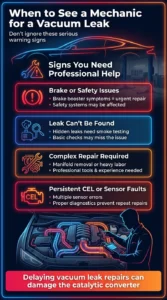
Some vacuum leak issues need expert attention. Consider a professional when:
- The leak affects brakes or safety systems
Any brake booster symptom means urgent service. - You can’t find the leak with basic tests
Hidden leaks often require smoke machines. - The repair needs manifold removal or heavy labor
Complex jobs need experience and tools. - Multiple sensors show faults or persistent CEL
A trained technician can trace related faults and prevent repeated repairs.
If in doubt, get an inspection. A timely repair can prevent catalytic converter damage and other costly side effects.
Frequently Asked Questions of engine vacuum leak symptoms
What are the first signs of an engine vacuum leak?
The first signs are usually a rough idle and a hissing sound from the engine bay. You may also notice slight loss of power or a check engine light.
Can a vacuum leak cause the car to stall?
Yes. A large or poorly timed vacuum leak can make the engine stall, especially at idle or when slowing to a stop.
Will a vacuum leak trigger the check engine light?
Often it will. Codes for lean condition, misfires, or sensor mismatches are common with vacuum leaks.
Can I drive with a small vacuum leak?
You can drive short distances, but it’s not recommended. Small leaks can worsen, reduce fuel economy, and damage the catalytic converter over time.
How long does it take to fix a vacuum leak?
Simple hose replacements take 30–60 minutes. Intake manifold or gasket jobs can take several hours to a full day depending on the vehicle.
Is a smoke test safe for my engine?
Yes. A smoke test is safe and effective when done by trained technicians. It finds leaks that other methods miss without harming engine components.
Conclusion
Engine vacuum leak symptoms can range from a subtle hiss to a hard stall. The most common signs are rough idle, poor fuel economy, check engine lights, and unusual noises. Start with a careful visual check and simple tests, and move to smoke testing if the leak hides deep in the system. Acting early saves money and prevents bigger issues. If you’re unsure, get a professional inspection to protect safety and performance.
Take action now: inspect hoses, listen for hissing, and track idle behavior. Share your experience or ask a question below — and consider subscribing for more practical car care tips.