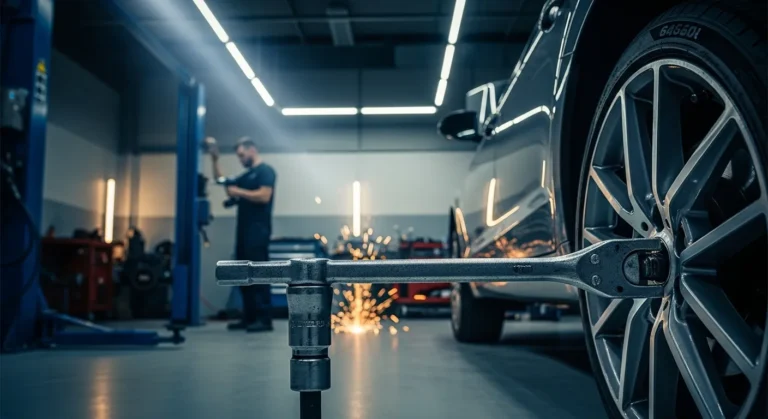
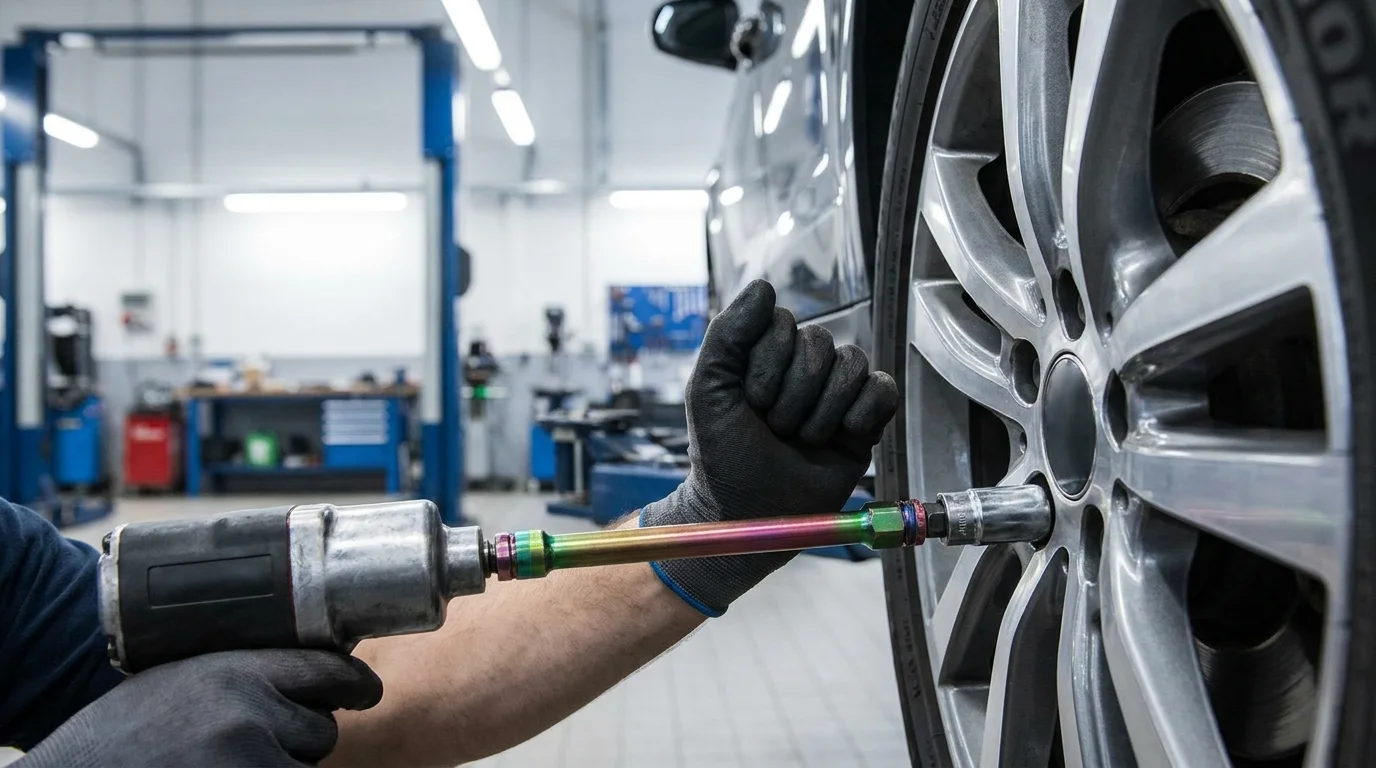
Torque sticks limit an impact wrench’s output so lug nuts are snugged, not over-torqued.
I’ve used torque sticks for years in busy shops and on weekend projects. This guide shows how to properly use torque sticks with clear steps, real tips, and mistakes to avoid. You’ll learn when they help, when they don’t, and how to pair them with your tools to protect studs and wheels. Read on for a practical, experience-driven manual that answers common questions and gives action you can use right away.
What are torque sticks?
Torque sticks are hollow, spring-steel bars made to bend under torque.
They fit between an impact gun and a socket.
They act like a torque limiter. When the set torque is reached, the stick flexes and stops delivering more torque to the nut.
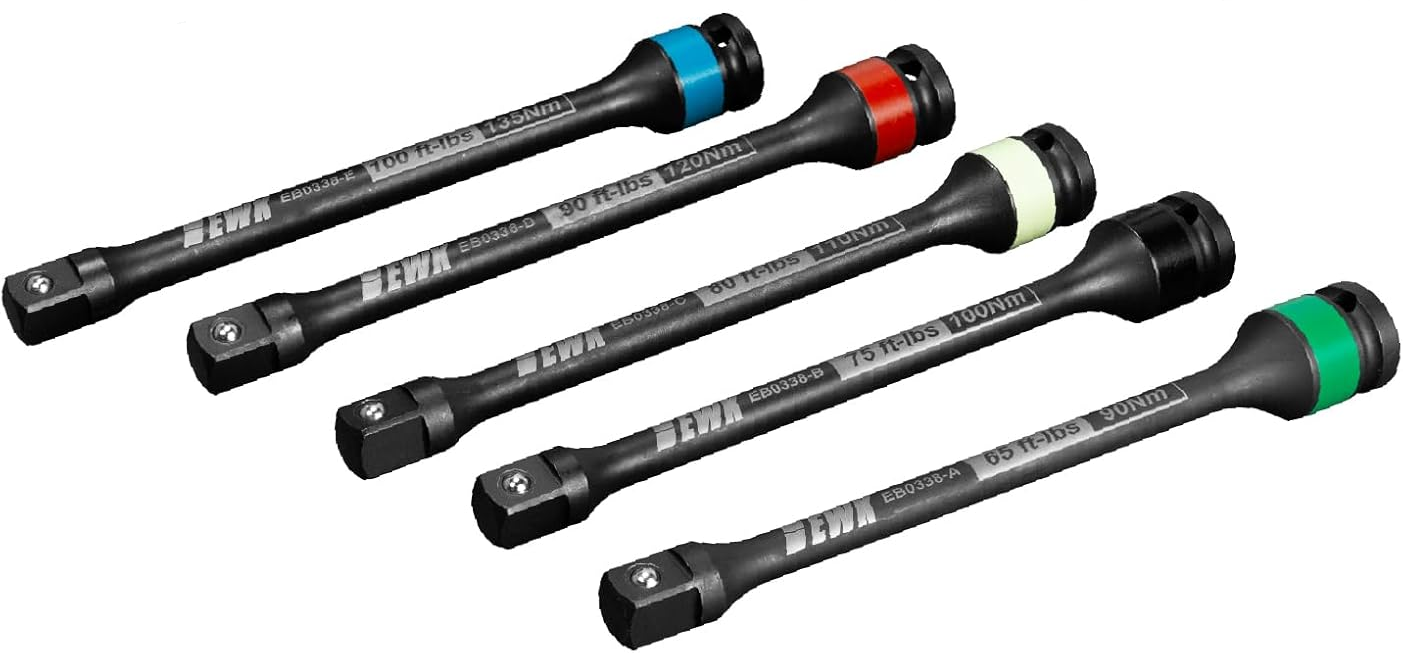
They come in different ratings, often color-coded. Each rating matches a target torque range for lug nuts.
Why use torque sticks?
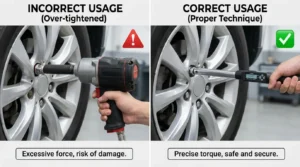
They save time on wheel jobs. You can speed up nut run-down with an impact gun while avoiding over-torque.
They protect wheel studs, wheel hubs, and thin alloy wheels from damage caused by too much torque.
They help maintain consistency across many wheels when you need speed and decent repeatability.
They are not a full substitute for a calibrated torque wrench. Use them to get close, then verify.
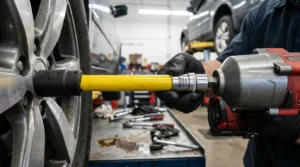
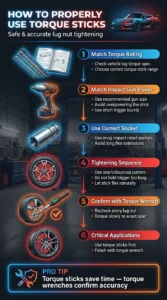
How to properly use torque sticks: step-by-step
Follow these steps to ensure correct installation and to learn how to properly use torque sticks safely.
- Match the torque stick rating to the lug nut spec
- Check the vehicle’s service manual for lug torque.
- Choose the torque stick with a rated range that covers that value. Most sets list a midpoint or range for each stick.
- Match the impact gun size and power
- Use the recommended impact wrench class for the stick. Too powerful a gun can exceed stick design and slip, causing error.
- Shorter, quicker impacts are better than long, high-stall hits.
- Use the correct socket and adapters
- Fit a quality, snug socket on the stick. Use impact-rated sockets.
- Avoid long extensions that add flex and change torque transfer.
- Sequence and speed
- Tighten in the recommended star or crisscross pattern.
- Run the nuts down with the impact until the stick starts to flex or the socket stops turning smoothly. Do not “ride” the trigger. Let the tool apply brief bursts.
- Confirm with a torque wrench
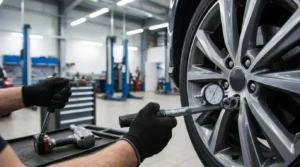
- After using torque sticks, always recheck every lug with a calibrated torque wrench.
- Make final adjustments slowly and in sequence to hit exact spec.
- Use a staggered approach for critical applications
- For high-value wheels or safety-critical jobs, tighten first with torque sticks to a mid-range, then torque-wrench to final spec.
These steps show how to properly use torque sticks to save time while keeping accuracy.
Common mistakes and troubleshooting
Here are frequent errors and how to fix them.
- Using torque sticks as the final torque tool
- Problem: Sticks are not precision tools.
- Fix: Always verify with a torque wrench.
- Using worn or wrong-size sockets
* Problem: Slip and rounded nuts.- Fix: Use impact-rated sockets that fit tightly.
- Pairing sticks with an oversized impact gun
- Problem: The impact may overpower the stick and give false readings.
- Fix: Use the proper class of impact gun and short trigger bursts.
- Ignoring temperature and wear
- Problem: Metal properties change with heat and age.
- Fix: Inspect sticks often and replace if damaged.
- Assuming perfect accuracy
- Problem: Torque sticks give a repeatable limit, not exact readings.
- Fix: Expect ±10–15% variance and confirm final torque.
Source: oppedahl.com
Maintenance, calibration, and compatibility
Torque sticks need care to stay useful and safe.
- Inspect before each use
- Look for cracks, bends, or broken splines. Discard damaged sticks.
- Store dry and clean
- Wipe off grease and keep in a case or organized rack to avoid knocks.
- Verify compatibility
- Match stick ratings to lug specs and wheel types. OEM torque values vary a lot.
- Replace rather than recalibrate
- Torque sticks are not easily recalibrated. Replace if their behavior changes.
- Use torque sticks as a guide, not a certified gauge
- For certified torque checks, use a calibrated torque wrench or a professional torque tester.
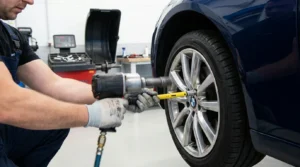
Safety and best practices
Safety protects you and the vehicle.
- Wear eye and hand protection.
- Use the right impact gun and keep a firm grip.
- Work on a flat surface and secure the vehicle.
- Follow vehicle manufacturer torque patterns and specs.
- After driving 50–100 miles, re-torque lug nuts with a torque wrench to spec.
Personal experience and tips from the shop
I ran hundreds of tire swaps and I rely on torque sticks for speed.
My rule: Torque sticks for speed, torque wrench for final check. That saved time and reduced recalls.
A lesson learned: color codes vary by brand. Always read the stamp on each stick.
Another tip: keep a small chart in the garage that matches stick color to torque values for your common vehicles. It saves mistakes.
Related tools and concepts to know
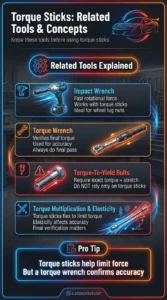
Understanding related tools makes you better at using torque sticks.
- Impact wrench
- Delivers fast rotational force in bursts. Works well with torque sticks.
- Torque wrench
- A precision tool to verify final torque. Always use for final pass.
- Torque-to-yield bolts
- Some fasteners require exact torque and stretch. Do not rely on sticks for these.
- Torque multiplication and elasticity
- Torque sticks limit torque by flex. Elasticity affects accuracy. That is why you verify with a torque wrench.
- Torque sticks limit torque by flex. Elasticity affects accuracy. That is why you verify with a torque wrench.
Frequently Asked Questions of how to properly use torque sticks
Are torque sticks accurate enough for final lug torque?
Torque sticks are not a precision tool. They give a repeatable limit but can vary by ±10–15%, so always verify with a calibrated torque wrench.
Can I use torque sticks with any impact wrench?
You should match the stick to the impact gun class. Very powerful impact guns can overpower some sticks and cause inaccurate results.
How often should I re-torque lug nuts after using torque sticks?
Recheck lug nuts after driving 50–100 miles. This confirms seating and catches any initial settling.
Do torque sticks work on alloy wheels?
They help prevent over-torque on alloy wheels, but always use a torque wrench for the final pass to avoid damage.
Can I rely on torque sticks for commercial or safety-critical work?
No. For critical applications, use calibrated torque wrenches and follow manufacturer or industry standards.
Conclusion
Using torque sticks properly saves time and reduces the chance of over-torqued wheels. They are a great shop aid when paired with the right impact gun and followed by a torque-wrench check. Keep sticks inspected, match ratings to specs, and always verify final torque. Try the step-by-step method here on your next tire job and then recheck with a torque wrench. If this helped, leave a comment, subscribe for more shop tips, or share your own torque stick experiences.