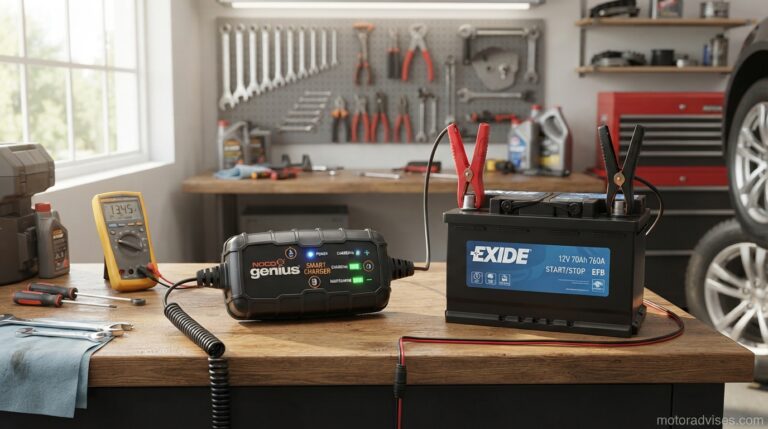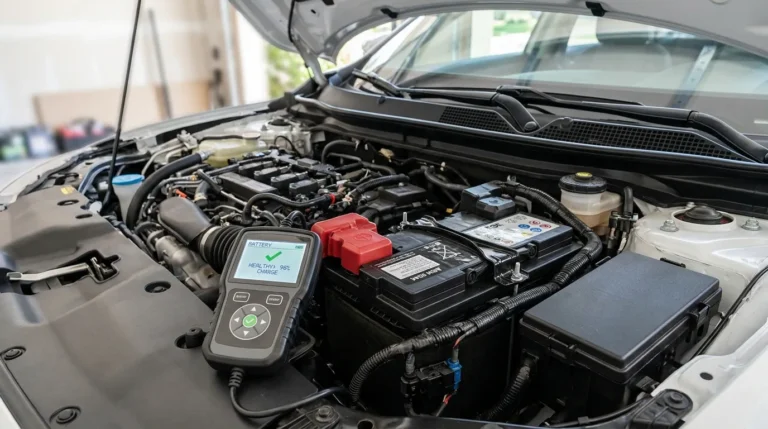
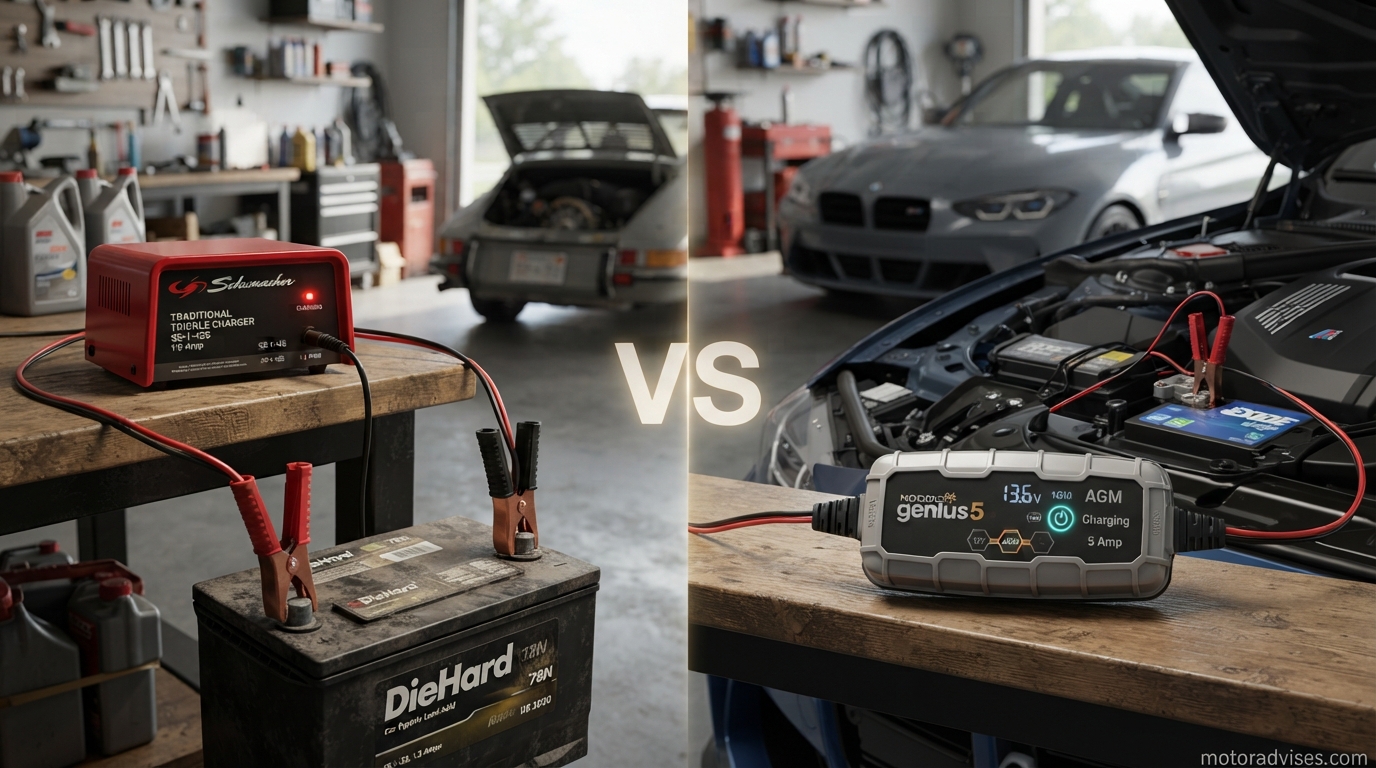
Trickle chargers feed steady low power; maintainers auto-regulate, monitor, and hold full charge.
If you have a seasonal car, a motorcycle, or a boat, choosing between a trickle charger vs battery maintainer matters more than you think. I’ve tested both in real garages and on real batteries. In this guide, I break down trickle charger vs battery maintainer with clear definitions, use cases, safety tips, and pro buying advice, so you can protect your battery and your wallet with confidence.
What is a trickle charger?
A trickle charger sends a low, steady current to a battery. Most units output about 0.5 to 2 amps. Older models do not sense battery state. They keep feeding current even when the battery is full. That can dry out flooded lead-acid cells over time and shorten life.
Some modern trickle chargers add a basic regulator. But the core idea is the same: simple, constant feed. Trickle chargers can top up a drained battery. They are cheap and easy to use. They are not ideal for long, unattended storage.
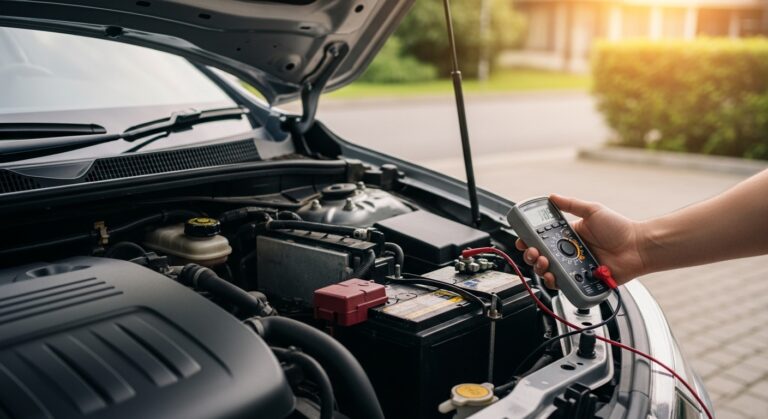
If you must leave one connected, watch voltage. For a 12V lead-acid battery, float should sit near 13.2 to 13.6 volts. Anything much higher for long periods risks overcharge and heat.
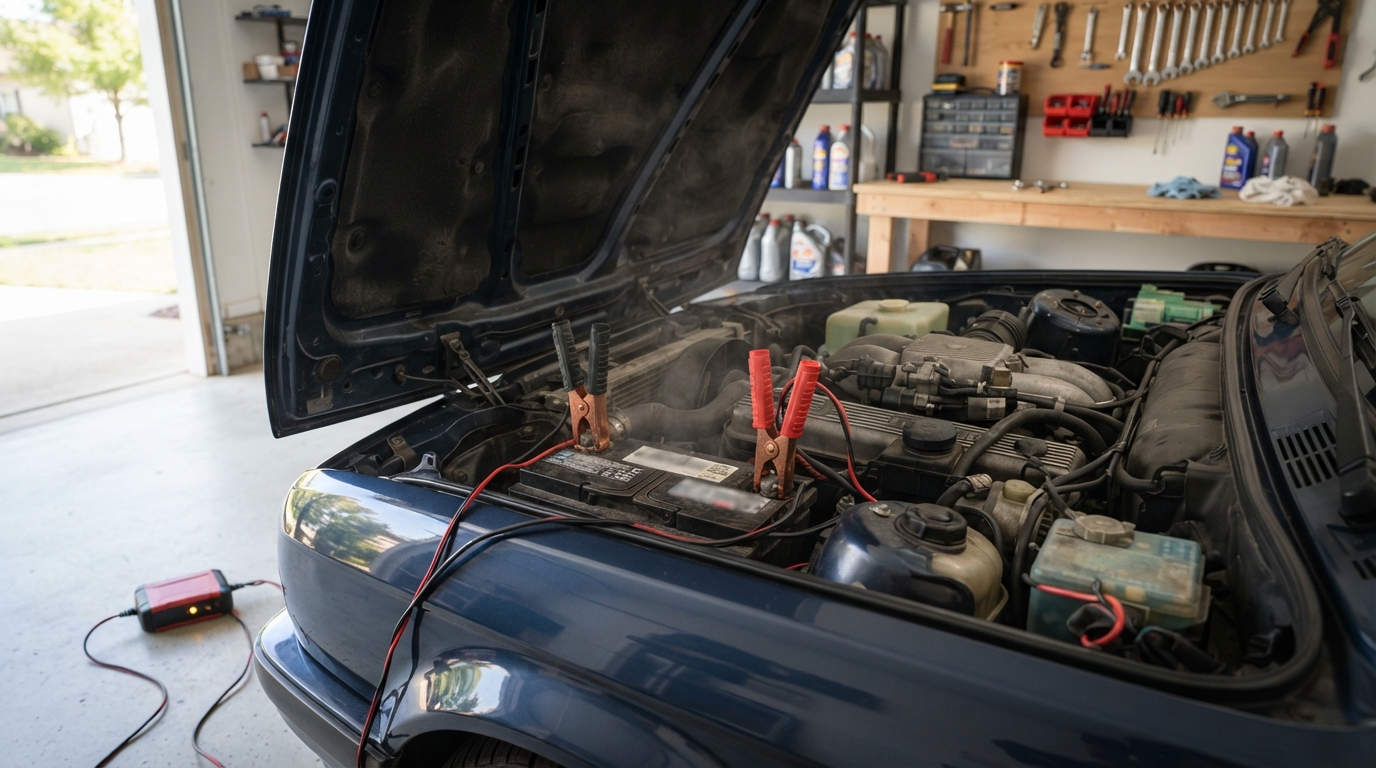
What is a battery maintainer?
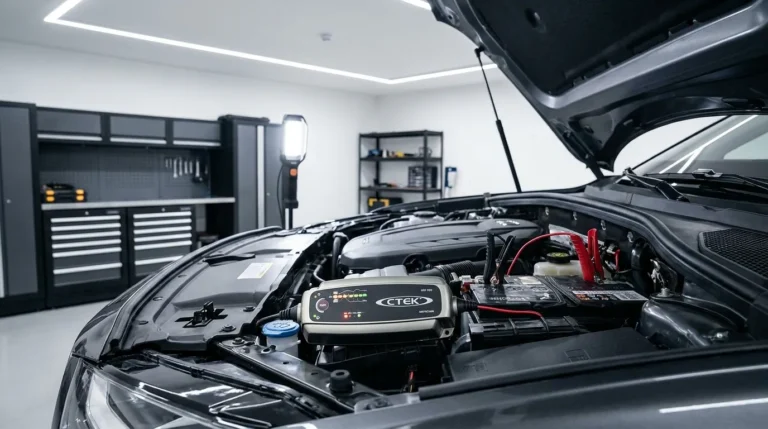
A battery maintainer is a smart charger. It uses a microprocessor to read battery voltage and temperature. It charges in stages: bulk, absorption, and float. When the battery is full, it rests and only tops up as needed. That is why maintainers are great for weeks or months of storage.
Good maintainers match chemistry. Lead-acid needs float. AGM often runs a touch lower on float. Lithium iron phosphate (LiFePO4) needs no float at all and relies on a BMS. Many maintainers have modes for each type. The result is less sulfation, less stress, and longer battery life.
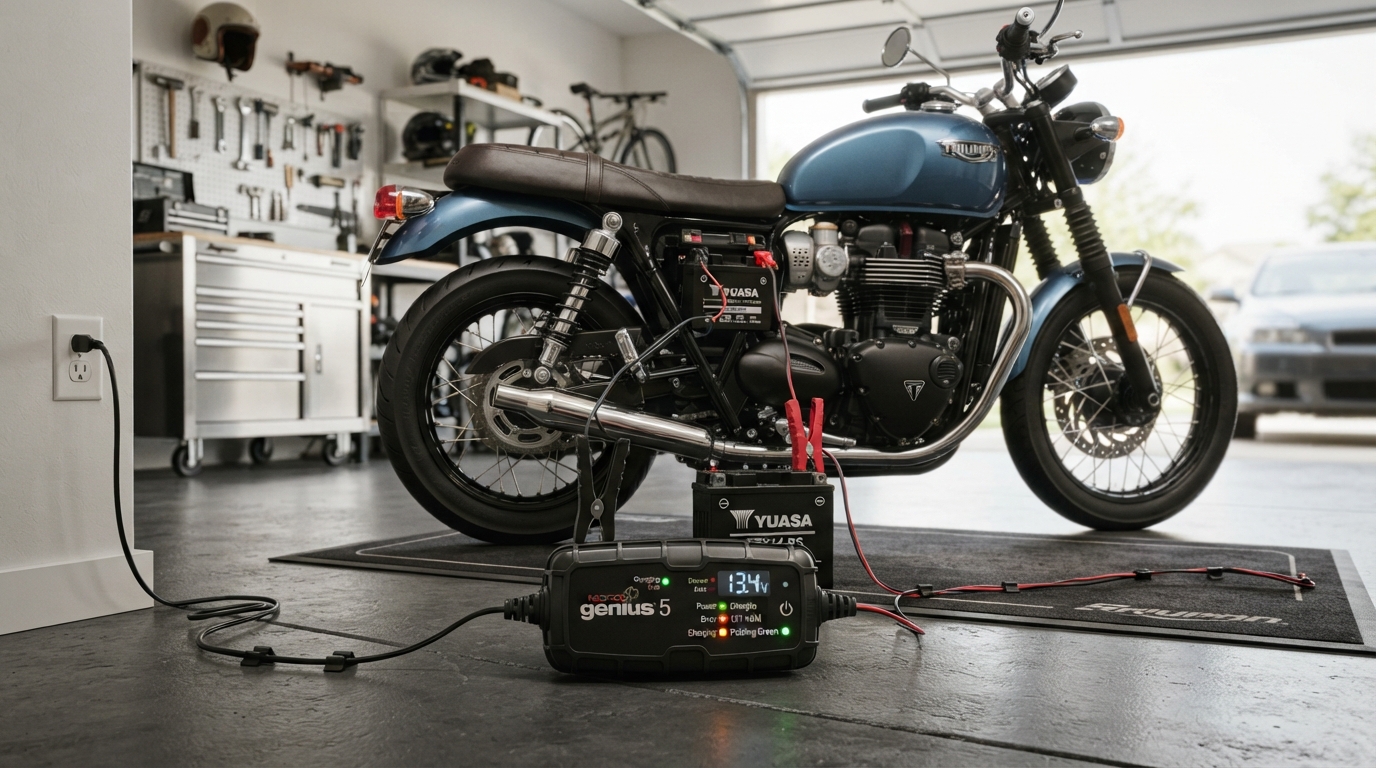
Trickle charger vs battery maintainer: key differences and use cases
Here is how trickle charger vs battery maintainer compare in day-to-day life.
- Control logic. Trickle is constant low current. Maintainer senses, adjusts, and stops when full.
- Safety margin. Trickle can overcharge if left on too long. Maintainer prevents that with float and rest cycles.
- Best use. Trickle works for short, supervised top-ups. Maintainer shines for long-term storage.
- Battery health. Trickle risks water loss and plate wear over time. Maintainer reduces sulfation and heat stress.
- Cost. Trickle is cheaper upfront. Maintainer saves batteries and time in the long run.
Can I leave a trickle charger on overnight?
Yes, if it is a low-amp model and you monitor voltage and temperature. For long storage, a maintainer is safer.
Will a battery maintainer charge a dead battery?
If the battery is not badly sulfated and is above the maintainer’s minimum voltage, yes. Some maintainers include a recovery mode for weak batteries.
Is a maintainer the same as a float charger?
A maintainer uses float as one stage. But it also rests and resumes only as needed, which is smarter than simple float.
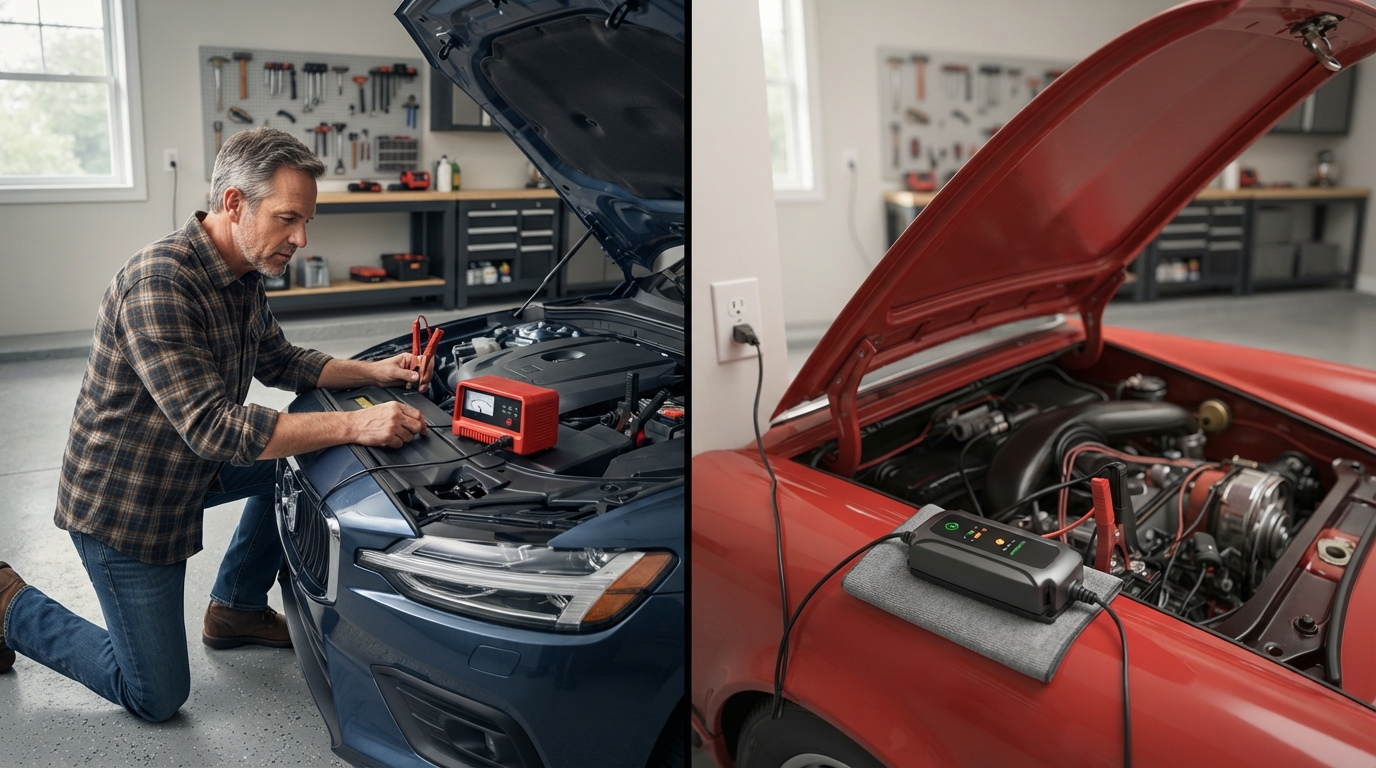
Pros and cons of each
Both tools have a place. The right choice depends on how you use your vehicle.
- Trickle charger pros
- Low cost and simple to use
- Handy for slow top-ups on small batteries
* Works without complex settings
- Trickle charger cons
- Risk of overcharge on long connections
- No staging or temperature control
- Not great for AGM or lithium without strict oversight
- Battery maintainer pros
- Smart multi-stage charging for long life
- Safer for unattended storage
- Options for lead-acid, AGM, and lithium
- Battery maintainer cons
- Higher price
- Cheap models may lack true temp sensing
- Recovery claims vary by brand and battery health

Which one should you choose?
Use this quick guide to pick between a trickle charger vs battery maintainer.
- Daily driver that sits a week at a time. A maintainer handles parasitic draws from alarms and ECUs.
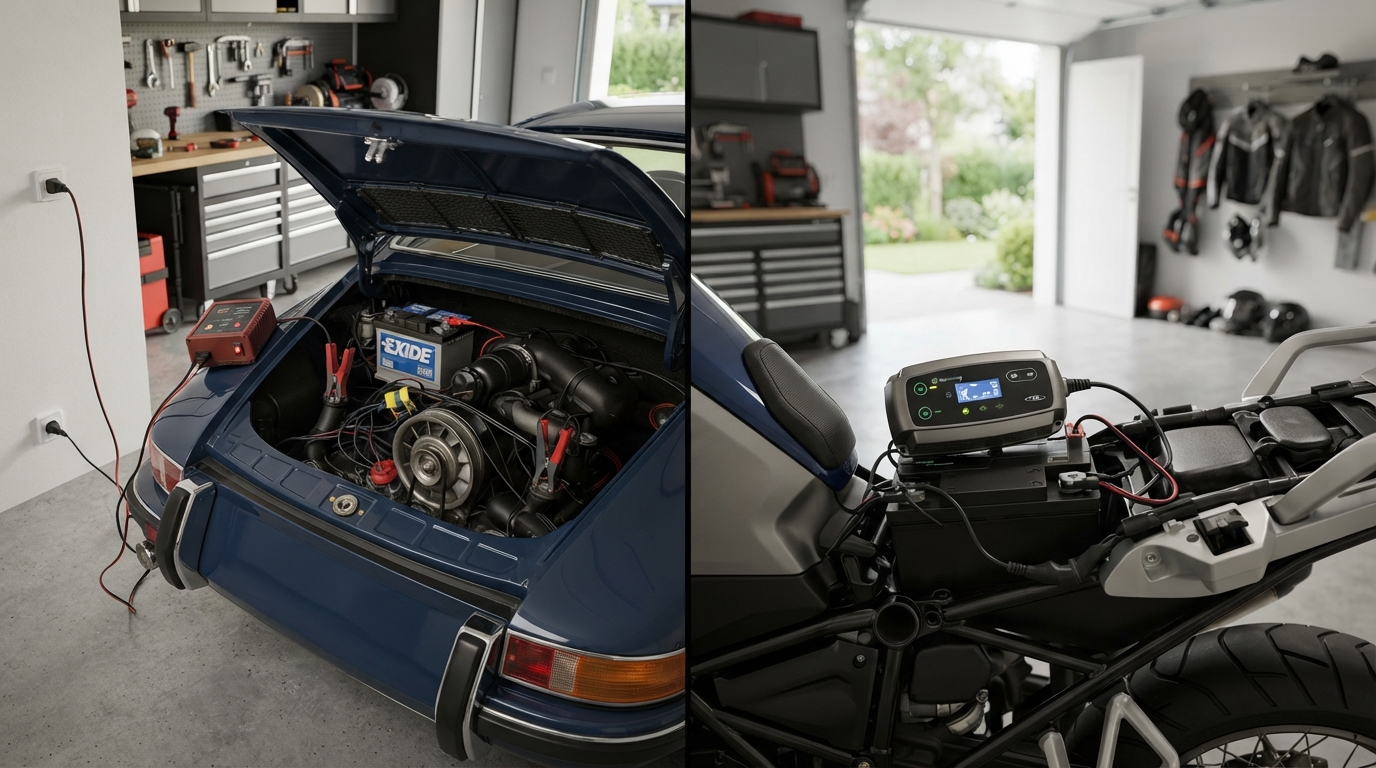
- Seasonal storage for motorcycles, boats, RVs, ATVs, or lawn tractors. A maintainer is best. Set it and forget it.
- Classic cars with flooded lead-acid. Maintainer with temperature compensation prevents boil-off.
- AGM batteries in modern cars. Maintainer with AGM mode preserves cranking power.
- LiFePO4 packs with a BMS. Use a maintainer with a lithium mode. No float after full charge.
- Quick top-up before a trip. A trickle or small smart charger works. Supervise and disconnect when full.
If budget is tight, a basic maintainer often costs less than one new battery. That math is hard to beat.
Safety and battery health essentials
Battery makers give simple rules that pay off for years.
- Voltage targets
- 12V flooded and AGM float: about 13.2 to 13.6 V
- Absorption: about 14.2 to 14.7 V, then drop to float
- Lithium iron phosphate: charge to the setpoint, then stop; no float
- Temperature matters
- Charge slower in the cold. Good maintainers adjust with a sensor.
- Hot batteries should not be pushed to high voltage for long.
- Connection tips
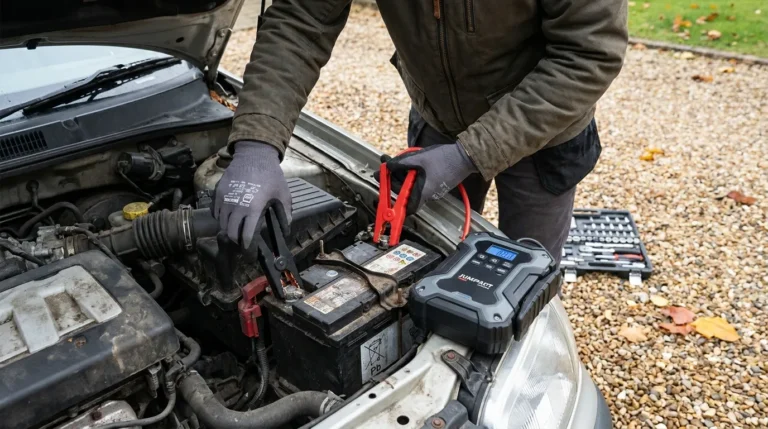
- Connect positive to positive, negative to chassis or battery negative.
- Keep clamps clean and tight. Watch for sparks.
- Space and fire safety
- Charge in a ventilated space. Avoid open flames.
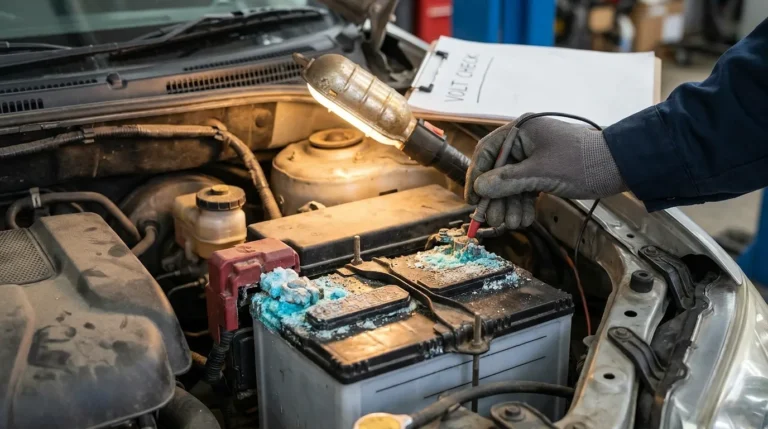
- Do not charge a swollen, frozen, or cracked battery.
A trickle charger vs battery maintainer differ most here. The maintainer’s smarts keep you inside safe zones without guesswork.
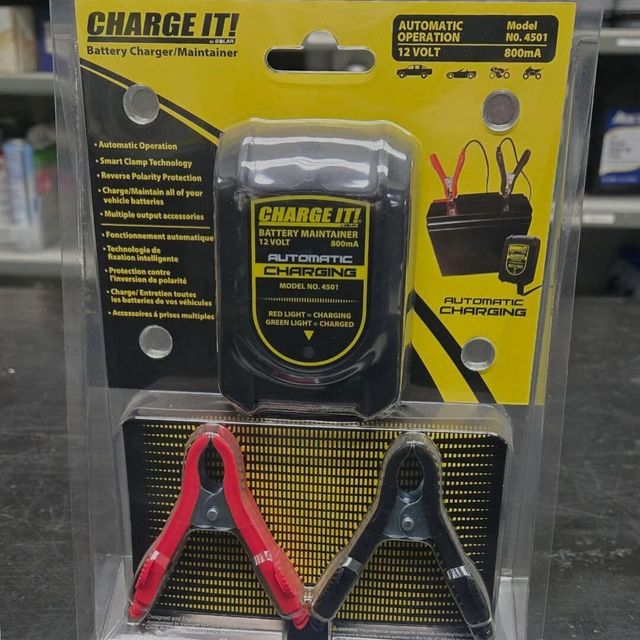
Step-by-step: How to connect and use each safely
Follow these steps every time. Small habits prevent big bills.
- Read the manual for your charger and battery type.
- Turn off the vehicle and all accessories.
- Connect the red clamp to the positive terminal.
- Connect the black clamp to battery negative or a solid chassis ground.
- Set battery type and mode on a maintainer. For trickle, confirm low amp output.
- Plug in the charger and check indicator lights.
- For trickle charger use, check voltage after a few hours. Disconnect when full.
- For a maintainer, leave it connected for storage. Inspect weekly for heat, swelling, or smells.
- Unplug the charger before removing clamps. Remove black first, then red.
These steps apply whether you choose a trickle charger vs battery maintainer. The difference is how long you leave it connected.
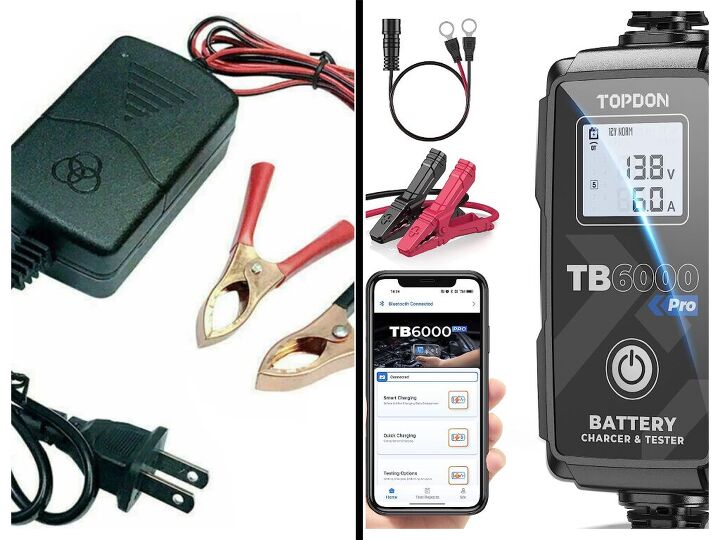
Features to look for when buying
Buying smart saves batteries. Here is what I look for and why.
- True microprocessor control with multi-stage profiles
- Battery chemistry modes for flooded, AGM, gel, and lithium
- Temperature compensation with an external sensor for accuracy
- Automatic shutoff and restart at safe thresholds
- Low-amp options for small batteries; higher-amp for faster bulk charge
- Desulfation or recondition mode for lead-acid (use sparingly)
- Spark-proof, reverse-polarity protection, and short-circuit protection
- Clear voltage and status display
- Weather resistance (IP rating) for outdoor use
- UL or ETL safety listing
- Quality clamps and ring terminals for permanent leads
If the box does not list float voltage and modes, skip it. That detail matters in the trickle charger vs battery maintainer decision.
Real-world examples and lessons learned
I once left a basic trickle charger on my old motorcycle all winter. In spring, the garage smelled like sulfur. The battery cranked once and died. The water level had dropped. That battery never recovered.
The next winter, I used a battery maintainer with temp sensing and AGM mode. I set it in November and checked it monthly. No smell. No heat. The same battery lasted three more seasons.
My lessons learned on trickle charger vs battery maintainer:
- Use a maintainer for anything stored more than a week or two.
- Match the mode to the chemistry. Lithium needs lithium mode.
- Do a quick visual check monthly. Look for swelling, leaks, or loose leads.
- Cheap chargers can be costly if they overcook a good battery.
Common myths to avoid
A few myths keep people stuck or waste money. Here is the truth.
- Myth: A trickle charger is safe to leave on forever. Reality: It can overcharge unless it has smart control.
- Myth: A maintainer cannot revive a weak battery. Reality: Some can, if the battery is not too sulfated.
- Myth: All 12V batteries charge the same. Reality: Flooded, AGM, gel, and lithium need different profiles.
- Myth: Higher amps are always better. Reality: Slow and steady is kinder for storage and small batteries.
- Myth: You can float lithium like lead-acid. Reality: Lithium should not be held at float for long.
Frequently Asked Questions of trickle charger vs battery maintainer
Do I need a trickle charger or a battery maintainer for winter storage?
Use a battery maintainer. It will hold a safe float and rest cycle so the battery stays healthy through long, cold months.
Can a trickle charger damage my car battery?
Yes, if left on for days or weeks without control. It can overcharge, cause water loss, and shorten battery life.
Will a battery maintainer work on AGM and gel batteries?
Yes, if it has the right mode. Choose a maintainer with specific AGM or gel settings for best results.
How long should I leave a trickle charger on?
Only until the battery reaches full charge. Check voltage and temperature, then disconnect to avoid overcharge.
Is a battery tender the same as a battery maintainer?
In common use, yes. People use battery tender to mean a smart maintainer that charges, then holds the battery at a safe level.
Can I use a maintainer on a lithium motorcycle battery?
Yes, but only with a maintainer designed for lithium (LiFePO4). It should not float the battery after full charge.
What size maintainer do I need?
For storage, 0.75 to 2 amps works for most powersports and cars. Larger batteries like RV house banks may need more current or multi-bank units.
Conclusion
The bottom line on trickle charger vs battery maintainer is simple. Use a trickle charger for short, supervised top-ups. Use a battery maintainer for anything that sits. Match the mode to your battery type, and your battery will last longer and start stronger.
Pick one tool today, set it up right, and add a quick monthly check. Your future self will thank you the next time you turn the key. If this helped, share it, subscribe for more simple gear guides, or drop a question in the comments.