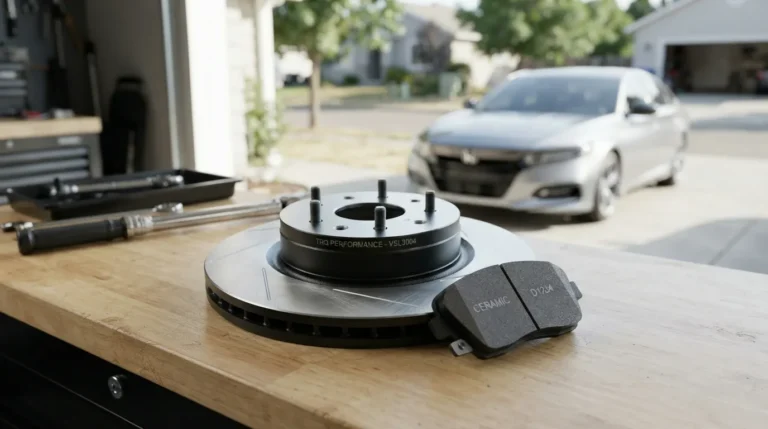
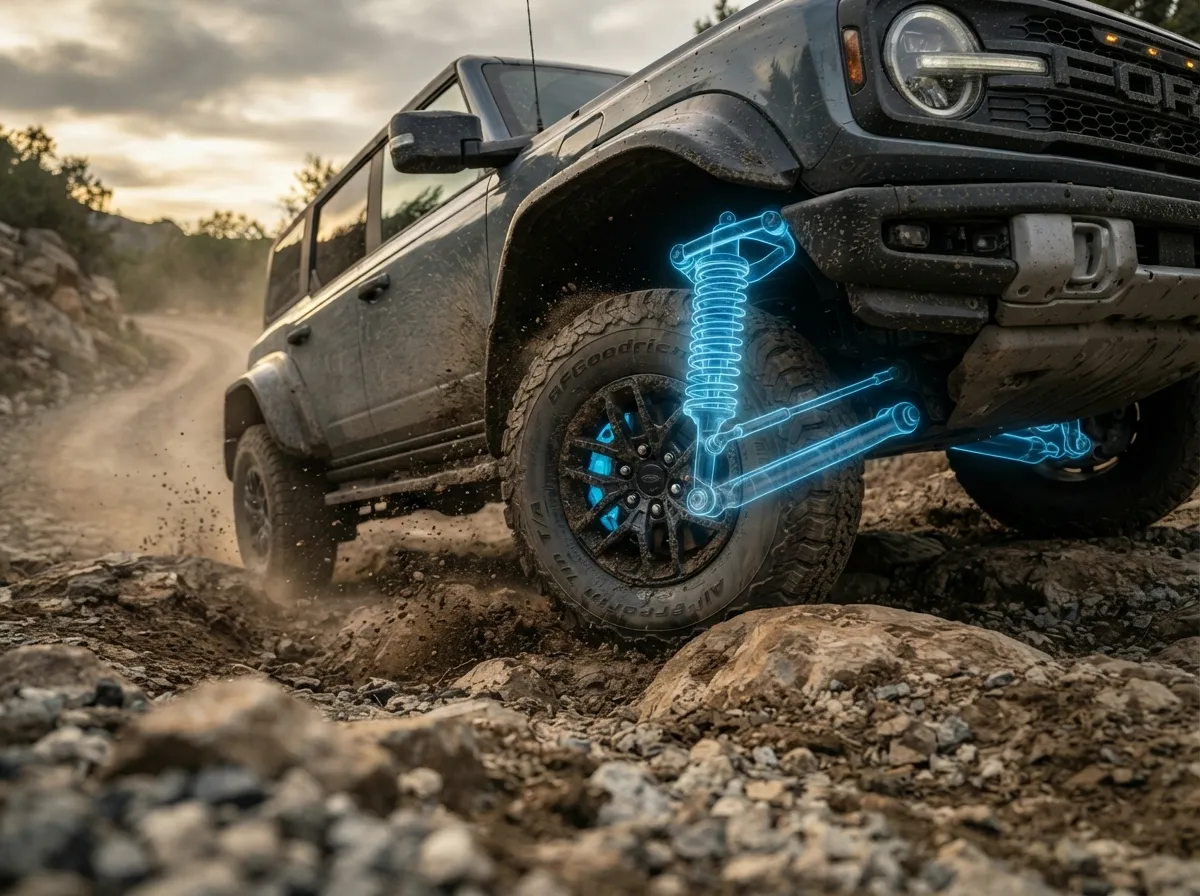
Worn suspension parts cause clunks, creaks, or squeaks when your car goes over bumps.
I’ve spent years diagnosing and fixing suspension noise over bumps on cars, trucks, and SUVs. This guide explains why that noise happens, how to find the source, and what to do next. I write from hands-on experience and clear diagnostics to help you stop the noise and drive with confidence.
Why suspension noise over bumps happens
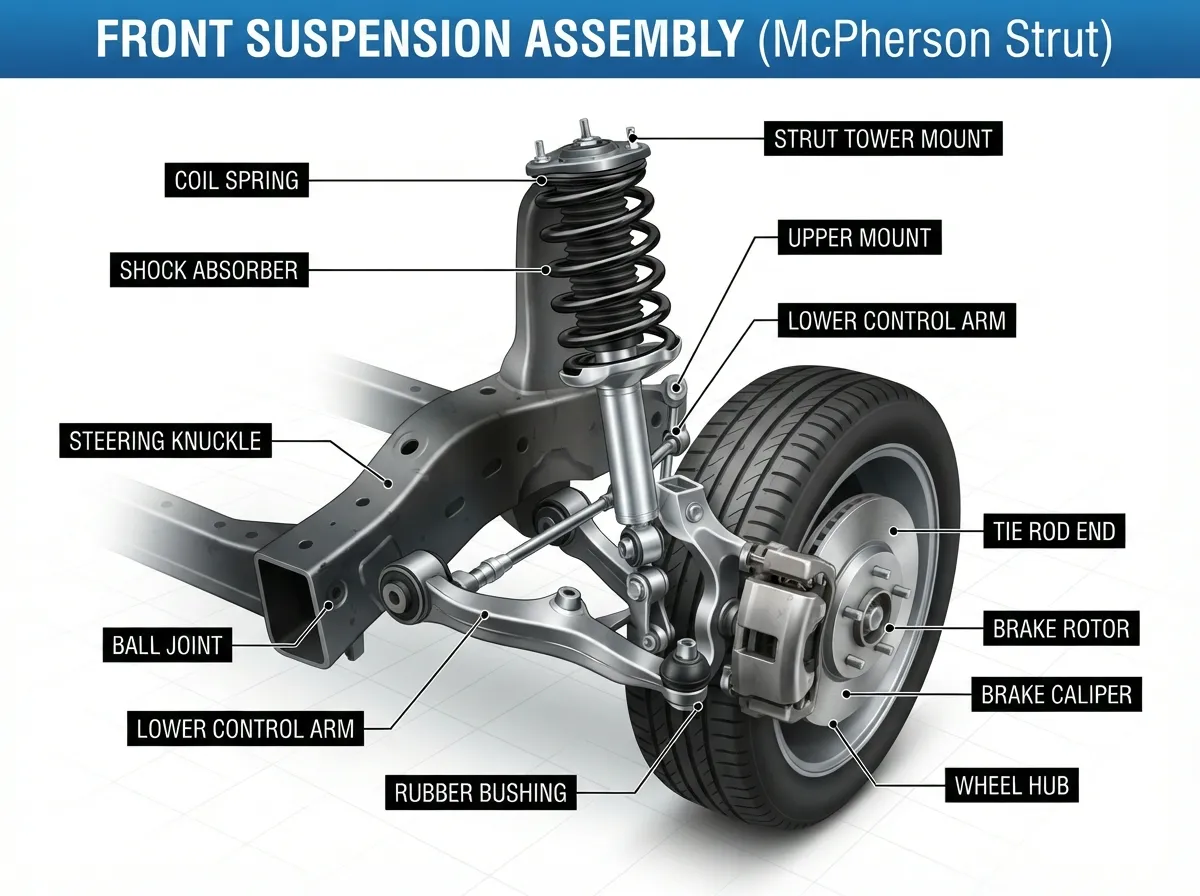
Suspension noise over bumps usually comes from worn, loose, or dry parts. The suspension moves when you hit a bump. Parts rub, hit, or shift and make sound.
Common causes include:
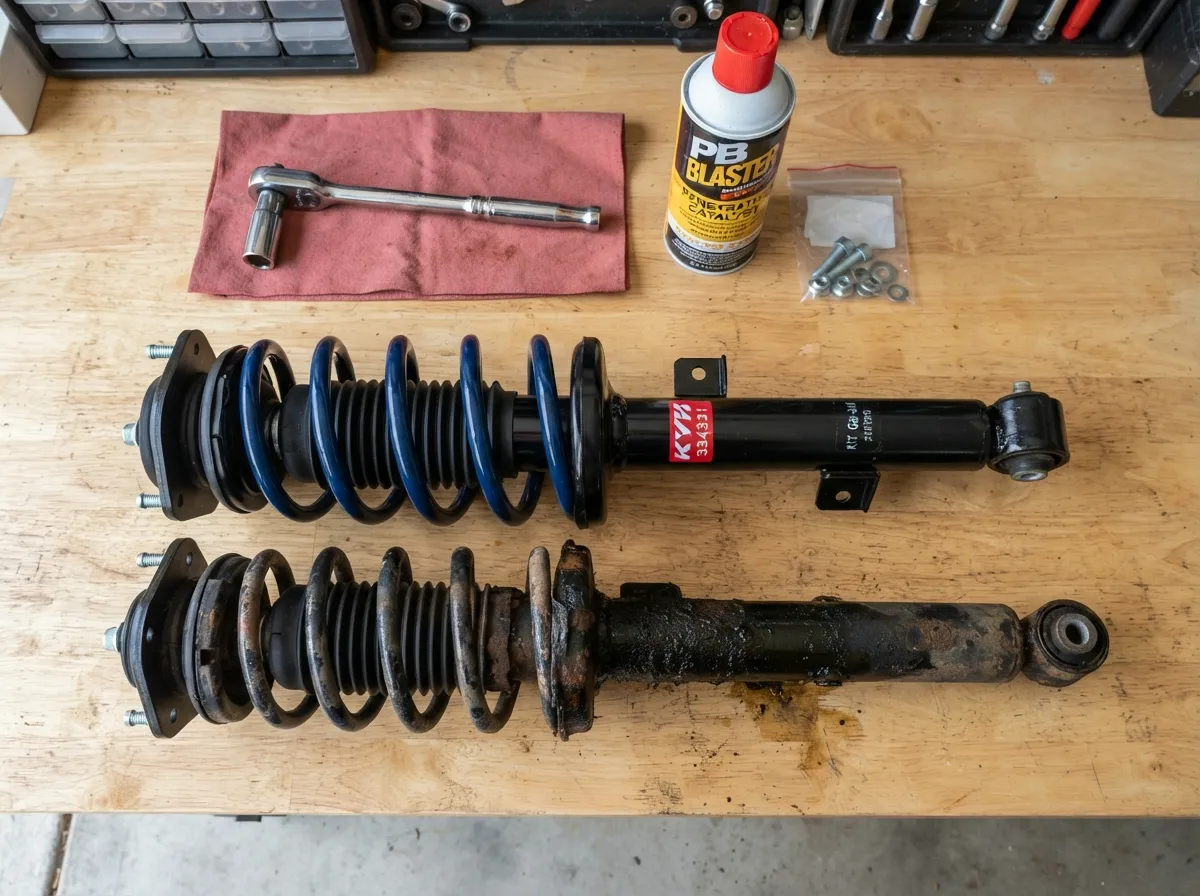
- Worn shocks or struts. These fail to damp movement and let metal parts clunk.
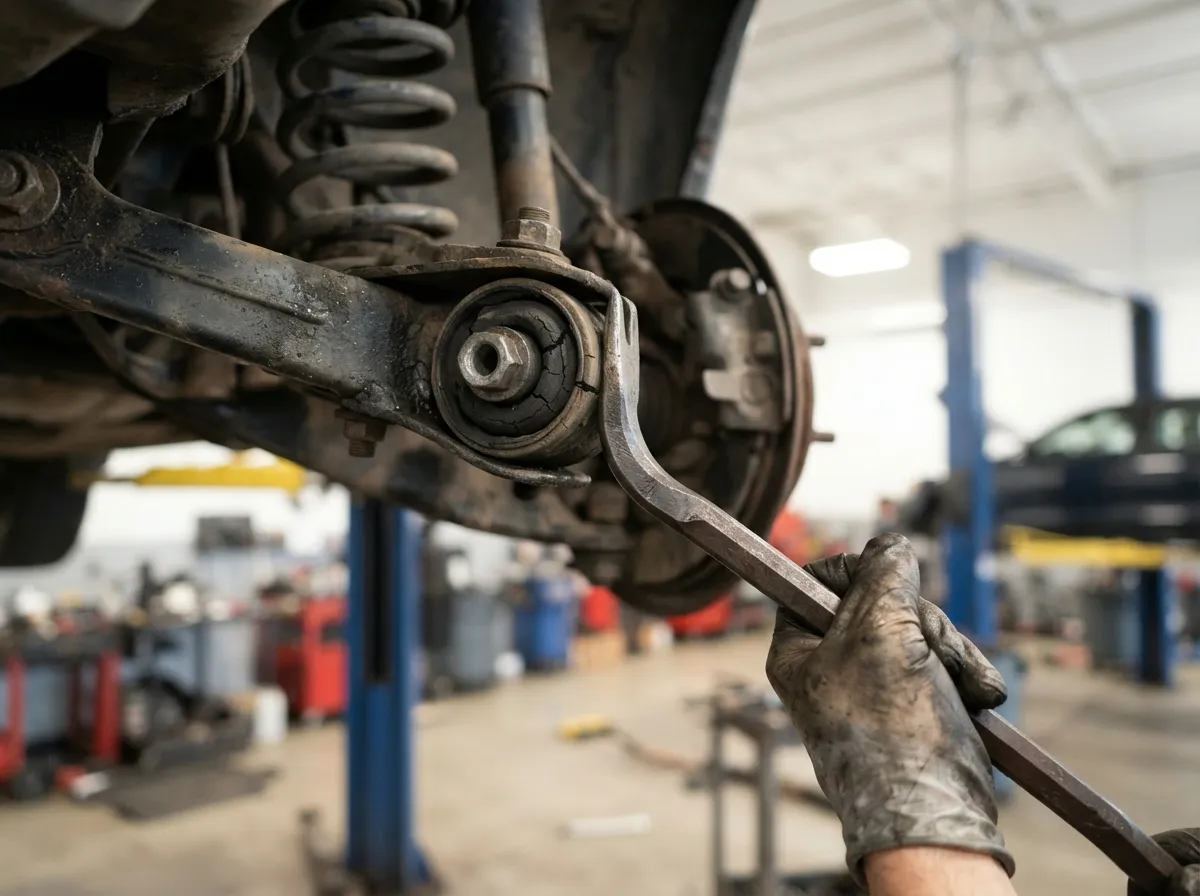
- Bad bushings. Rubber or polyurethane bushings crack, compress, or move and create squeaks or thumps.
- Loose or damaged sway bar links. They make clunks when the sway bar shifts.
- Broken springs or spring seats. A cracked spring or bad seat causes popping or squealing.
- Worn ball joints or control arm bearings. These cause clunking under load or when turning.
- Loose mounting bolts or chassis rust. Fasteners that back out let parts slap and rattle.
I mention suspension noise over bumps often because most drives report the sound as they hit potholes or speed bumps. That pattern helps narrow the cause quickly.
Common symptoms and what each sound likely means
Sound alone gives clues. Listen carefully and note when the noise happens.
Signs and likely causes:
- Creaking or squeaking when slowly driving over bumps. Often dry bushings or sway bar links.
- Loud clunk on big bumps. Likely worn shocks/struts, broken spring, or loose mount.
- Metallic rattling under load. Loose bolts, shield, or rusted parts hitting the frame.
- Popping when turning over bumps. Ball joints or control arm bushings failing.
- Hissing or bubbling after bump impact. Indicates shock or strut oil leak.
If you hear suspension noise over bumps only on one side, suspect a side-specific part like a control arm, strut, or spring. If noise is front and rear, check mounts, sway bars, or general bushings.
Diagnosing suspension noise over bumps
A step-by-step approach saves time and money. Start simple and work to complex.
Inspection and tests:
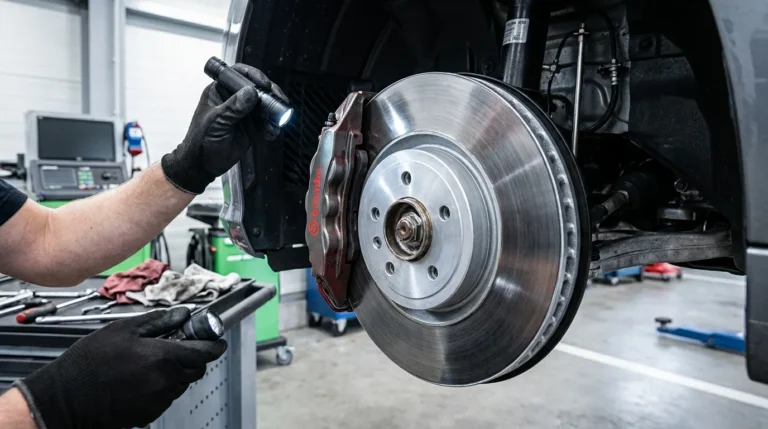
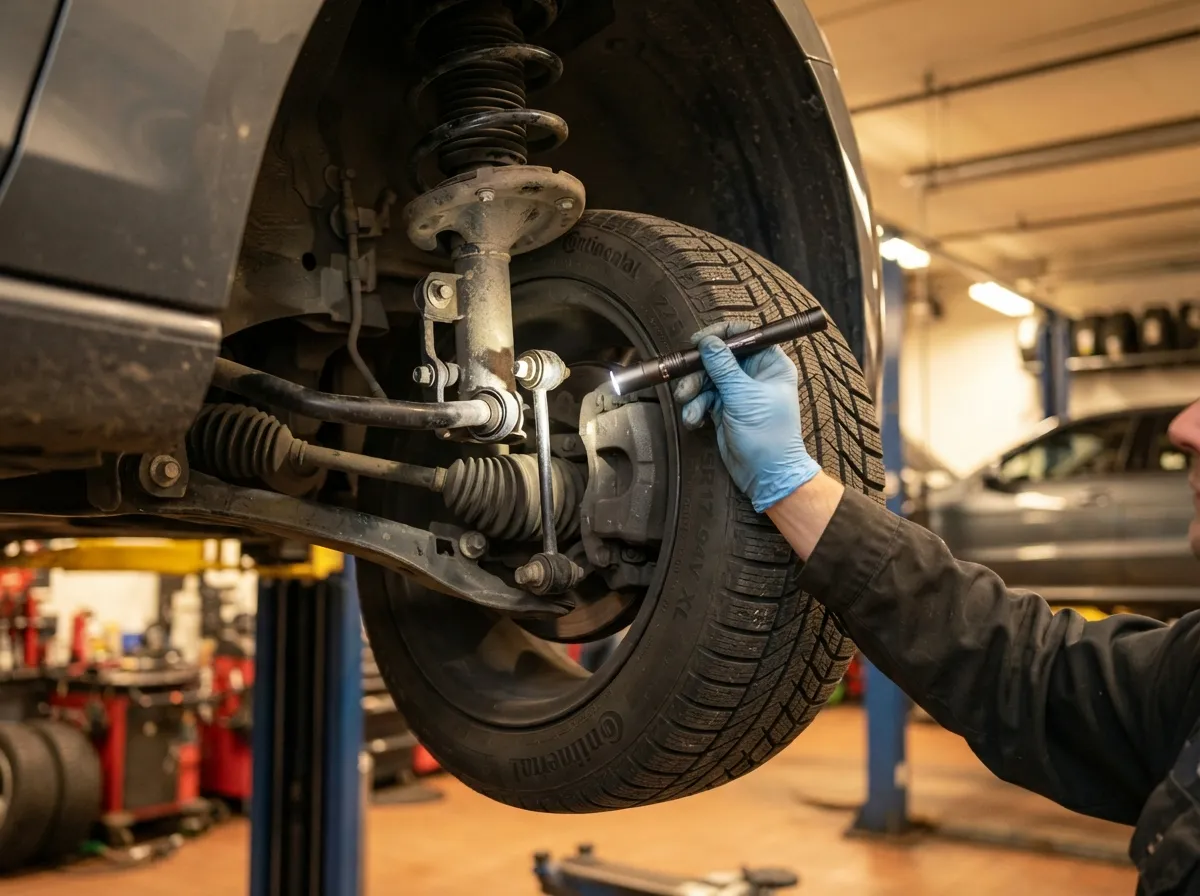
- Visual check. Look for fluid leaks, cracked rubber, rust, broken springs, and loose bolts.
- Push test. With the car parked, push each corner down. Listen for noise and watch rebound. Excessive bounce points to bad shocks or struts.
- Pry test. Use a pry bar by hand to move bushings and joints slightly. Feel for play and listen for creaks.
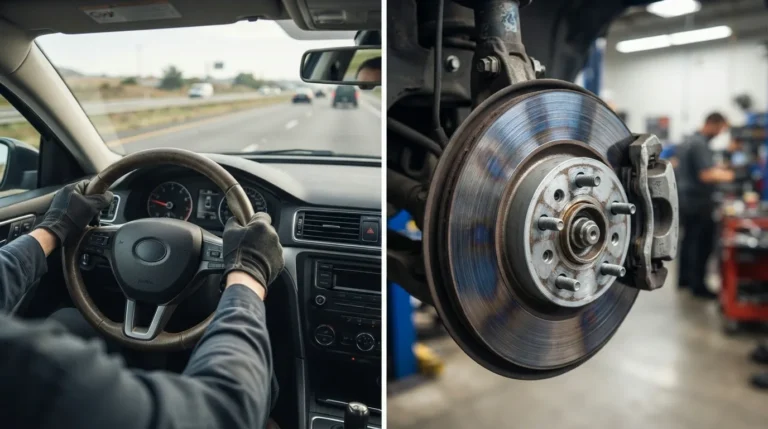
- Road test. Drive at low speed over a controlled bump. Note sound timing and side. Have a passenger listen or record sound.
- Lifted inspection. If you can safely lift the car, inspect wheel bearings, ball joints, and suspension mounts under load and with movement.
People also ask:
Will worn shocks make noise over bumps?
Yes. Worn shocks often cause loud clunks or heavy bouncing. They fail to control motion and let parts collide.
Can bad bushings cause creaks over bumps?
Absolutely. Dry or torn bushings shift and make squeaks or creaks, especially at slow speeds.
Is it safe to drive with suspension noise over bumps?
Short trips are usually safe, but avoid high speed. Persistent clunks or broken parts risk loss of control and should be checked promptly.

Repairs and solutions for suspension noise over bumps
Fixes depend on the failed part. Below are common repairs and practical steps.
Common repairs:
- Replace shocks or struts. This restores damping and often removes clunks. Replace in pairs for balance.
- Replace bushings. Swap out worn rubber or upgrade to polyurethane for longer life. Proper lubrication helps reduce squeaks.
- Replace sway bar links or bushings. Easy fix that stops lateral clunks.
- Replace ball joints or control arm bearings. Necessary if there is play or popping while turning.
- Replace springs or spring seats. If a spring is broken or the seat is worn, replace to stop metal-on-metal noise.
- Tighten or replace mounts and bolts. Often the simplest fix. Use thread locker and correct torque.
DIY vs professional:
- DIY is possible for basic swaps like sway bar links and bushings if you have tools and a jack stands. Follow torque specs.
- Professional help is recommended for pressed-in parts, alignment-sensitive replacements, or when rusted fasteners complicate the job.
Costs and timeline:
- Simple parts like sway bar links cost little and can be done in an hour.
- Shocks or struts replacement takes 1–3 hours and costs vary by vehicle and part quality.
- Control arm or ball joint replacement takes longer and may require alignment after service.
Personal note: I once ignored a faint creak for months. It turned out to be a torn front bushing that ruined the sway bar link. Fixing both at once cost more than an early bushing swap would have. Learn from that: address noise early.

Preventive maintenance and best practices
Regular care prevents many causes of suspension noise over bumps. Small steps save headaches.
Recommended actions:
- Inspect suspension at oil changes. Look for leaks, cracked rubber, and loose bolts.
- Keep parts greased where applicable. Squeaks often come from dry joints and bushings.
- Replace worn parts in pairs. Balancing front or rear keeps handling even.
- Maintain correct tire pressure and wheel alignment. Bad alignment stresses suspension parts.
- Avoid repeated rough impacts. Slow down for potholes and use good driving lines.
- Use quality parts. Cheap components can fail early and create noise.
I check suspension during seasonal tire swaps. A quick look uncovers worn bushings before they clunk on the highway. Small inspections cut repair bills later.
Frequently Asked Questions of suspension noise over bumps
What is the most common cause of suspension noise over bumps?
Worn bushings and failing shocks or struts are the most common causes. They let parts move or rub and create creaks or clunks.
How do I tell if the noise is from the front or rear suspension?
Note which corner of the car the sound is strongest from during a road test. Have a passenger listen or use your phone to record while driving over a bump.
Can I drive with a clunking suspension?
Short, careful trips are usually okay, but clunking indicates weakened components that could worsen. Get it inspected soon to avoid larger failures.
Will an alignment fix suspension noise over bumps?
Alignment affects wear and handling but won’t stop noises from worn parts. Fix the noisy components first, then align to prevent recurrence.
Are aftermarket parts better for stopping suspension noise over bumps?
Quality aftermarket parts can be equal or better than OEM if chosen carefully. Look for parts with good reviews and proper fit.
Conclusion
Suspension noise over bumps is usually a sign of wear, loose parts, or lack of lubrication. Start with a visual check, do simple tests, and replace worn components early to avoid bigger costs. Take action: inspect your suspension, note the sound and side, and schedule repairs if you find play or leaks. If unsure, have a trusted mechanic diagnose the issue and recommend safe repairs. Share your experience below or subscribe for more hands-on tips and guides.