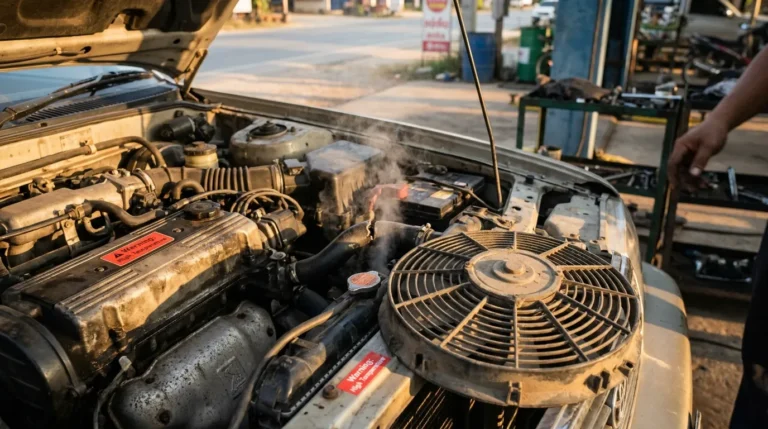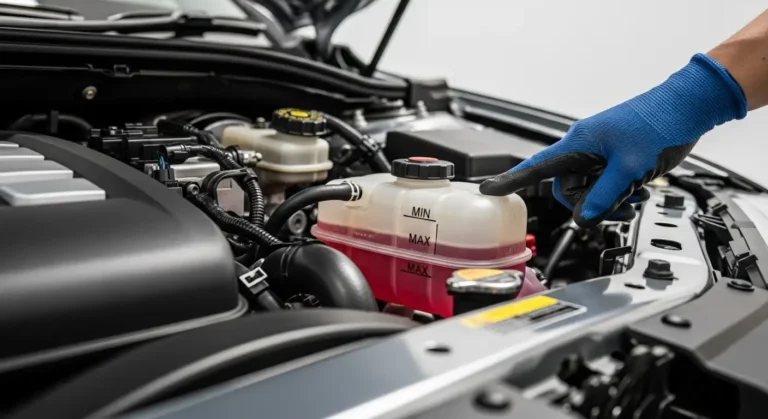

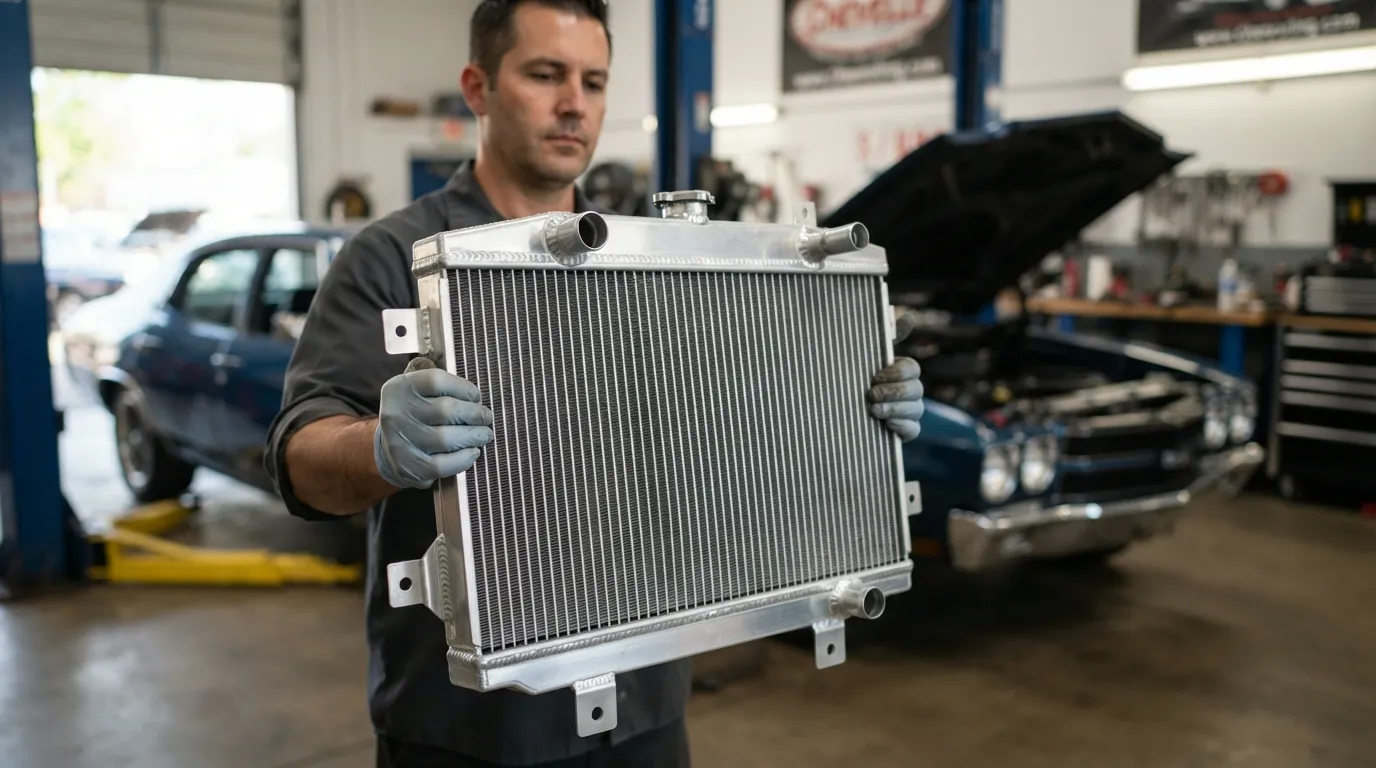
On a car with high mileage, the radiator is a common failure point. Plastic tanks get brittle with years of heat, seams start to seep, and the core can clog inside. When that happens, replacing the radiator is usually the right fix.
Radiators are made for specific vehicles, so this guide explains how to choose one and what to replace at the same time, rather than linking a single product.
What you’ll learn
- Signs your radiator needs replacing
- Repair or replace
- What to look for in a new radiator
- What to replace with it
Quick answer
The best radiator for a high mileage car is usually a direct-fit, OE-style replacement made for your exact vehicle, from the carmaker or an established brand such as Denso, Spectra Premium or TYC. An all-aluminum performance radiator is only worth it for towing, hot climates or modified engines. Replace the hoses, cap and thermostat if they are old, refill with the coolant type your manual specifies, and bleed out the air.
Never open a hot cap
Coolant in a hot engine is under pressure and can spray out near boiling. Wait until the engine is cool before opening the radiator or reservoir cap.
In this article
Signs your radiator needs replacing
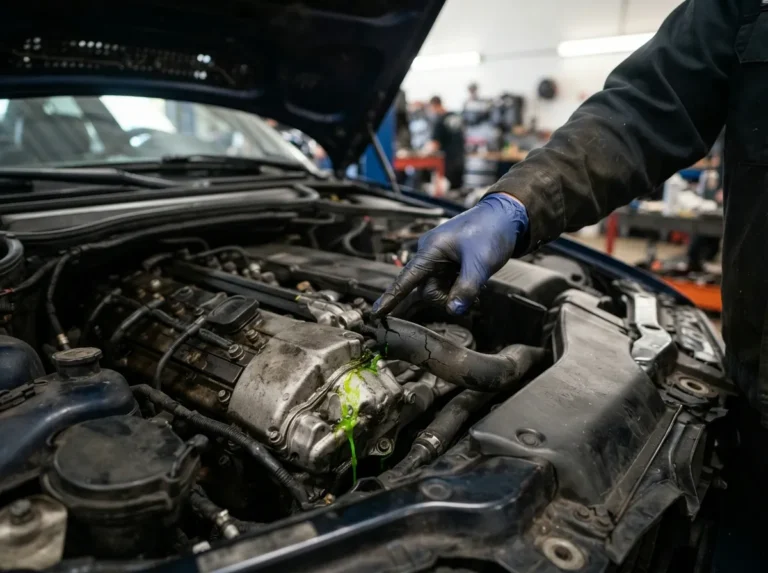
- Coolant puddles or crusty white, green or pink deposits on the tanks or core.
- Cracks along the plastic tank seams.
- The temperature gauge climbing in traffic or on hills (see car overheating at idle).
- Rusty or sludgy coolant, or bent and corroded fins.
- A low coolant level you keep topping up.
Repair or replace?
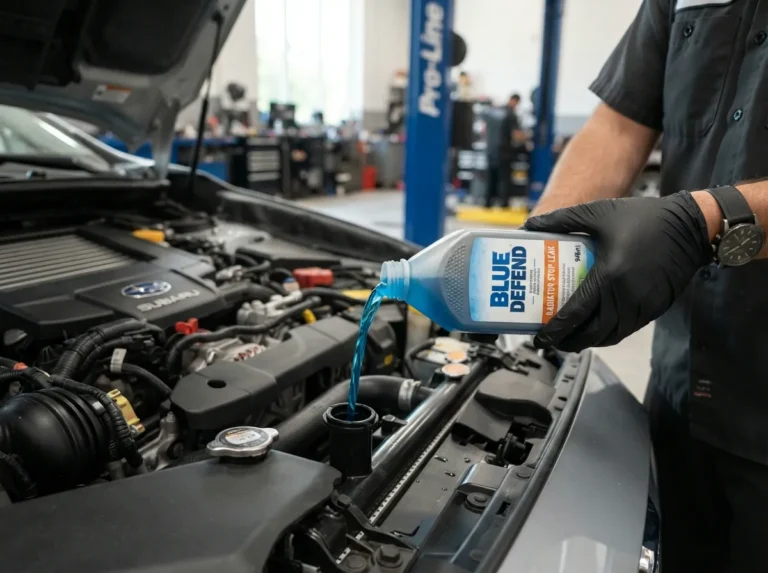
A small seep can sometimes be slowed with a sealer (see radiator stop leak), but on an older radiator that is usually a stopgap. Cracked plastic tanks, leaking seams and clogged cores are normally replaced, not repaired. A new aftermarket radiator often costs less than a professional repair of the old one.
What to look for in a new radiator
- Exact fit. Match the year, engine and transmission. Automatic cars often have a transmission cooler built into the radiator tank.
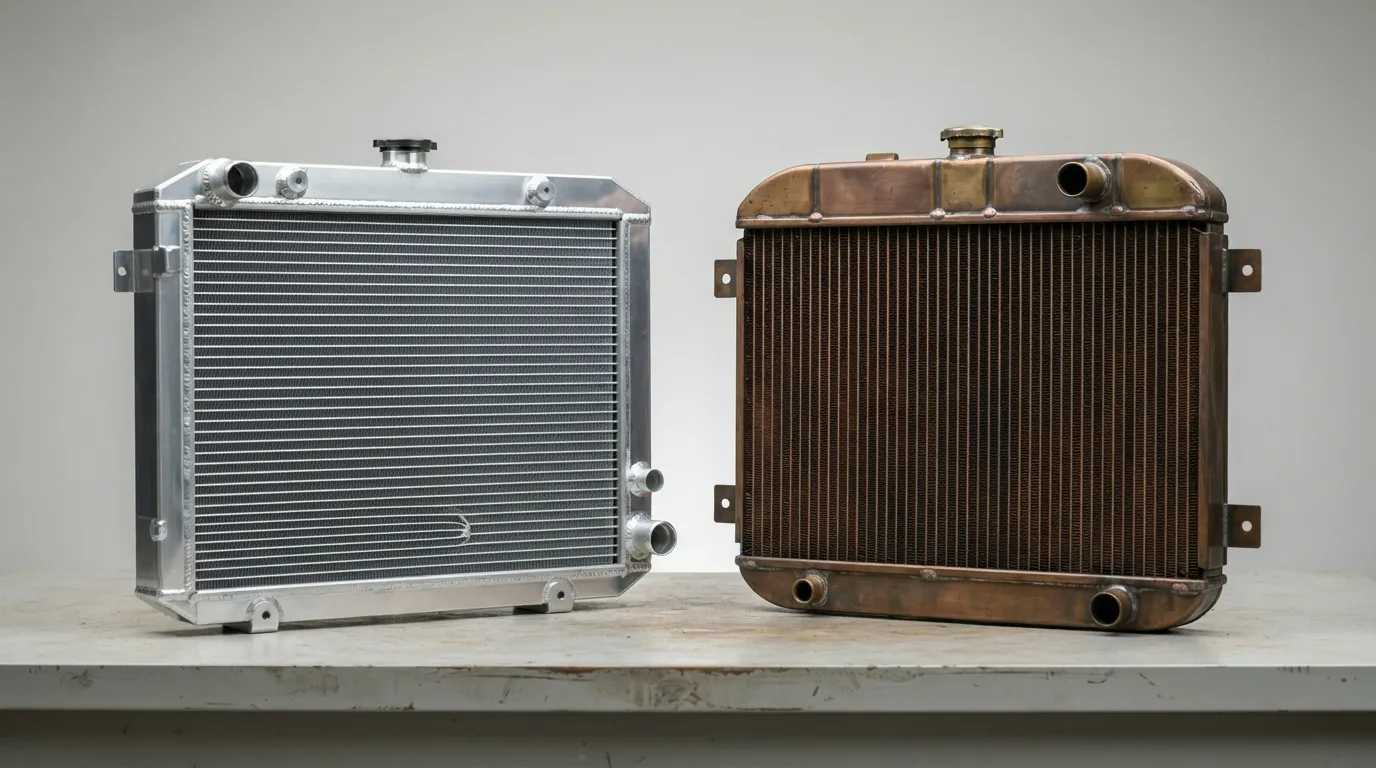
- OE-style construction. Most modern cars use an aluminum core with plastic tanks. A good-quality OE-style unit is right for normal driving.
- All-aluminum. Welded aluminum tanks resist cracking and suit towing or high heat, but cost more and are not needed for most daily drivers.
- Core thickness and rows. Match or slightly exceed the original; more is not always better if it restricts air flow.
- Warranty and brand. Look for a known brand with a clear warranty.
See aluminum vs plastic radiator for a full comparison.
Brands to look for
We do not link single radiators here because each fits only certain vehicles. Established names include the carmaker’s own part, Denso (an original-equipment supplier to many Japanese brands), Spectra Premium, TYC, CSF and, for all-aluminum performance radiators, Mishimoto. Check the exact fit for your vehicle with each brand’s lookup.
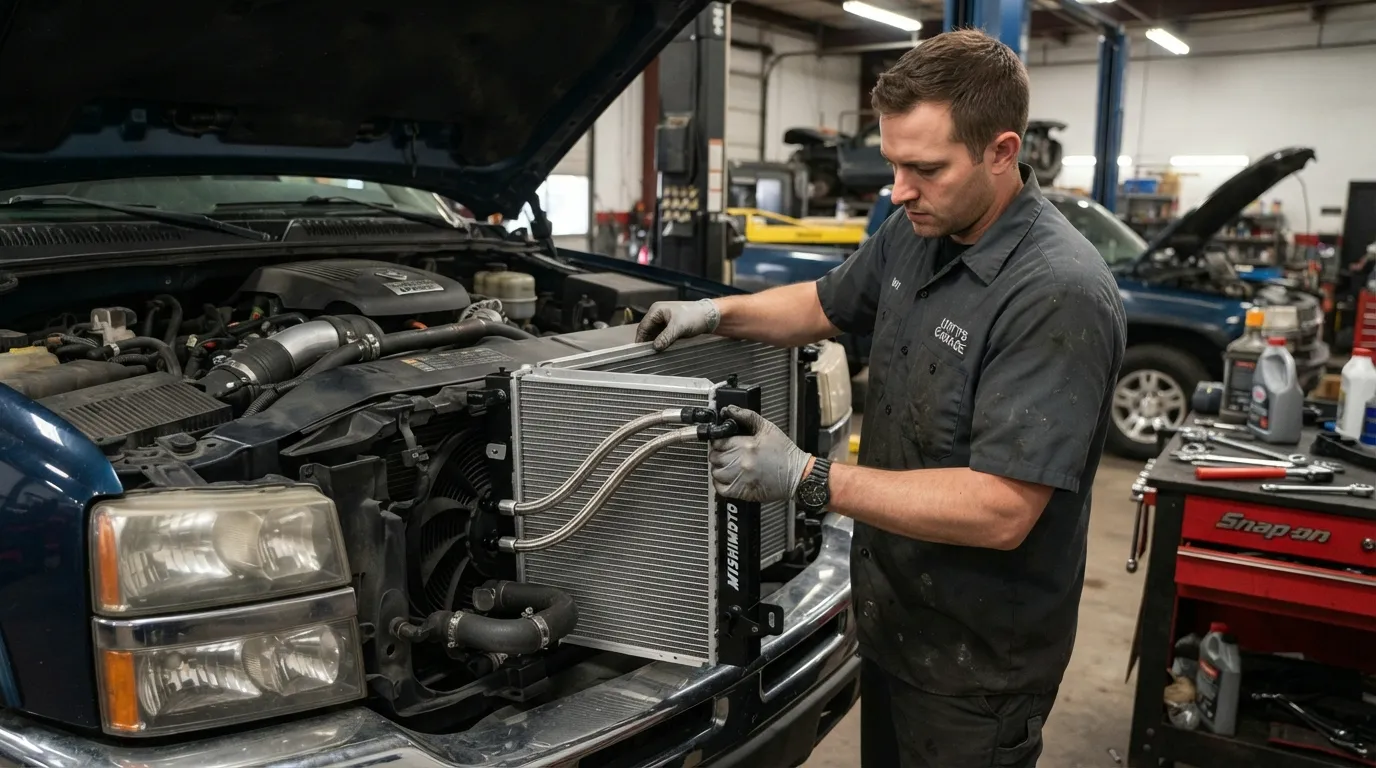
What to replace with the radiator
- Radiator hoses if they are hard, cracked or swollen.
- Radiator or reservoir cap: a weak cap lowers the boiling point.
- Thermostat if it is original or the car ran hot (see bad thermostat symptoms).
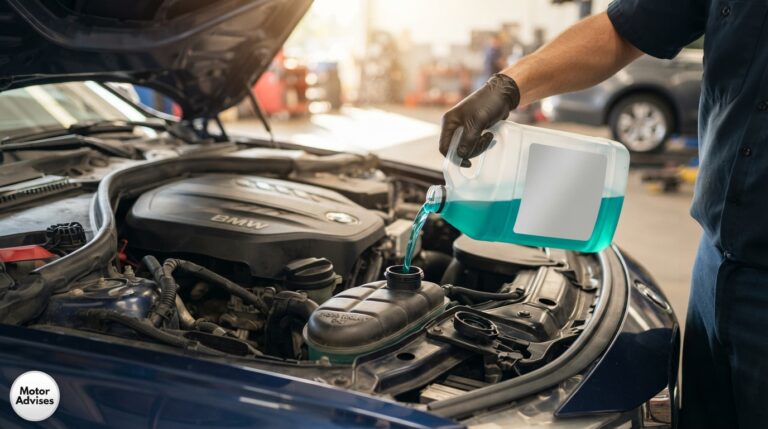
- Coolant: flush and refill with the type in your owner’s manual (see choosing the right coolant and how often to change coolant).
After filling, bleed the air out of the system as the service manual describes. A spill-free funnel makes this much easier on most cars.
A tool that helps
How we chose: We have not tested this tool ourselves. We chose a universal tool for refilling and bleeding the cooling system, based on what the maker lists, and we checked the Amazon listing on November 17, 2026: in stock, rated 4.3 stars or higher, with at least 500 ratings.
1. Lisle 24680 Spill-Free Funnel

A funnel that locks onto the radiator or reservoir neck with adapters, so you can fill coolant and let air bubbles escape without spilling.
Why it’s a good pick
- Helps bleed air after a refill
- Fits many vehicles with the included adapters
- From a long-established tool maker
Keep in mind
- Some vehicles need an extra adapter
- Use it only on a cool engine