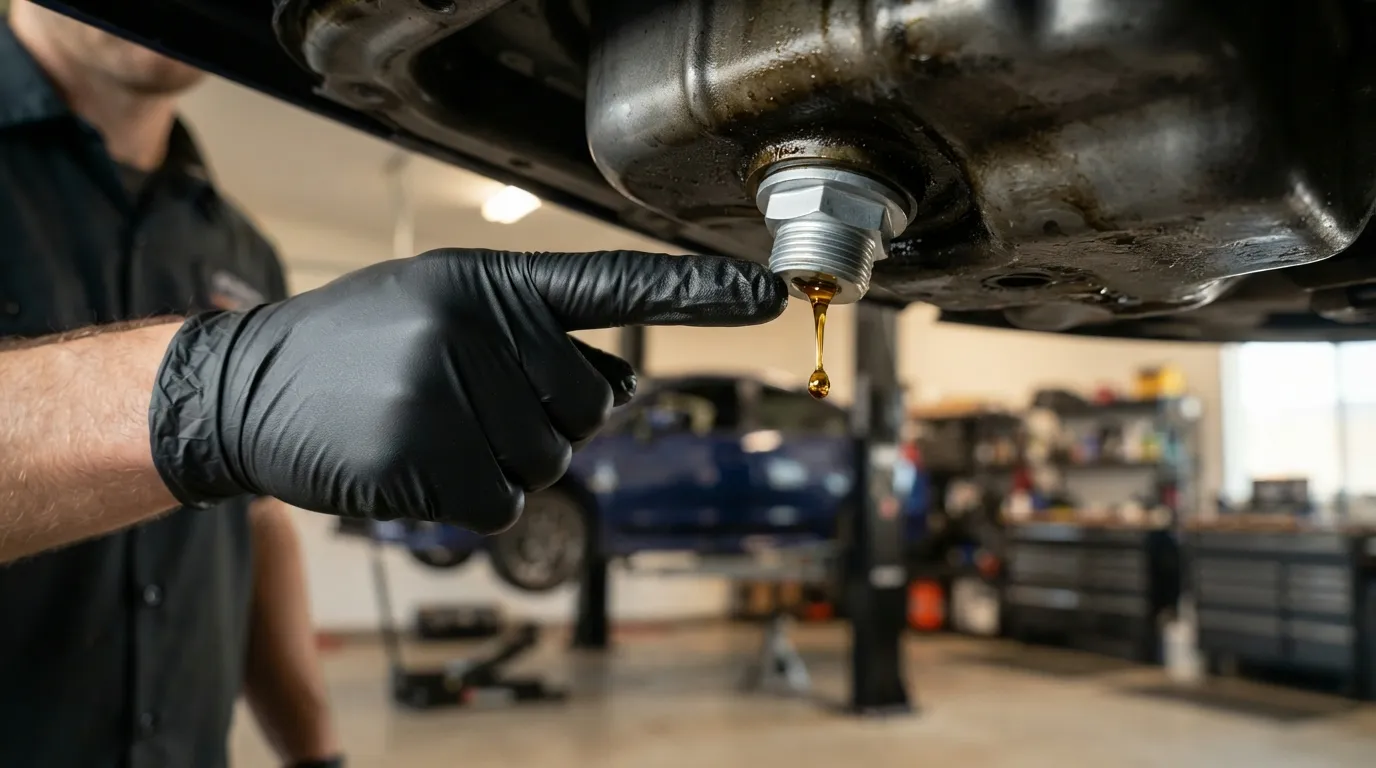
An engine oil leak after oil change often means a loose drain plug, bad gasket, or damaged filter.
I’ve worked on cars and written about vehicle care for years. In this guide I explain why an engine oil leak after oil change happens, how to find it, what to do right away, repair choices, and how to prevent it next time. I use plain language, real tips from the shop floor, and clear steps you can follow yourself. Read on to learn how to spot a problem fast and avoid costly engine damage.
Why an engine oil leak after oil change happens
There are a few common reasons you see an engine oil leak after oil change. Most leaks come from parts disturbed during service. A loose drain plug or a misinstalled oil filter causes many fresh-change leaks.
Other causes include old or crushed gaskets, a torn washer, stripped threads, or a cracked oil pan. Sometimes the wrong filter or oil grade creates pressure or fit issues that show up as leaks. Less often, the leak reveals pre-existing damage that the oil change simply exposed.
How to spot and diagnose an engine oil leak after oil change
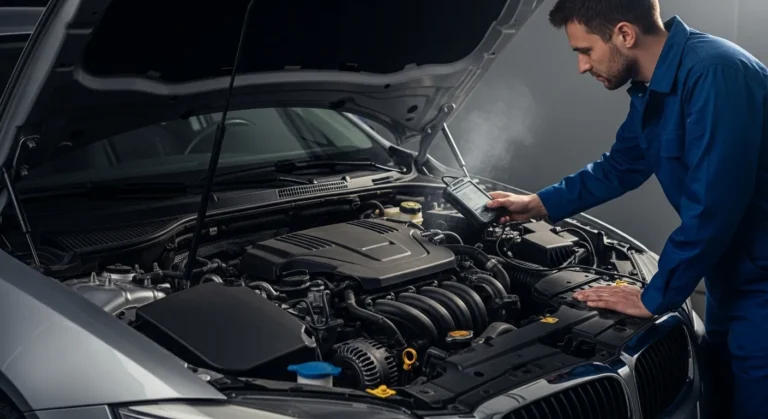
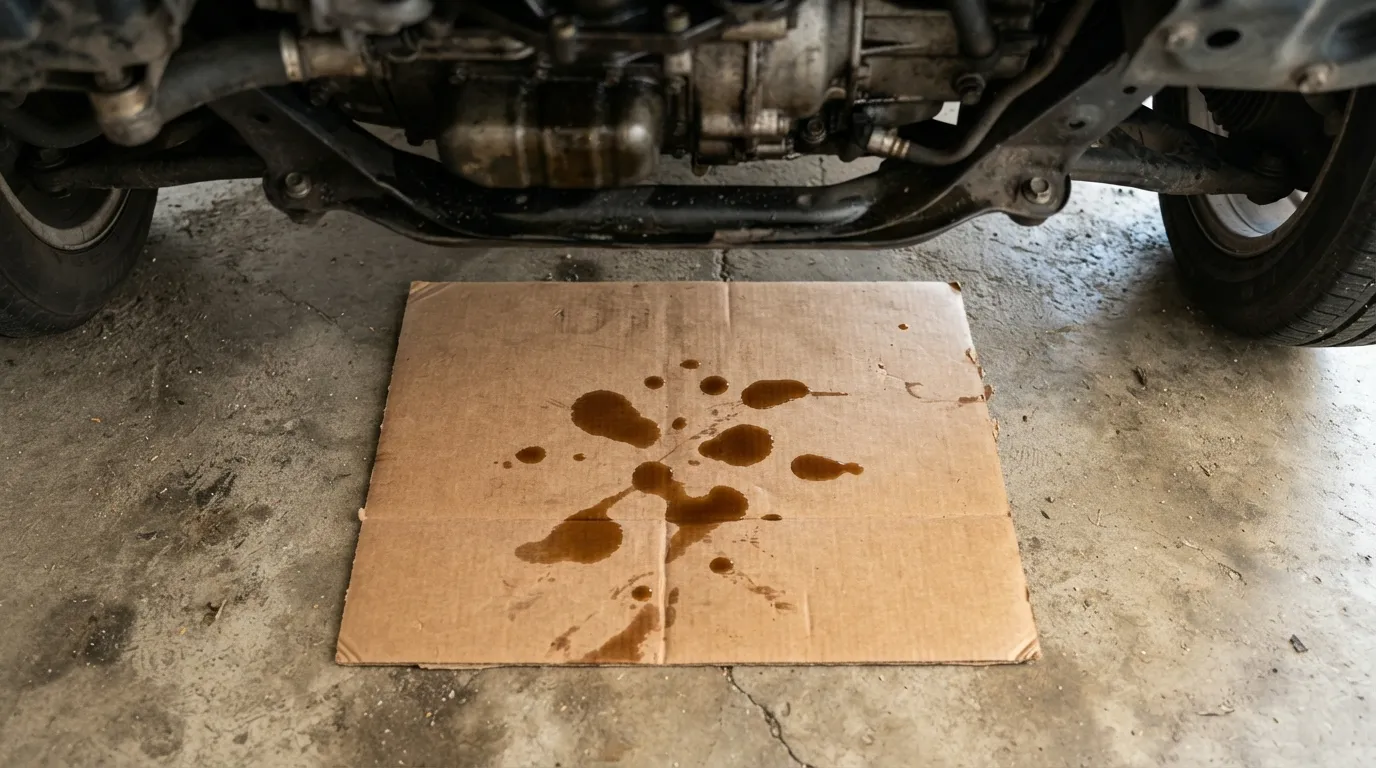
Start with a visual check under the car. Look for fresh oil on the ground, wet spots on the engine, or oil splashed on components near the filter or oil pan. Smell can help too: burning oil gives a sharp odor and may show as smoke.
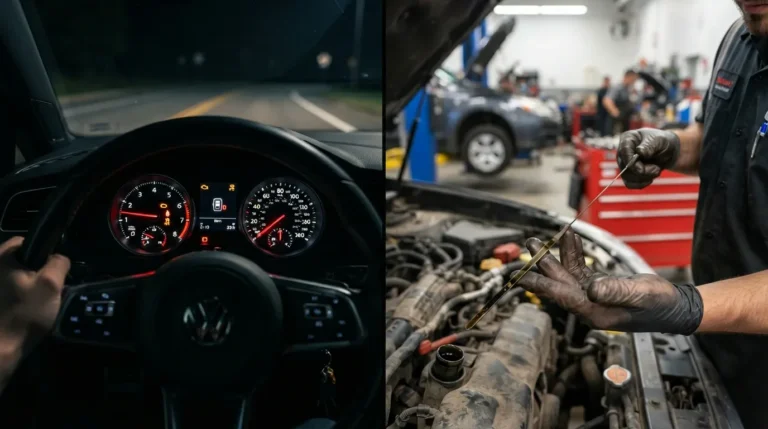
Check the oil level on the dipstick. If it drops quickly after the change, you likely have a major leak. Use a clean rag or cardboard under the car overnight to catch drips and narrow the leak point. A UV dye and lamp can also reveal slow leaks.
Why do I see oil spots right after an oil change?
New oil settles and can drip from loose parts or the filter if not sealed. A single spot usually means a small drip; many spots or a trail suggest a larger leak.
Can I drive with a small oil leak after an oil change?
Short drives at low speed may be safe if the oil level is okay, but check the dipstick often. Driving while the oil light is on or with heavy leakage risks engine damage.

Common leak locations and parts to check
- Drain plug and washer – A loose plug or missing/crushed washer is a top cause of an engine oil leak after oil change.
- Oil filter and sealing O-ring – If the filter isn’t tightened or the O-ring is damaged, oil will leak at the housing.
- Oil pan gasket – Old gaskets can deform and leak after the pan is disturbed.
- Valve cover gasket – While less common after a change, valve cover leaks may appear when oil is added.
- Oil pressure sensor or cooler lines – These small parts can be nudged or cracked during service.
- Threads and housings – Stripped threads on the oil pan or filter housing cause persistent leaks.
Check each item visually and by touch (when cool). Tighten parts to spec and replace washers or gaskets if they look flawed.
Immediate steps to take if you find an engine oil leak after oil change
- Park on a flat spot and turn off the engine. This prevents oil loss and reduces fire risk.
- Check the oil level on the dipstick and top off if low to safe range.
- Inspect drain plug and filter for visible oil and loose fit. Tighten to spec if you can.
- If you spot heavy leaking, do not drive; get the car towed to a shop.
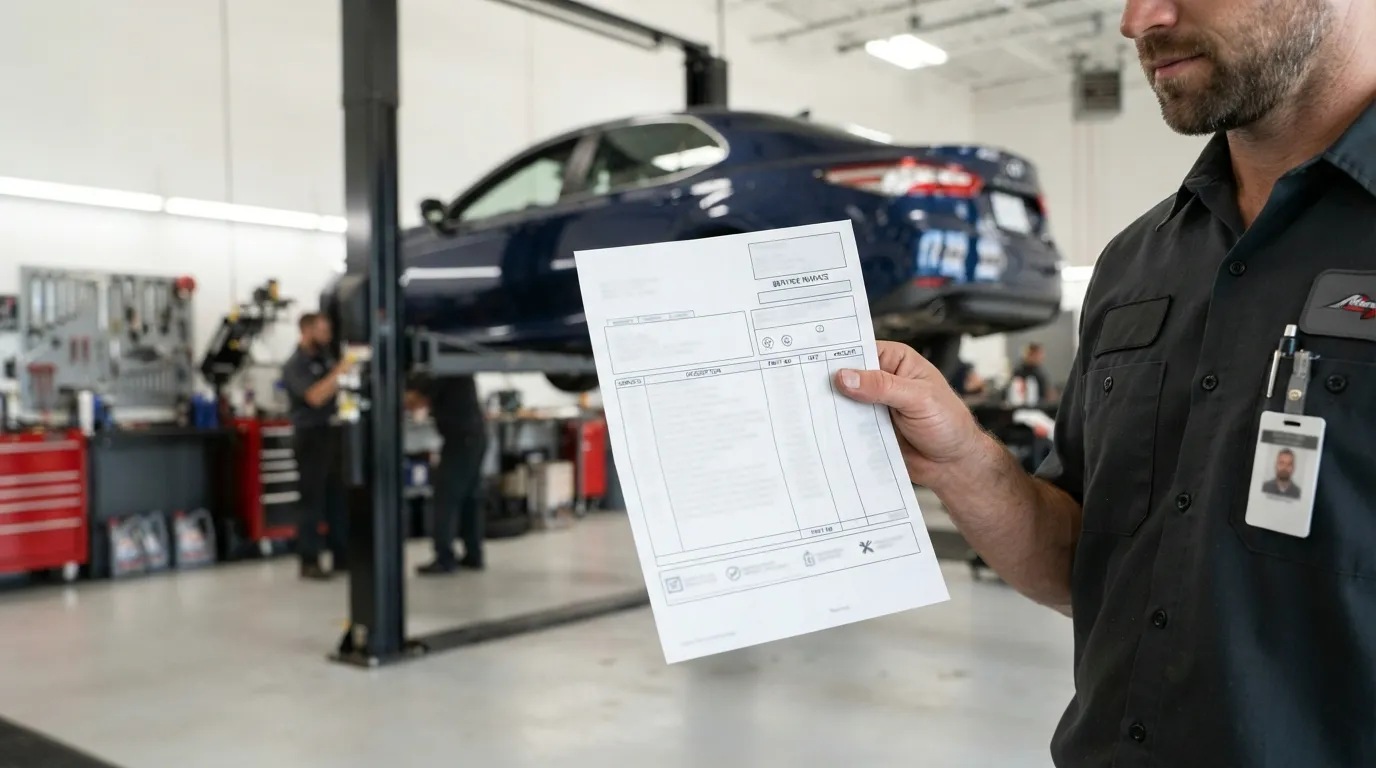
- Keep the receipt and note the time of the oil change. Many shops fix post-service leaks under warranty.
Act fast. Small leaks can become big problems in a short time.
Repair options and expected costs for an engine oil leak after oil change
Simple fixes often cost little. Replacing a drain plug washer or properly seating the filter is cheap and quick. Expect $10–$50 in parts and a small labor charge if a shop handles it.
Gasket or oil pan repairs cost more. A valve cover or oil pan gasket job can run $150–$600 depending on labor. Major repairs like a cracked oil pan, thread repair, or oil cooler work cost more. If the leak started immediately after a professional oil change, many shops will fix it at no extra charge within 24–48 hours.
Personal note: I once had a car leak after a quick-change shop visit. They re-torqued my plug and replaced a crushed washer for free. The fix took minutes and saved me from a tow.
Preventing an engine oil leak after oil change
- Use the right parts – the correct oil filter and drain plug washer prevent fit issues.
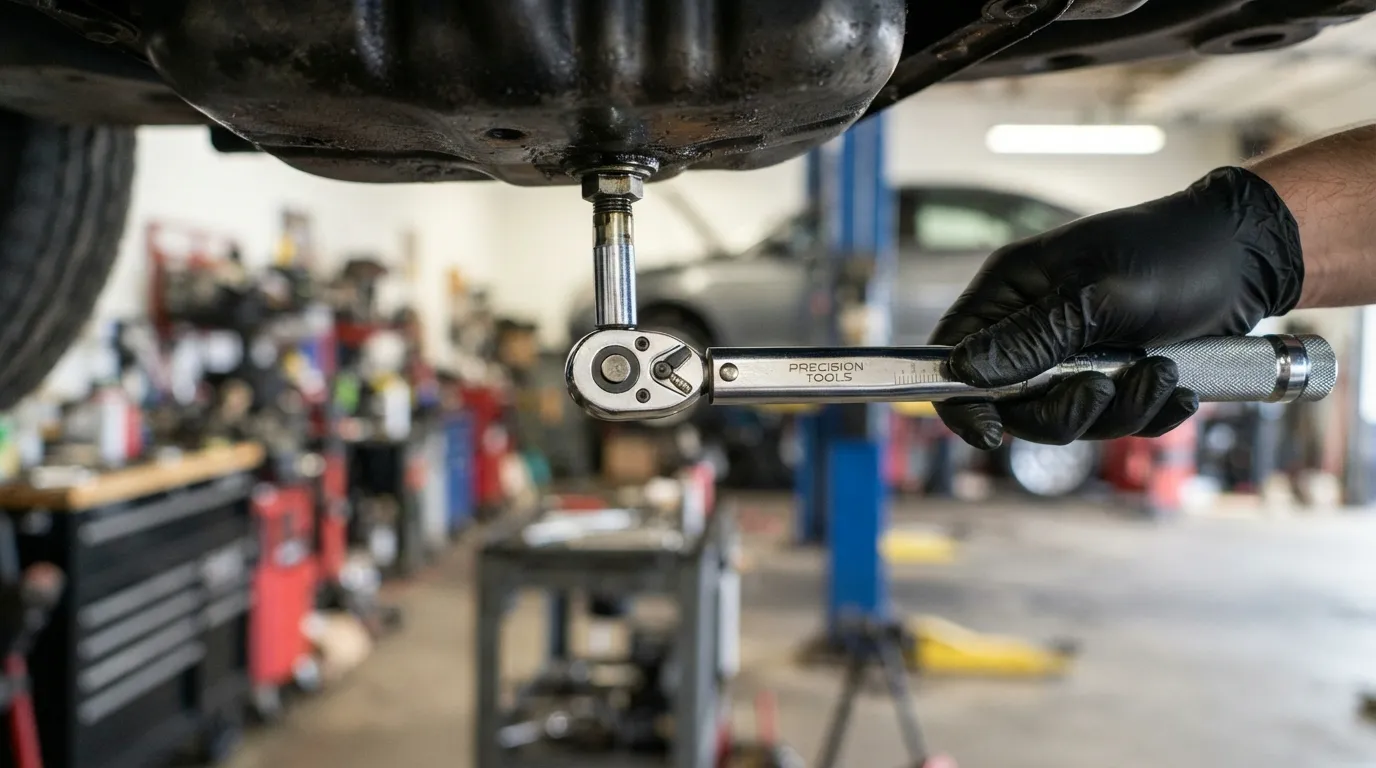
- Torque to spec – overtightening or under‑tightening causes leaks or damage. Use a torque wrench if possible.
- Inspect gaskets and threads – replace worn gaskets and check for stripped threads before finishing the job.
- Clean mating surfaces – dirt or old gasket material prevents a proper seal.
- Hand-tighten then follow the recommended final torque for filters and plugs.
- Keep receipts and service notes – a good shop documents torque values and parts used.
A careful swap beats a messy fix later.
When to see a mechanic or tow your car
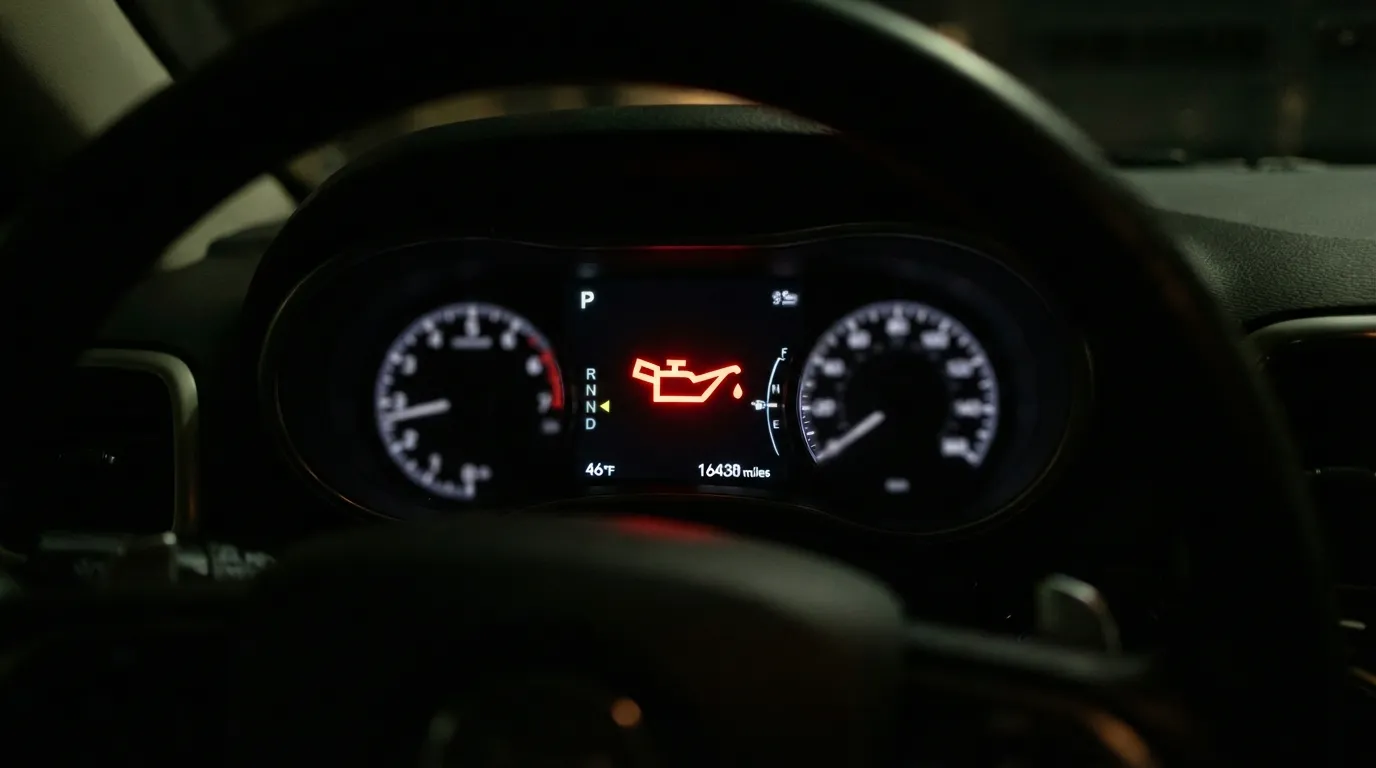
Seek help immediately if you find any of the following after an engine oil leak after oil change:
- The oil level is falling fast or the dipstick shows low oil.
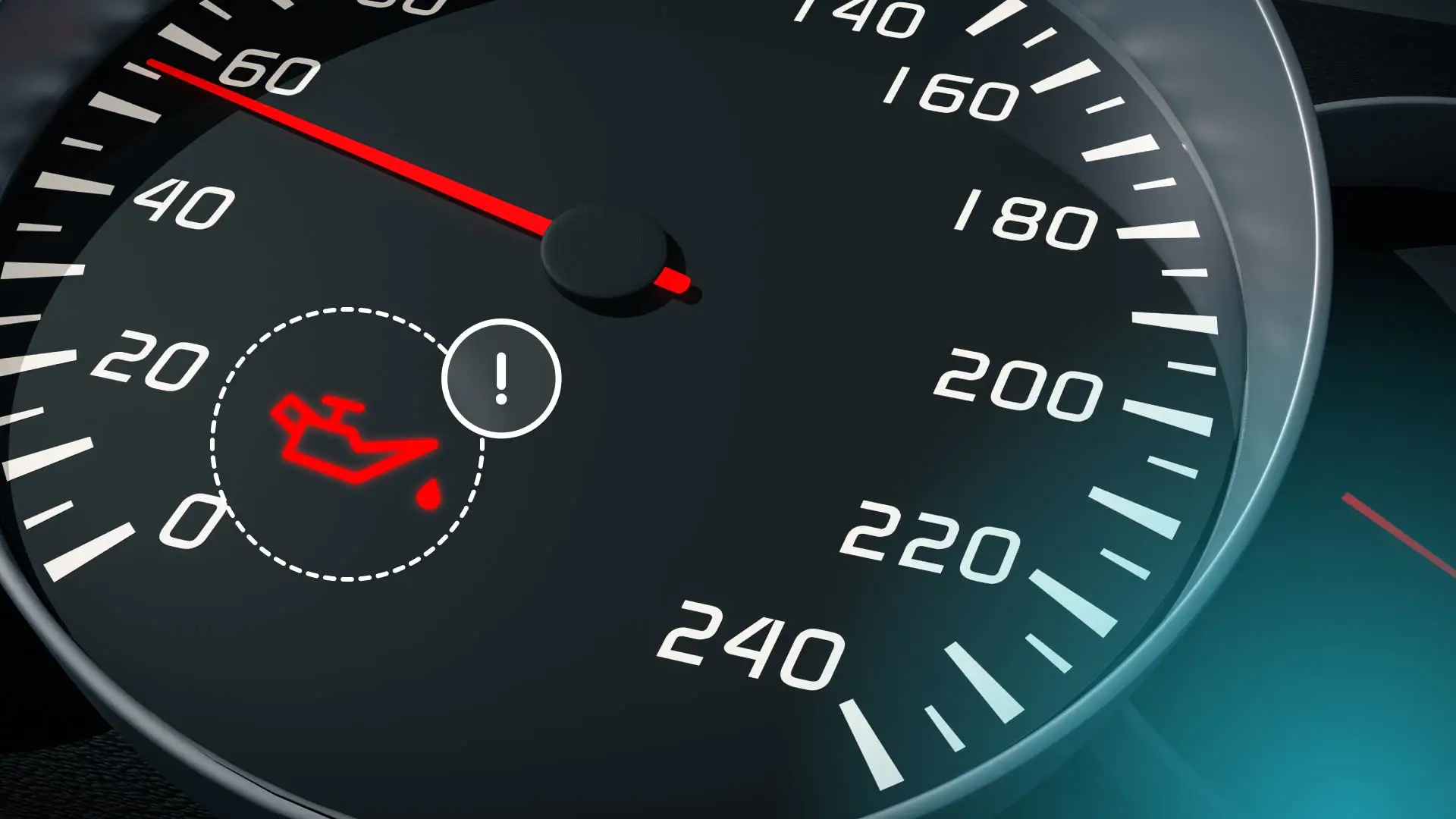
- The oil pressure warning light comes on.
- You see smoke or strong burning oil smell.
- Large puddles or streams of oil form under the car.
- The engine runs roughly or overheats after the leak.
Towing avoids driving with inadequate oil, which can ruin an engine in minutes.
Frequently Asked Questions of engine oil leak after oil change
What is the most common cause of an engine oil leak after oil change?
A loose drain plug or improperly seated oil filter is the most common cause. These parts are handled during every oil change and can be missed.
Can a bad oil filter cause an engine oil leak after oil change?
Yes. A damaged or misinstalled oil filter or its O-ring can let oil escape immediately after a change.
How long after an oil change will a leak typically show up?
Most leaks appear right away or within a few drives. Some slow leaks may take a day or two to be noticeable.
Will topping off the oil stop a leak after oil change?
Topping off raises the level but does not stop the leak. It prevents damage short-term while you arrange a repair.
Should I return to the shop if I find an engine oil leak after oil change?
Yes. Many shops repair post-service leaks at no cost if you return promptly and show proof of service.
Conclusion
An engine oil leak after oil change is usually fixable and often caused by something simple like a loose plug or filter. Check the dipstick, inspect the drain plug and filter, and top off oil if needed. If the leak is heavy, have the car towed and repaired quickly to avoid engine damage. Take action now: inspect your recent oil change, keep service records, and contact your shop if you suspect a leak. Share your experience or ask a question below to get more tips or real-world advice.