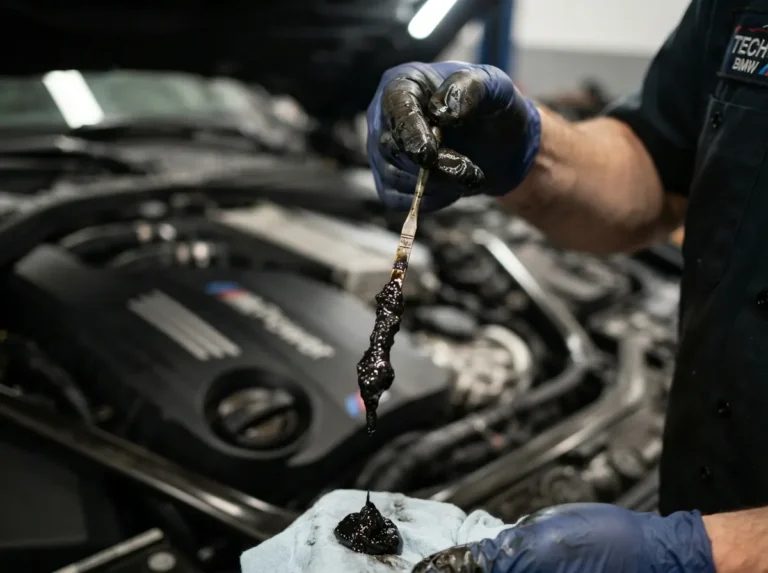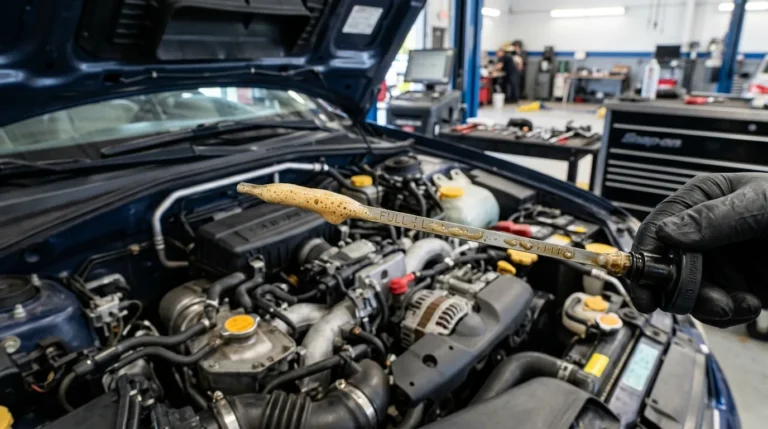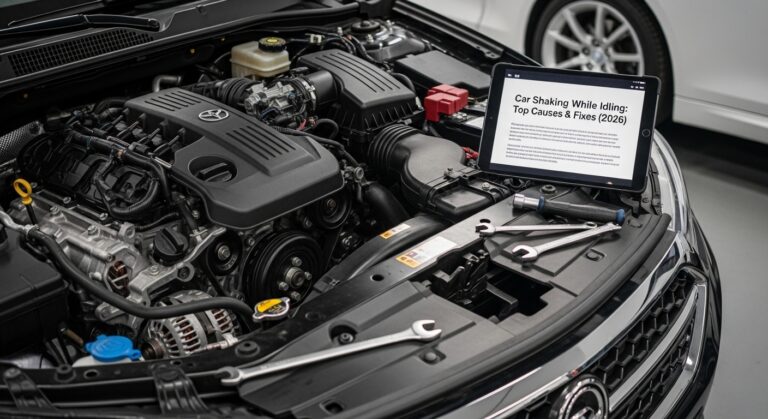
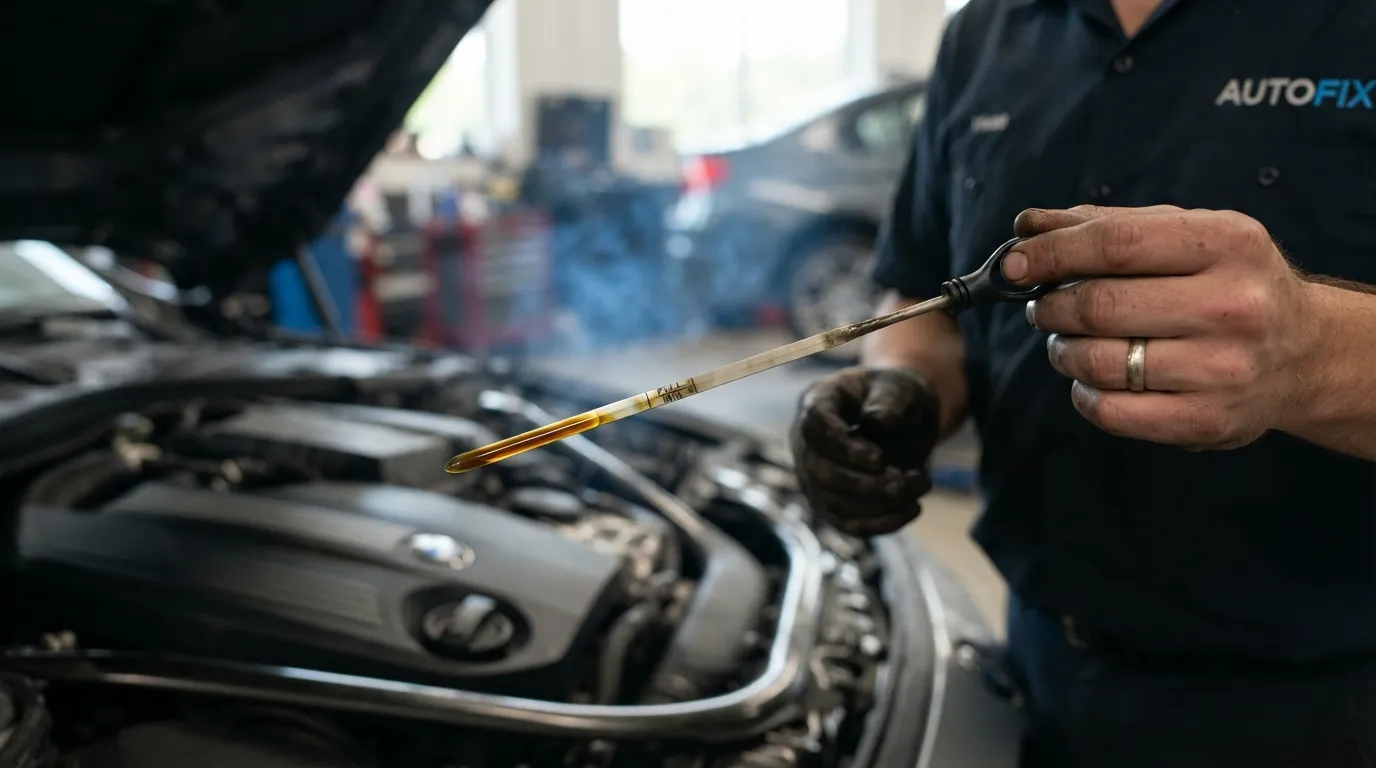
Blue smoke, low oil on the dipstick, and a burning oil smell are classic engine oil consumption symptoms.
I’ve spent years diagnosing and fixing engines, so I know how worrying oil use can be. This guide will walk you through the most common engine oil consumption symptoms, what causes them, how to diagnose the issue, and practical fixes you can try. Expect clear steps, real-world tips from my shop experience, and simple checks you can do today to spot problems early and avoid costly repairs.

What are engine oil consumption symptoms?
Engine oil consumption symptoms show when your engine is burning or losing oil faster than normal. These signs often appear gradually. Catching them early saves money.
Common symptoms include:
- Low oil level on the dipstick even after regular fills.
- Blue or gray exhaust smoke, especially on startup or acceleration.
- Strong burning oil smell inside or outside the car.
- Fouled spark plugs with oily deposits.
- Oil leaks under the car or visible oil on the engine.
- Frequent need to top off oil between services.
Each symptom points to different problems. Blue smoke usually means oil is burning in the combustion chamber. A dipstick that drops fast may mean internal consumption or an external leak. Knowing the difference helps you act fast. engine oil consumption symptoms often overlap, so look for several signs together. This gives a clearer diagnosis.
Common causes of engine oil consumption symptoms
Understanding causes helps plan a fix. Here are the main culprits.
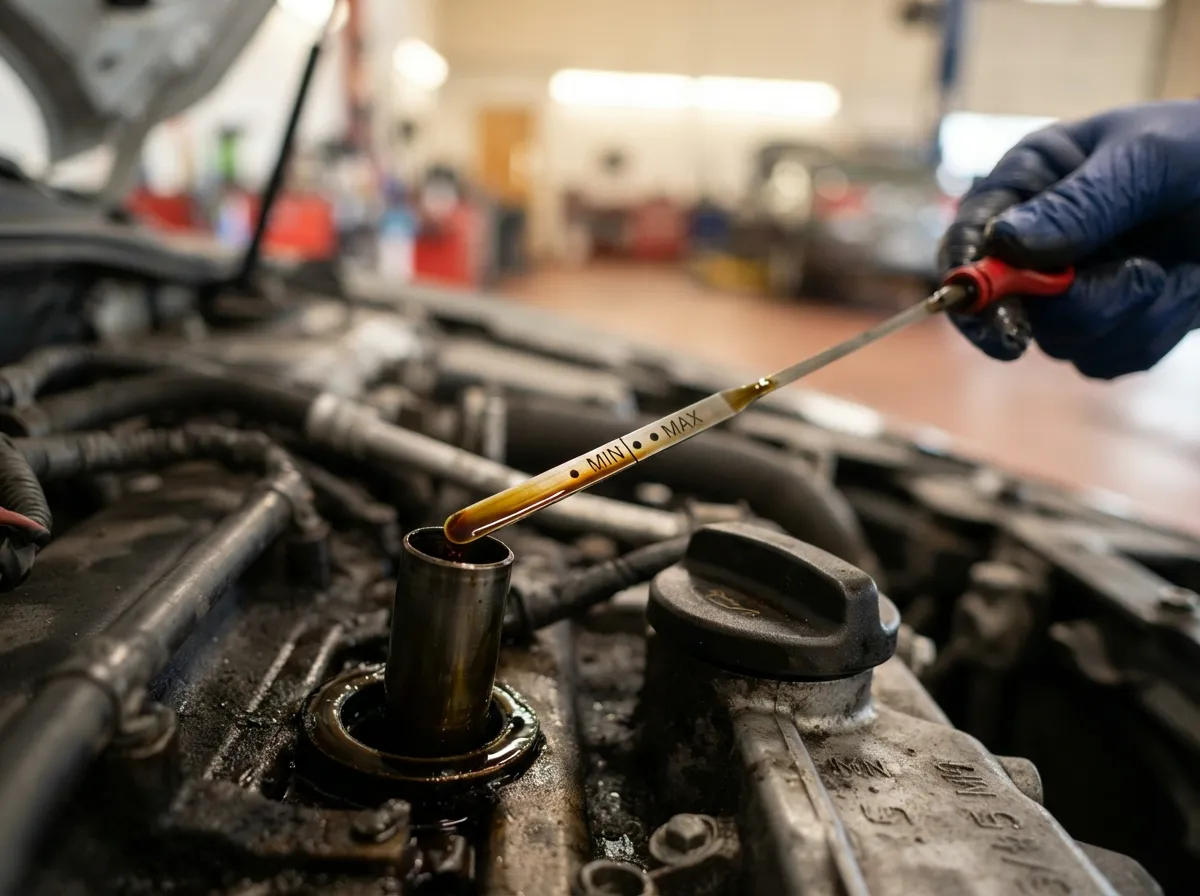
- Worn piston rings or cylinder walls
- Allows oil to pass into the combustion chamber and burn.
- Common in high-mileage engines or engines with poor maintenance.
- Damaged or worn valve seals and guides
- Let oil drip into cylinders when the engine rests.
- Shows as more oil use after sitting or on cold starts.
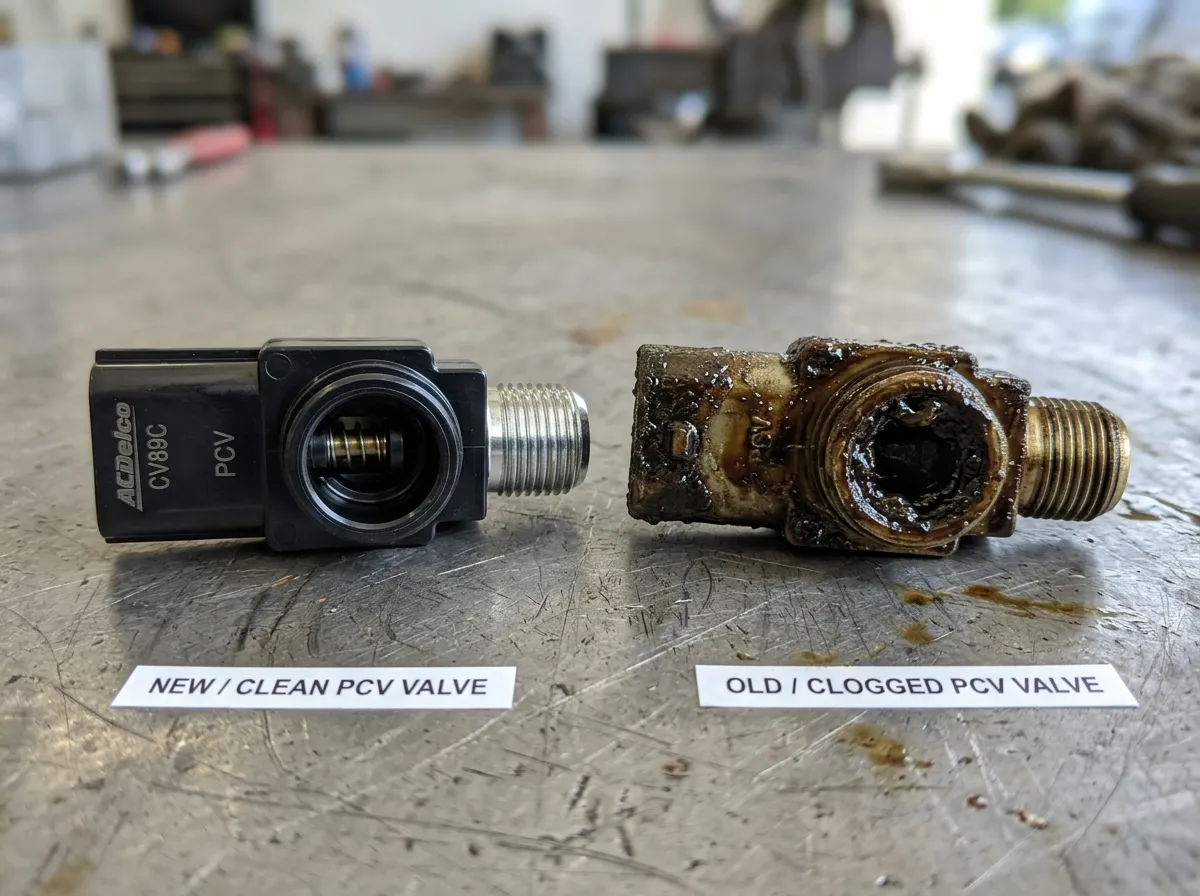
- Faulty PCV (positive crankcase ventilation) system
- Bad PCV can pull oil into the intake and burn.
- Often causes rough idle and oil consumption together.
- Turbocharger problems
- Turbo seals can leak oil into intake or exhaust.
- Leads to blue smoke under boost and rapid oil loss.
- External leaks (gaskets, seals, oil pan)
- Oil pools under the car or splashes on the engine.
- Not all low-oil symptoms come from burning oil.
- Wrong oil grade or poor-quality oil
- Oil that is too thin can be consumed faster.
- Using incorrect viscosity accelerates wear and leaks.
- Driving habits and engine strain
- Short trips, heavy tow loads, and high RPMs increase oil use.
- Neglecting warm-up or frequent idling can worsen consumption.
Most cars show engine oil consumption symptoms for a mix of reasons. In my experience, worn rings plus a weak PCV system are a common combo, especially on cars without regular oil changes.
How to diagnose oil consumption problems
Diagnosing early saves you money. Use these steps from simple checks to professional tests.
Basic checks you can do now:
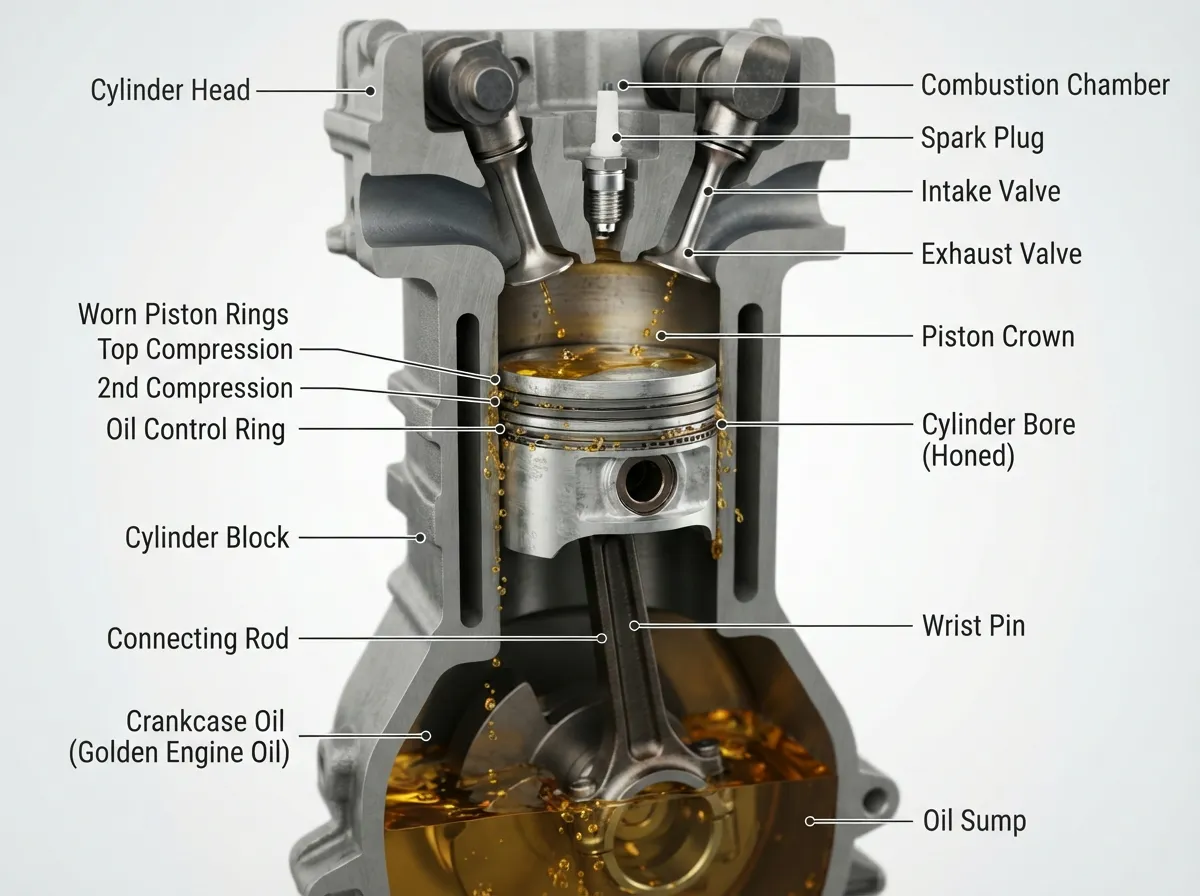
- Check oil level weekly with a cold engine on level ground.
- Inspect under the car for fresh oil spots.
- Look at the exhaust during cold start for blue smoke.
- Smell for burning oil after a drive.
- Remove a spark plug for signs of oil fouling.
If basic checks show issues, try these tests:
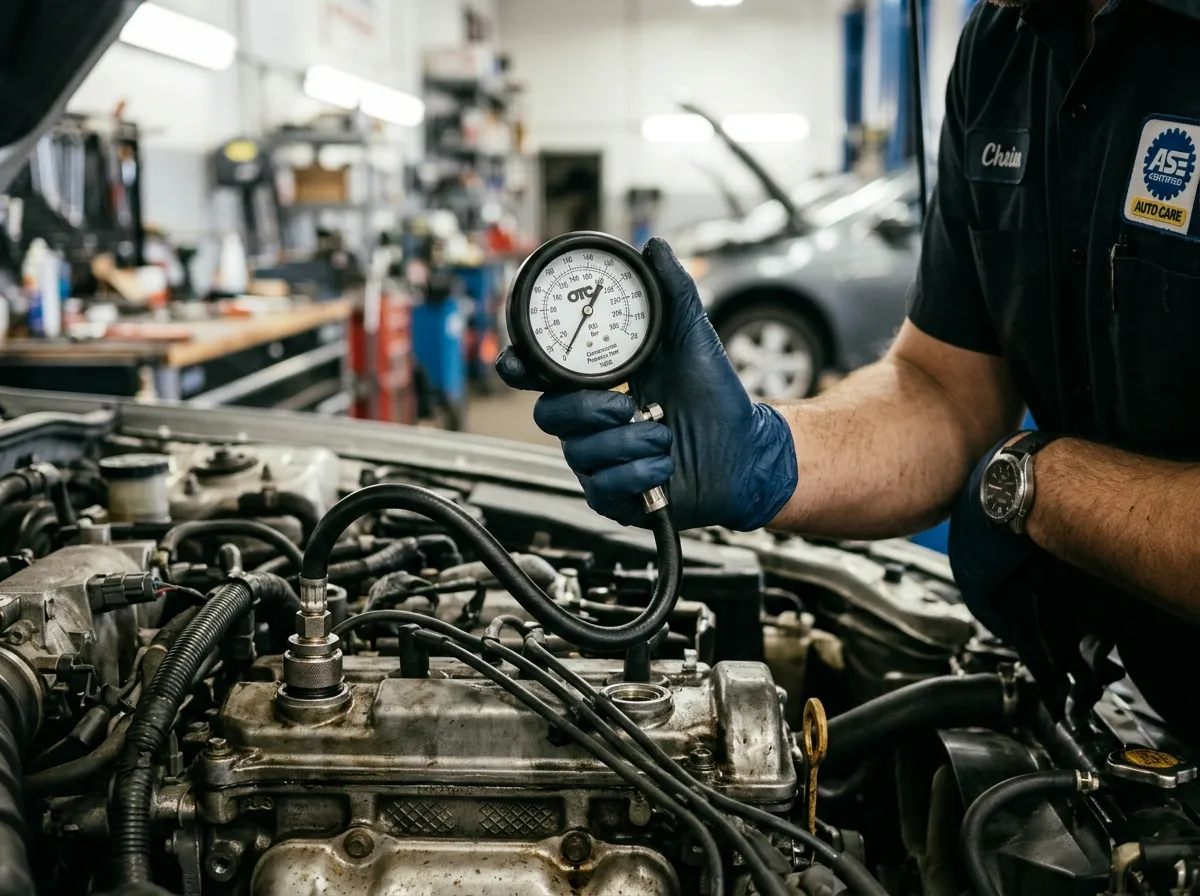
- Compression test
- Reveals worn rings or cylinder leakage.
- Low compression on one or more cylinders points to internal wear.
- Leak-down test
- More accurate than a compression test.
- Finds where pressure escapes: rings, valves, or head gasket.
- PCV flow check
- Shake or remove the valve to see if it moves freely.
- Replace if clogged, sticky, or leaking.
- Oil consumption tracking
- Fill oil to max, reset odometer, and track miles per quart or liter.
- Normal use varies by vehicle; many modern cars use up to 1 quart per 1,000 miles as acceptable.
PAA-style quick questions
Why is my car using oil but not smoking?
Internal oil use can be slow or occur only under load. PCV issues or small valve seal leaks can burn oil without visible smoke.
How much oil use is normal?
Up to 1 quart per 1,000 miles is often considered acceptable for some engines. Check your owner’s manual for factory guidance.
Can a clogged PCV cause oil consumption?
Yes. A blocked PCV can increase crankcase pressure and push oil into the intake, causing oil consumption and rough idle.
These steps narrow down the cause. If you get mixed or unclear results, a professional leak-down and inspection are worth the cost.

Fixes and repair options for engine oil consumption symptoms
Fixes range from cheap to expensive. Choose based on diagnosis and budget.
Low-cost or DIY fixes:
- Replace the PCV valve and hoses
- Often inexpensive and quick.
- Can dramatically reduce oil use if PCV is the cause.
- Fix external leaks
- Replace oil pan gasket, valve cover gasket, or seals.
- Often a simple shop job or DIY if you have tools.
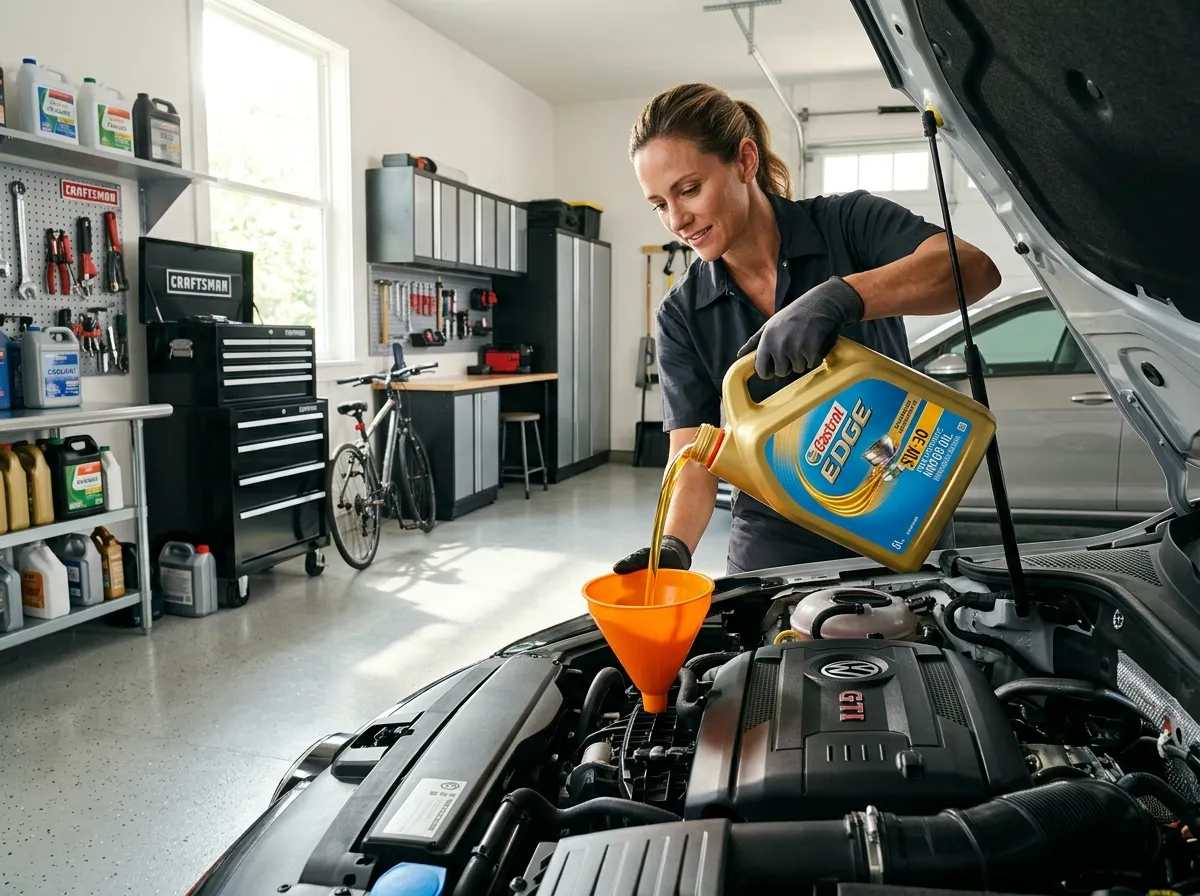
- Use the correct oil grade and high-quality oil
- Switching to the manufacturer-recommended viscosity helps.
- Some engines benefit from high-mileage oil with conditioners.
Moderate-cost repairs:
- Valve seal replacement
- Requires cylinder head access; cost varies by engine.
- Fixes oil drip into cylinders.
High-cost repairs:
- Piston ring and cylinder work (top-end or full rebuild)
- Needed for worn rings or scored cylinders.
- Expensive but restores oil control and power.
- Turbocharger overhaul or replacement
- Turbo seals leaking oil need rebuild or replacement.
- Cost depends on turbo type and labor.
When to choose which repair:
- If tests show compression issues, expect piston or ring work.
- If smoke is only at startup, valve seals might be the fix.
- If smoke under boost and turbo is present, inspect turbo seals.
From my experience, cheap fixes like PCV and gasket replacements often fix 40–60% of cases. Rings and cylinder work are less common but costly. Always weigh repair cost against vehicle value.
Preventive maintenance and driving tips
Prevention cuts the chance of oil consumption symptoms.
Routine habits to adopt:
- Check oil level weekly and top up as needed.
- Change oil and filter on schedule with the right oil.
- Use high-quality oil and replace with recommended viscosity.
- Inspect PCV components during service intervals.
- Avoid excessive idling and short trips when possible.
- Warm the engine gently before heavy loads or high RPM.
Tips from the shop:
- Keep records of oil top-ups. This helps spot trends.
- When buying a used car, ask for oil consumption history.
- Consider a compression test before a long road trip on older engines.
Small steps now prevent big repairs later. Regular checks are cheap and effective.
When to see a mechanic and warranty considerations
See a mechanic if:
- Oil level drops quickly between fills.
- You see continuous blue smoke from the exhaust.
- The oil warning light comes on.
- You smell burning oil inside the cabin.
Warranty and recall notes:
- Check your vehicle’s warranty or extended warranty terms for “excessive oil consumption” coverage.
- Some manufacturers cover engines with known oil use issues under extended campaigns.
- Keep service records. They help if you claim warranty or lemon law rights.
If in doubt, get a trusted shop to run a leak-down and visual inspection. A documented diagnosis helps avoid unnecessary repairs and supports warranty claims.
Frequently Asked Questions of engine oil consumption symptoms
What does blue smoke from the exhaust mean?
Blue smoke usually means oil is burning in the combustion chamber. Common causes are worn piston rings, valve seals, or turbo seal leaks.
How often should I check my oil to catch consumption early?
Check oil weekly or before long trips. Regular checks help catch rising consumption before damage occurs.
Can using thicker oil reduce oil consumption?
Thicker oil can reduce consumption in some engines, but using the wrong viscosity can harm engine performance. Follow manufacturer guidance.
Is high oil consumption covered under warranty?
It depends on your vehicle and warranty terms. Keep service records and consult the dealer to check coverage.
Can I drive with increased oil consumption?
Short term, yes if you monitor oil level closely. Long-term driving with low oil risks engine damage, so repair soon.
Will an oil additive stop oil consumption?
Additives may help seals in some engines but rarely fix worn rings. Use additives cautiously and as a temporary measure.
How do I track oil consumption accurately?
Fill oil to max, reset trip meter, and record miles per quart/liter. Track over several tanks to identify trends.
Conclusion
Engine oil consumption symptoms range from easy fixes to serious engine wear. Watch for low oil, blue smoke, and burning smells. Do simple checks first, replace cheap parts like the PCV valve, and get tests if problems persist. My shop experience taught me that quick attention often prevents major repairs. Start checking your oil weekly, keep records, and reach out to a trusted mechanic if you see persistent signs. Share your experience below or subscribe for more practical car care tips.