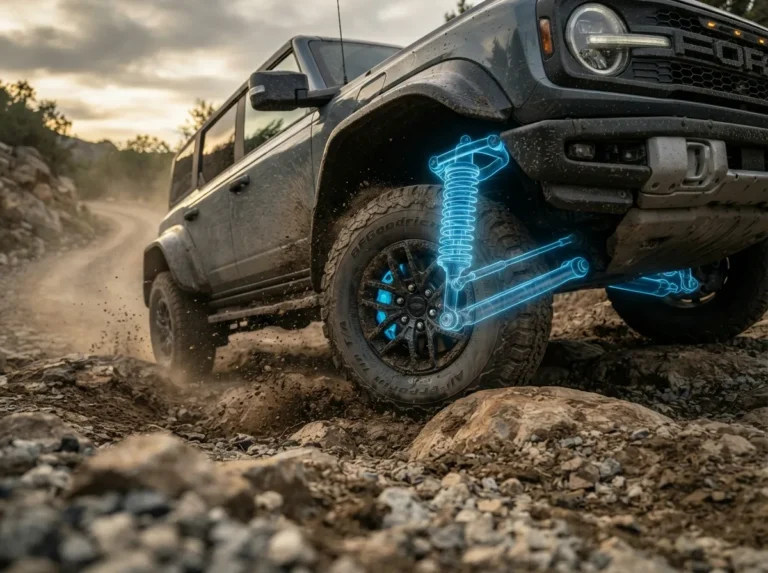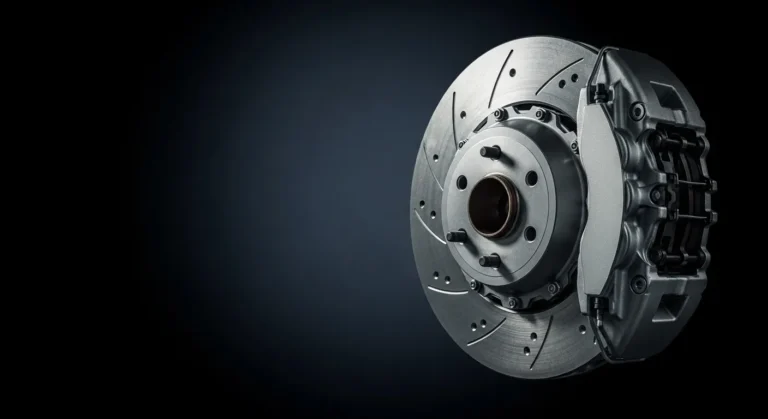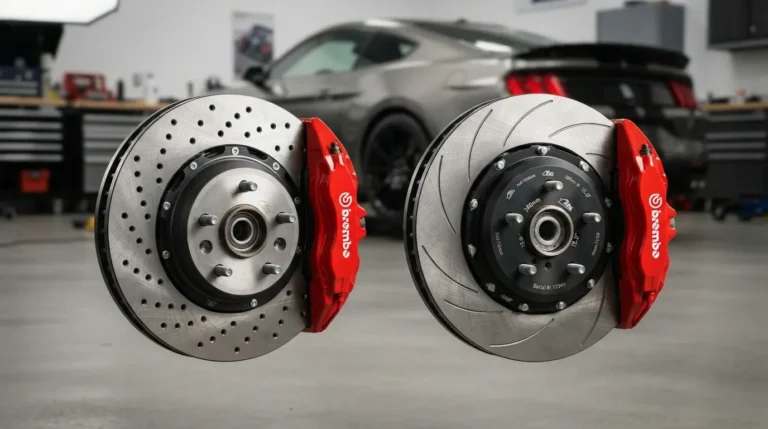
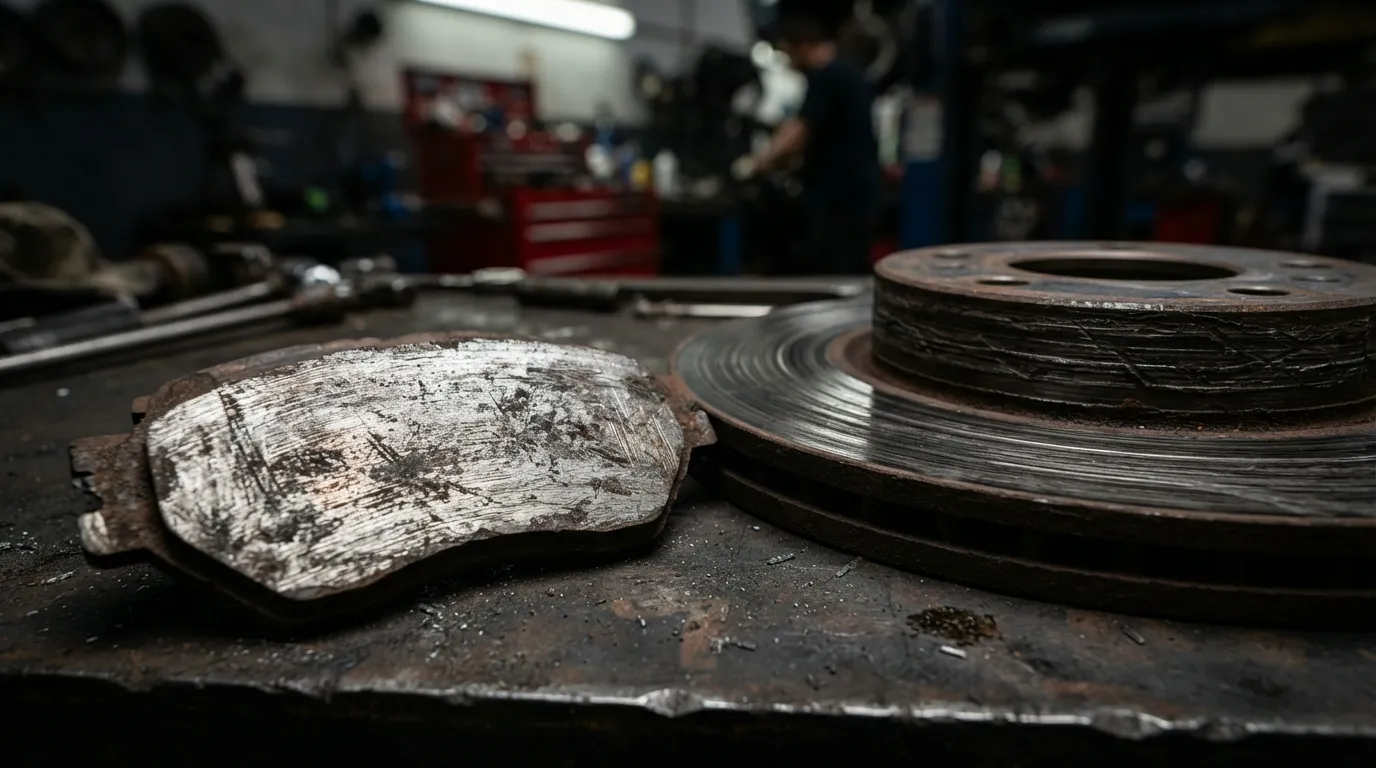
Worn pads, exposed metal, stuck calipers, or road debris are common brake grinding noise causes.
I have worked on brakes for years and helped drivers diagnose noisy brakes. This article explains brake grinding noise causes in clear, simple terms. You will learn how to tell what parts are failing, what the risks are, and how to fix or prevent the problem. I combine hands-on experience, shop-tested tips, and easy diagnostics so you can act with confidence. Read on to learn which brake grinding noise causes are urgent and which can wait. Best Brake Pads and Rotors.
Common causes of brake grinding noise
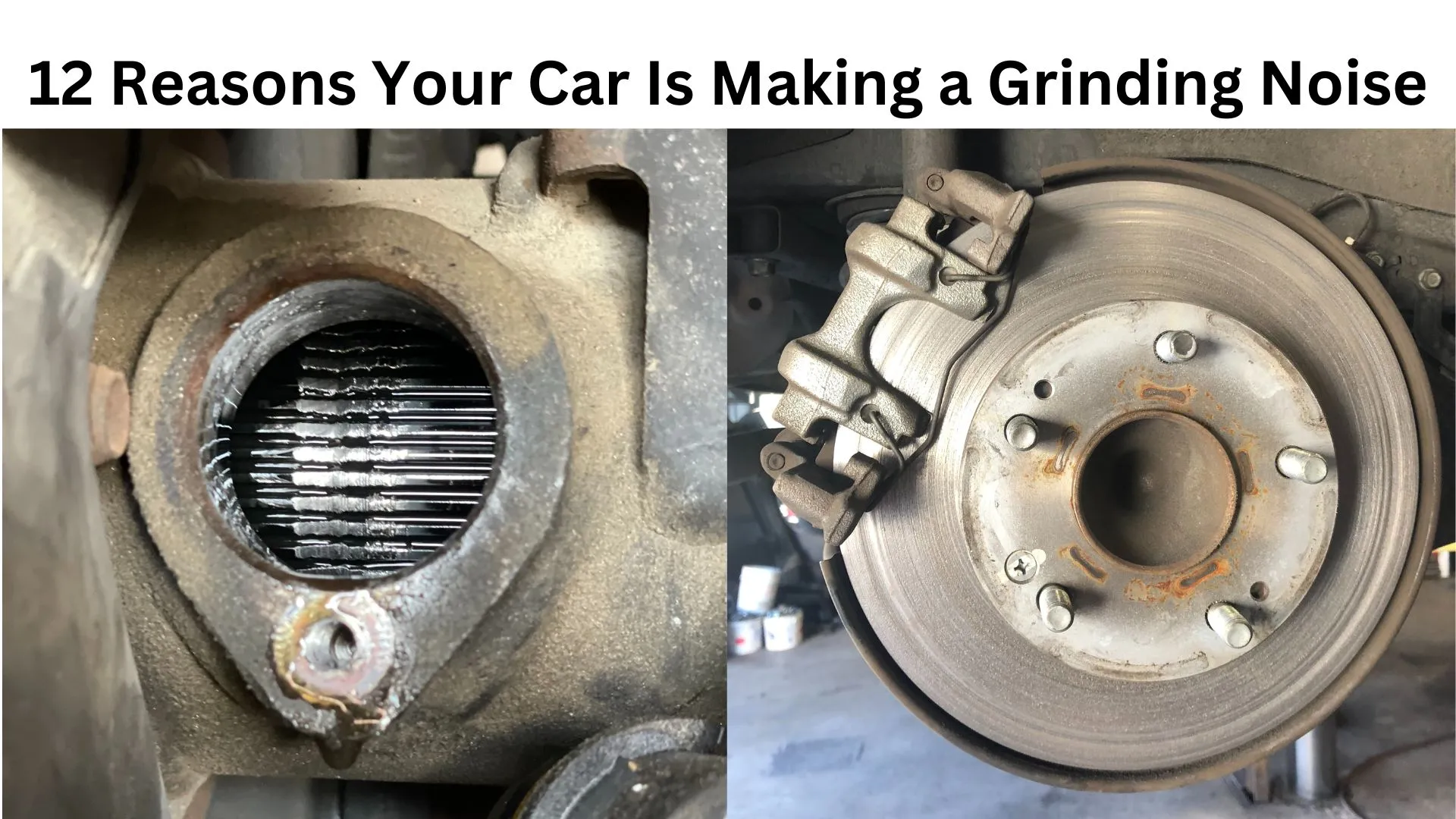
Brake grinding noise causes are usually mechanical and easy to spot once you know what to look for. Below are the most frequent causes I see in the shop and on the road.
- Worn brake pads: Pads wear down to their metal backing and grind against the rotor. This is the top brake grinding noise cause.
- Damaged rotors: Deep grooves or warping make a grinding sound when the pad contacts the rotor.
- Stuck or seized caliper: A stuck caliper drags the pad continuously and creates constant grinding.
- Loose or missing hardware: Clips, shims, or anti-rattle parts that fall out let parts rub together.
- Debris between pad and rotor: Stones or rust can wedge in and act like a file.
- Wheel bearing failure: A failing bearing can make grinding that is often confused with brakes.
- Low-quality replacement parts: Cheap pads can shed material and cause grinding quickly.
Personal note: I have pulled cars into the bay where a single pebble caused loud grinding. I have also ground through pads to metal because owners ignored the squeal. Learn to act early. Wheel bearing failure.

How to diagnose brake grinding noise causes
Diagnosing brake grinding noise causes takes simple checks you can do at home or in a shop.
- Visual inspection
- Remove the wheel and look at pad thickness and rotor surface.
- If the pad is thin or the rotor has deep grooves, you have found the cause.
- Road test
- Drive at low speed and apply brakes lightly and then firmly.
- Note when the noise happens: at low speed, during braking, or while coasting. Grinding during braking usually links to pads/rotors.
- Wheel spin test
- Lift the car and spin the wheel by hand.
- Feel for roughness or grinding that points to bearings or debris.
- Listen carefully
- Grinding that only happens when braking points to pads or rotors.
- Grinding at all times, even when not braking, suggests wheel bearings or stuck calipers.
- Caliper and hardware check
- Inspect caliper movement and slider pins for corrosion.
- Look for missing shims, clips, and loose bolts.
People also ask:
What if the grinding only happens sometimes?
Intermittent grinding usually means debris or a partially seized caliper. Check pads and clean hardware.
Can worn rotors cause the grinding even with new pads?
Yes. New pads on badly scored rotors will still grind. Rotors may need resurfacing or replacement.
Is grinding always a brake part failure?
Not always. A wheel bearing or suspension part can make similar noises. Use the wheel-spin test to separate causes.
Parts that most often cause grinding
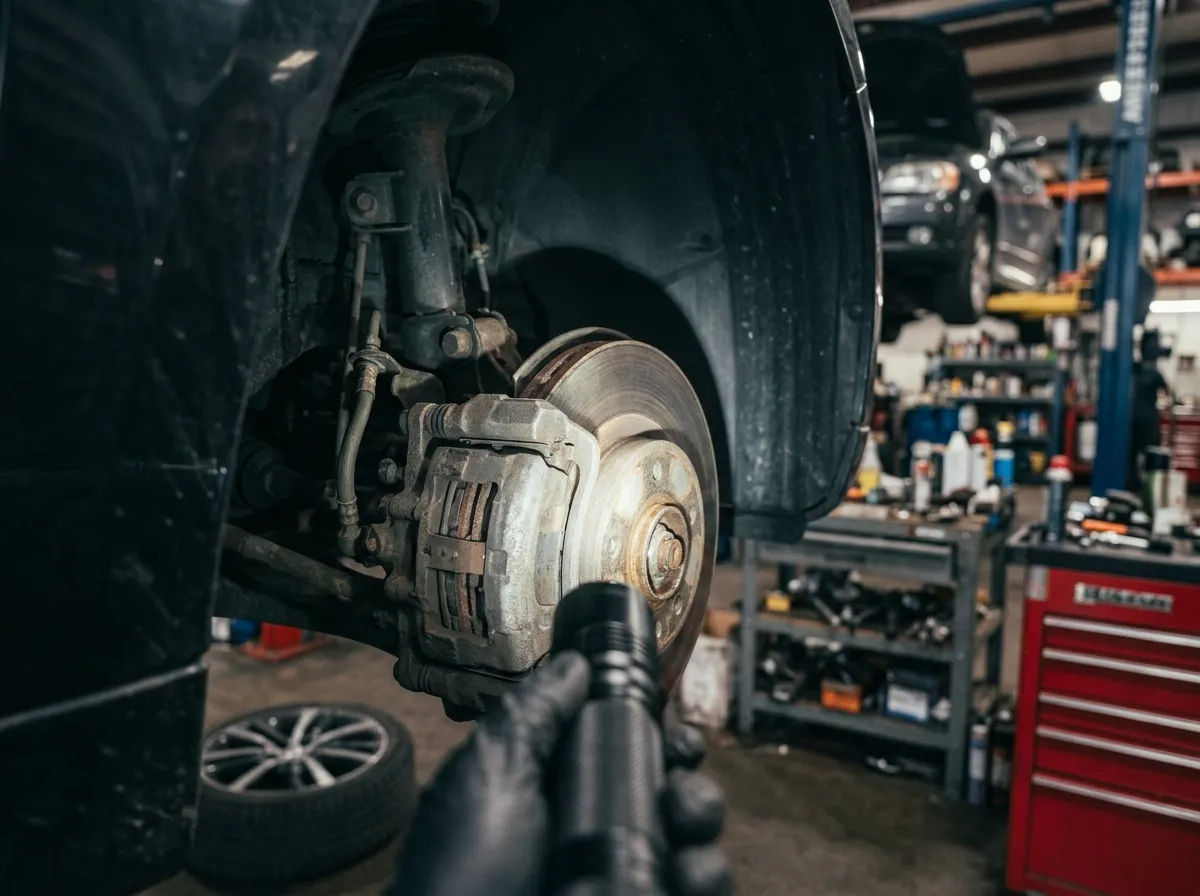
Understanding which parts fail helps you prioritize repairs. Here are the typical components tied to brake grinding noise causes.
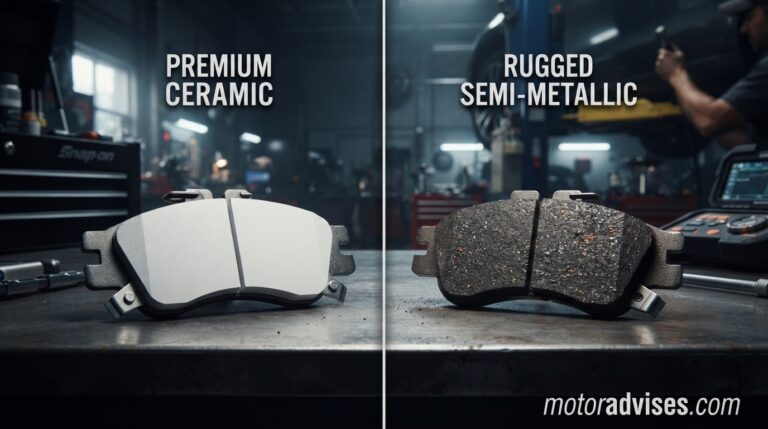
- Brake pads: Friction material wears away. Metal backing hits the rotor and grinds.
- Brake rotors: Heat and wear cause grooves and warping. Deep damage leads to grinding.
- Calipers and slider pins: Corrosion or stuck pistons keep pads in contact and create a constant grind.
- Brake hardware: Missing shims or anti-rattle clips let parts contact metal.
- Brake dust and rust: Build-up can act like an abrasive between pad and rotor.
- Wheel bearings: Worn bearings can sound like grinding and mimic brake issues.
From my experience, pads and rotors account for most brake grinding noise causes. After that, calipers and hardware are common culprits.

Risks and safety concerns
Ignoring brake grinding noise causes is risky. Brakes are a safety system. Treat grinding as a serious issue.
- Faster wear: Grinding wears rotors and pads far quicker.
- Loss of braking power: Damaged parts reduce stopping ability.
- Costly repairs: Letting grinding continue often means replacing rotors, pads, and more.
- Safety hazard: Failing brakes can cause accidents.
I once drove a short distance with grinding brakes. The repair that followed cost three times what a pad change would have cost. Fix early and save money and safety.
Repair options and cost guide
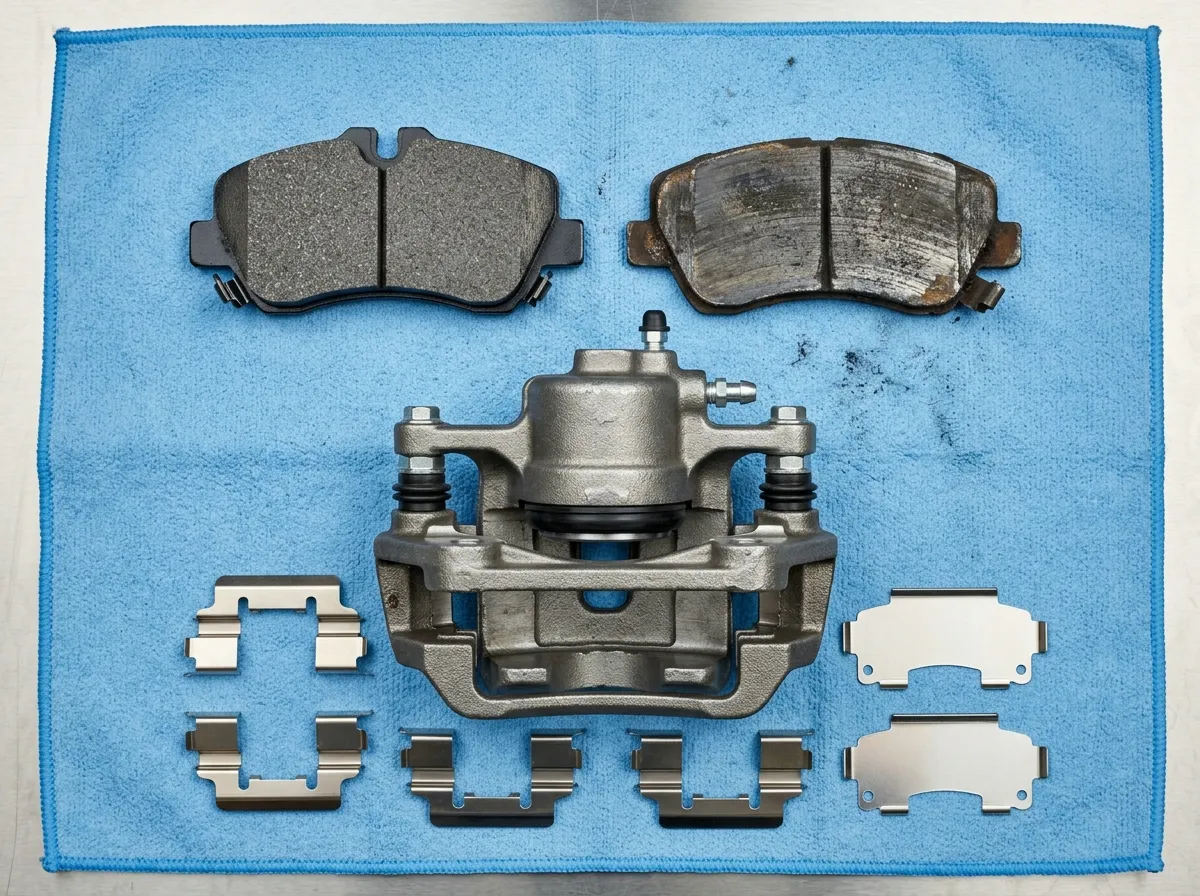
Repair choice depends on the specific brake grinding noise causes you find. Here are common fixes and what to expect.
- Replace brake pads
- Best when pads are worn through. Often the least expensive and fastest fix.
- Resurface or replace rotors
- Resurface if rotor thickness and condition allow. Replace if grooved or warped beyond limits.
- Rebuild or replace caliper
- If calipers are seized or leaky, rebuild kits or replacement calipers fix dragging grinding.
- Replace hardware and shims
- New clips, shims, and pins stop rattles and reduce future grinding.
- Clean out debris and rust
- Simple cleaning can stop grinding caused by stones or rust flake.
Typical cost ranges (varies by vehicle, labor rates, and parts quality):
- Pads only: low to moderate cost.
- Pads and rotors: moderate to higher cost.
- Caliper replacement: moderate to high cost.
Tip from the shop: Always replace pads on an axle pair together and follow manufacturer torque specs when reinstalling wheels.
Preventive maintenance to avoid grinding
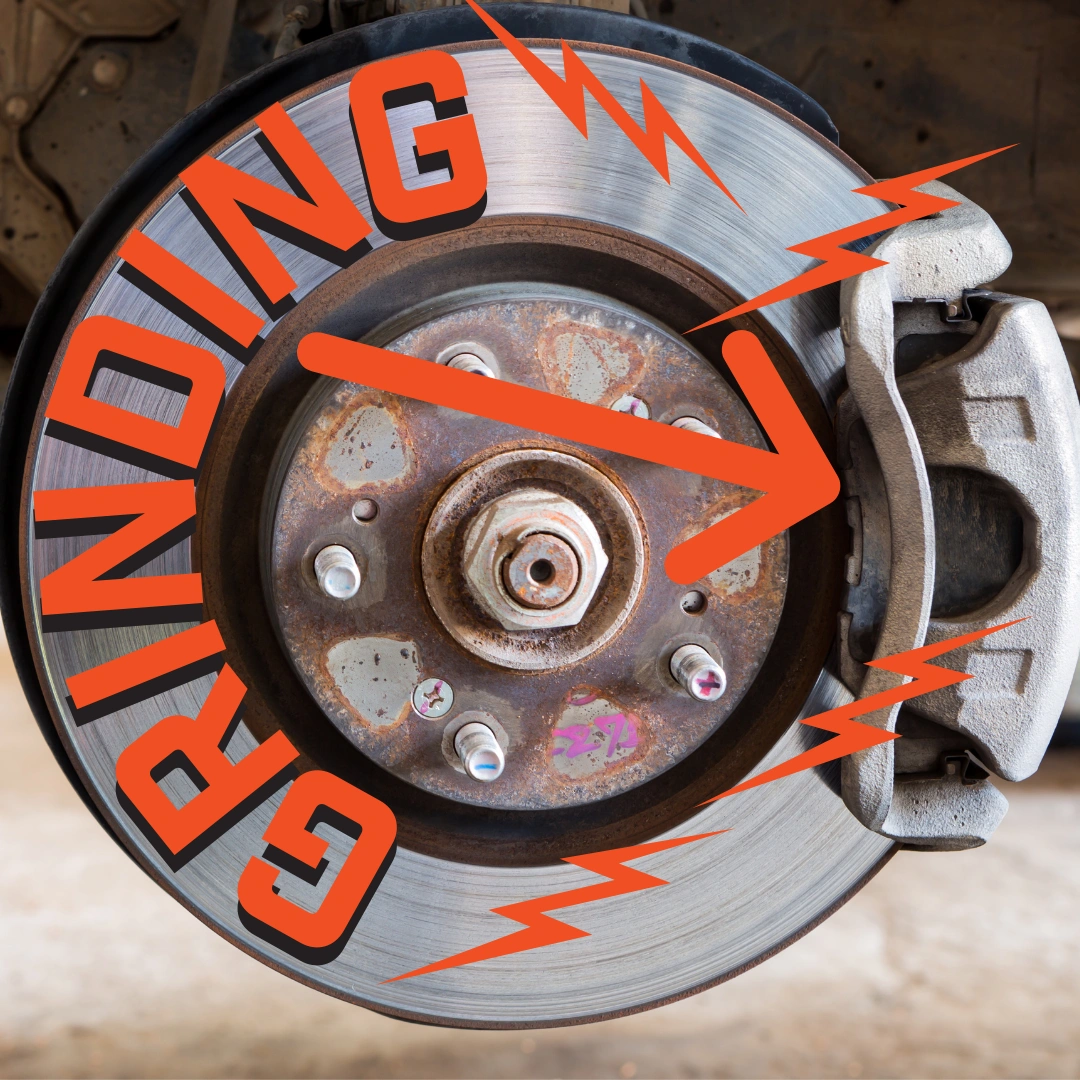
Preventing brake grinding noise causes saves money and stress. A little maintenance goes a long way.
- Inspect pads and rotors every 6,000 miles or during oil changes.
- Clean brake parts when you change pads to remove dust and debris.
- Lubricate slider pins with high-temperature grease to prevent caliper seizure.
- Replace worn hardware and shims when you service the pads.
- Use quality pads that match manufacturer specifications.
- Avoid riding the brakes and heavy dragging on steep hills.
Personal tip: I mark pad thickness at each service. That simple habit tells me when to act before grinding starts.

Frequently Asked Questions of brake grinding noise causes
Why does my car grind only when I press the brakes?
Grinding during braking usually means the pad friction material is worn to the metal backing or the rotor is deeply grooved. Replace pads and inspect rotors.
Can a small stone cause a grinding noise?
Yes. A small stone or pebble can lodge between pad and rotor and cause grinding until it is removed. Visual inspection and cleaning solve this.
How long can I drive with grinding brakes?
You should avoid driving much with grinding brakes. Continued use speeds rotor damage and reduces braking power. Tow or repair promptly.
Will new brake pads stop grinding if rotors are damaged?
Not always. New pads on damaged rotors can still grind. Rotors may need resurfacing or replacement to stop the noise.
How do I know if the grinding is from bearings or brakes?
Lift and spin the wheel by hand. Grinding when coasting, without braking, often points to bearings. Grinding only when braking usually points to pads or rotors.
Is grinding more expensive to fix than squealing?
Generally yes. Grinding often means metal-on-metal contact, which can damage rotors and increase repair cost compared to a squeal.
Conclusion
Brake grinding noise causes range from simple debris to worn pads and damaged rotors. Early checks, quick repairs, and basic maintenance prevent most problems and keep you safe. Use the checkpoints here to diagnose and act, and consult a trusted mechanic when in doubt. If you heard grinding, schedule an inspection soon, subscribe for more car-care tips, or share your experience in the comments below.