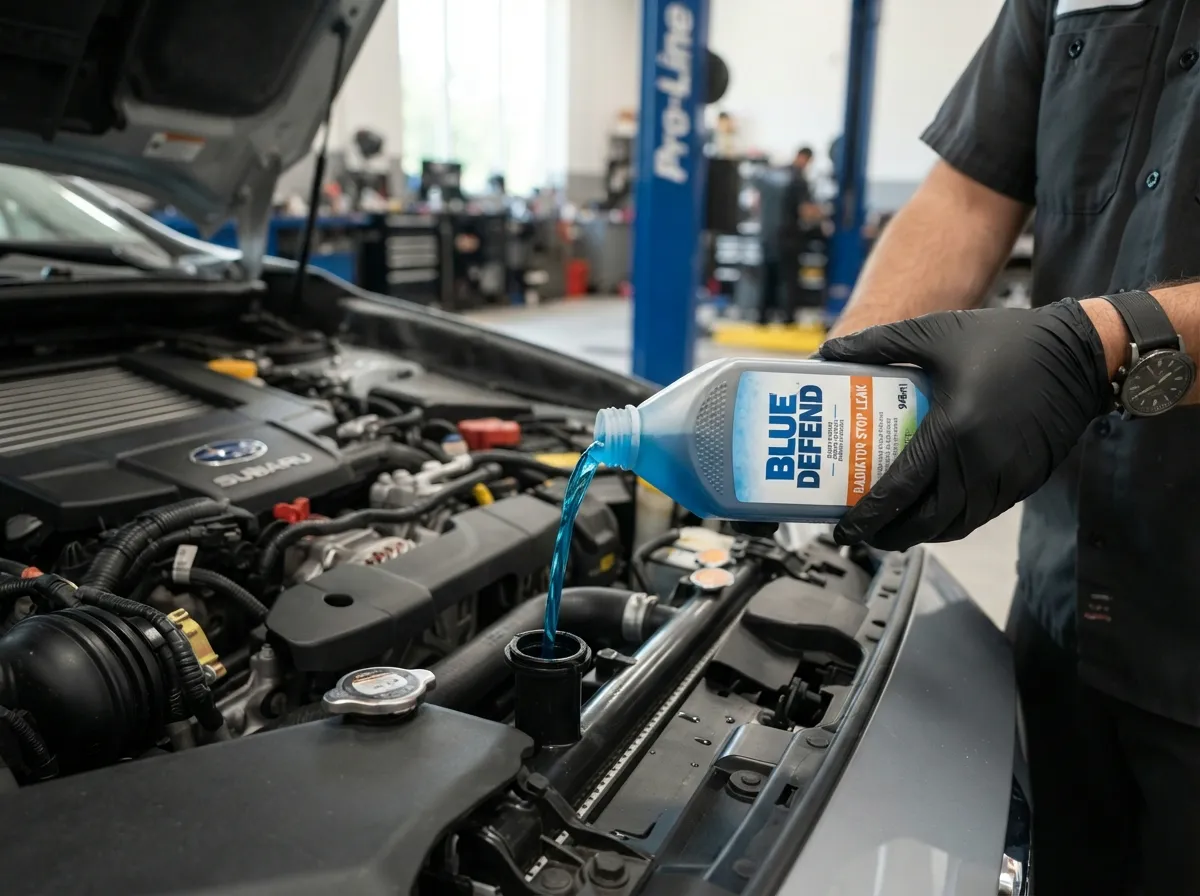
K-Seal ST5516 and Bar’s Leaks Liquid Aluminum are the best radiator stop leak options for most cars.
If you want a safe, fast way to plug a small coolant leak, you are in the right place. I’ve tested and installed many sealers over the years. In this guide, I break down what makes the best radiator stop leak stand out, how it works, and when to use it. You will learn which product to buy, how to add it, and how to avoid costly mistakes.
What is a radiator stop leak?
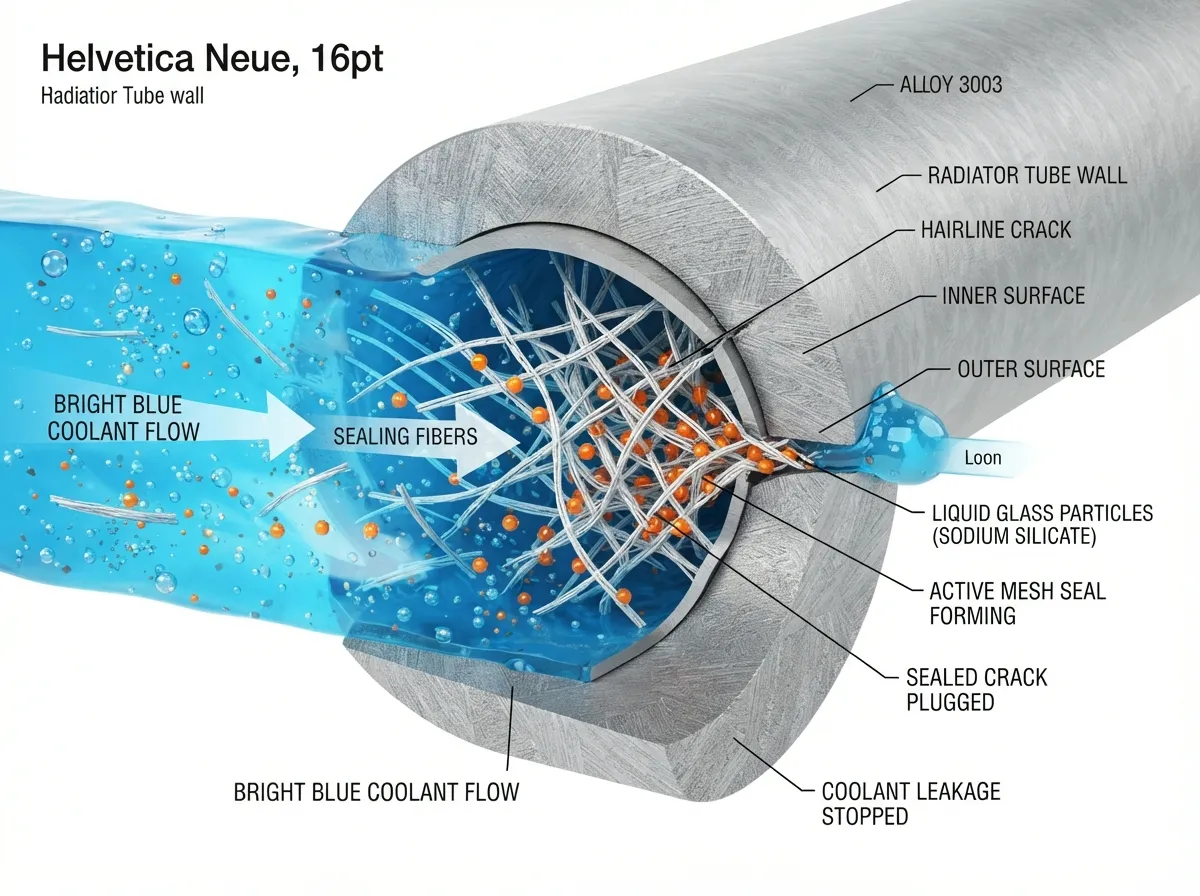
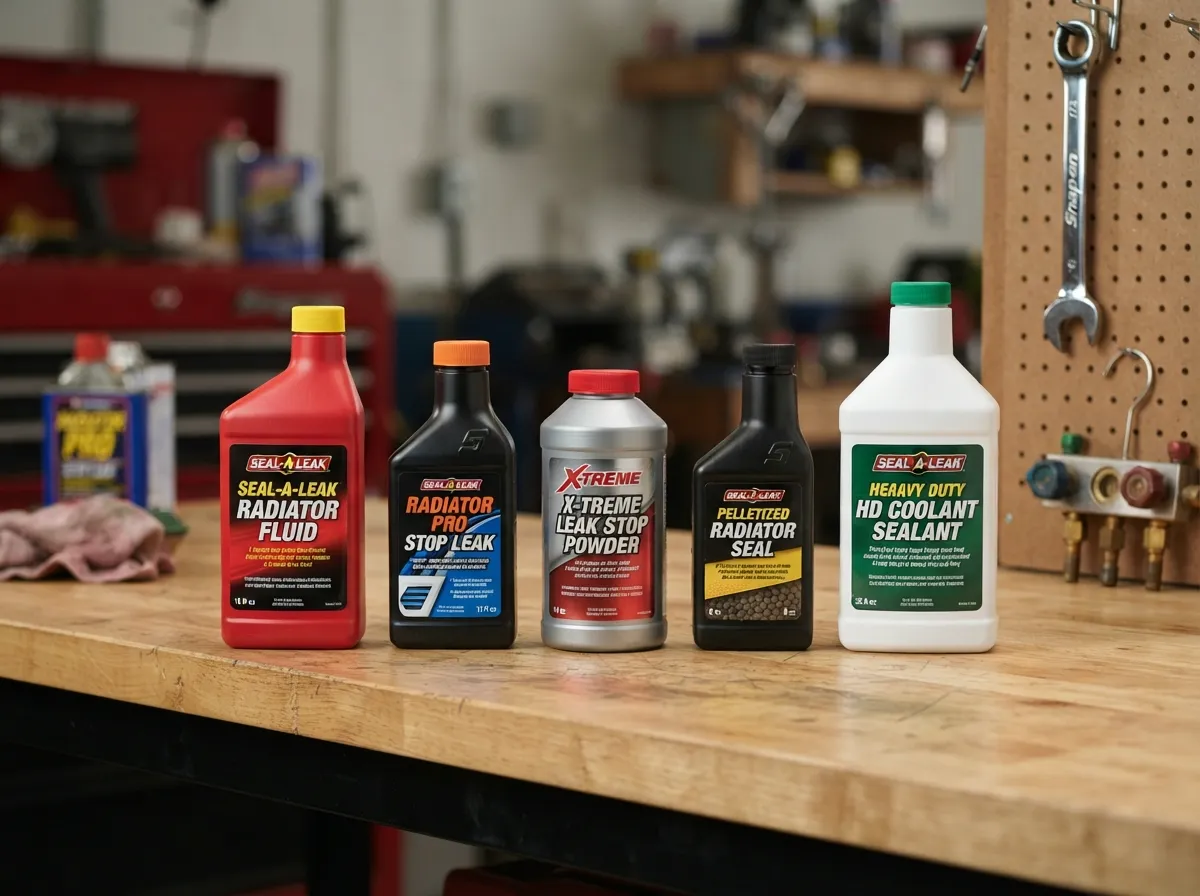
A radiator stop leak is a liquid or powder you add to the cooling system. It finds a path through the coolant and plugs tiny holes from the inside. Most use fibers, copper, aluminum, or liquid glass to form a seal. Some use a polymer blend that swells at leak points keep away from pets.
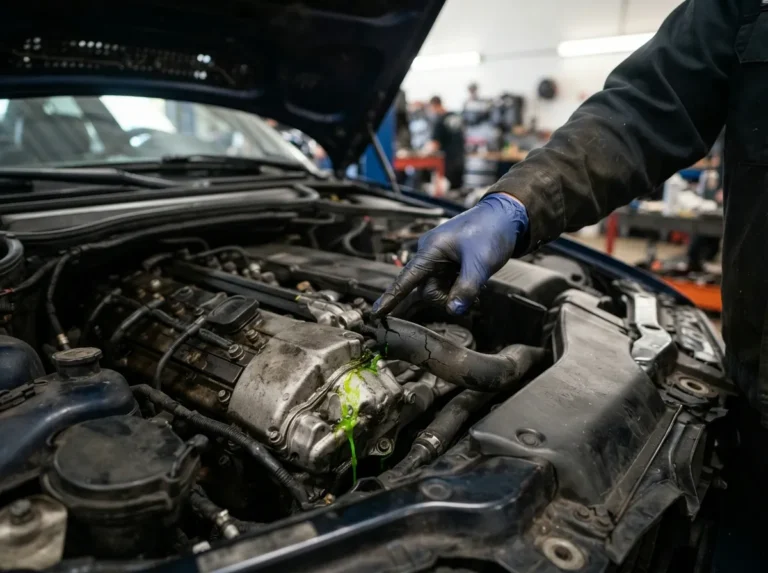
It is for pinholes, hairline cracks, and slow weeps. It is not a fix for a big crack or a blown head gasket. Think of it as a bandage that buys you time or gives a lasting seal on very small leaks.
Modern sealers are much better than the old pellets. The best radiator stop leak today can seal without clogging heater cores when used as directed. Still, you must match the product to the leak and your coolant type.
Best radiator stop leak: top picks I trust in the shop
I pick products by seal strength, safety for aluminum, and heater core risk. I also look at lab data and real road miles. Here are the winners and what they do best.
- K-Seal ST5516 Multi-Purpose
- Best for: Mixed metal systems, daily drivers, small radiator or heater core leaks.
- Why I like it: It uses microfibers and silicates that bond under heat. I have seen it hold for years on pinholes. It plays well with most coolants.
- Bar’s Leaks Liquid Aluminum Stop Leak
- Best for: Aluminum radiators and small tank seam leaks.
- Why I like it: It blends liquid aluminum with sealing fibers. It can help reduce temps a bit by improving heat transfer once sealed. It has a strong track record.
- BlueDevil Radiator and Heater Core Stop Leak
- Best for: Fine tube leaks and weeps you can’t see.
- Why I like it: Works fast. It flows well and targets tiny passages. I have used it on a heater core seep to get a customer through winter.
- AlumAseal Radiator Stop Leak Powder
- Best for: Quick roadside fix on older cars.
- Why I like it: Simple, cheap, and clean. The aluminum powder can seal small leaks fast. Good to keep in a glove box.
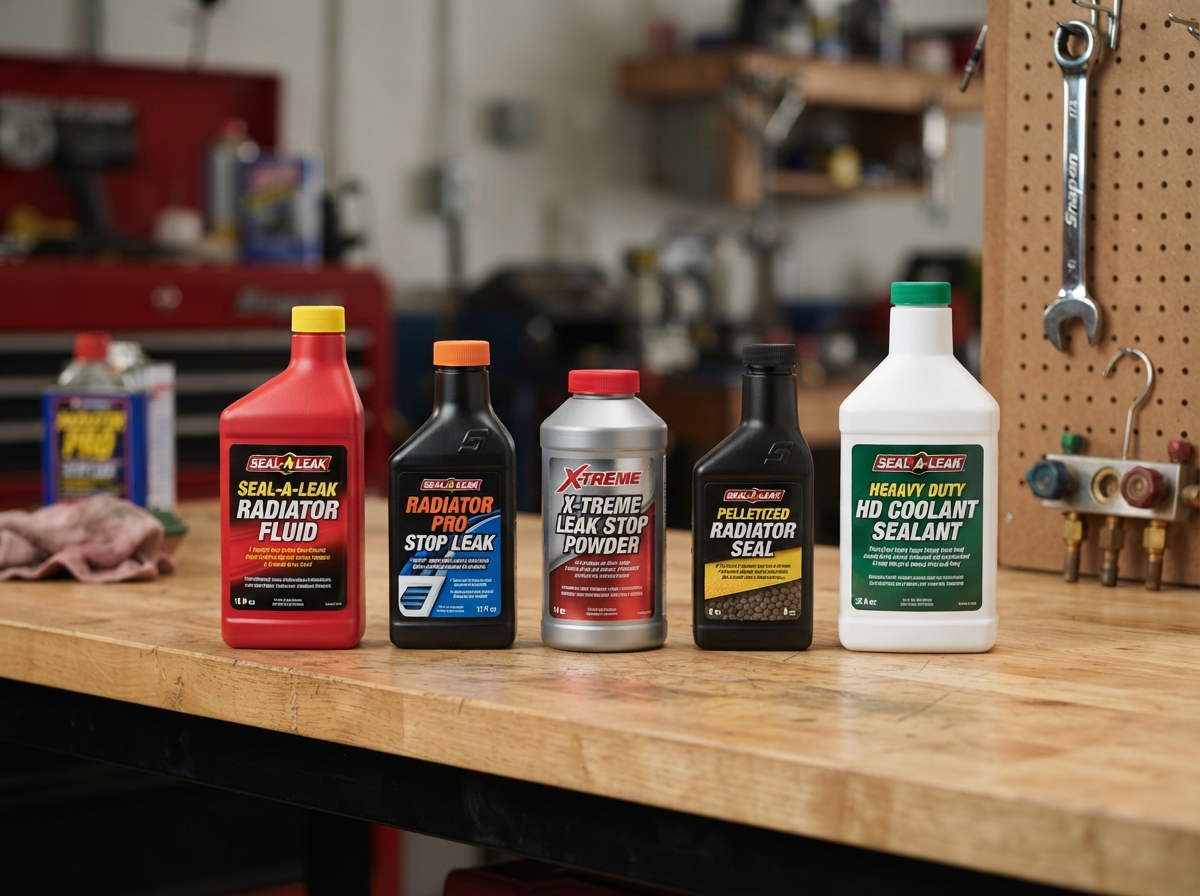
- Prestone Radiator Stop Leak (pellets)
- Best for: Older copper/brass radiators and slow weeps.
- Why I like it: Time-tested. It can be a gentle seal for classic cars. I avoid it on tight modern heater cores.
If you drive a modern car with an aluminum radiator, K-Seal or Bar’s Leaks Liquid Aluminum is often the best radiator stop leak choice. For a heater core seep, BlueDevil has been solid for me.
Real-world note: On my own daily, a small radiator pinhole sealed with K-Seal lasted 18 months before I swapped the unit during a timing service. That is real value from the best radiator stop leak when used with care.
How radiator stop leak works
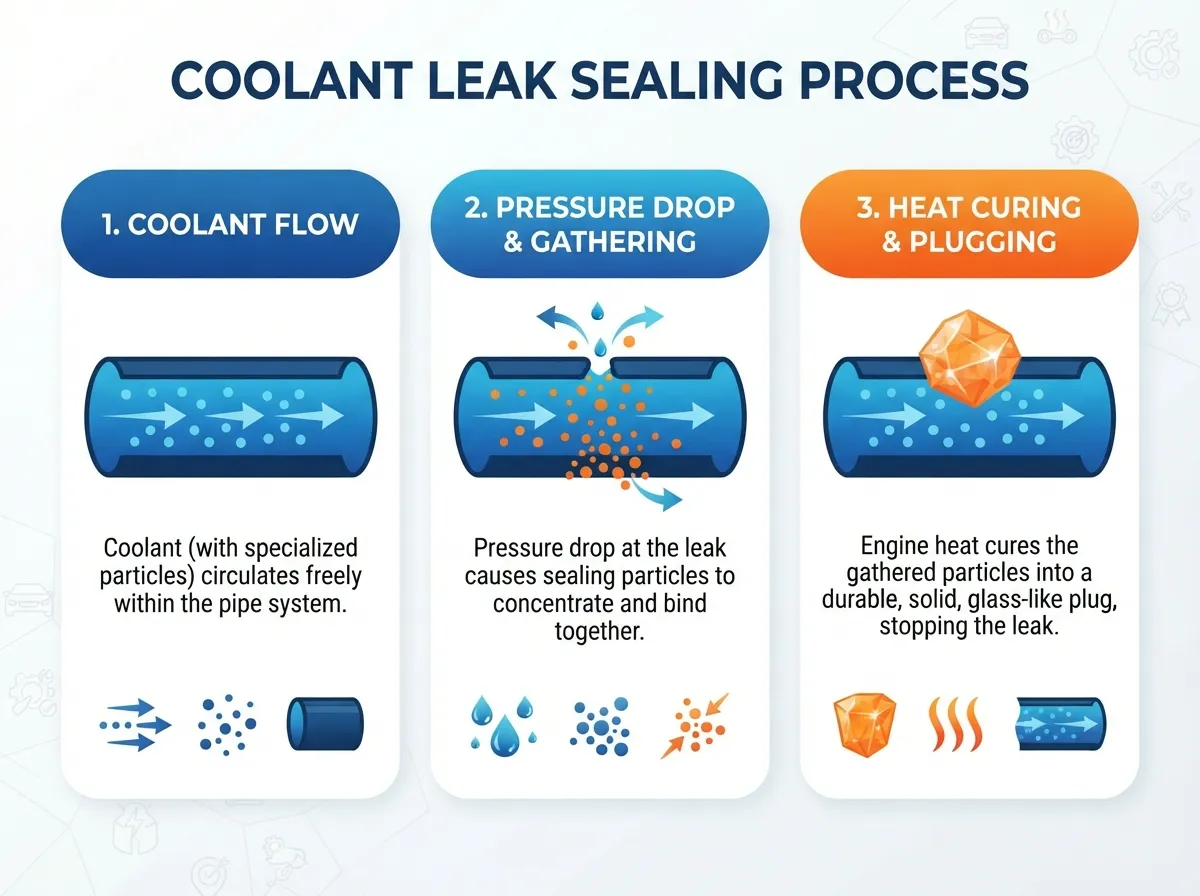
Sealers travel with coolant under pressure. At the leak, pressure drops and fluid slows. This makes particles collect at the edge. Heat helps them set or harden. Sodium silicate types cure into a glass-like plug. Fiber and metal types weave into a mesh that the coolant scale cements in place.
Two things make or break your result:
- Leak size. Stop leak works on tiny paths. It will not fill a large split.
- Flow path. If the coolant never reaches the spot, it will not seal it.
On the risk side, clogging can happen if you overdose or use a thick pellet in a modern heater core. Always follow the dose on the bottle. Run the heater on high during the process so the product reaches that loop.
From the bay: I once used pellets in a 2011 Subaru. It sealed a weep but hurt heater flow. A later flush fixed it, but I learned to pick a finer liquid on tight systems. That is why the best radiator stop leak for late-model cars is a fine liquid blend, not pellets.
Will stop leak clog my radiator?
It can if you overdose or use pellets in a tight system. Use a fine liquid and the right dose to lower the risk.
Can you use stop leak with antifreeze already in the system?
Yes. Most top products are made to mix with all common coolants. Check the label for HOAT, OAT, or Si-OAT notes.
How long does it take to work?
Many seal within 10 to 30 minutes of running at temp. Some need heat cycles. Watch the level and inspect for drips.
How to choose the best radiator stop leak for your car
Use this simple filter to pick the right product.
- Leak type and size
- Pinhole or hairline crack: Choose a fine liquid like K-Seal or BlueDevil.
- Seam weep on an aluminum tank: Bar’s Leaks Liquid Aluminum works well.
- Old copper/brass radiator: A powder like AlumAseal can do the job.
- Vehicle and coolant
- Modern aluminum system with tiny heater tubes: Avoid pellets. Go liquid.
- Coolant type (OAT/HOAT/Si-OAT): Check label for full compatibility.
- Goal
- Emergency road fix: AlumAseal powder is fast and simple.
- Long-term small leak seal: K-Seal or Bar’s Leaks Liquid Aluminum is best.
- Risk and warranty
- Under factory warranty: Ask the dealer before adding any sealer.
- Sensitive or clogged heater core history: Use a low-risk fine liquid and exact dose.
- Ease of use
- No-drain pour-in with engine cold and then run to temp is ideal. Pick products with clear steps and no flush needed.
Tip from the shop: If you want the best radiator stop leak result, clean your cap, bring coolant to the right level, and bleed air after the seal. Air pockets can keep the product from reaching the leak.
Step-by-step: how to use radiator stop leak safely
Follow these steps for a clean seal and less risk.
- Confirm the leak. Pressure test if you can. Rule out big cracks or a blown head gasket.
- Let the engine cool. Never open a hot cap. Wear gloves and eye protection.
- Check coolant level. Top off with the correct mix if low.
- Shake the bottle well. Fine particles settle fast.
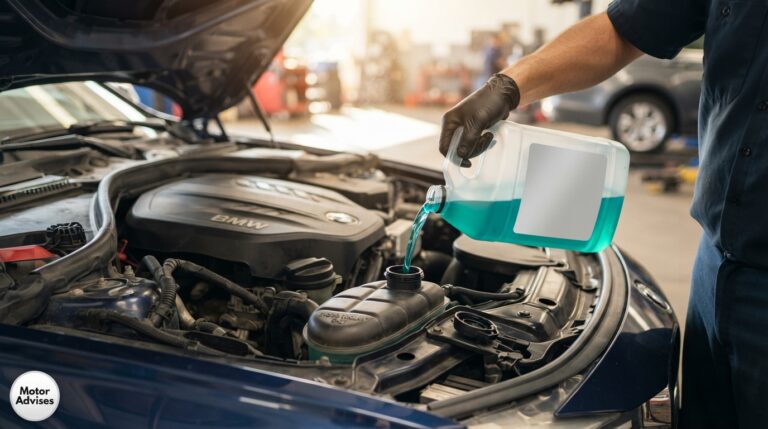
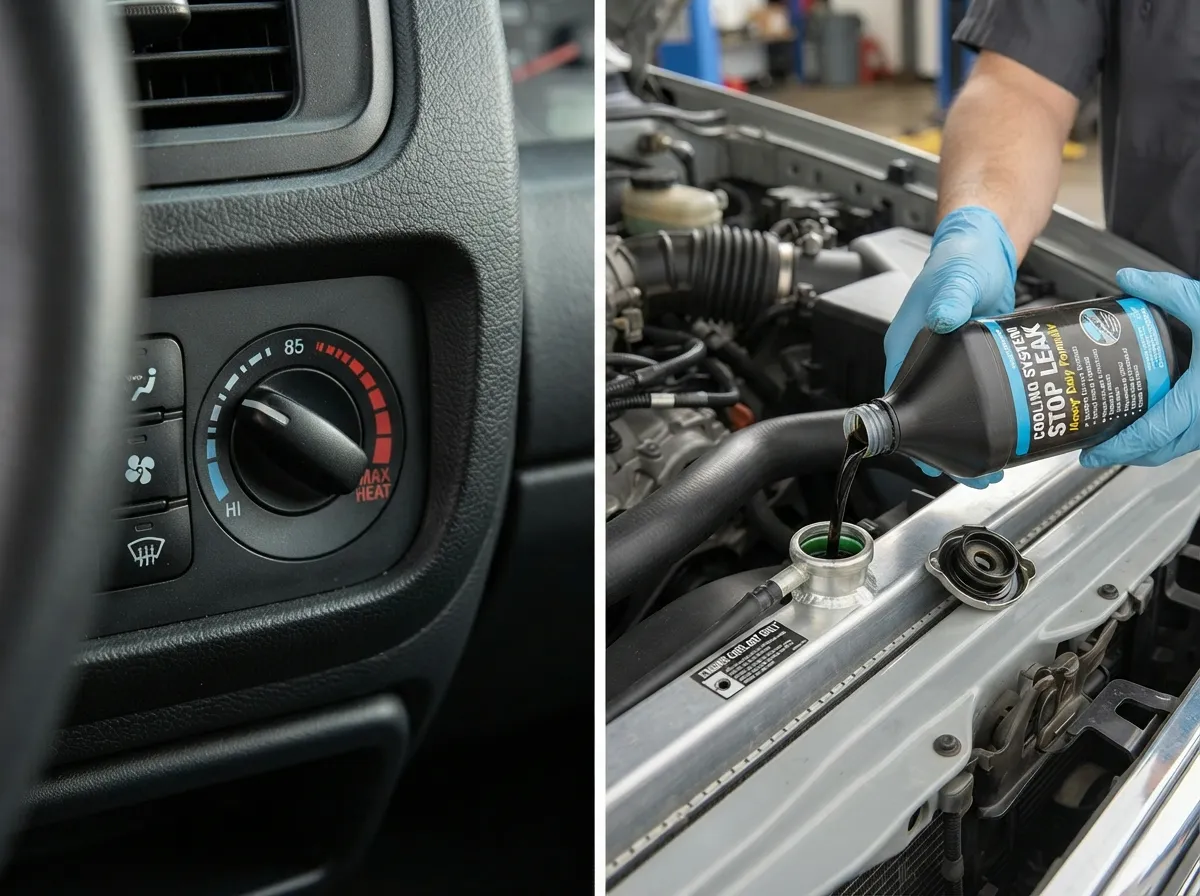
- Pour into the radiator or the reservoir. Aim for the radiator neck if you can reach it.
- Turn the heater to max heat and fan. This opens the heater core flow.
- Start the engine. Let it idle, then hold 1,500–2,000 rpm for 10–15 minutes.
- Watch temp. Do not let it overheat. Add coolant if needed.
- Check for drips. Drive a short loop. Recheck the next day.
- Note the dose used. Do not add more unless the maker says to.
Pro move: If the system is dirty, a drain and fill, or even a flush before adding the sealer, can help the best radiator stop leak bond cleanly.
Pros, cons, and safety notes
Pros
- Fast, cheap, and simple.
- Can stop small leaks for months or years.
- Often no tools needed.
Cons
- Not for large cracks or pump seals.
- Risk of heater core clog if misused.
- Can mask a bigger problem for a while.
Safety and care
- Never open a hot cooling system.
- Follow the exact dose. More is not better.
- Do not mix different sealers at once.
- Keep away from pets. Coolant is toxic.
When used right, the best radiator stop leak is a smart stopgap. It can also be a durable seal on tiny leaks. The key is a correct match and careful use.
Causes of coolant leaks and when stop leak will not help
Common leak sources
- Radiator tubes or tank seams
- Hose ends and clamps
- Heater core and quick-connects
- Water pump weep hole
- Freeze plugs
- Head gasket or cracked head/block
When stop leak is not a fix
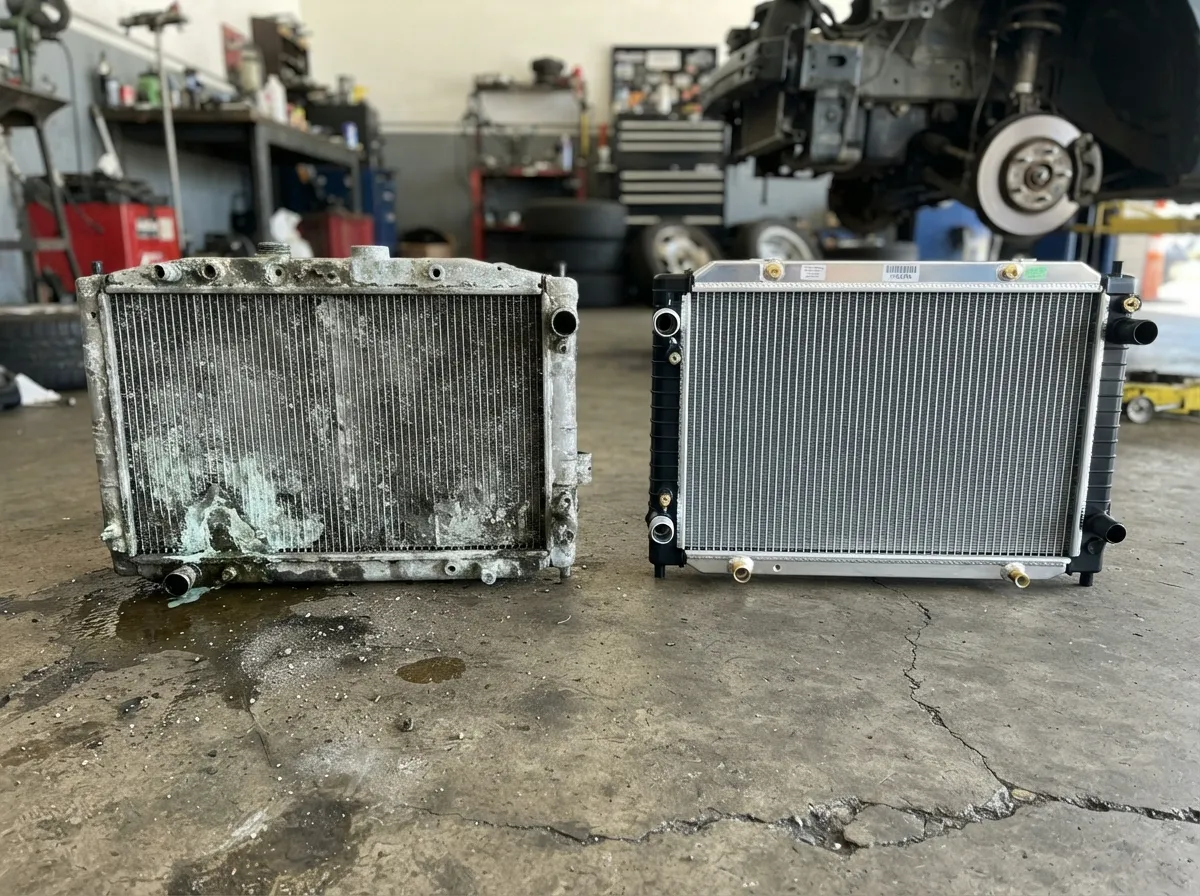
- Large splits or broken plastic tanks
- Bad water pump seals or bearings
- Rapid coolant loss or white smoke from the tailpipe
- Oil in coolant or coolant in oil
- Severe overheating or warped head
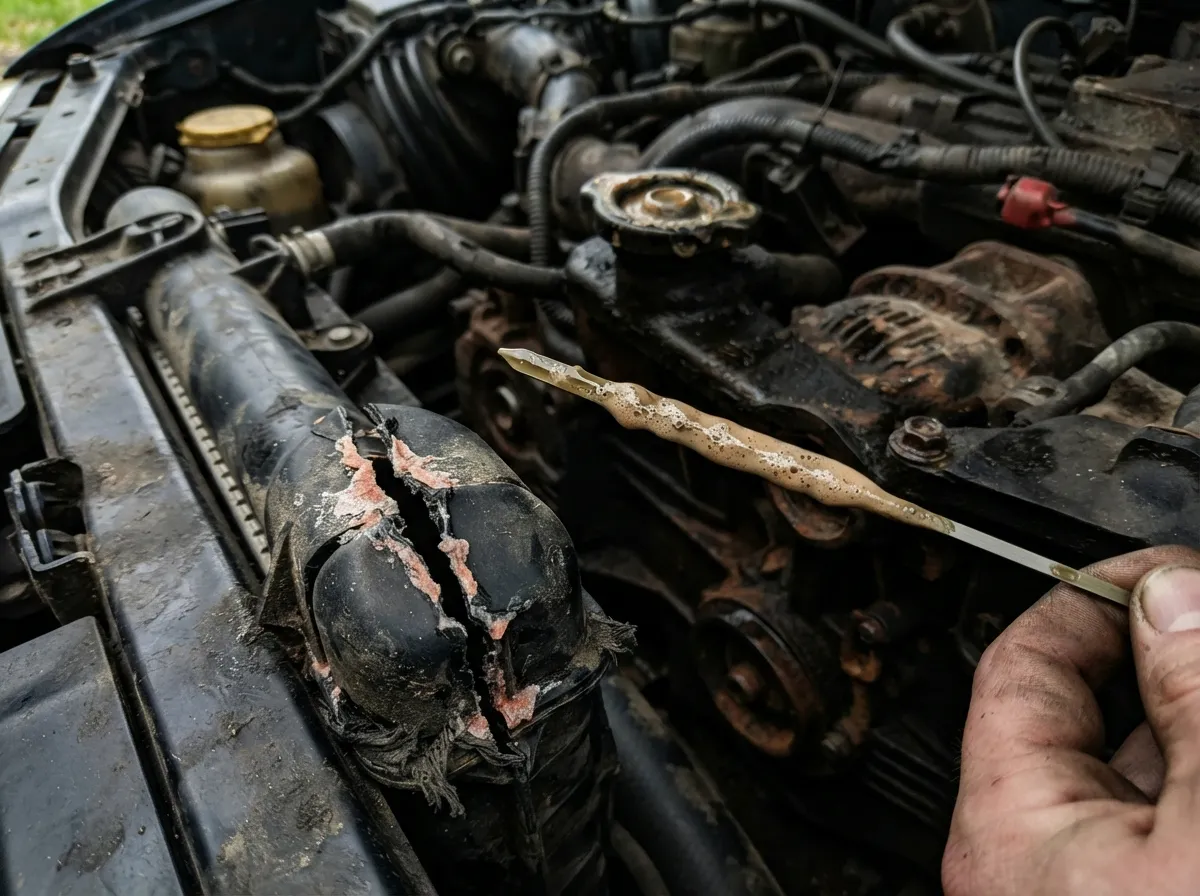
Decision tip: If you lose more than a cup every few miles, skip sealers and repair the part. The best radiator stop leak is for slow leaks, not gaping holes.
Alternatives to stop leak and long-term fixes
If you want a lasting cure, look at these options.
- Replace the bad part
- New radiator or heater core ends the cycle of topping off coolant.
- New hoses and clamps remove common weak points.
- Repair options
- Plastic tank epoxy can buy time, but it is still a patch.
- Aluminum radiators can sometimes be tig-welded by a pro.
- System checks
- Pressure test to locate leaks with the engine off.
- UV dye and a black light can spot weeps fast.
- A full coolant flush after sealing can restore flow if pellets were used.
- Cost ranges
- Hoses and clamps: low cost.
- Radiator: medium cost.
- Heater core: can be high due to dash labor.
If you used the best radiator stop leak to buy time, plan the real fix next. A fresh radiator and hoses often save money by preventing a tow and engine damage.
Frequently Asked Questions of best radiator stop leak
Does radiator stop leak work permanently?
It can last a long time on small leaks. For large damage, treat it as a short-term patch until you can repair the part.
Is radiator stop leak safe for aluminum engines?
Yes, if you choose a modern, liquid sealer and the right dose. Avoid thick pellets on tight aluminum systems.
Can I add radiator stop leak to the overflow tank?
Yes, if your tank feeds the radiator while running. Pour into the radiator neck when possible for faster results.
Will stop leak fix a blown head gasket?
Not reliably. Some “head gasket” sealers exist, but results vary. It is better to repair the gasket.
How often can I use radiator stop leak?
Use it once per leak event and monitor. Do not layer products or overdose, as that raises clog risk.
Will it affect my heater performance?
It can if you overdose or use pellets. Run the heater during treatment and choose a fine liquid to cut the risk.
Can I drive right after adding it?
Yes. Follow the run time on the bottle, then take a short drive. Recheck the coolant level once it cools.
Conclusion
Small coolant leaks do not have to derail your day. Pick the best radiator stop leak for your setup, use the right dose, and follow the steps. You can stop a drip fast, get home safe, and plan the best long-term fix.
If you found this helpful, share it with a friend, subscribe for more easy car care guides, or drop a question in the comments so I can help you pick the right product for your car.