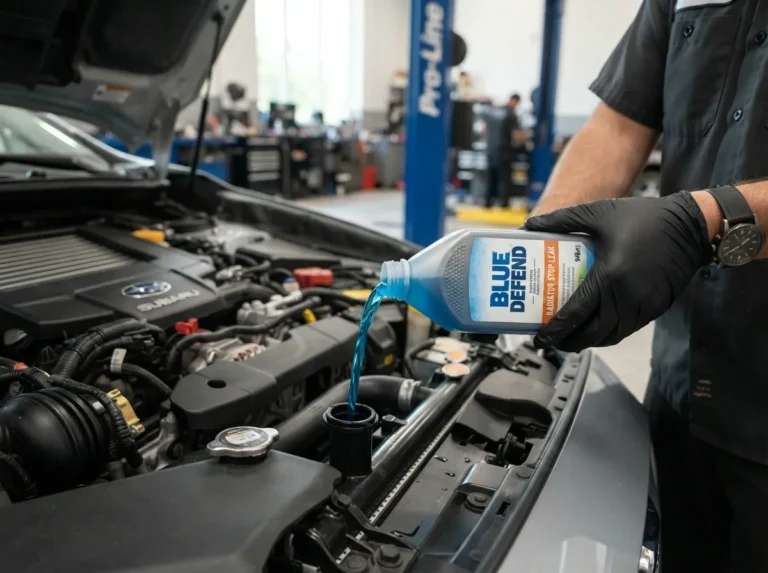
The best coolant for summer is OEM-approved OAT/HOAT 50/50 with distilled water.
When heat climbs, your cooling system becomes your car’s lifeline. I’ve serviced engines in triple-digit temps and seen the difference the right mix makes. In this guide, I break down the best coolant for summer with clear steps, brand-safe picks, and shop-tested tips. You’ll learn what to buy, how to mix it, and how to avoid costly mistakes—so your car stays cool, even when the sun does not.
What makes a coolant the best coolant for summer?
Summer adds stress. Air is hot. Radiators reject less heat. Traffic crawls. The best coolant for summer needs strong boil-over protection, steady corrosion control, and full system compatibility. That means the right chemistry and the right mix.
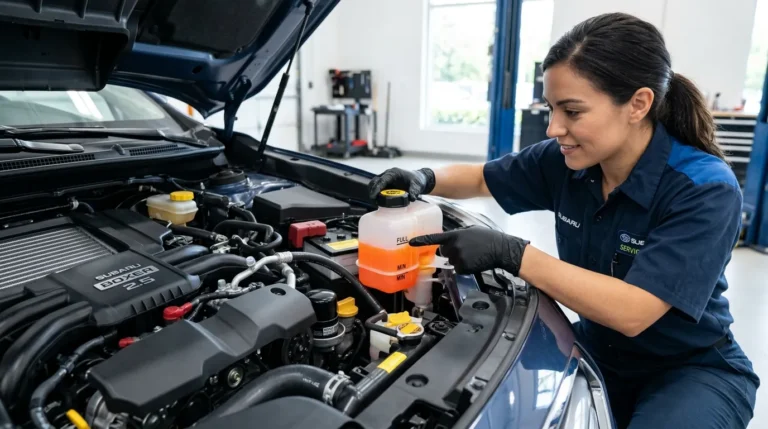
Most modern cars use OAT or HOAT coolant. These give long life and clean internals. A 50/50 mix of ethylene glycol and distilled water works for most. If you tow or face extreme heat, a 55/45 or 60/40 mix can add margin.
System pressure matters too. A healthy cap raises the boiling point. So does a clean radiator and a working fan. The best coolant for summer helps. But the whole system has to play its part.

Coolant types explained
Coolant is more than color. It is chemistry. Here are the common types you will see.
- IAT. Older green. Uses fast-acting silicates and phosphates. Short life. Good for classic cars that need those inhibitors.
- OAT. Organic Acid Technology. Long life. Used by many modern makes. Often orange, pink, or purple. Dex-Cool is a form of OAT.
- HOAT. Hybrid OAT. Adds a small dose of silicate or phosphate for quick protection. Many European coolants are Si-OAT. Many Asian coolants are P-OAT.
- G numbers. EU makers use tags like G48, G12++, and G13. These mark exact specs, not color.
- Propylene glycol. Less toxic option. Slightly lower heat transfer than ethylene glycol. Works if it meets the right spec.
Never pick by color alone. Match the spec in your owner’s manual. That is the best coolant for summer for your car, period.
How to choose the best coolant for summer for your car
Use this simple checklist when picking the best coolant for summer.
- Follow OEM spec. Check the manual or underhood label. Look for exact approvals, not “meets or exceeds.”
- Pick the right chemistry. Asian cars often use phosphated OAT. European cars use Si-OAT or HOAT. US makers vary by year and engine.
- Choose premix or concentrate. Premix is easy. Concentrate gives control if you have distilled water on hand.
- Target the right mix. 50/50 is standard. Go 55/45 or 60/40 (coolant/water) for hot, high-load use. Avoid 70% or higher. It hurts heat transfer.
- Test your water. Use distilled or deionized water. Tap water can add minerals and scale.
- Check service history. If types were mixed before, do a full flush. Start clean.
As a rule, the best coolant for summer is the one your engine was built for, mixed right, and backed by fresh parts like a good cap and thermostat.
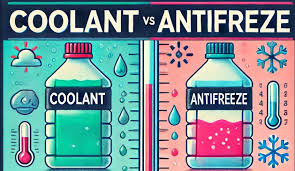
Best coolant for summer: top picks by vehicle type
These are shop-safe choices I trust. Always confirm with your manual.
Modern Asian vehicles
– Toyota, Lexus, Honda, Acura, Subaru, Nissan, Hyundai, Kia often need phosphated OAT.
- Examples include Toyota Super Long Life (pink), Honda Type 2 (blue), Subaru Super Coolant (blue).
- Why they work in summer: stable additives, clean aluminum protection, and long life.
Modern European vehicles
- BMW often uses G48 HOAT (blue). Mercedes uses MB 325.5/325.6. VW/Audi use G12++, G13 (Si-OAT).
- Brands include BASF/GLYSANTIN lines and OEM bottles.
- Why they work in summer: silicate-enhanced films guard fast, ideal for alloy blocks and high heat.
Modern US vehicles
- GM uses Dex-Cool style OAT for most late models.
- Ford moved to a yellow OAT in many newer models. Older Fords may need different specs.
- Mopar uses OAT (often purple) for many late models.
- Why they work in summer: correct inhibitors for gaskets, pumps, and aluminum parts.
Diesel and heavy-duty
- Look for ASTM D6210 or OEMs like Cummins CES 14603 or CAT EC-1.
- Nitrite-free OATs work well for modern EGR/DPF engines and aluminum coolers.
- Strong cavitation control keeps liners safe at high load and heat.
Track days and racing
- Many tracks ban glycol. Use distilled water plus a racing corrosion inhibitor and surfactant.
- For street use in heat, stick with a 50/50 or 55/45 glycol mix. Add a wetting agent if allowed.
- Raise cap pressure only within OEM limits.
Hybrids and EVs
- Use the exact OEM non-conductive coolant. Some systems are sensitive to additives and pH.
- Do not improvise. Wrong fluid can damage high-voltage parts.
If you want the best coolant for summer by the book, match the label on the jug to the spec on your manual. That simple step avoids 90% of cooling headaches.
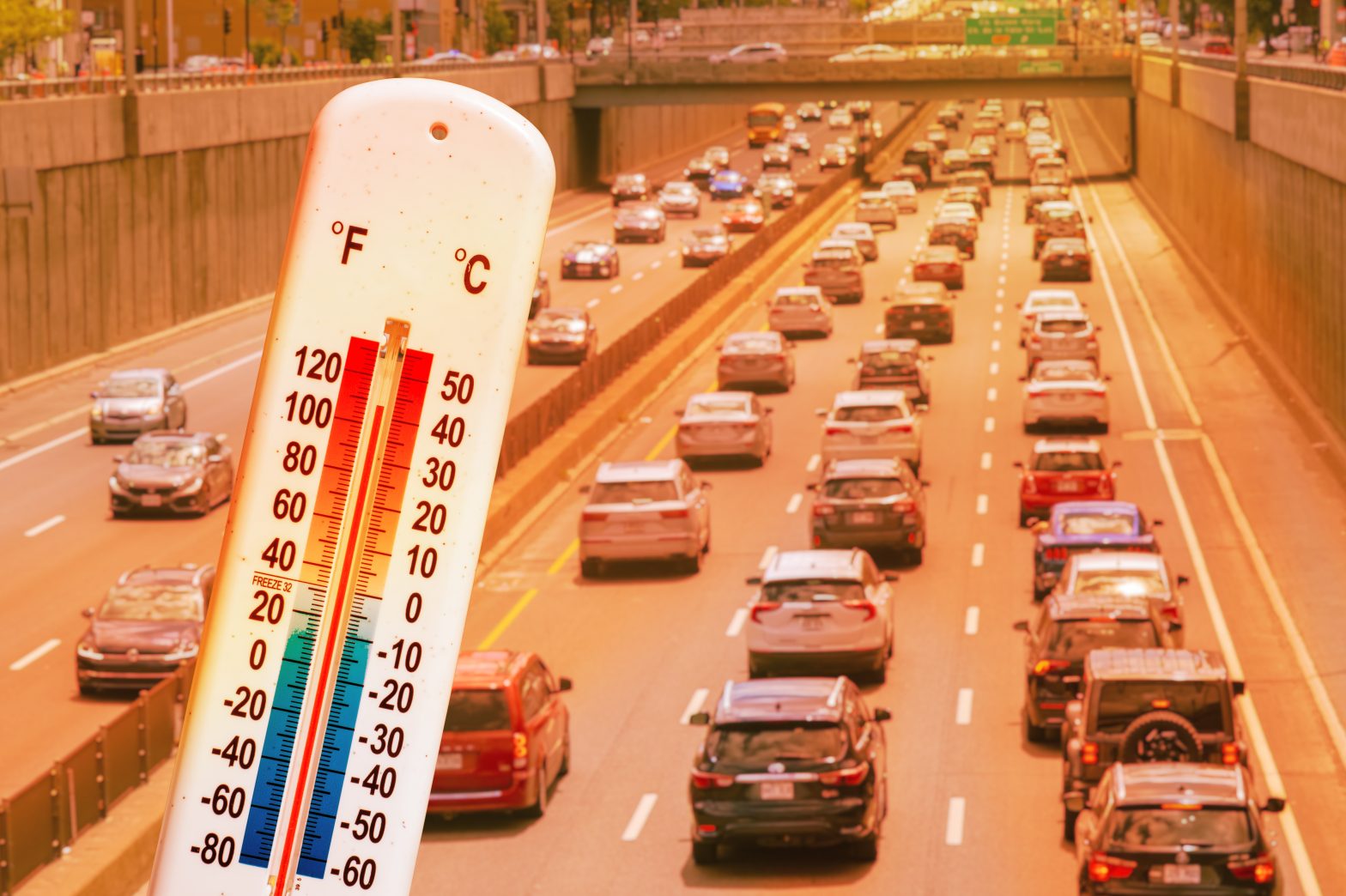
Mixing, water quality, and boil-over protection
Mix and water choice can make or break the best coolant for summer.
- 50/50 mix. Good freeze to about −34°F and boil up to about 265°F with a 15 psi cap. Great balance for daily drivers.
- 55/45 or 60/40. More boil protection for towing, mountain grades, or desert heat. A slight drop in heat capacity is worth it for some use cases.
- Water matters. Use distilled or deionized water only. Minerals cause scale. Scale kills heat transfer.
- System pressure. A strong cap raises the boiling point. Replace weak caps.
- Additives. Wetting agents can cut surface tension and improve heat transfer. Follow label rules. Some are not compatible with all OAT coolants.
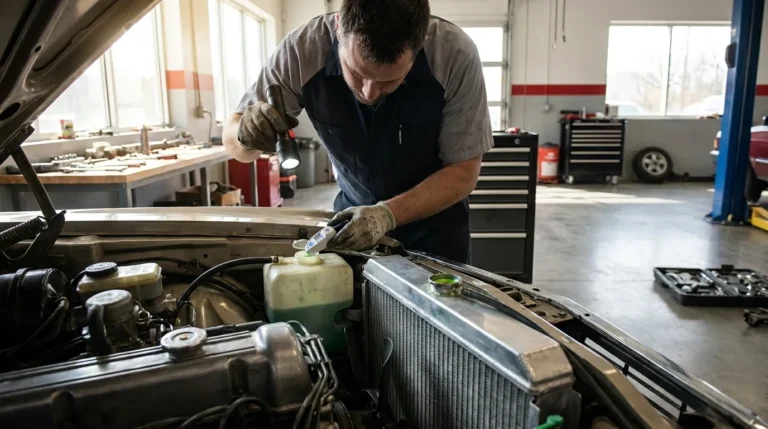
I keep a refractometer in my kit. It reads freeze point and mix in seconds. It helps me verify the best coolant for summer is mixed right before a road trip.
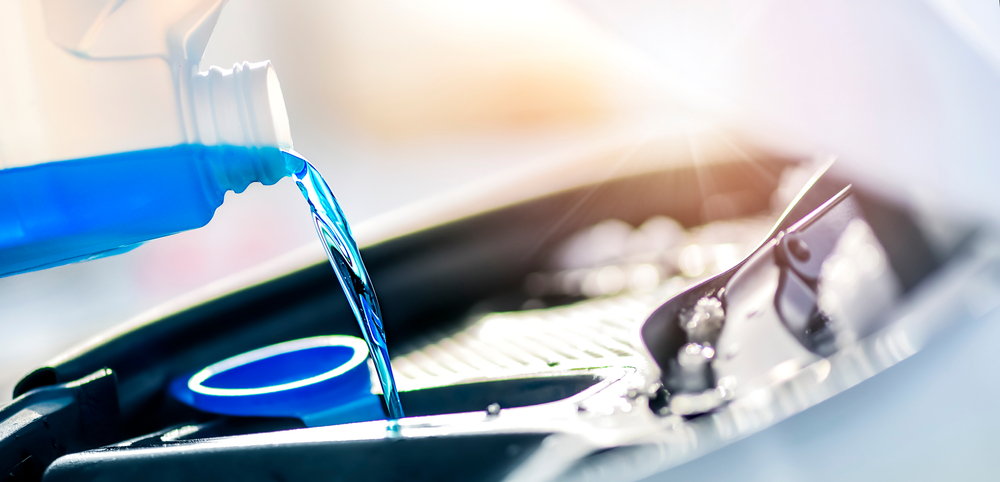
Summer cooling system checklist
Heat exposes weak parts. Before the first heat wave, work this list.
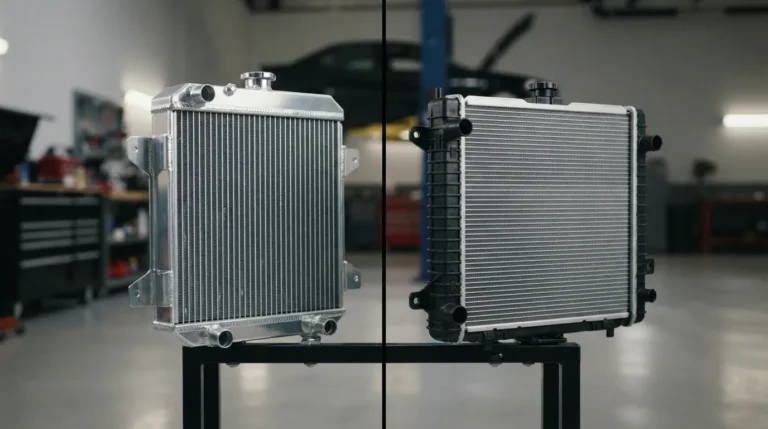
- Radiator. Look for bent fins, leaks, or debris. Clean the face with low-pressure water.
- Cap. Test or replace. A fresh cap is cheap insurance.
- Thermostat. If temps creep or cabin heat is weak in winter, replace it.
- Hoses and clamps. Soft spots or bulges mean it is time.
- Fans and relays. Confirm both low and high speeds work. Check the fan shroud.
- Water pump. Listen for noise. Look for seepage at the weep hole.
- Overflow bottle. Make sure the hose is tight and the bottle is clean.
- Scan tool. Watch ECT and fan commands. Validate gauge readings.
Do these, then add the best coolant for summer that matches your spec. You will feel the difference when stuck in traffic with the AC blasting.
Common mistakes and myths
- Picking by color. Color is marketing. Specs are facts.
- Mixing types. You can get sludge and weak protection. When in doubt, flush.
- Going heavy on coolant. Over 60–65% hurts heat transfer. More is not better.
- Tap water. Minerals form scale. Use distilled water.
- Ignoring the cap. A weak cap lowers the boiling point and invites overflow.
I learned this the hard way on a hot day in Phoenix. A $12 cap fixed a car that “overheated” with the best coolant for summer in it. The fluid was fine. The pressure was not.
Real-world examples from the shop
- Daily driver in Vegas. A compact with AC issues kept creeping to hot. We flushed the mixed coolants, added OEM OAT at 55/45, replaced the cap, and cleaned the condenser. Temps dropped 10–15°F in similar traffic.
- Towing SUV in Texas. Customer hauled a boat on weekends. We used the OEM-approved OAT at 60/40, checked fan clutch and shroud, and added a new thermostat. Coolant stayed stable on grades in 105°F heat.
- Euro turbo sedan. Came in with brown sludge from mixed coolants. Full HOAT flush, fresh hoses, and a G-number match fixed it. The best coolant for summer only works if you start clean.
These cases taught me that the best coolant for summer is a system decision. Fluid, mix, pressure, and airflow must align.

Environmental and safety notes
- Ethylene glycol is toxic. Keep away from pets. Clean spills at once.
- Propylene glycol is less toxic but still needs care. Do not dump any coolant.
- Dispose at a proper site. Many parts stores accept used coolant.
- Follow ASTM D3306 for light-duty and D6210 for heavy-duty standards. OEM approvals add another layer of safety.
If you want the best coolant for summer and a safer garage, store sealed containers high and labeled. Use a drain pan with a lid.
Frequently Asked Questions of best coolant for summer
What mix ratio is best for summer heat?
A 50/50 mix works for most drivers. For very hot climates or towing, 55/45 or 60/40 can add boil-over margin.
Can I mix different coolant colors?
No. Color is not a spec. Mixing types can cause sludge and weak protection; flush and refill with the right type.
Is distilled water necessary?
Yes. Distilled or deionized water prevents mineral deposits and scale. Tap water can reduce heat transfer and cause hot spots.
How often should I change coolant before summer?
Follow your manual, often every 5 years or 100,000 miles for modern OAT/HOAT. If you do many short trips or tow often, test yearly and service earlier if needed.
What is the best coolant for summer for older cars?
Many classics need IAT green with silicates for fast-acting protection. Confirm with the service manual or a trusted marque guide.
Will a water wetter replace coolant in summer?
No. It can help heat transfer, but it does not add freeze or boil protection like glycol. Use it only as directed and with the right base fluid.
Does a higher-pressure cap help in summer?
A healthy cap helps by raising the boiling point. Only use caps rated for your vehicle to avoid hose or radiator damage.
Is propylene glycol good for hot weather?
It works if it meets your spec, but it has slightly lower heat transfer than ethylene glycol. Most OEMs still prefer ethylene glycol for best performance.
What about the AC condenser blocking the radiator?
A dirty condenser blocks airflow and raises coolant temps. Clean the fins gently and check that the fan shroud is intact.
How do I know the best coolant for summer for my specific car?
Check the owner’s manual for the exact spec or approval code. Match that on the jug and use a 50/50 to 60/40 mix with distilled water.
Conclusion
Pick the spec your car calls for, mix it right with distilled water, and keep the system healthy. That is the real best coolant for summer. A strong cap, clean radiator, and verified fan control turn good coolant into great summer protection.
If you are about to face a heat wave, check your cap, flush if needed, and refill with the right OAT or HOAT at 50/50 to 60/40. Want more hands-on tips? Subscribe for upcoming guides, or drop a comment with your car and climate, and I’ll help you dial it in.