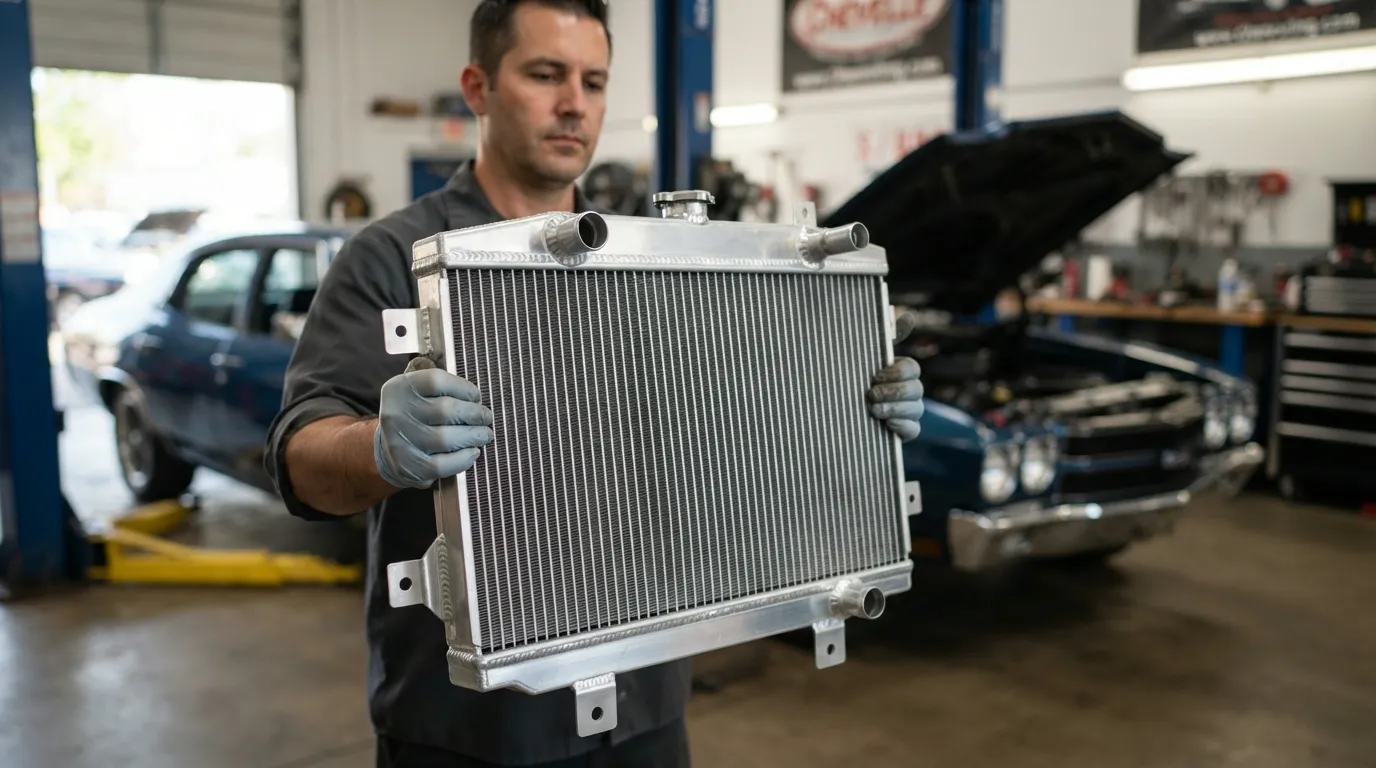
Best all-around radiator for high-mileage cars: heavy-duty OEM-fit aluminum core, 2.5-row design, with lifetime warranty.
I’ve worked on dozens of high-mileage cars and seen cooling failures ruin engines. This guide explains why the best radiator for high mileage cars matters, how to pick one, and which features actually extend engine life. Read on for clear, tested advice, practical tips, and simple checks you can do today to keep your car running cooler, longer.
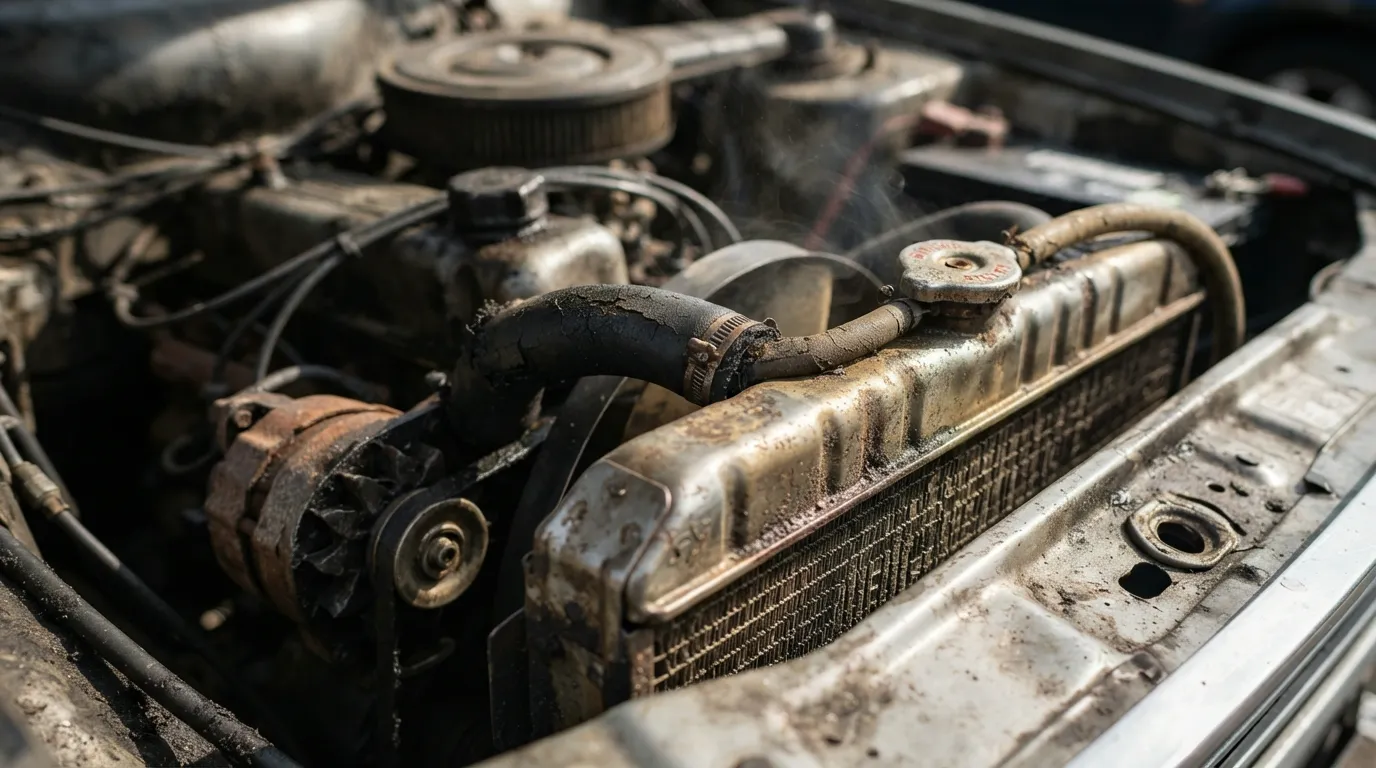
Why the radiator choice matters for high-mileage cars
High-mileage engines run hotter and often have thinner coolant passages. A weak radiator lets heat build up. That speeds head gasket failure, warping, and costly repairs.
A good radiator restores cooling capacity. It lowers engine stress. It protects worn water pumps, old hoses, and aging engine blocks. Choosing the best radiator for high mileage cars can add years to an engine’s life and prevent roadside breakdowns.
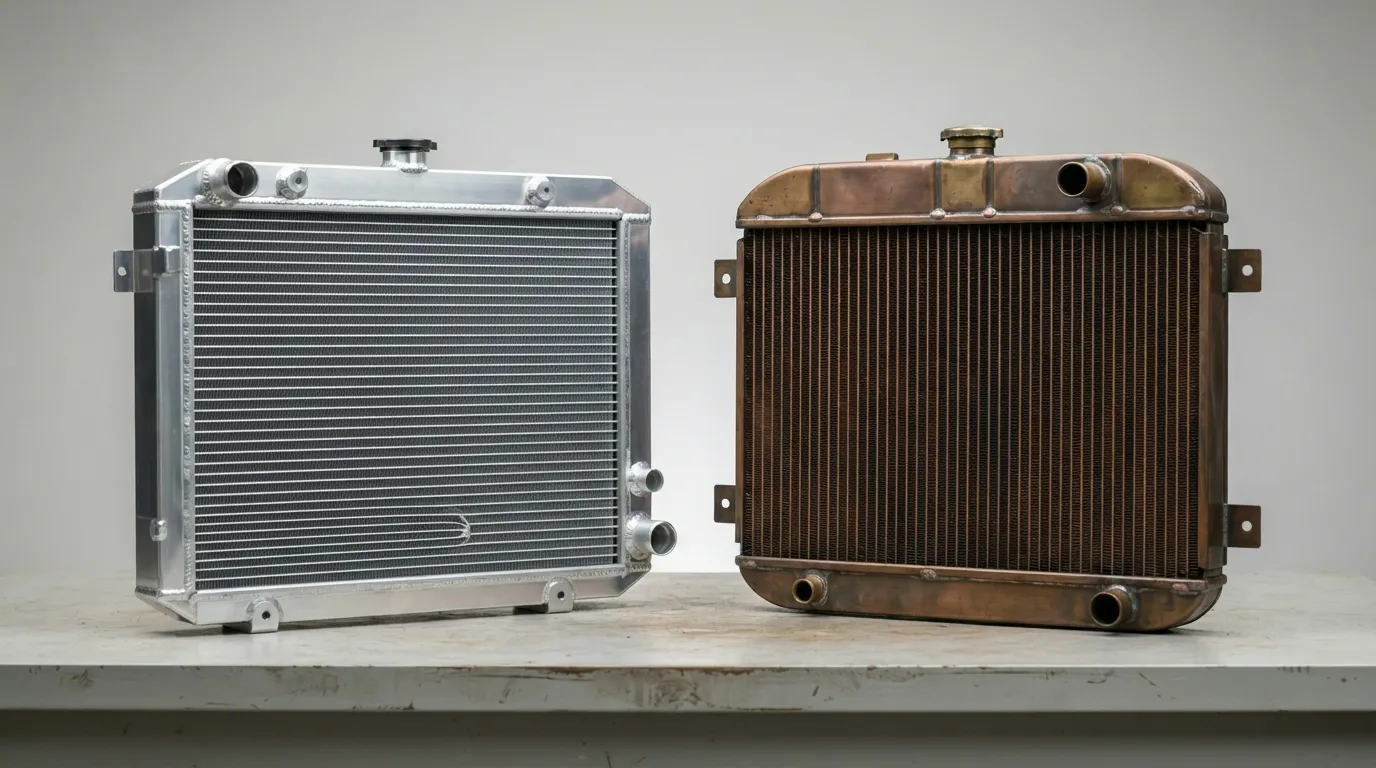
Types of radiators and what works best for older cars
Understanding radiator types helps you match the right one to a high-mileage engine.
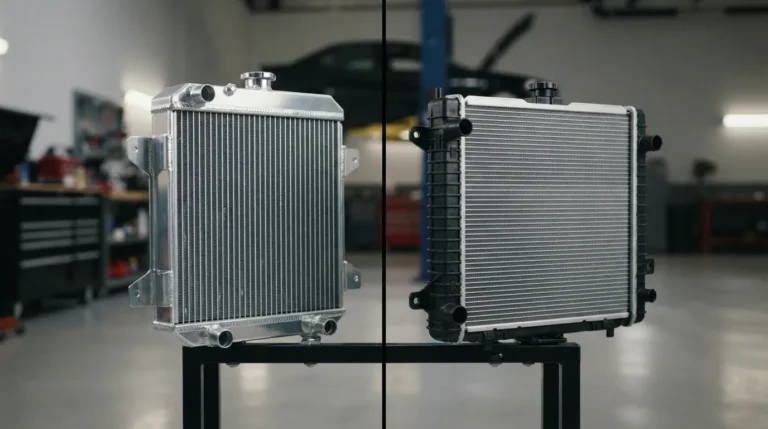
- Aluminum multi-row radiators
- Offer high cooling efficiency and low weight.
- Ideal for most high-mileage cars needing better heat transfer.
- Copper-brass radiators
- Easier to repair and gentle on old, corroded fittings.
- Best for classic cars or vehicles with fragile cooling systems.
- Plastic-tank radiators
- Affordable and common in OEM replacements.
- Less durable on high-mileage cars that see heat cycling and vibration.
- Crossflow vs downflow
- Crossflow radiators cool more evenly and work well in modern engines.
- Downflow types are fine for older designs but may be less efficient.
For high-mileage cars, aluminum with a robust core or a repairable copper-brass option usually makes the most sense. Match the type to the engine layout and the car’s age.
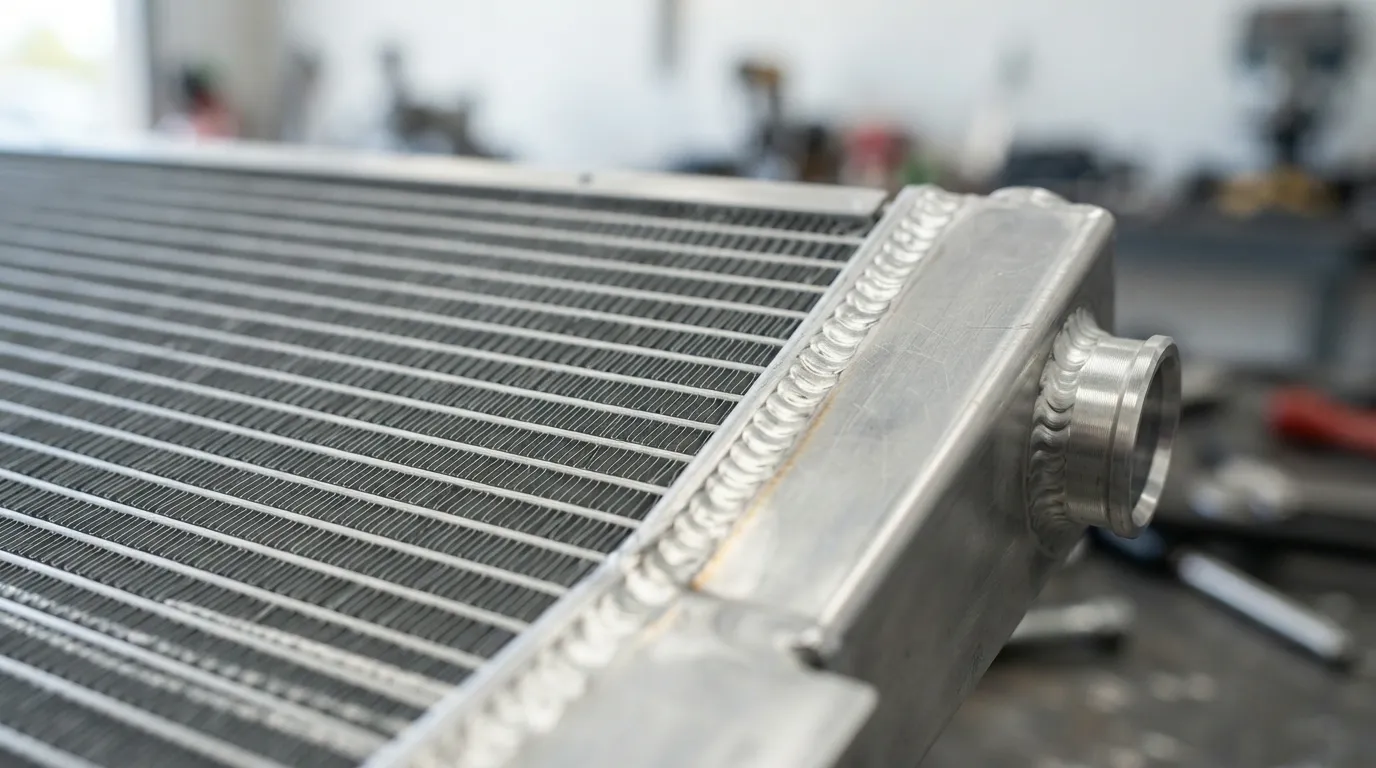
Key features to look for in the best radiator for high mileage cars
Pick radiators with real-world benefits, not just flashy specs.
- OEM-fit dimensions
- Ensures easy installation and correct hose alignment.
- Core thickness and row count
- Thicker cores and 2.5–3 rows boost cooling capacity.
- High fin density with quality fins
- Improves heat transfer without increasing size.
- Durable tank material
- Aluminum or metal tanks beat cheap plastic for longevity.
- Integrated transmission cooler
- Useful if you tow or have heavy loads.
- Pressure-cap rating and quality fittings
- Proper pressure control reduces boiling and cavitation.
- Warranty and support
- Longer warranties signal manufacturer confidence.
I’ve swapped thin cores for 2.5-row aluminum radiators and watched coolant temps drop 10–15°F on highway drives. That real drop matters on long trips.
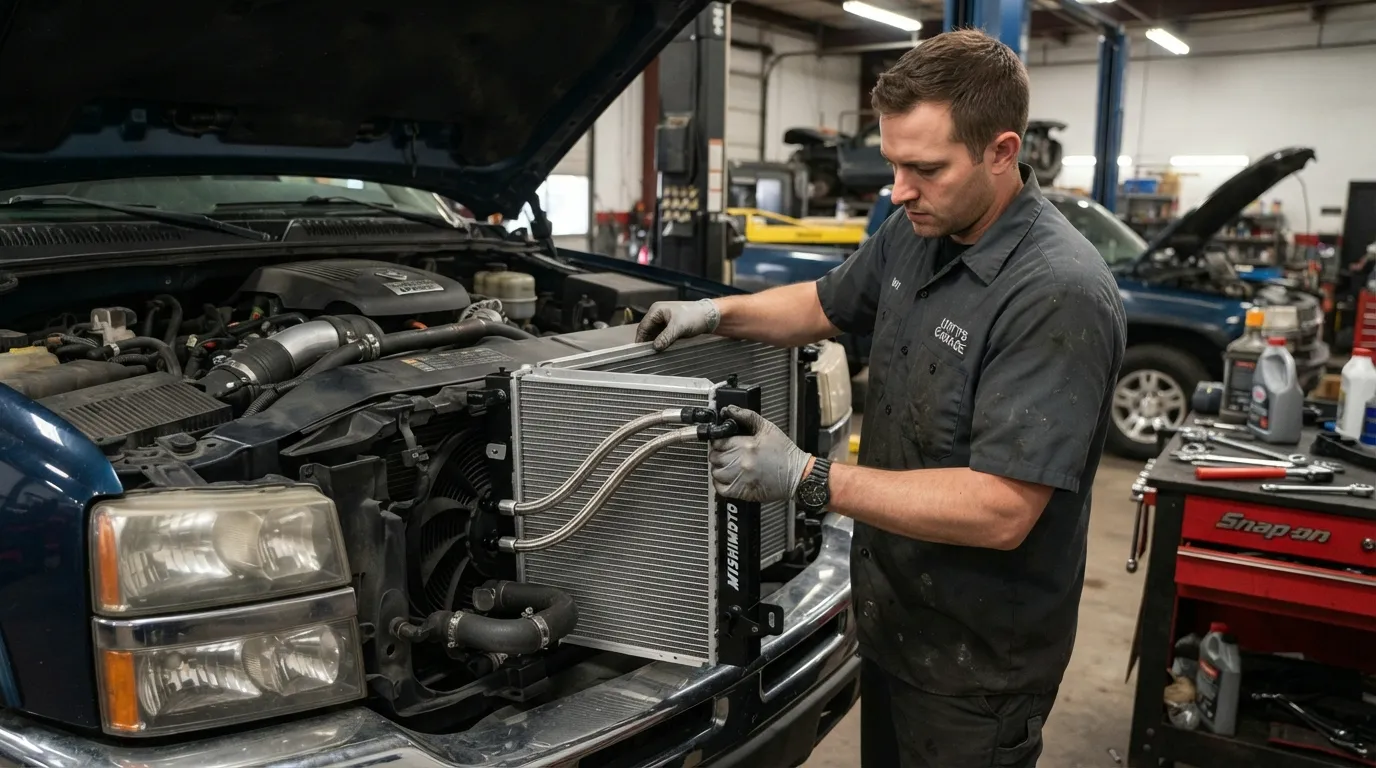
How to choose the best radiator for high mileage cars by use-case
Different needs call for different radiators. Pick based on how you drive.
- Daily city commuter
- Choose an OEM-fit aluminum radiator with a good core thickness. Look for anti-corrosion treatments.
- Towing or hauling
- Choose a heavy-duty 3-row aluminum radiator with an integrated transmission cooler if possible.
- Classic or rust-prone cars
- Choose a copper-brass radiator that can be soldered and repaired.
- Performance or modified engines
- Choose a high-flow, high-capacity aluminum radiator sized for the extra heat.
Consider coolant type, local climate, and whether the engine has prior overheating history. A durable radiator is a small investment compared to an engine rebuild.

Installation, maintenance, and troubleshooting tips
A great radiator still needs proper care. Small actions prevent major problems.
- Installation checklist
- Ensure exact fit and firm mounting. Replace hoses and clamps when swapping radiators.
- Use a new thermostat and pressure cap to match the radiator’s specs.
- Routine maintenance
- Flush cooling system every 2–4 years or per mileage. Use correct coolant mix.
- Inspect hoses and clamps each oil change. Look for soft spots, bulges, or leaks.
- Troubleshooting common issues
- Overheating after replacement — check for air pockets and bleed the system.
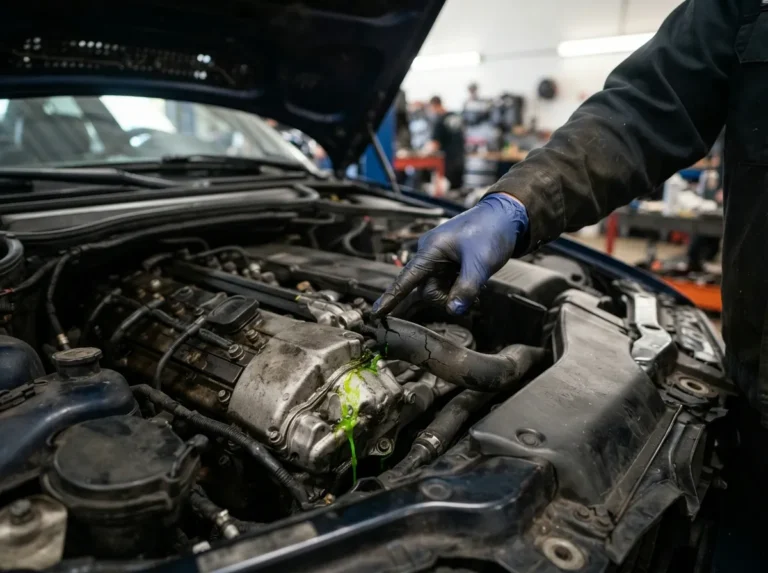
- Slow leaks — pressure test the system to find hairline cracks.
- Hot spots — inspect for clogged fins and corrosion inside the radiator.
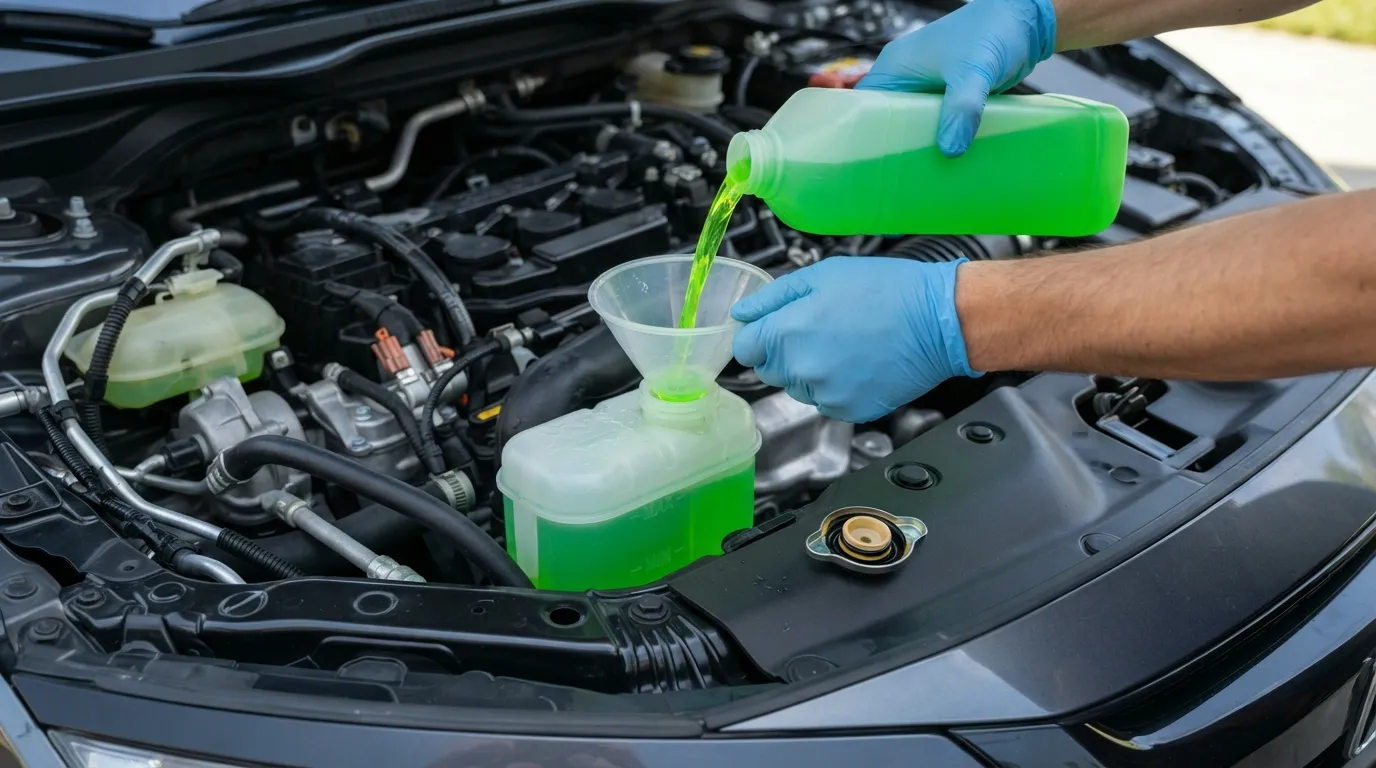
From personal experience, a full flush and new radiator cap after installing a new radiator fixed persistent hotspots on an older sedan. Don’t skip bleeding — trapped air hides many problems.
Repair vs replacement: when to fix and when to swap
High-mileage cars often present a tough choice. Save time and money by following simple rules.
- Repair when
- Damage is limited to a small, accessible area on a copper-brass radiator.
- The core is mostly sound and parts are available.
- Replace when
- Tanks are plastic and cracked, or multiple leaks exist.
- The core is heavily corroded, or internal passage buildup reduces flow.
- Cost-benefit sense
- If repair costs approach 50% of a replacement, replace. New radiators often come with warranties and improved designs.
I’ve repaired a copper-brass radiator twice on a vintage car. Eventually, repeated repairs cost more than a modern replacement and introduced reliability worries.
People also ask — quick answers
What radiator material lasts longest for high-mileage cars?
Copper-brass radiators are repairable and can last decades if maintained, but modern aluminum radiators with quality tanks also last long when matched to the car and properly cared for.
Can I use any coolant with a new radiator?
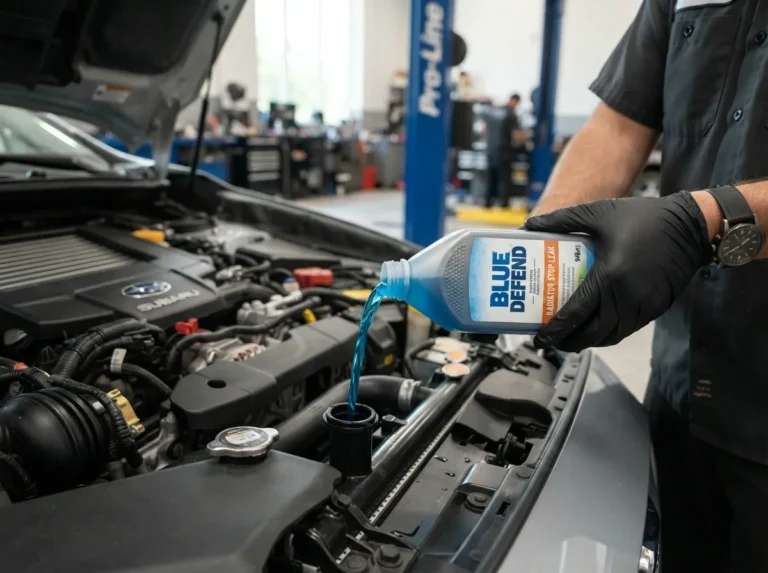
Use the coolant type the vehicle manufacturer specifies. Mixing incompatible coolants or using plain water shortens radiator life and risks corrosion.
How much does a good radiator cost for an older car?
Prices vary widely. Expect a quality aluminum replacement to cost more than a cheap plastic-tank unit but less than repeated repairs or engine damage costs.
Is a higher row count always better?
Higher row counts usually increase cooling capacity but can reduce airflow. Match the row count to the engine’s heat output and available space.
How often should I flush my radiator on a high-mileage car?
Flush every 2–4 years or per the vehicle manual. If the car has a history of overheating or dirty coolant, flush more often.
Frequently Asked Questions of best radiator for high mileage cars
What is the single best radiator type for high-mileage cars?
For most high-mileage cars, a heavy-duty OEM-fit aluminum radiator with a 2.5-row core offers the best balance of cooling, durability, and price. It improves heat control without major modifications.
How do I know if my radiator needs replacement now?
Look for persistent leaks, overheating despite a working thermostat, coolant contamination, and visible corrosion or broken fins. If multiple symptoms appear, replacement is usually the safest option.
Will upgrading the radiator improve fuel economy?
A properly sized radiator can reduce engine stress and improve efficiency slightly, especially under heavy loads, but major fuel economy gains are unlikely from the radiator alone.
Can I install a higher-capacity radiator myself?
Many owners can swap radiators if they have basic tools and follow a step-by-step guide. Replace hoses, thermostat, and bleed the system to avoid issues. Seek professional help if fittings or transmission cooler lines are complex.
Should I upgrade the water pump when replacing the radiator?
If your car is high-mileage, replacing the water pump at the same time reduces future labor costs and ensures the whole cooling system performs well. It’s a sensible preventive step.
Are aftermarket radiators reliable for high-mileage engines?
Quality aftermarket radiators from reputable manufacturers can be as reliable or better than OEM parts. Check warranties and build materials before buying.
Conclusion
Choosing the best radiator for high mileage cars means balancing durability, cooling capacity, and fit. Prioritize OEM-fit aluminum or repairable copper-brass options, match the radiator to how you use the car, and maintain the whole cooling system. Small checks and timely upgrades can prevent big engine failures and keep miles rolling smoothly.
Take action today: inspect hoses and coolant, check for leaks, and consider upgrading to a heavy-duty radiator if your car has over 100,000 miles. Share your radiator experiences or questions in the comments, or subscribe for more hands-on car care advice.