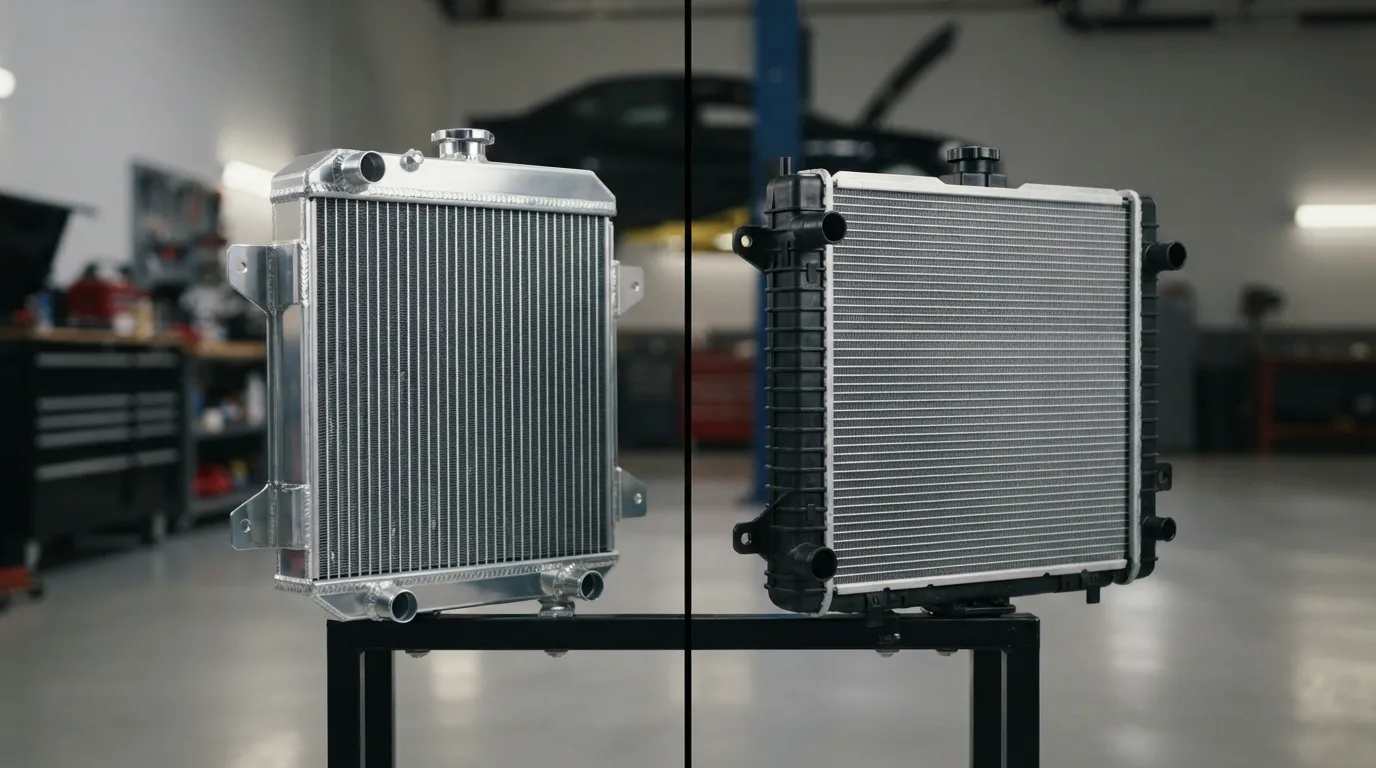
Aluminum radiators cool faster and last longer; plastic radiators are cheaper but less durable.
I have worked on vehicle cooling systems and replaced dozens of radiators. In this article I explain aluminum vs plastic radiator differences clearly. You will learn how performance, durability, cost, maintenance, and environmental impact compare. Read on for practical tips, real-world examples, and a simple decision guide to choose the right radiator for your needs.
How radiators work: basics you need to know
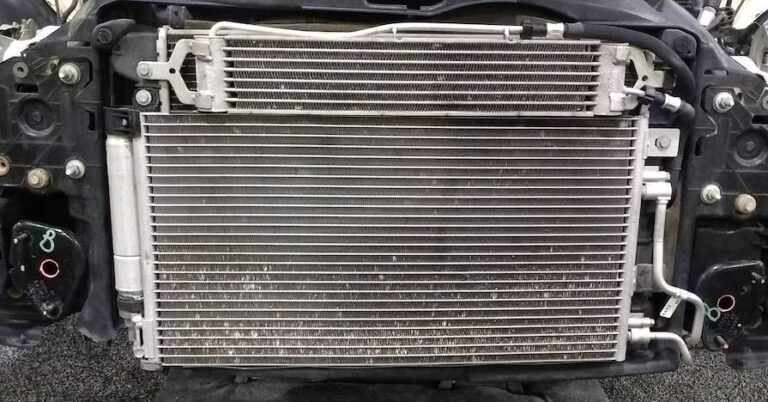
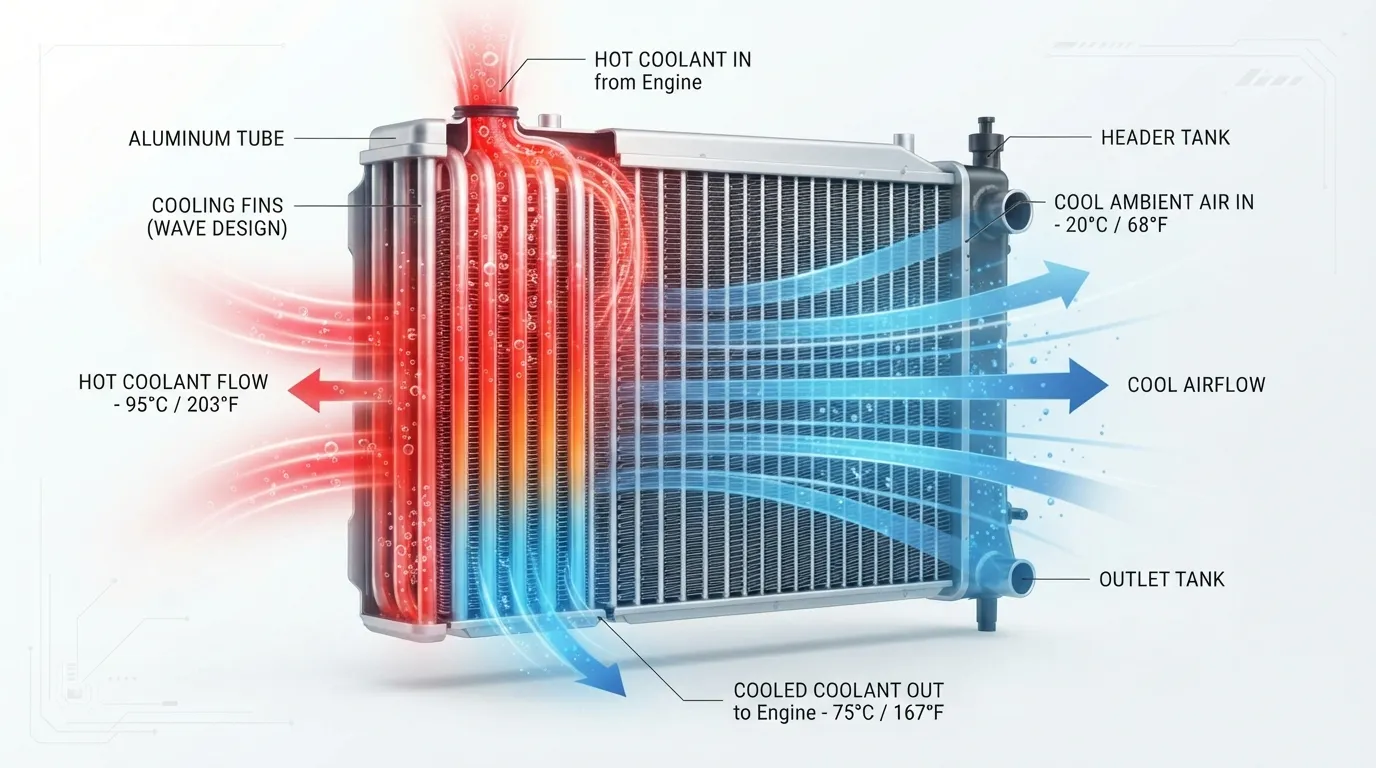
Radiators move heat from an engine or room into the air. They do this by circulating coolant through tubes and fins. Heat flows from the hot coolant into thin metal surfaces. Fans and airflow carry the heat away. Material choice affects how fast and well that heat moves.
Key terms to remember:
- Thermal conductivity: how well the material moves heat.
- Corrosion resistance: how well material resists chemical damage.
- Tank design: where the coolant sits and how pressure is handled.
Understanding these terms helps when comparing aluminum vs plastic radiator performance and longevity.
Performance comparison: aluminum vs plastic radiator
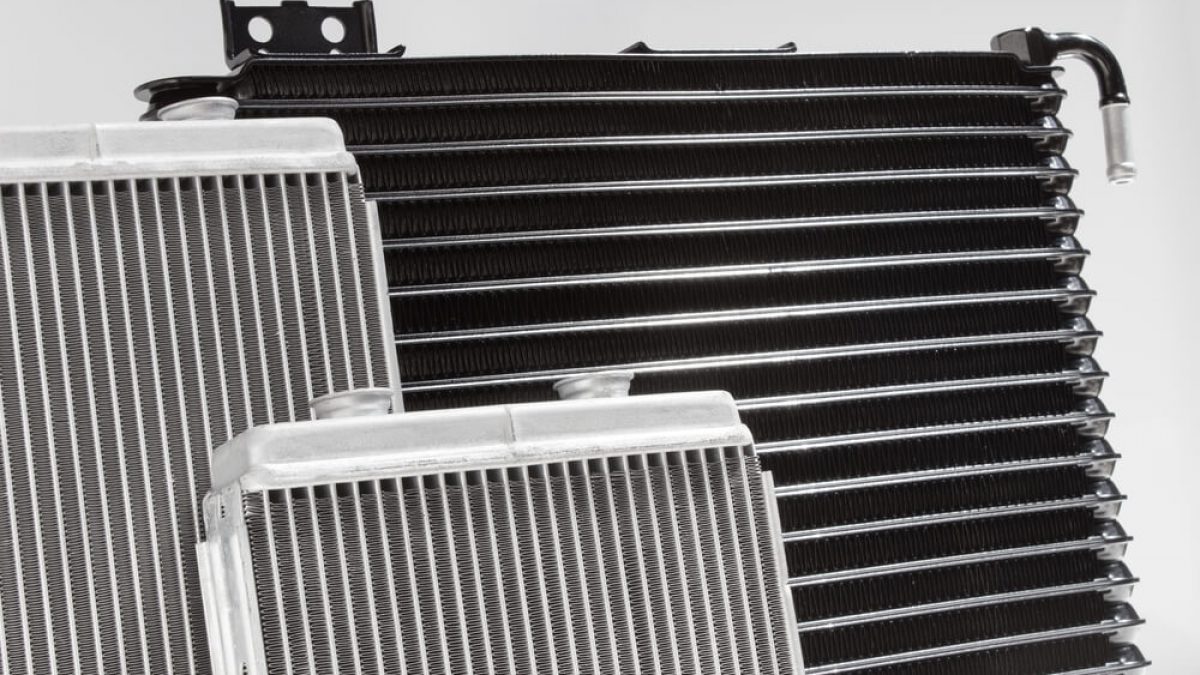
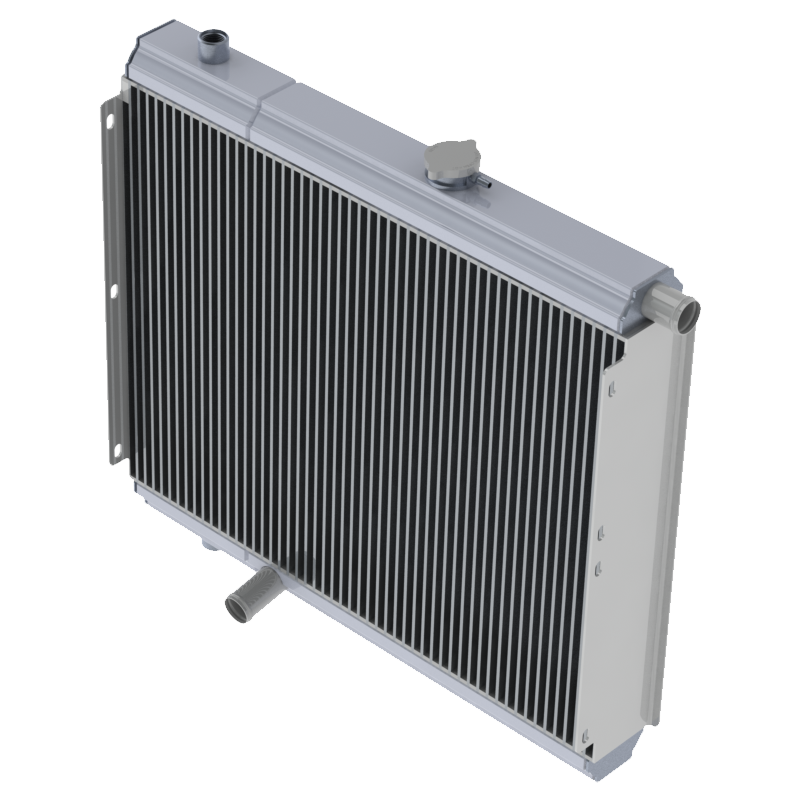
Aluminum has higher thermal conductivity than plastic. That means aluminum cores move heat faster. Plastic does not conduct heat well. Most modern radiators use aluminum cores with plastic end tanks to balance cost and weight.
Performance points:
- Aluminum core transfers heat quickly and evenly.
- Plastic end tanks can reduce cost and weight but may limit peak performance.
- Full-aluminum radiators (core and tanks) perform best for heavy use, like towing or racing.
If you tow heavy loads or drive aggressively, an aluminum radiator often keeps temperatures lower and more stable. For normal daily driving, a mixed aluminum-core/plastic-tank unit can be adequate and cost-effective.
Durability and failure modes
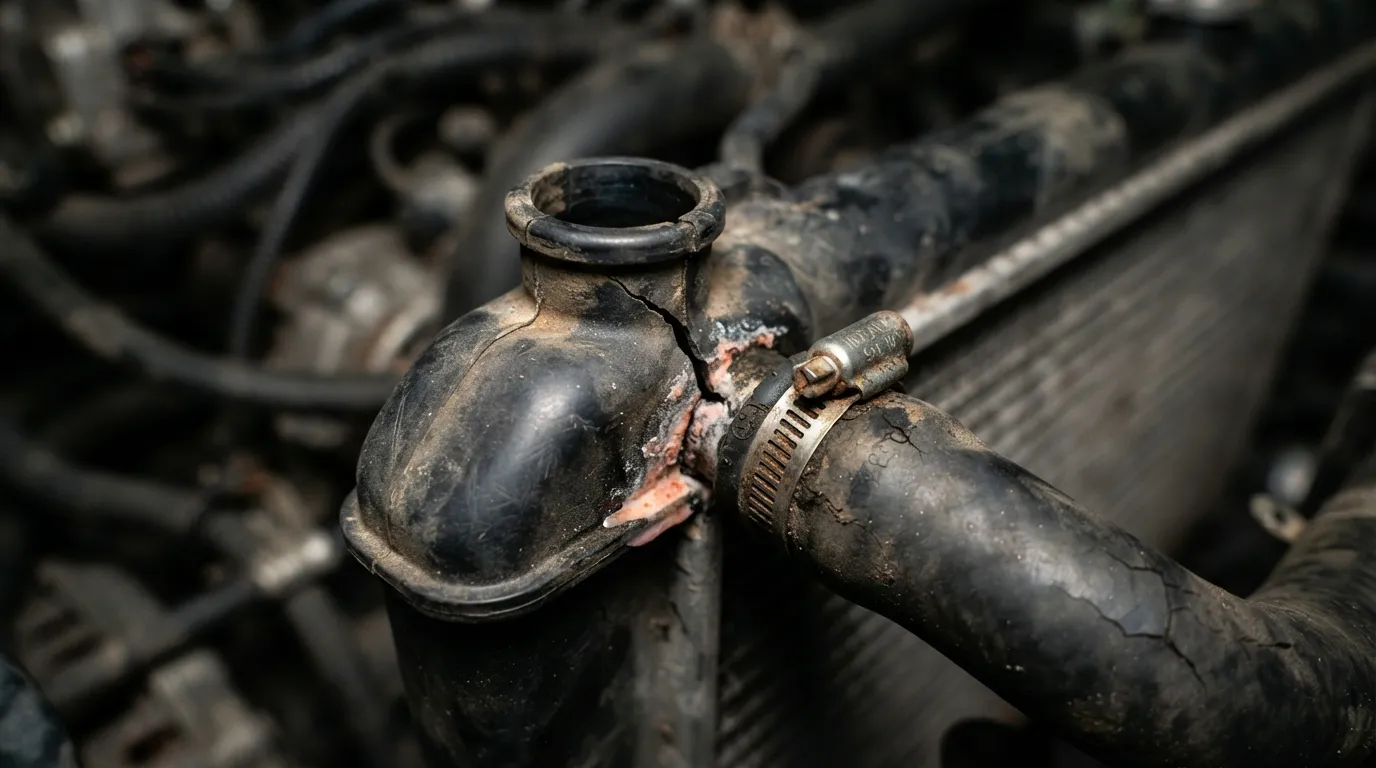
Aluminum is strong and resists many types of damage. It handles pressure well and tolerates high temperatures. Plastic tanks can crack from heat cycling, impact, or chemical attack. Over time, coolant additives and heat cycles stress plastic.
Common failure modes:
- Plastic tank cracks at welded joints or where hose clamps sit.
- Aluminum can corrode if coolant chemistry is poor or if dissimilar metals are present.
- Electrolysis or poor grounding may eat aluminum over time.
Regular coolant changes and good electrical grounding reduce the risk of corrosion in aluminum radiators. For plastic tanks, inspect for hairline cracks and replace sooner to avoid sudden leaks.
Weight, fitment, and handling
Plastic is lighter than aluminum when comparing solid pieces. However, most performance radiators use thin aluminum cores that are already very light. The real weight advantage is small when comparing a mixed aluminum/plastic unit to a full-aluminum unit.
Practical points:
- Lightweight aluminum helps performance cars and improves handling slightly.
- Plastic components reduce manufacturing cost and can simplify mass production.
- Fitment and OEM design typically determine which material you get for your vehicle.
When installing a radiator, pay attention to mount points and hose alignment. Incorrect fit can stress tanks and cause leaks, especially in plastic tanks.

Cost and manufacturing differences
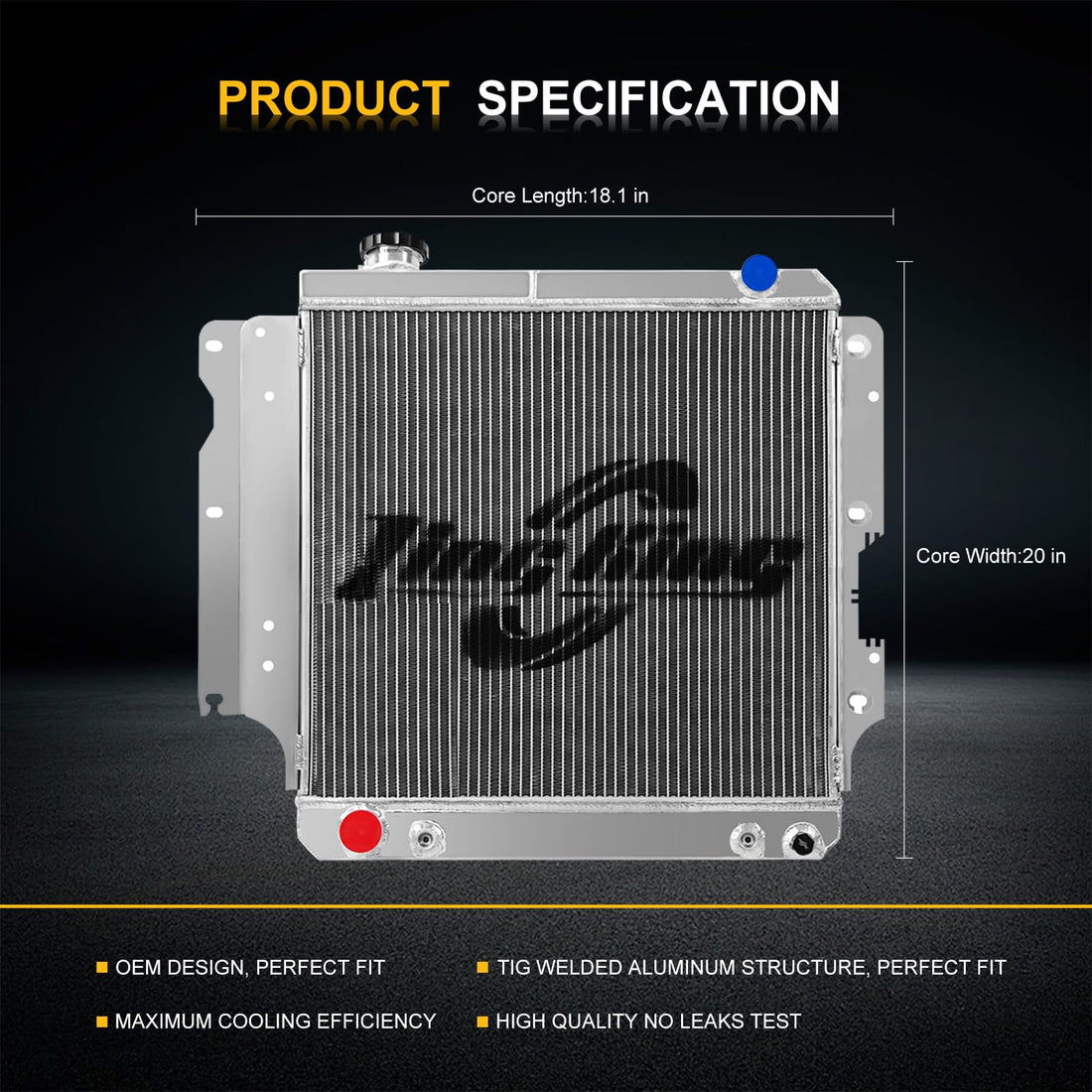
Plastic tanks are cheaper to mold at scale. Aluminum cores are more expensive to extrude and braze. Many manufacturers pair an aluminum core with molded plastic tanks to balance cost and cooling ability.
Cost factors:
- Material cost: aluminum metal cost is higher than common plastics.
- Labor: brazing and welding aluminum cores is labor- and equipment-intensive.
- Repairability: aluminum designs can be repaired by trained shops; plastic tanks often require full replacement.
If budget is a major concern, a radiator with a plastic tank may be the best choice. For longer service life, investing in a full-aluminum unit often pays off.
Maintenance, repair, and serviceability
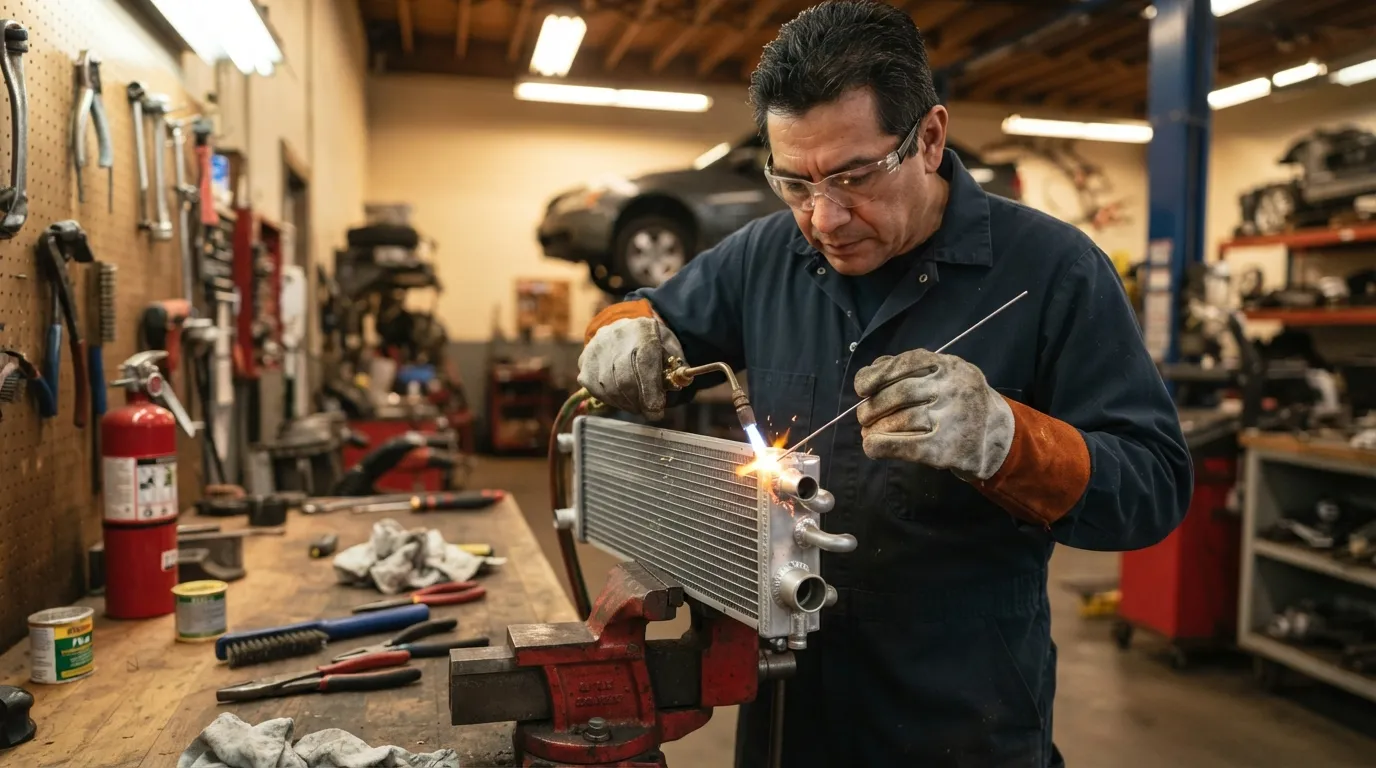
Maintenance matters more than material. Clean coolant, correct type, and periodic flushes extend life. Aluminum radiators can be repaired by brazing small leaks. Plastic tanks are usually replaced if they crack.
Maintenance checklist:
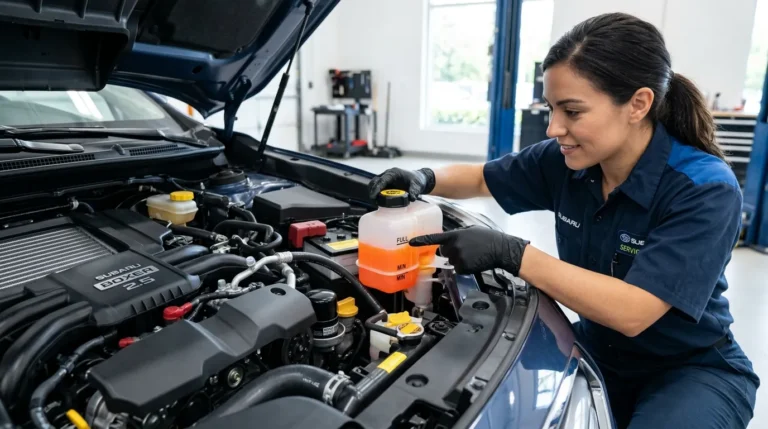
- Use manufacturer-recommended coolant and change it on schedule.
- Check hoses and clamps for proper torque and alignment.
- Inspect for early signs of leaks, cracks, or corrosion.
When I serviced cooling systems, I found many plastic-tank failures caused by overtightened clamps. Softening clamp pressure where possible and using new clamps helps prevent stress fractures.
Environmental impact and recyclability
Aluminum is highly recyclable and usually reclaimed at end of life. Plastic tanks are harder to recycle and can end up in landfills. Manufacturing aluminum uses more energy up front, but recyclability reduces long-term environmental cost.
Environmental notes:
- Recycled aluminum requires far less energy than primary aluminum.
- Mixed-material radiators complicate recycling because separating plastic from metal is laborious.
- Choosing high-quality coolant and repair over replacement reduces waste.
If sustainability is a priority, prefer full-aluminum radiators or choose shops that recycle old units properly.
Real-world examples and use cases
Daily commuter cars
- A mixed aluminum-core/plastic-tank radiator is common and generally fine.
- It balances cost and performance for normal driving.
Performance or towing vehicles
- Full-aluminum radiators shine under stress.
- They keep temperatures lower during long, heavy loads.
Classic car restoration
- Many restorers prefer full-aluminum conversions for reliability and easier repairs.
- Some choose reproduction plastic tanks for originality, but this often reduces lifespan.
I once replaced a plastic-tank radiator on a family SUV that failed after a decade. Replacing it with a full-aluminum unit cut temperature spikes during long mountain drives. That example shows how material choice matters in severe conditions.
How to choose: practical decision guide
Step 1: Define your needs
- Daily driving, light loads: mixed aluminum/plastic is cost-effective.
- Heavy towing, performance driving: choose full-aluminum.
Step 2: Check maintenance habits
- If you follow coolant schedules and inspect often, many options work.
- If you skip maintenance, full-aluminum offers more forgiveness.
Step 3: Consider budget and lifecycle cost
- Lower upfront cost may mean more replacements later.
- A higher-quality radiator may save money over time.
Step 4: Installation and warranty
- Look for proper fit and a solid warranty.
- Warranty terms often signal manufacturer confidence.
Following this guide simplifies the aluminum vs plastic radiator decision. Choose based on use case, not just price.
Personal insights, mistakes to avoid, and tips from experience
I have installed both types many times. Here are lessons I learned.
Lessons and tips:
- Always bleed the cooling system properly; trapped air causes hot spots.
- Replace worn hose clamps and use OEM-quality hoses to avoid stress on tanks.
- If a plastic tank shows any small crack, replace it promptly; patching often fails.
- When upgrading, match fan and shroud airflow to the new radiator size.
- Ground straps and proper electrical connections prevent electrolysis in aluminum units.
One mistake I made early on was reusing old clamps on a new plastic tank. The clamp groove caused a crack in winter. Now I always fit new, cushioned clamps. These small steps increase longevity and reduce breakdown risk.
Common questions from searchers (PAA-style)
What are the signs a plastic radiator is failing?
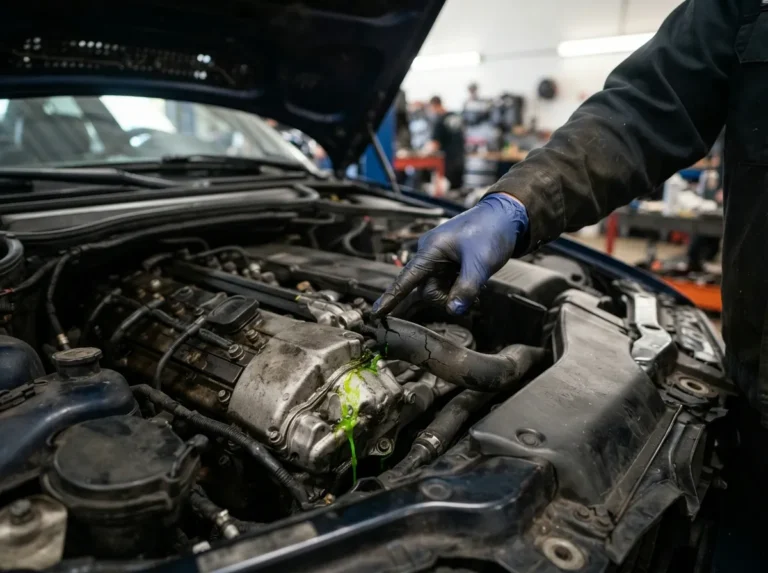
- Look for small coolant leaks around the tank seams, bulging at hose connections, and repeated low coolant levels. Cracks and coolant smell are common early signs.
Can aluminum radiators be repaired?
- Yes, minor leaks and damaged fins on aluminum cores can be brazed or soldered by a skilled technician. Major structural damage or corroded tanks may need full replacement.
Does an aluminum radiator improve fuel economy?
- Indirectly. Better cooling keeps an engine efficient, which can slightly improve fuel use under heavy loads. The effect is usually small for normal driving.
Are aluminum radiators more prone to corrosion?
- Not inherently. Aluminum corrodes differently than steel but with proper coolant and grounding, corrosion is minimal. Poor coolant chemistry and stray electrical currents increase risk.
How long do plastic-tank radiators last?
- Typical lifespan ranges from 6 to 12 years depending on use, environment, and maintenance. Heat cycling and chemical exposure shorten that life.
Frequently Asked Questions of aluminum vs plastic radiator
What is the main difference between an aluminum vs plastic radiator?
The main difference is the material used for the core and tanks. Aluminum radiators use metal for heat transfer and tanks, while many radiators pair an aluminum core with plastic tanks to reduce cost and weight.
Which radiator type cools better under load?
Full-aluminum radiators usually cool better under heavy load because aluminum transfers heat faster and handles higher pressure and temperature cycles more reliably.
Are plastic radiators cheaper to replace?
Yes, plastic-tank radiators are usually cheaper to buy and replace initially. However, they may need replacement more often, which affects long-term cost.
Can I switch from a plastic tank radiator to a full-aluminum one?
Yes, many vehicles can be upgraded. Ensure correct fitment, hose alignment, and coolant compatibility. Professional installation is recommended for best results.
How often should I inspect my radiator?
Inspect visually every oil change or at least twice a year. Look for leaks, cracks, bent fins, and loose clamps. Early detection prevents bigger failures.
Does coolant type matter for aluminum vs plastic radiator?
Yes, use the coolant type recommended by the vehicle maker. The wrong coolant chemistry can accelerate corrosion in aluminum and degrade seals in plastic tanks.
Is one type safer in cold climates?
Cold itself does not favor one material strongly. However, plastic can become brittle with age and extreme cold, making it more susceptible to impact damage. Proper winter maintenance helps either type.
Conclusion
Choosing between an aluminum vs plastic radiator comes down to use, budget, and maintenance habits. Aluminum excels in heat transfer, durability, and recyclability. Plastic tanks lower cost and weight but can crack with age or stress. Maintain your cooling system, use correct coolant, and inspect parts regularly to get the best life from any radiator.
Takeaway: match the radiator to how you drive. If you tow, race, or demand longevity, invest in full-aluminum. For everyday commuting on a budget, a quality aluminum-core with plastic tanks can serve well. If this helped, consider sharing your situation or asking more questions below, or subscribe for repair tips and buying guides.