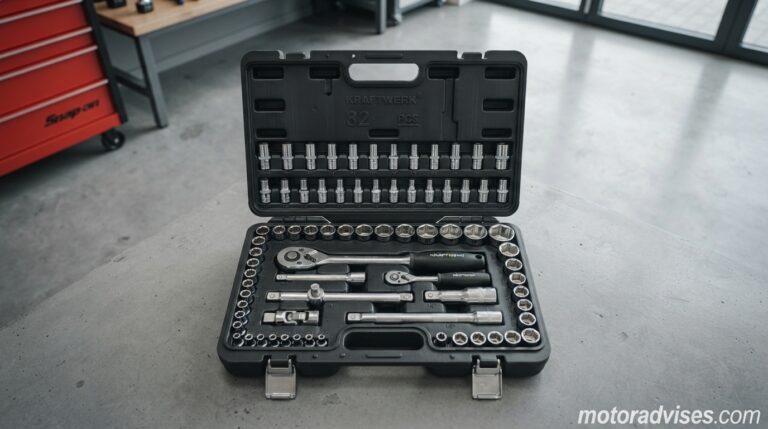
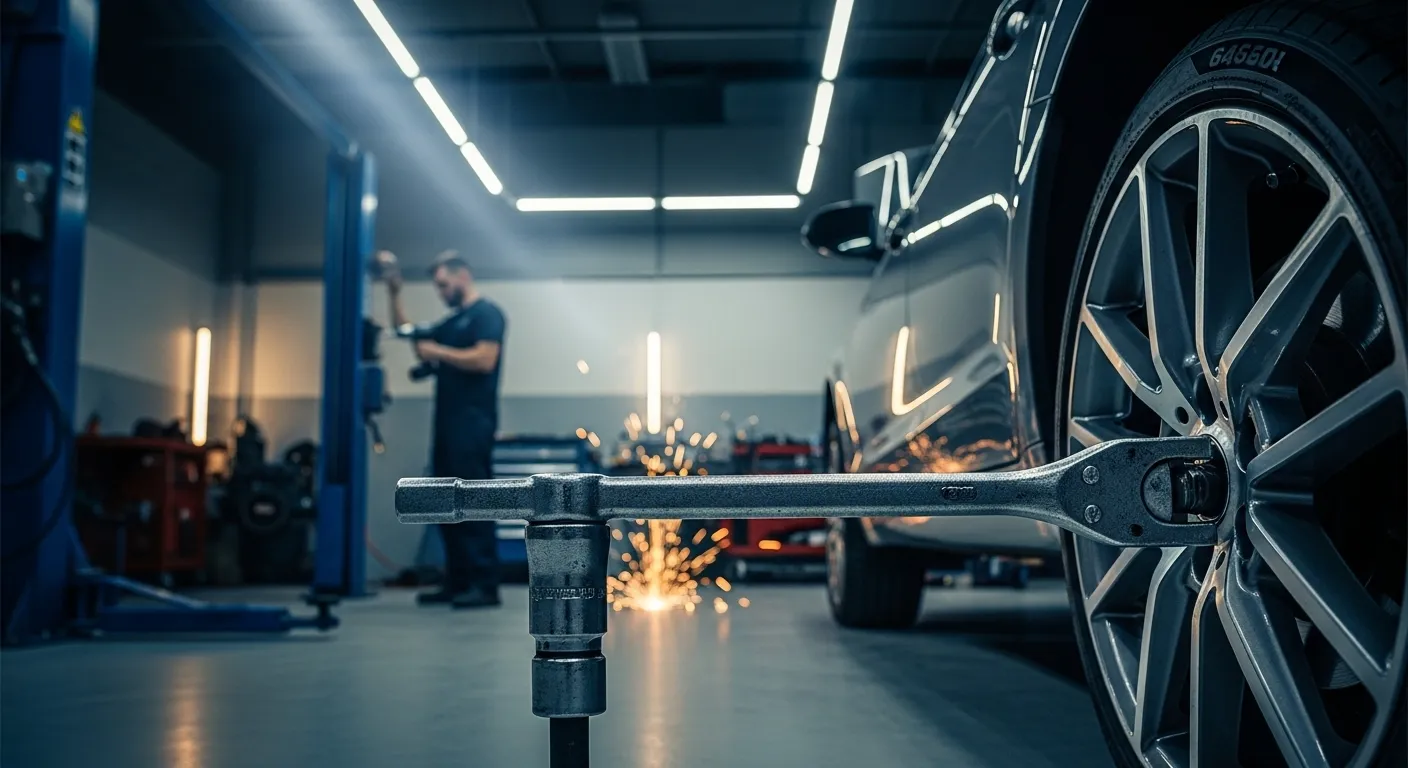
A breaker bar is used to loosen stubborn nuts and bolts with extra leverage.
If you have ever fought a seized lug nut or a rusted suspension bolt, you know the pain. Many readers ask, what is breaker bar used for, and how can it save time and stress? I have used breaker bars in home garages and pro shops. In this guide, I will explain what is breaker bar used for in plain words, share real tips, and show you how to choose and use one with confidence.
What Is a Breaker Bar?
A breaker bar is a long, non-ratcheting handle that holds a socket. Its length gives extra leverage, so you can apply more torque with less effort. That extra torque helps break free fasteners that are over-tight, rusted, or thread-locked.
Unlike a ratchet, a breaker bar has a solid pivot or fixed head. It does not click. It is built to take higher loads without damage. In short, it is the right tool when a normal wrench slips or fails.
People often ask, what is breaker bar used for in daily work? It is a go-to for stuck parts in cars, bikes, and machines. It is also key when you want control and feel, without the noise of an impact gun.
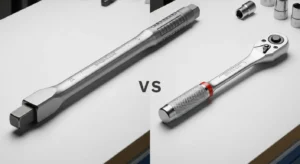
What is breaker bar used for? Core Uses and Real Examples
When folks search what is breaker bar used for, they want real jobs. Here are common tasks where it shines.
Automotive work
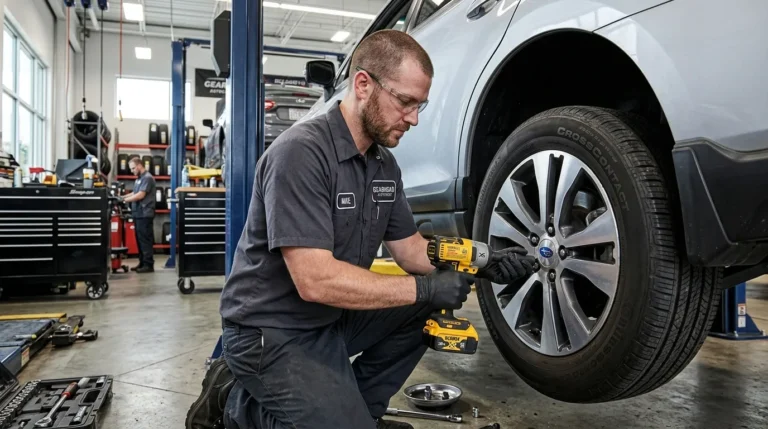
- Lug nuts on wheels that were installed by a shop air gun.
- Axle nuts and crank pulley bolts on older or high-mile cars.
- Stuck brake caliper bracket bolts and rotor retaining screws.
- Exhaust bolts that see heat cycles and rust.
Home and workshop
- Lawn mower blade bolts that bind after seasons of use.
- Rusted gate hinges, anchor bolts, and deck hardware.
- Machinery fasteners on compressors and generators.
Field examples from my bench
- I once freed a Honda crank bolt with a 24-inch breaker bar and a six-point socket. Penetrant, tension, and a steady pull did the trick.
- A wheel lug that rounded with a cheap ratchet came right off with a 1/2-inch drive breaker bar and proper socket.
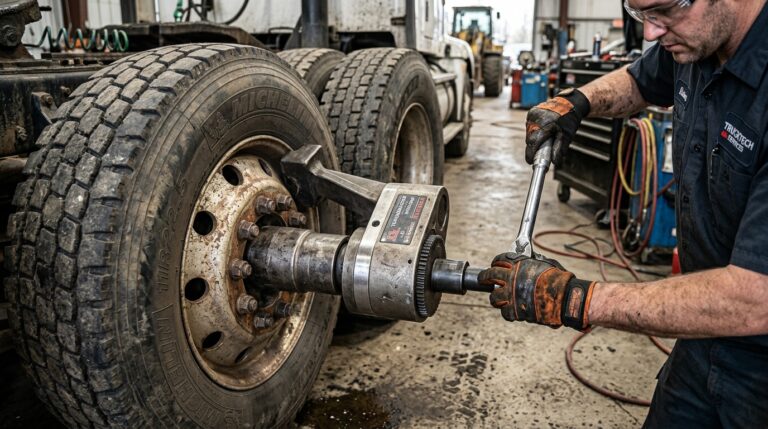
- On a truck leaf spring, a 3/4-inch drive breaker bar was the only tool that held up.
If you still wonder what is breaker bar used for, think leverage. It makes hard jobs feel fair and safe. It also helps you avoid heat, hammers, and broken knuckles.
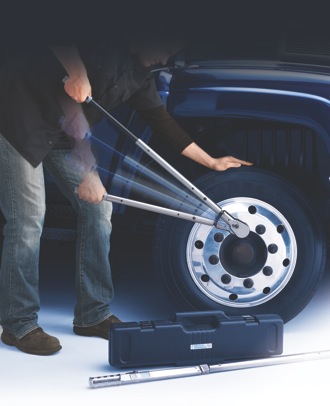
Source: brakeandfrontend.com
Breaker Bar vs Ratchet vs Torque Wrench vs Impact Wrench
It helps to compare tools so you know what to grab first.
Ratchet
- Good for speed once the fastener moves.
- Can break under heavy load if used to loosen seized parts.
- For final tightening to a spec.
- Do not use it to break loose bolts. You can ruin its calibration.
Impact wrench
- Fast for wheels and large bolts.
- Loud and needs air or a battery. Can over-torque or snap studs if used wrong.
Breaker bar
- Slow and controlled power for stuck fasteners.
- No click, no motor, just leverage and feel.
In short, when you ask what is breaker bar used for, the answer is simple. Use it to start tough fasteners, then switch to a ratchet or torque wrench.
Types, Sizes, and Materials
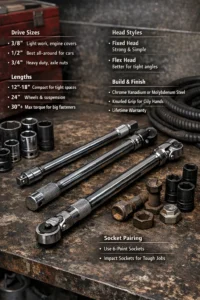
Drive sizes
- 3/8-inch drive: Light work, engine covers, small brackets.
- 1/2-inch drive: Best all-around for cars and light trucks.
- 3/4-inch drive: Heavy-duty, axle nuts, industrial bolts.
Lengths
- 12 to 18 inches: Compact, good for tight bays.
- 24 inches: Sweet spot for wheels and suspension.
- 30 inches or more: Max torque for large fasteners.
Head styles
- Fixed head: Strong and simple.
- Flex head: Better angles in tight spots. A bit less rigid.
Build and finish
- Chrome vanadium or chrome molybdenum steel for strength.
- Knurled grips help in oily hands.
- Lifetime warranty is a good trust signal.
Socket pairing
- Use six-point sockets to avoid rounding.
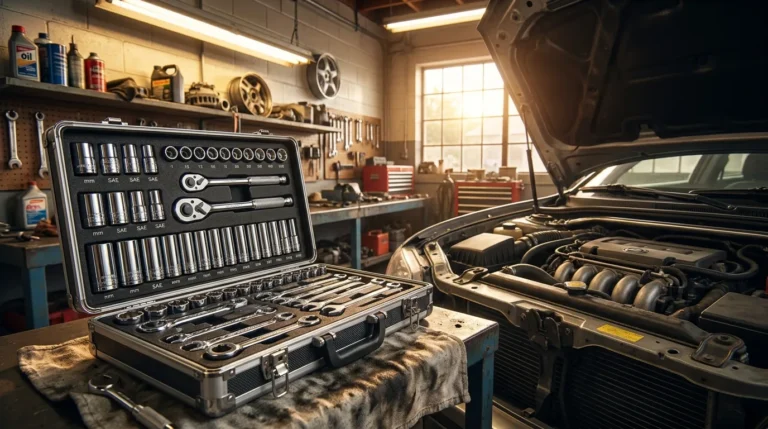
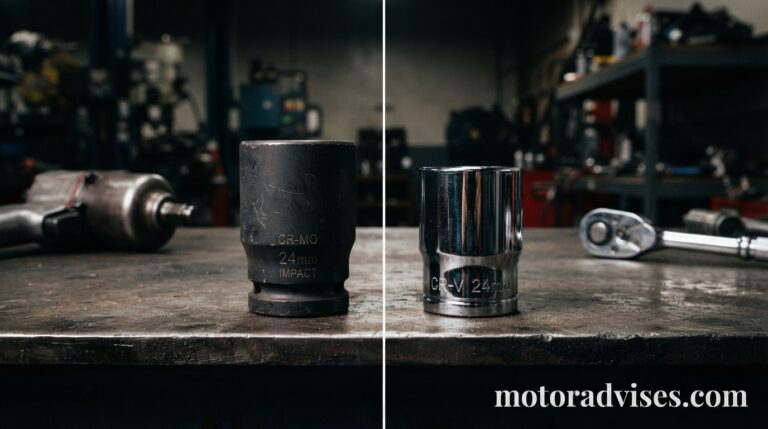
- Impact sockets offer extra toughness, even on a hand tool.
How to Use a Breaker Bar Safely and Effectively
Follow these steps for best results and fewer slips.
Step-by-step
- Choose the right drive size and length for the job.
- Use a six-point socket that fits tight on the fastener.
- Apply a drop of penetrant and wait a few minutes if rust is present.
- Position the bar so you pull toward you. Keep a stable stance.
- Apply slow, steady pressure. Avoid jerking.
- If it does not move, tap the fastener head with a hammer to shock the threads, then try again.
- For extreme cases, add a short pipe over the handle. Use caution and control.
Pro tips from experience
- Keep the bar and socket straight with the fastener. Angle causes slip.
- Do not stand on the bar. Use your arms to control force.
- Heat can help on exhaust bolts, but protect nearby parts.
This is the core of what is breaker bar used for: controlled, high torque with simple moves that protect parts and hands.

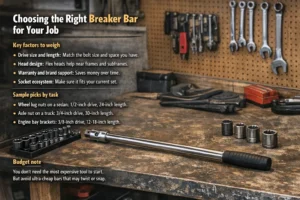
Choosing the Right Breaker Bar for Your Job
Key factors to weigh
- Drive size and length: Match the bolt size and space you have.
- Head design: Flex heads help near frames and subframes.
- Warranty and brand support: Saves money over time.
- Socket ecosystem: Make sure it fits your current set.
Sample picks by task
- Wheel lug nuts on a sedan: 1/2-inch drive, 24-inch length.
- Axle nut on a truck: 3/4-inch drive, 30-inch length.
- Engine bay brackets: 3/8-inch drive, 12–18-inch length.
Budget note
- You do not need the most expensive tool to start. But avoid ultra-cheap bars that may twist or snap.
If you ask what is breaker bar used for in a small apartment garage, go with a 1/2-inch drive, 24-inch bar. It covers most needs without taking much space.
Limitations, Risks, and Mistakes to Avoid
Know when to stop so you do not cause damage.
Common mistakes
- Using a torque wrench to break loose bolts. It can throw off calibration.
- Using a worn, twelve-point socket on a rusted nut. It will round the head.
- Jerking hard on the bar. That leads to slips and injuries.
Tool limits
- Very small fasteners can shear under high leverage.
- Tight spaces may not allow a long swing. Use a flex head or shorter bar.
Safety notes
- Wear gloves and safety glasses.
- Keep your face out of the swing path.
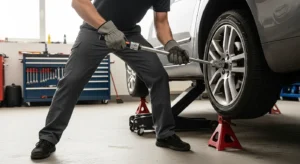
- Support the work. Use jack stands, not just a jack.
These points frame what is breaker bar used for and where it should not be used. Respect the torque and you will be fine.
Maintenance and Storage Tips
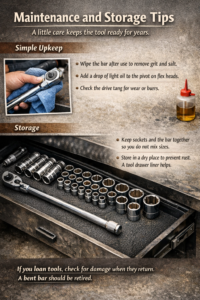
A little care keeps the tool ready for years.
Simple upkeep
- Wipe the bar after use to remove grit and salt.
- Add a drop of light oil to the pivot on flex heads.
- Check the drive tang for wear or burrs.
Storage
- Keep sockets and the bar together so you do not mix sizes.
- Store in a dry place to prevent rust. A tool drawer liner helps.
If you loan tools, check for damage when they return. A bent bar should be retired.
Related Tools and When to Use Them
Alternatives and helpers
- Penetrating oil: Reduces breakaway torque on rusted threads.
- Cheater pipe: Adds length to your breaker bar. Use with care.
- Impact wrench: Great after the first crack if you need speed.
- Torque wrench: Always use to tighten to spec after the job.
Linking it back to what is breaker bar used for, think of it as the first move. It frees the fastener. Other tools finish the job fast and to spec.
Frequently Asked Questions of what is breaker bar used for
What size breaker bar should I buy first?
A 1/2-inch drive, 24-inch breaker bar is a solid first pick. It handles lug nuts and most car bolts.
Can I use a breaker bar with any socket?
Use six-point sockets for best grip. Impact sockets add durability, but standard six-point chrome sockets also work on a hand tool.
Is a breaker bar better than an impact wrench?
It depends. A breaker bar gives control and feel, and needs no power. An impact wrench is faster but louder and can over-torque if used wrong.
Will a breaker bar damage bolts?
It can if you use the wrong socket, angle the tool, or apply too much force. Use a snug six-point socket and steady pressure.
Can I use a cheater pipe on a breaker bar?
Yes, but with care. Keep the socket aligned and apply slow, even force to avoid slippage and injury.
What is the difference between 3/8-inch and 1/2-inch breaker bars?
3/8-inch is for lighter tasks and tight spaces. 1/2-inch handles heavier loads, like wheels and suspension bolts.
When should I switch from breaker bar to ratchet?
Once the fastener cracks loose and turns with moderate effort, switch to a ratchet for speed. For tightening to spec, finish with a torque wrench.
Does a breaker bar replace a torque wrench?
No. A breaker bar is for loosening and initial movement. A torque wrench is for precise final tightening.
Conclusion
If you came here asking what is breaker bar used for, now you know the full story. It delivers safe, steady torque that breaks free stuck fasteners without drama. It protects parts, saves time, and builds your confidence.
Add a 1/2-inch drive, 24-inch breaker bar to your kit today. Use it with a six-point socket, steady hands, and proper safety. Want more tips like this? Subscribe, share your toughest stuck-bolt story in the comments, and let’s solve the next job together.