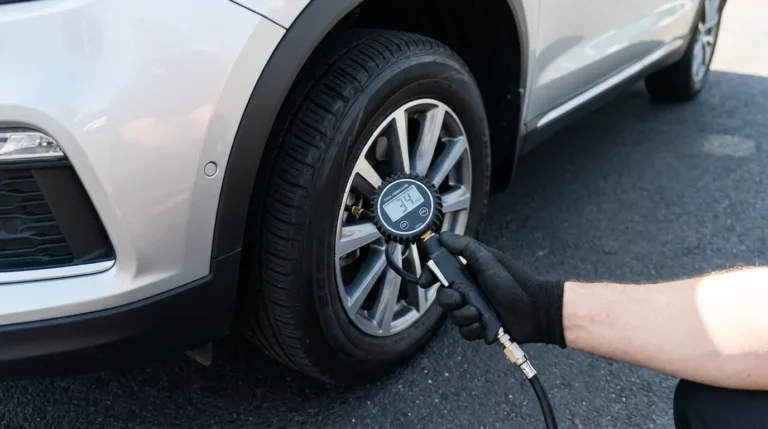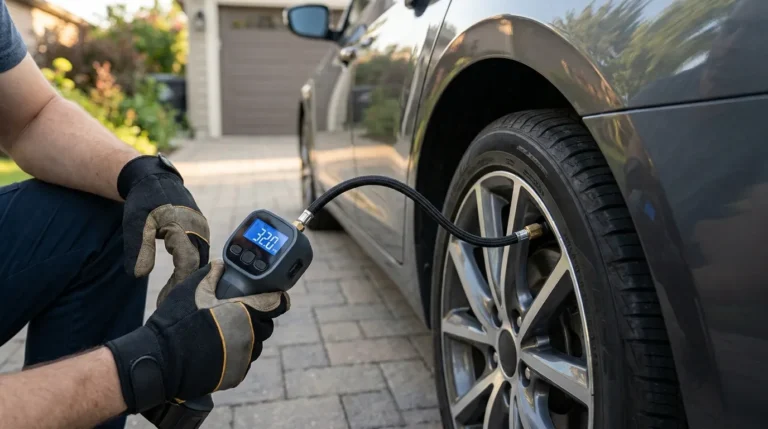
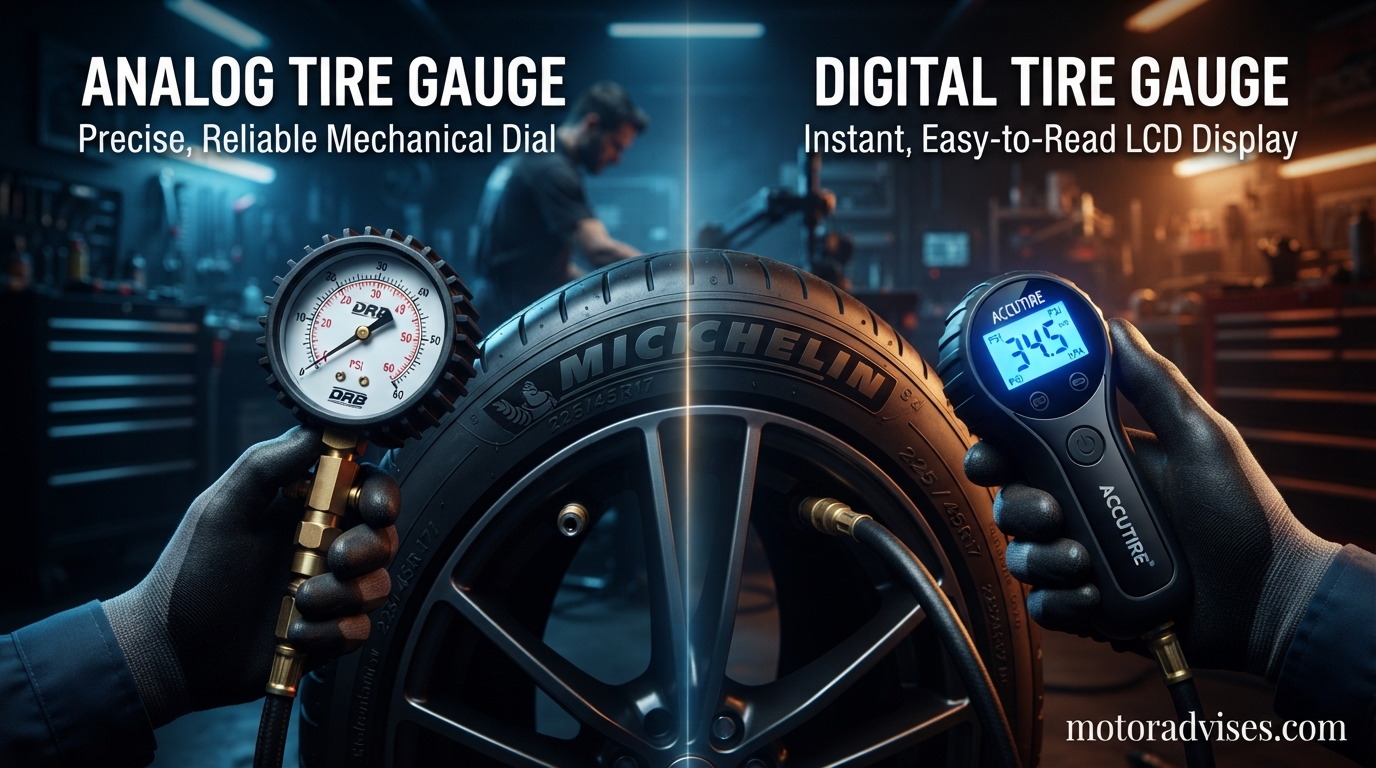
Digital gauges give fast, precise numeric readings; analog gauges are simple, rugged, and battery-free.
I’ve spent years testing tools in garages and on the road, so I’ll walk you through digital vs analog tire pressure gauge decisions with clear, practical advice. This guide compares accuracy, ease of use, durability, and cost so you can pick the right gauge for your car, bike, or fleet. Read on to learn how each gauge works, when one beats the other, and how to get the most reliable readings every time.

What is a tire pressure gauge and why it matters
A tire pressure gauge measures the air pressure inside vehicle tires. Proper pressure improves safety, fuel economy, handling, and tire life. Underinflation causes excess heat and faster wear; overinflation reduces traction and comfort.
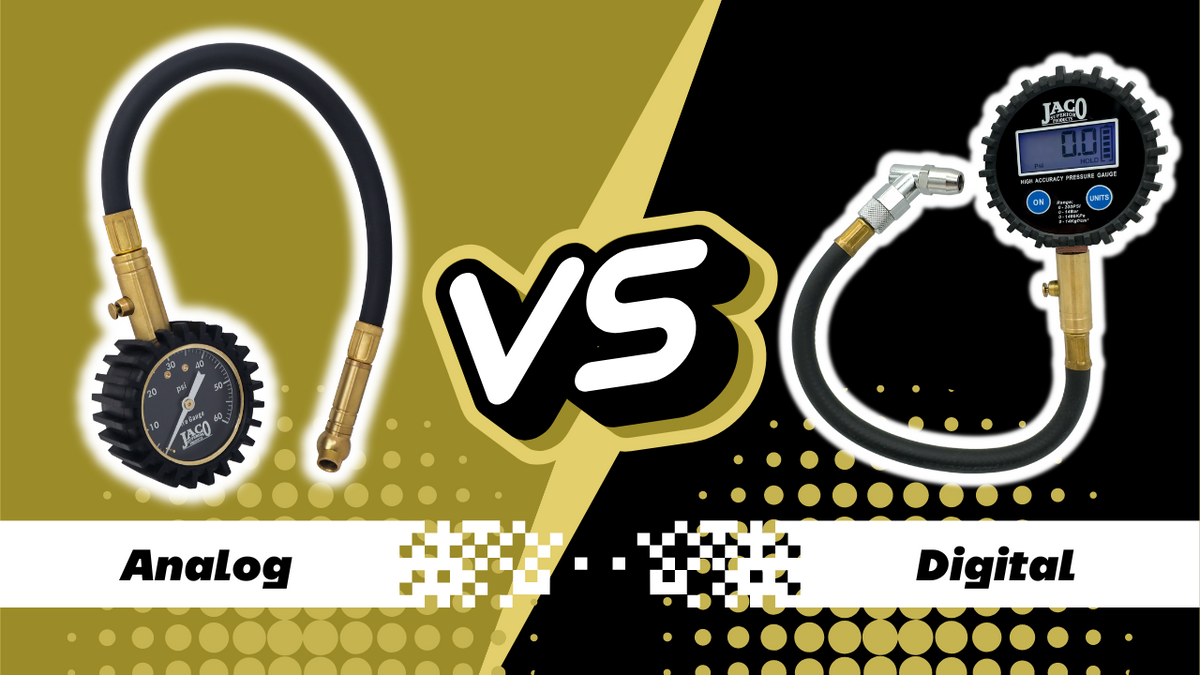
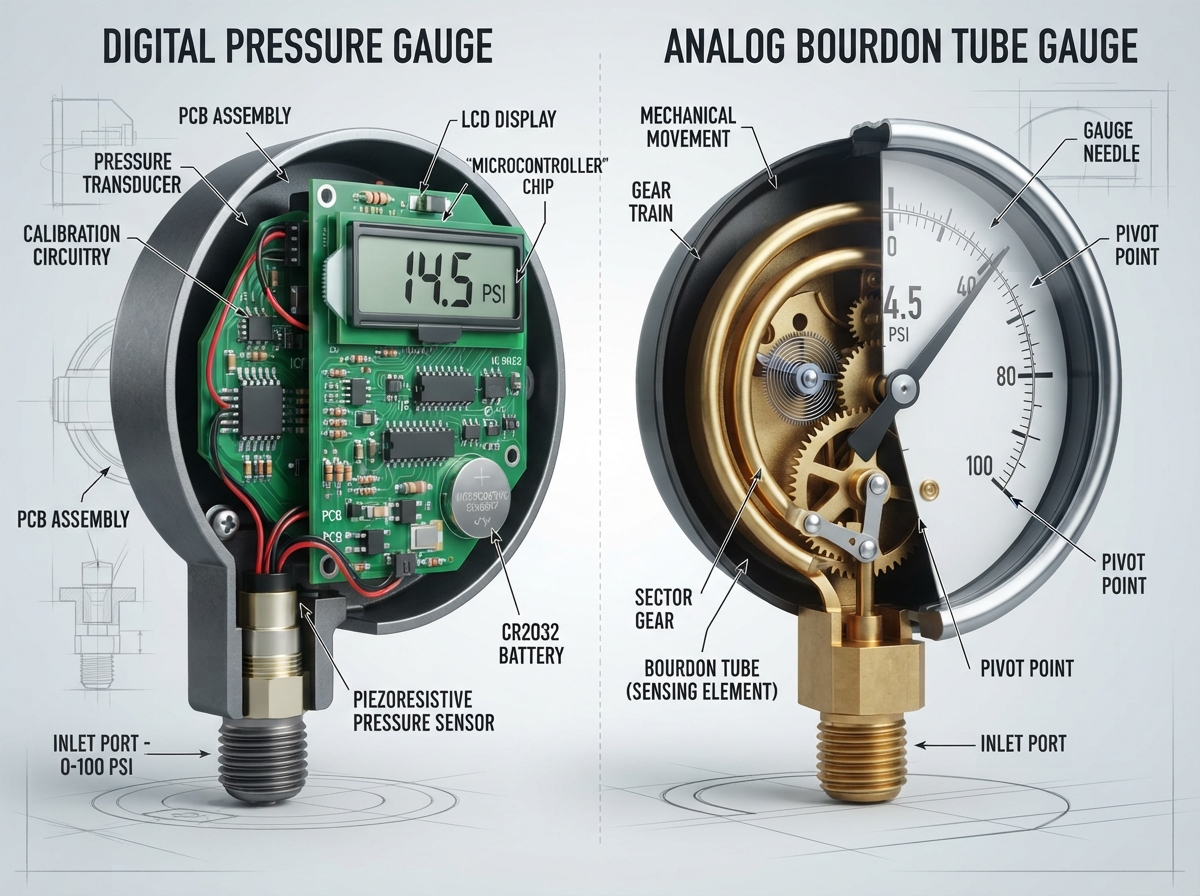
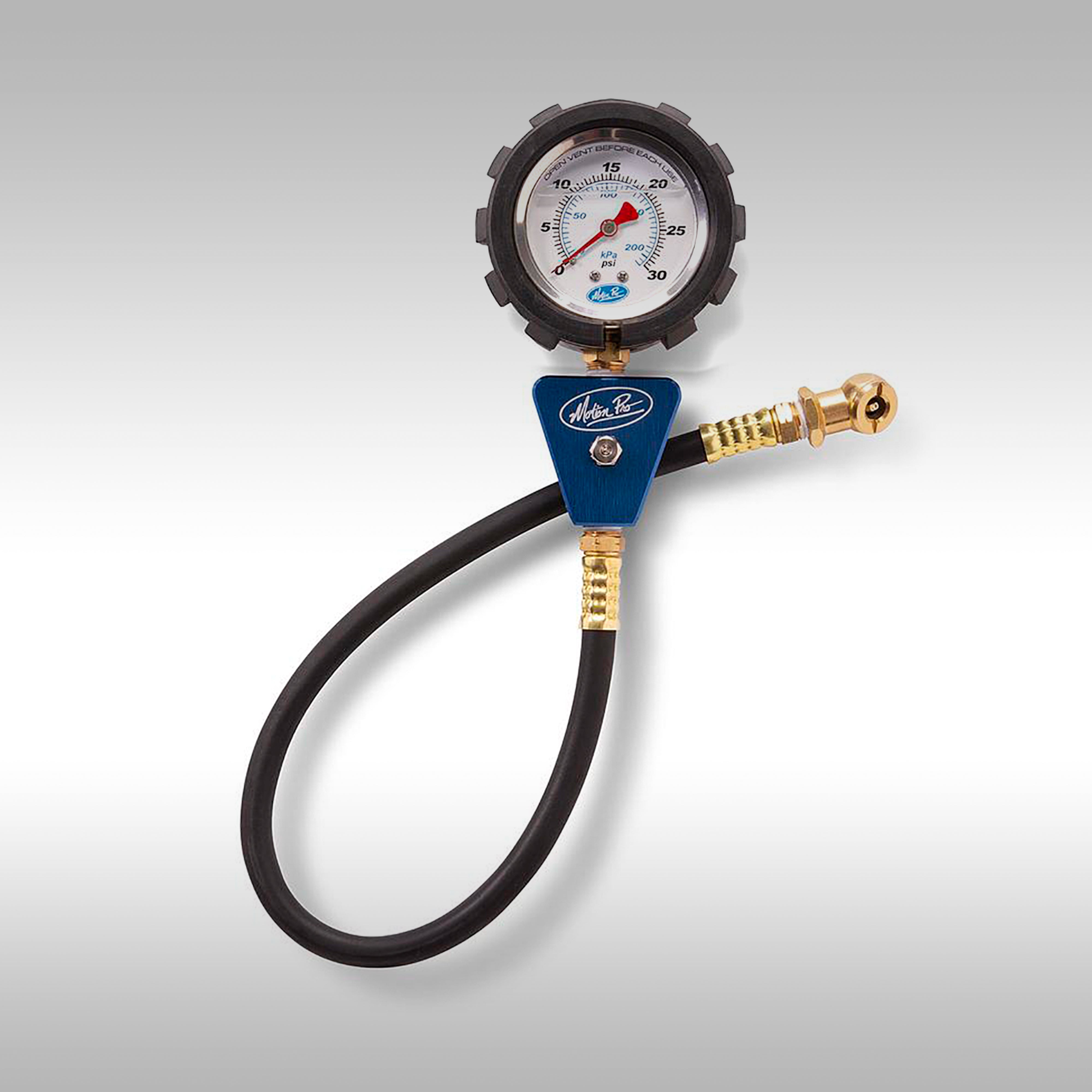
There are two main kinds: digital and analog tire pressure gauge. Digital models use electronic sensors and display pressure as numbers. Analog models use mechanical components and show pressure on a dial or stick.
Both types serve the same purpose, but they differ in how they display readings, their sensitivity to small pressure changes, and how they perform in the field. Knowing these differences helps you choose a gauge that fits your needs and budget.
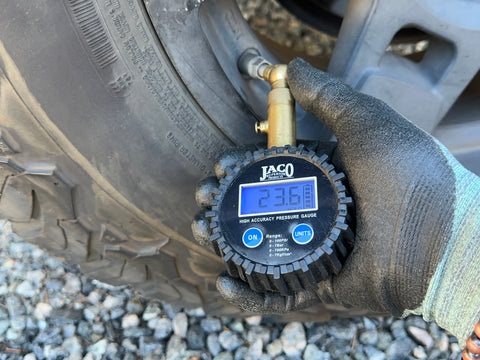
Digital vs analog tire pressure gauge — head-to-head comparison
This section lays out the main differences between digital vs analog tire pressure gauge across common criteria. Short, practical points help you compare quickly.
- Accuracy and precision
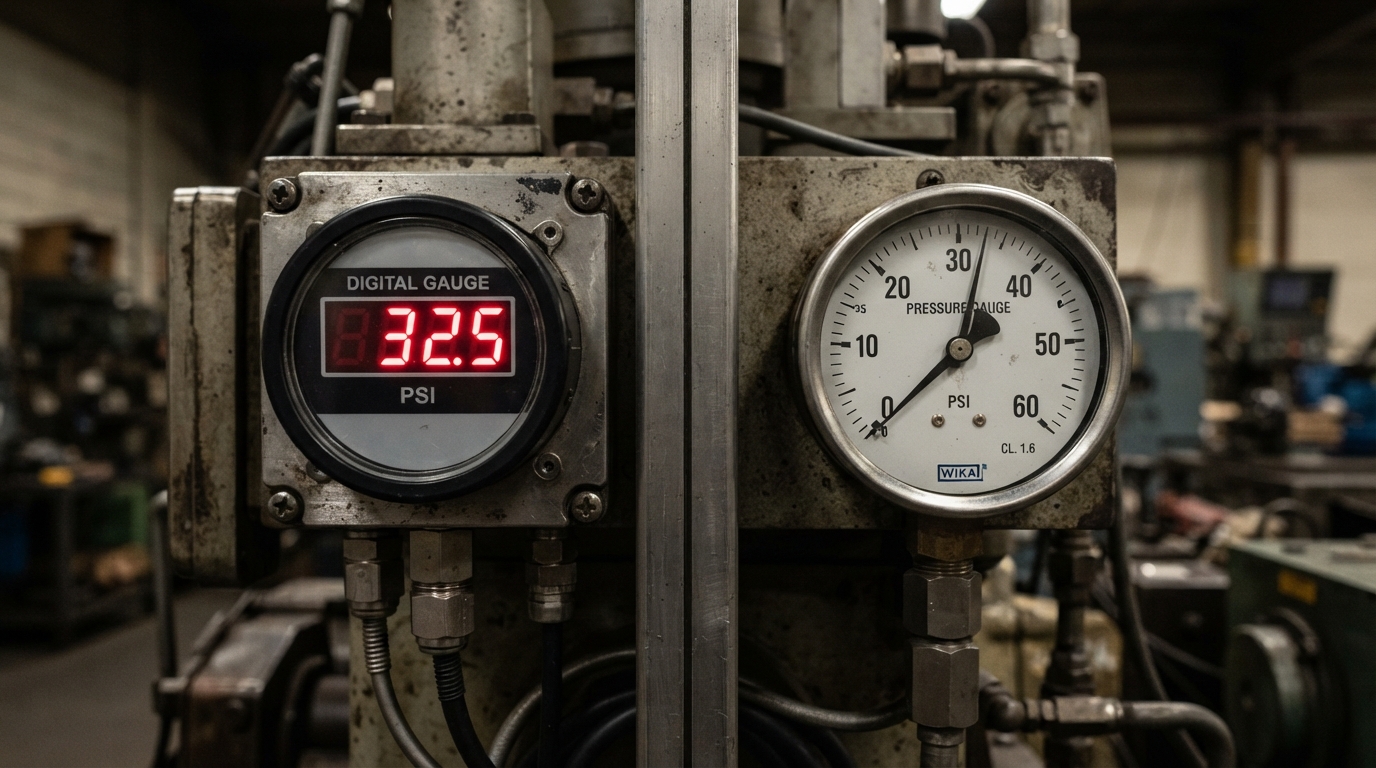
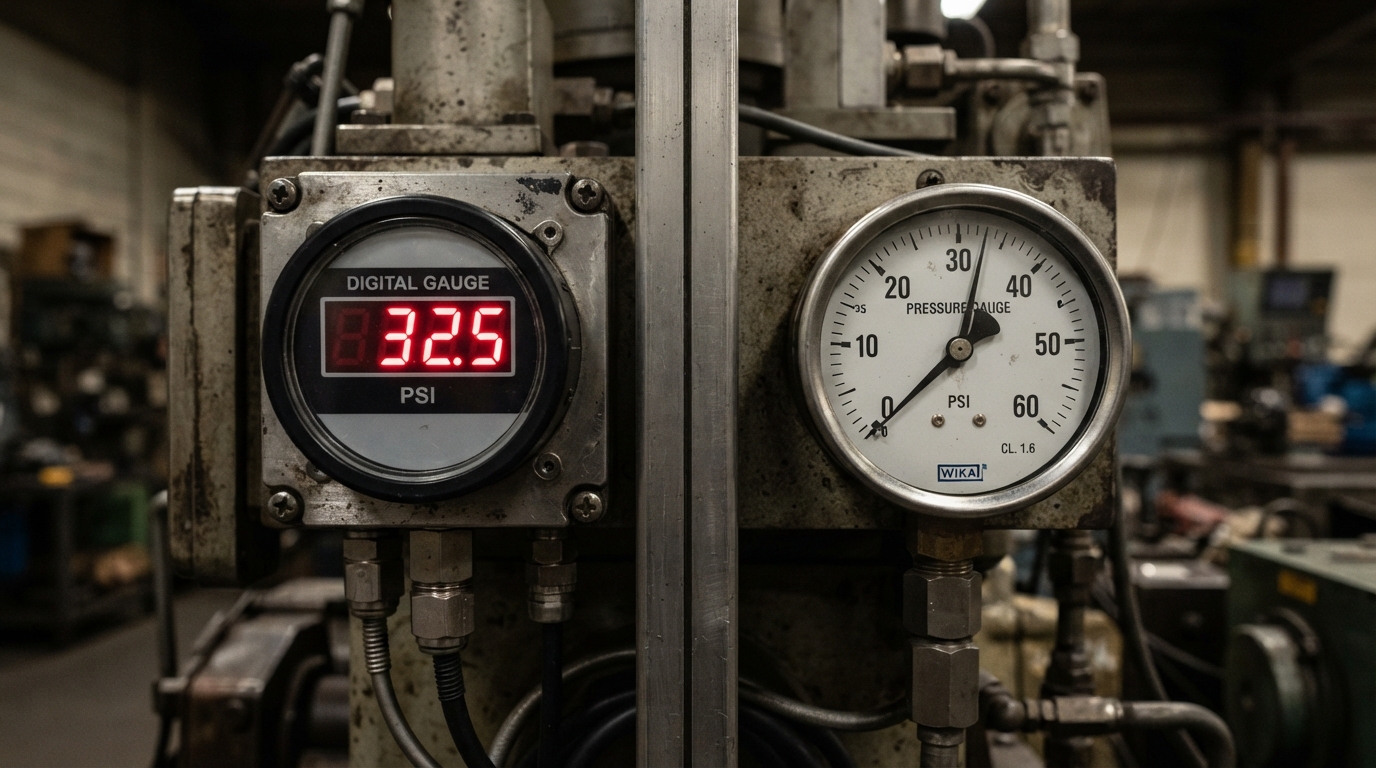
- Digital: Typically shows pressure to one decimal (for example 32.1 psi) and often reads more precisely for small changes.
- Analog: Offers whole-number or coarse graduations; reliable but less fine-grained.
- Readability
- Digital: Clear numeric LCD or LED display. Easier in low light and for those who prefer exact figures.
- Analog: Dial or stick can be harder to read at a glance, especially for small increments.
- Speed of use
- Digital: Fast readings and hold functions save the number for you.
- Analog: Instant mechanical response; no wait for boot-up or calibration.
- Durability and environment
- Digital: Sensitive to water, extreme cold, and impact unless ruggedized.
- Analog: More shock-resistant and works without batteries in harsh environments.
- Power and reliability
- Digital: Requires batteries; may fail if battery dies.
- Analog: Battery-free operation; always ready when well-made.
- Cost and value
- Digital: Wider price range; advanced models cost more but add features like backlight and unit conversion.
- Analog: Usually cheaper and excellent value for basic needs.
- Calibration and drift
- Digital: May drift and need recalibration or replacement of sensors over years.
- Analog: Mechanical parts can stay stable but may stick or lose accuracy when damaged.
When comparing digital vs analog tire pressure gauge, think about how you use the gauge: occasional checks, frequent roadside use, or fleet maintenance. Each context favors different features.
Accuracy, calibration, and real-world reliability
Accuracy matters because small pressure changes affect handling and wear. Here’s what influences accuracy for digital vs analog tire pressure gauge.
- Sensor type
- Digital: Uses electronic pressure transducers. Quality components read small changes well.
- Analog: Uses a spring and piston or bourdon tube. Good for robust, consistent readings.
- Temperature sensitivity
- Digital: Electronics can shift with temperature; some devices compensate automatically.
- Analog: Mechanical behavior also shifts slightly with temperature, but changes are often minimal.
- Calibration tips
- Check gauges against a trusted reference gauge periodically.
- Store gauges in a stable, dry place to reduce drift.
- For digital units, replace batteries and avoid water exposure.
- Field reliability
- For roadside repairs, analog gauges often survive better. For shop work where precision matters, a calibrated digital gauge can save time.
From my experience, a quality digital gauge is excellent for precise tire tuning. For rough outdoor work, I keep an analog gauge because it never needs batteries and survives drops.
How to use and maintain each type
Simple steps keep readings accurate and extend the gauge’s life. Follow these short, practical procedures for digital vs analog tire pressure gauge.
- Using any gauge
- Check tire pressure when tires are cold, ideally before driving.
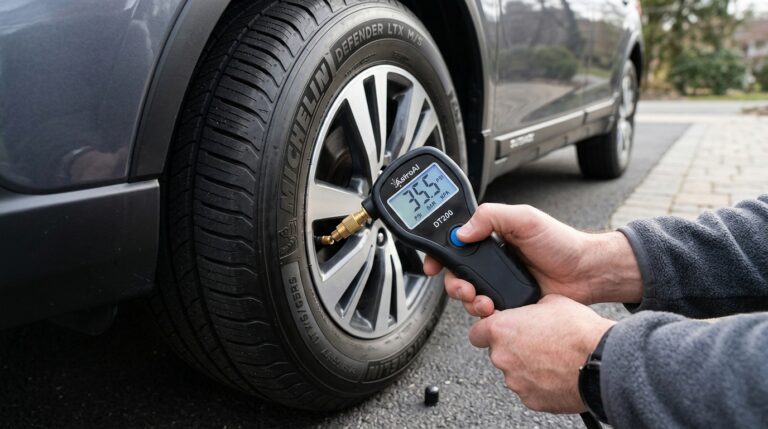
- Remove valve cap and press the gauge firmly onto the valve stem to avoid leakage.
- Read the value and adjust tire pressure as needed.
- Digital-specific tips
- Turn the gauge on and wait for the display stabilization if required.
- Hold the nozzle in place until the number stabilizes or until the hold indicator appears.
- Replace batteries at the first sign of dim display or inconsistent readings.
- Analog-specific tips
- Ensure the nozzle seats straight to avoid bending the pin.
- Read at eye level to avoid parallax error on dials.
- If the stick becomes stuck, tap gently to free it; if a dial sticks, consider servicing or replacement.
- Maintenance checklist
- Keep valve caps on tires to limit dirt entry.
- Store gauges in a protective case.
- Recalibrate digital units yearly if used heavily.
These maintenance steps help both digital vs analog tire pressure gauge stay reliable and accurate over time.

Who should choose digital vs analog tire pressure gauge
Different users have different priorities. Match these needs to the gauge type for best results.
- Choose digital if you want
- Precise numeric readings and decimal accuracy.
- Easy-to-read displays, backlight, and unit conversion.
- Extra features like auto shutoff, memory, and pressure hold.
- Choose analog if you want
- Rugged reliability without batteries.
- Simplicity and lowest possible cost.
- A tool that tolerates drops, moisture, and rough handling.
- Use-case examples
- Daily driver owner: A compact digital gauge for convenience.
- Motorcycle rider: Small digital or stick-type analog both work; pick readability.
- Fleet manager or mechanic: Calibrated digital devices for consistency across vehicles.
- Off-road or construction: Heavy-duty analog for shock resistance.
I recommend carrying a compact digital gauge in the glovebox and a rugged analog gauge in a roadside kit. That combination covers most scenarios and balances precision with durability.
Buying guide and practical features to look for
When shopping for digital vs analog tire pressure gauge, check these features to match quality and price.
- For digital models look for
- Calibration certificate or adjustable calibration.
- Backlight and large numerical display.
- Battery type and life details.
- Rugged casing and IP rating for water resistance.
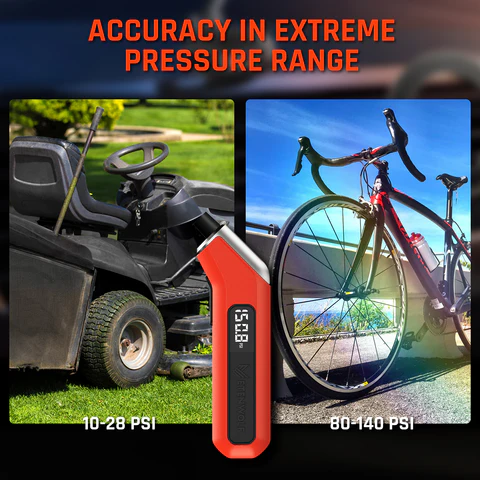
- Pressure range that fits your vehicles (psi, kPa, bar).
- For analog models look for
- Sturdy metal body and clear dial markings.
- Brass or stainless nozzle and valve components.
- High-contrast dial face and reliable needle movement.
- Stated accuracy (for example ±1 psi).
- Warranty and support
- Prefer brands with a clear warranty and customer service.
- Check return policy and calibration support for digital units.
- Price vs value
- Don’t buy the cheapest digital gauge; poor sensors give unreliable readings.
- A mid-range digital gauge often offers the best balance of features and longevity.
Buy based on how and where you will use the gauge most. If you work outdoors or in a shop, spend slightly more on durability. If you want occasional at-home checks, a basic reliable digital or analog will do.
Personal experience, tips, and lessons learned
I’ve used dozens of gauges in garages and on long road trips. Here are honest lessons and tips that saved time and hassle.
- I learned to always check tires cold; readings after a drive were consistently 2–5 psi higher. That cost me a replacement tire once.
- A cheap digital gauge failed on a winter trip when the LCD froze; I now keep a simple analog stick gauge in the glovebox as a backup.
- In a shop, we standardized on one calibrated digital unit to maintain consistent inflation across vehicles; it reduced tire complaints from customers.
- Tip: If a digital gauge gives wildly different readings than an analog one, verify both against a trusted third gauge before assuming which is wrong.
These real-world experiences show why combining a reliable digital unit with a backup analog gauge covers most users’ needs.

PAA-style quick questions
People also ask: short, direct answers to common search queries about digital vs analog tire pressure gauge.
- Which is more accurate, digital or analog?
- Digital gauges often read more precisely, but accuracy depends on build quality and calibration.
- Do digital gauges need calibration?
- Yes, quality digital gauges should be checked periodically and recalibrated if they drift.
- Can analog gauges break from drops?
- They can, but solidly built analog gauges usually tolerate drops better than delicate digital electronics.
Frequently Asked Questions of digital vs analog tire pressure gauge
What is the main difference between digital and analog tire pressure gauges?
The main difference is how they display pressure: digital gauges use electronic sensors and show numerical values, while analog gauges use mechanical parts and show readings on a dial or stick. Digital tends to be more precise; analog tends to be more rugged.
Are digital gauges more accurate than analog ones?
Digital gauges can be more accurate, especially at showing decimal values, but only if they use quality sensors and are properly calibrated. Low-end digital units may be less reliable than a well-made analog gauge.
How often should I calibrate a digital tire pressure gauge?
Calibrate or verify a digital gauge at least once a year if used regularly, or whenever you suspect inconsistent readings. Fleet and professional use may require more frequent checks.
Can I use an analog gauge in extreme weather?
Yes, analog gauges generally handle cold and wet conditions better than many digital models because they do not depend on batteries or electronics. Choose a well-built analog for harsh conditions.
What should I keep in my car for checking tire pressure?
Keep a compact digital gauge for convenience and an analog gauge as a backup in case batteries die or electronics fail. Also carry a small air pump or compressor for adjustments.
Is a digital gauge worth the extra money?
If you need precise readings, easy readability, or extra features like backlight and hold functions, a digital gauge is worth the cost. For basic checks, a good analog gauge will do the job at lower cost.
How do I avoid parallax errors with an analog gauge?
Read the dial at eye level and ensure the needle is stable before noting the value. Proper seating of the nozzle on the valve stem also reduces errors.
Conclusion
This strategy uses the requested split-screen format to emphasize the “Versus” nature of the post. By consistently including the motoradvises.com branding, these images will look like custom assets created specifically for your website, enhancing your brand’s professional image.