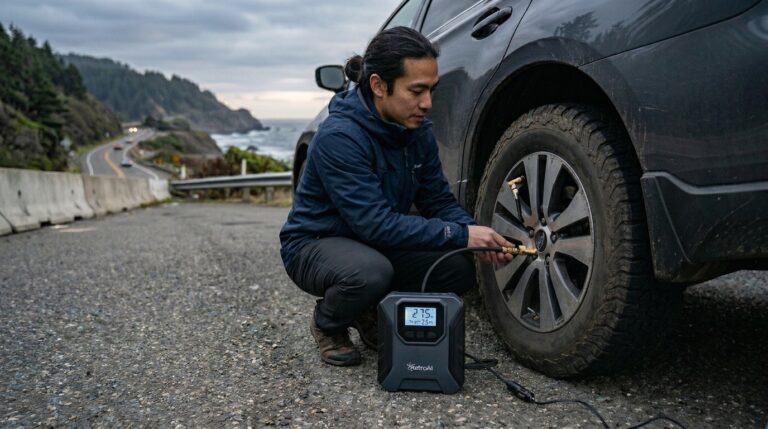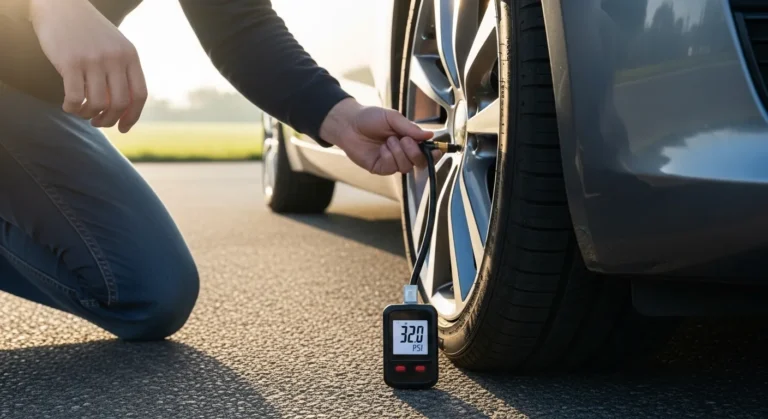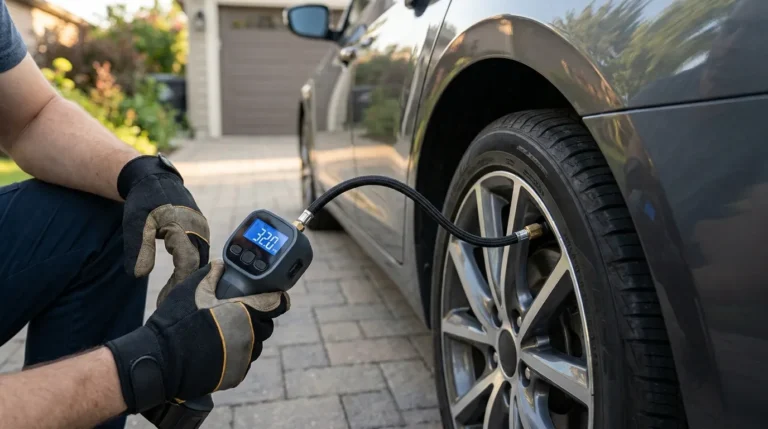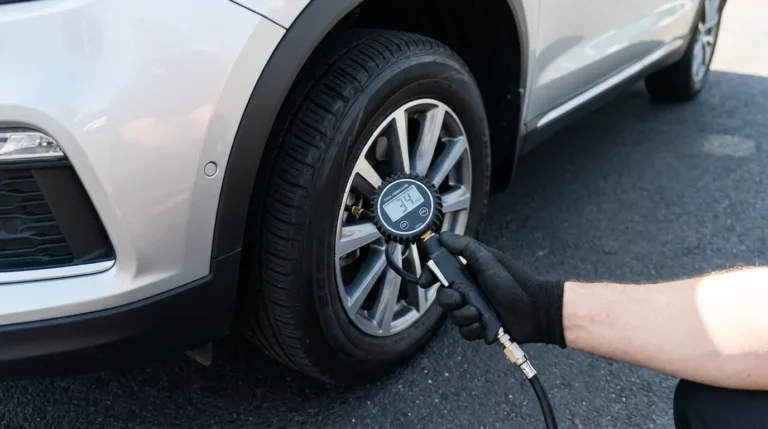
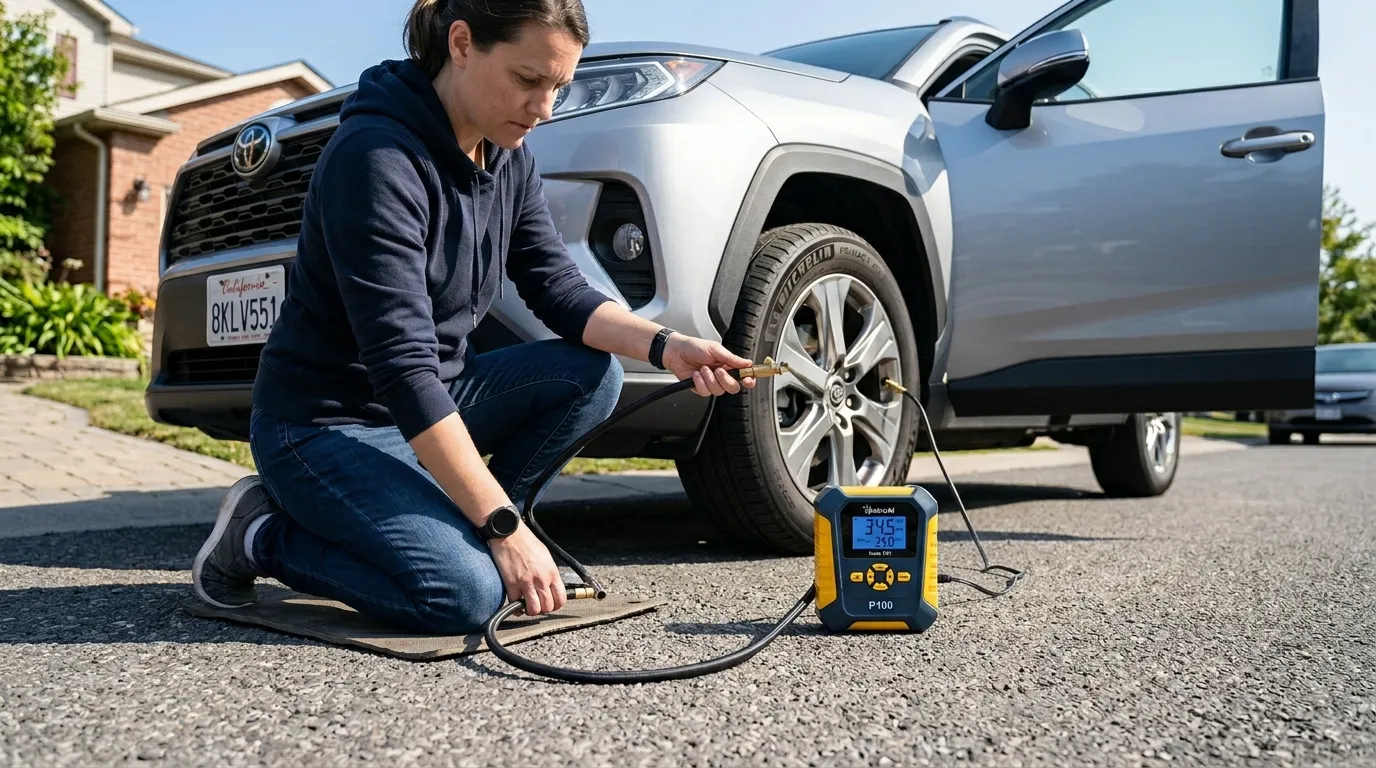
Turn on compressor, set PSI, attach nozzle, inflate slowly, check, and cap.
If you want safer rides, better fuel economy, and longer tire life, learn how to use air compressor for car tires the right way. I’ve filled hundreds of tires in driveways, shops, and on the shoulder at night. In this guide, I’ll show you clear steps, smart tips, and real fixes so you can air up with confidence and avoid costly mistakes.
Why tire pressure matters more than you think
Tire pressure sets the tone for how your car feels and stops. Low pressure heats the tire and wears the edges. High pressure makes the ride harsh and cuts grip.
Most passenger cars call for 30 to 36 PSI. Check the sticker on the driver’s door jamb, not the tire sidewall. Measure when tires are cold. Short drives warm them up and raise readings.
Good pressure saves fuel and helps brakes work better. Underinflation is a leading factor in tire failure, based on industry data. Your TPMS light is a warning, not a gauge. You still need a good tire gauge to be exact.
What you need before you start
To learn how to use air compressor for car tires, set up your tools first. It keeps the job easy and safe.
- Air compressor Portable 12V, cordless, pancake, or shop unit.
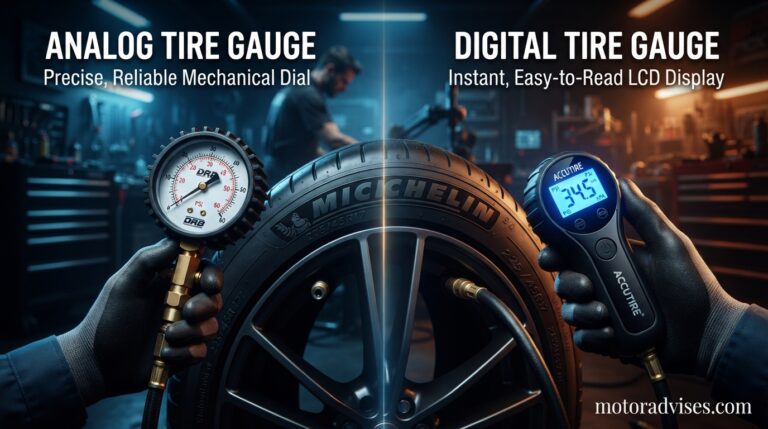
- Tire gauge Digital or analog, with 1 PSI resolution.
- Air hose and chuck A clip-on or screw-on chuck helps seal fast.
- Regulator and trigger Many compressors have a dial and trigger to control flow.
- Power source 12V outlet, battery clamps, or wall power. Check amps and fuse limit.
- Valve caps Keep dirt out. Metal caps with rubber seals last longer.
- Safety gear Light gloves and a small flashlight help in the dark.
Pro tip Keep the engine running with a 12V compressor. It protects the car battery during long fills.
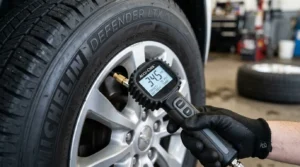
Step-by-step: how to use air compressor for car tires
If you want a repeatable process, use these steps every time. This is the most direct way to master how to use air compressor for car tires.
- Find the right PSI
- Read the tire placard on the door jamb. Note front and rear specs if they differ.
- If you tow or carry heavy loads, follow the maker’s guidance in the owner’s manual.
- Park safe and prep
- Park on level ground and set the parking brake.
- Remove valve caps. Keep them in your pocket so you do not lose them.
- Check current pressure
- Use a trusted gauge. Measure each tire cold.
- Note the lowest tire first. Start there.
- Power the compressor
- For 12V units, plug in and start the engine.
- For AC units, use a grounded outlet. Uncoil the hose to avoid kinks.
- Set the regulator or target PSI
- If your compressor has a regulator, set it a few PSI above target. The gauge at the chuck is the one that matters.
- If it has auto shutoff, set the exact PSI and let it stop on its own.
- Attach the chuck
- Push the chuck straight onto the valve stem and lock it.
- You should hear air flow only if the tire is low. If you hear hissing, reseat the chuck.
- Inflate in short bursts
- Add air in 5 to 10 second bursts.
- Pause and read the gauge. Aim for 0.5 to 1.0 PSI below target if tires are warm.
- Verify and fine-tune
- Use your separate gauge to confirm the final PSI.
- If you overfill, press the valve core for a second to bleed air. Recheck.
- Cap and repeat
- Replace valve caps snug, not tight.
- Repeat for all tires, and do not forget the spare.
- Clean up
- Turn off the compressor and bleed the hose at the trigger.
- Coil the hose without sharp bends. Store tools dry.
Common mistakes to avoid
- Guessing PSI by feel.
- Filling hot tires to cold specs.
- Trusting only the compressor’s built-in gauge.
- Ignoring the spare tire and the tire with the slow leak.
This method is the safest and fastest way to handle how to use air compressor for car tires at home or on the road.
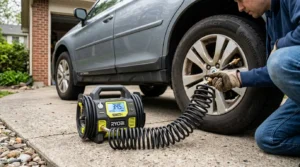
Real-world examples and tips from the road
I once helped a neighbor with a slow leak on a cold morning. The tire read 22 PSI on a 34 PSI spec. A small clip-on chuck and short bursts got us back to 34 PSI in under five minutes. We found a small screw later and got it patched.
Another lesson came from overfilling a warm tire after a long drive. It read perfect in the garage. The next day, cold, it was 3 PSI low. Always set pressure when the tires are cold, or subtract a bit when they are warm.
If you are teaching a teen driver how to use air compressor for car tires, keep it simple. One gauge, one goal PSI, slow fills, and steady checks. Confidence follows good process.
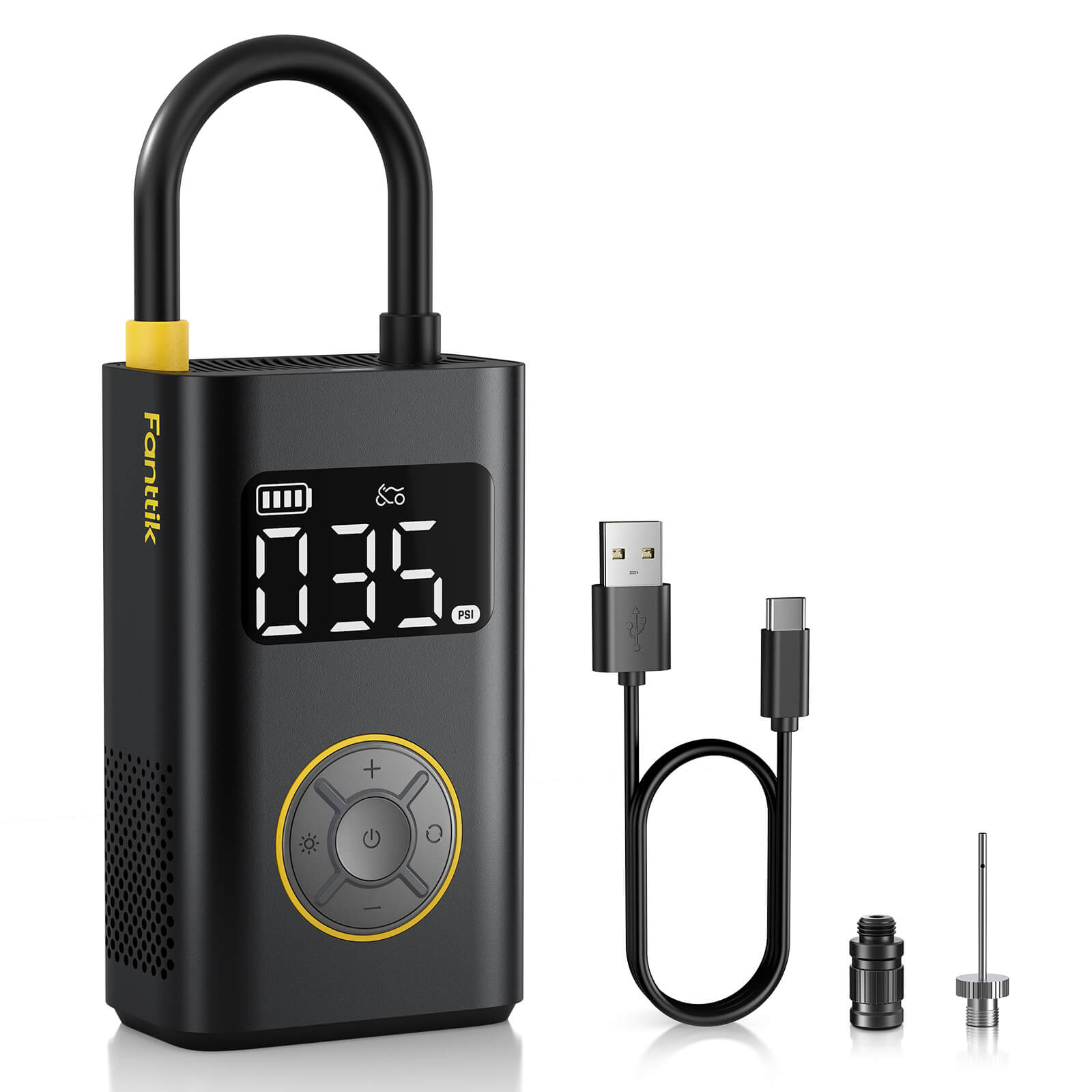
Types of air compressors for car tires
Choosing the right compressor makes the job easy. Here is how they compare.
- 12V plug-in Small, cheap, and slow. Good for top-ups and emergencies.
- Cordless inflator Fast for bicycles and car tires. Great for small spaces. Keep a spare battery.
- Pancake or hot-dog compressor Faster fill, stable pressure, and great for the garage.
- Shop compressor Very fast, high duty cycle. Overkill for some, but ideal if you use air tools.
For most drivers, a decent 12V unit or a cordless inflator is enough. If you fill SUVs, trucks, or run larger tires, a pancake or shop unit saves time. Any of these can support how to use air compressor for car tires if you use a reliable gauge and a good chuck.
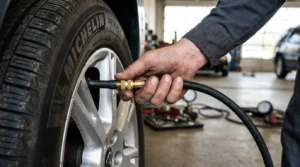
Safety, mistakes, and limits
Safety first. Tires hold a lot of energy. Treat them with care.
- Stay within rated PSI Never exceed wheel or tire limits.
- Watch heat Long inflations create heat in the compressor and hose. Let it rest.
- Protect the valve stem Do not yank the hose. Bent stems can leak.
- Mind the duty cycle Small compressors need cooldown time. Check the label.
- Keep hands and cords clear of the belt and fan if the engine is on.
A key safety point when you learn how to use air compressor for car tires is patience. Short bursts, steady checks, and a calm pace prevent errors.
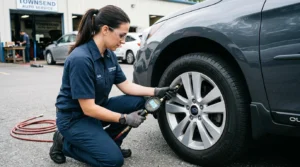
Troubleshooting and quick fixes
Things go wrong. Here is how to handle common issues fast.
- Slow fill Check for kinks, leaks at the chuck, or a weak 12V socket. Use battery clamps if needed.
- Hissing at the stem Re-seat the chuck. Replace the chuck gasket if worn.
- Gauge mismatch Use your own gauge as the truth. Compressor gauges can read high or low.
- Overinflation Bleed air in one-second taps. Recheck after each tap.
- Cold weather woes Keep the compressor and battery warm. Lithium tools slow down in the cold.
These small checks keep you on track with how to use air compressor for car tires in any season.
Care, maintenance, and storage
Take care of the gear and it will take care of you.
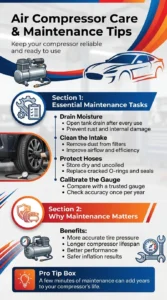
- Drain moisture If your compressor has a tank, open the drain after use.
- Clean the intake Dust clogs filters and hurts performance.
- Protect hoses Store them uncoiled and dry. Replace cracked O-rings and seals.
- Calibrate your gauge Check it against a known-good gauge once a year.
Good upkeep supports safe, repeatable results when you practice how to use air compressor for car tires at home.
Quick checks and pro tips
Small habits save time and tires. Use these while you refine how to use air compressor for car tires.
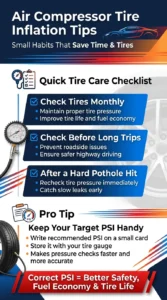
- Check tires monthly and before long trips.
- Mark target PSI on a small card and keep it by your gauge.
- If you hit a pothole hard, recheck pressure that day.
Why is my TPMS light still on after filling?
TPMS may need a short drive to reset. If the light stays on, one tire may still be low or the sensor battery is weak.
Can I fill tires when they are warm?
Yes, but aim 1 to 2 PSI below the cold spec. Recheck when cold to confirm.
Do I need nitrogen?
Air is about 78 percent nitrogen already. Dry air or nitrogen helps with pressure stability, but proper PSI matters far more.
Frequently Asked Questions of how to use air compressor for car tires
How often should I check tire pressure?
Check once a month and before long trips. Tires can lose 1 to 2 PSI per month, faster in cold weather.
What PSI should I use for my car?
Use the door jamb placard, not the tire sidewall. Many cars are 30 to 36 PSI, but follow your exact spec.
Can I use a bike pump instead of a compressor?
Yes, for small top-ups, but it is slow and tiring. A proper compressor is faster and more accurate.
Is it safe to run a 12V compressor with the engine off?
It can drain the battery. Run the engine to keep voltage steady and protect the battery.
Why does my compressor shut off during use?
It may be hitting its duty cycle or thermal limit. Let it cool for 10 to 15 minutes and try again.
How do I know when to stop adding air?
Use your own gauge and stop at the target PSI. If your tool has auto shutoff, set it and let it stop.
Will overinflating damage the tire?
Overinflation causes center wear and less grip. Bleed air to the correct PSI as soon as you can.
Conclusion
You now know how to use air compressor for car tires with skill and calm. Set the right PSI, use short bursts, and double-check with your own gauge. Small habits add up to safer miles, better fuel economy, and longer tire life.
Put this guide to work today. Check all four tires and your spare, then set a monthly reminder. Want more practical car care tips like this? Subscribe, share your questions, and tell me what you want to master next.