
Most common causes are low refrigerant, clogged condenser, faulty compressor, or electrical faults.
I’m an automotive technician with years of hands-on experience diagnosing why a car AC not cooling causes stress for drivers. In this guide I’ll walk through car ac not cooling causes, how to spot symptoms, simple checks you can do, and when to call a pro. Expect clear steps, real-life tips from the garage, and practical repair and prevention advice to get your AC blowing cold again.
Common car ac not cooling causes
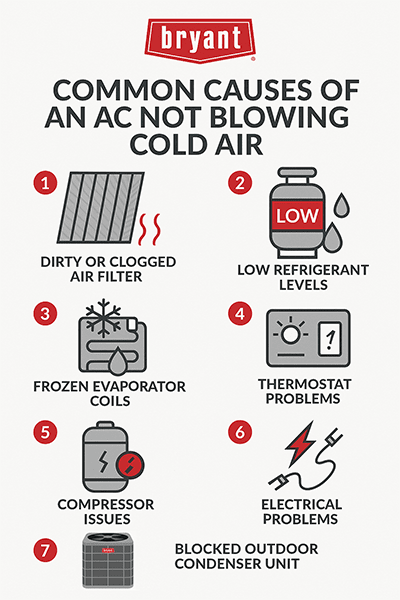
Car AC not cooling causes fall into a few repeatable categories. Low refrigerant is the most common. A leak, slow compressor, clogged airflow, or electrical fault often follows.
Here are the most frequent causes and how each affects cooling:
- Low refrigerant or leaks — Low refrigerant lowers pressure and heat exchange, so vents blow warm air even with the system running.
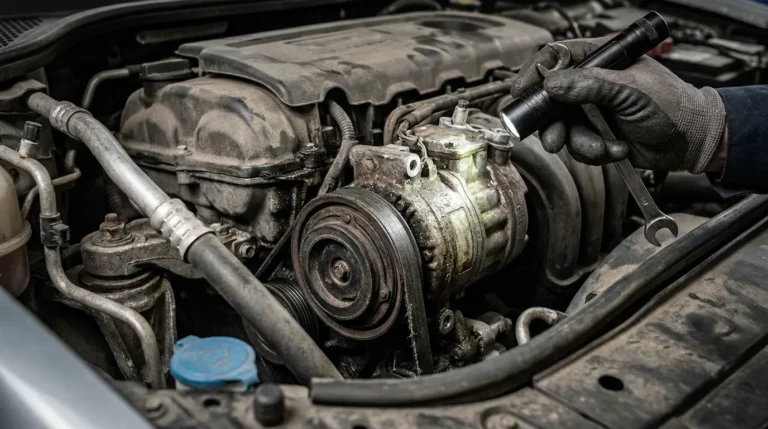
- Faulty compressor — The compressor pumps refrigerant. If it fails, the system can’t circulate cold refrigerant.
- Clogged condenser or radiator area — Dirt and debris reduce heat transfer. The AC can’t shed heat to the outside air.
- Blocked cabin air filter — A dirty filter reduces airflow over the evaporator, making cooling inefficient.
- Electrical issues and blown fuses — Relays, fuses, or wiring faults can prevent the compressor clutch or fans from running.
- Bad AC clutch or relay — These parts engage the compressor; when they fail, the compressor won’t run even if the engine and AC controls are fine.
- Faulty expansion valve or orifice tube — These control refrigerant flow; if they stick, cooling suffers or evaporator may freeze.
- Evaporator or heater blend door problems — If the blend door is stuck toward heat, the vents send warm air.
- Evaporator freeze or clogged drain — Ice on the evaporator or a blocked drain can stop airflow and cooling.
- Contaminated or incorrect refrigerant — Moisture or wrong refrigerant lowers system performance and can damage components.
Symptoms often point to the cause. For example, hissing sounds plus oily spots suggest a leak. Warm air with a running compressor often points to low refrigerant. No compressor engagement often means electrical or clutch issues.
Gaining clear knowledge with an car maintenance experts
How to diagnose car ac not cooling causes
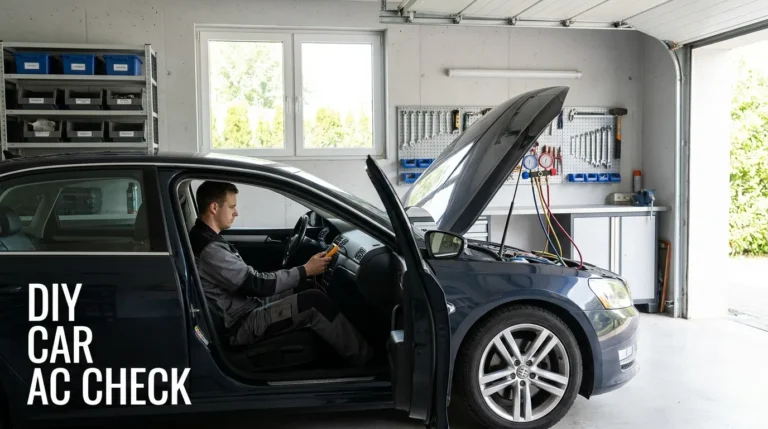
Start with simple checks you can do safely. Turn the AC on with the engine at idle, set to max cool, and watch and listen.
- Check for obvious airflow issues — Feel vent airflow and inspect the cabin air filter.
- Listen for the compressor — You should hear a click when the compressor clutch engages. No click may mean electrical or clutch failure.
- Look under the hood — Check condenser fins for blockages and fans for operation when AC is on.
- Smell check — A sweet chemical smell or oily residue near hose fittings often indicates a refrigerant leak.
- Temperature test — Measure vent temperature or hold a thermometer in the airflow; a healthy system usually delivers air well below cabin temperature.
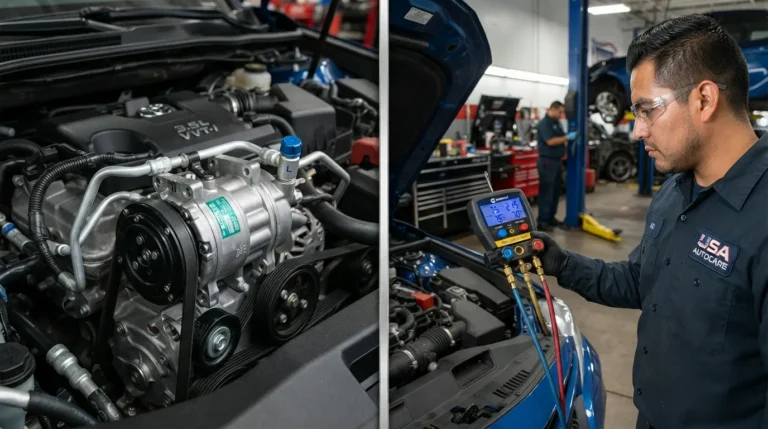
If DIY checks don’t find the cause, professional diagnostics help. A shop will attach gauges and read high and low side pressures to detect leaks, blockages, or compressor faults. They will also scan for electrical error codes and check temperature differentials across components.
Personal tip: I once diagnosed a car that blew warm air because the condenser fan wasn’t running. The owner assumed refrigerant was low. A quick fan motor swap fixed it in under an hour and saved a costly refrigerant recharge.

Repairs, parts, and typical costs for car ac not cooling causes
Costs vary by cause and vehicle. Below are common repairs with typical ranges. Prices include parts and labor estimates and vary by region and vehicle complexity.
- Refrigerant recharge and leak repair — $150 to $500 depending on leak location and whether parts are needed.
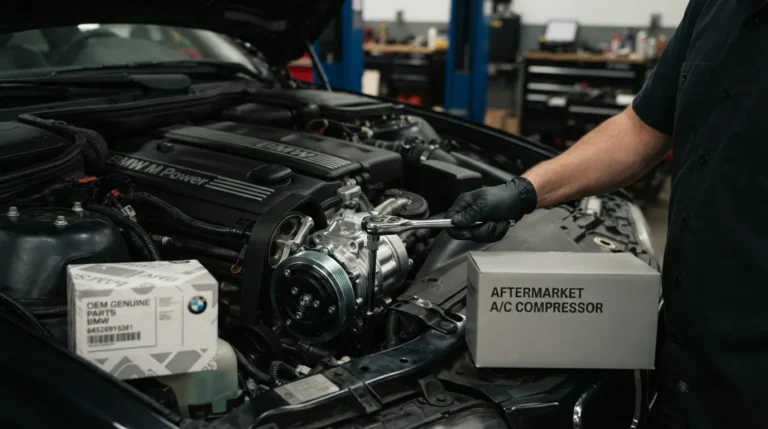
- Compressor replacement — $400 to $1,200 or more; compressors are expensive and require system evacuation and recharge.
- Condenser replacement or cleaning — $200 to $700; cleaning may be cheap, replacement costs depend on vehicle.
- Cabin air filter replacement — $15 to $60; simple and inexpensive DIY job.
- AC clutch or relay replacement — $50 to $300 depending on parts and labor.
- Expansion valve or orifice tube replacement — $100 to $400; may need system flush.
- Evaporator replacement — $400 to $1,000+; this can be labor intensive because it’s often behind the dash.
Safety and legal notes: Handling refrigerant requires certified equipment and sometimes licensing. Many shops will not refill refrigerant without repairing leaks first. Avoid quick DIY refrigerant cans unless you understand limitations and local laws.

Maintenance and prevention to avoid car ac not cooling causes
Regular upkeep prevents many car ac not cooling causes. Simple, low-cost steps extend system life and reduce breakdown risk.
- Run the AC regularly — Use AC even in winter for a few minutes weekly to keep seals lubricated.
- Replace cabin air filter on schedule — This improves airflow and reduces strain on the system.
- Clean condenser area — Remove leaves, bugs, and debris from in front of the condenser.
- Inspect belts and hoses — Worn belts reduce accessory performance and can affect compressor drive.
- Have an annual AC check — Technicians can detect slow leaks or early compressor wear.
From experience, I’ve found that many cars get neglected until mid-summer. A quick pre-summer check typically prevents roadside discomfort and expensive compressor failures.

When to see a professional for car ac not cooling causes
Take the car to a pro if:
- You detect refrigerant smells or oil near AC lines.
- The compressor won’t engage or the system needs evacuation and recharge.
- There are electrical codes or intermittent AC performance.
- You want a leak search, pressure testing, or major component replacement.
Professionals have the tools and certifications to test pressures, recover refrigerant safely, and perform sealed-system repairs. If your vehicle is under warranty or the AC system was recently serviced, go to a qualified shop to avoid voiding coverage.

Frequently Asked Questions of car ac not cooling causes
What are the top car ac not cooling causes?
Low refrigerant from leaks, a failed compressor, clogged condenser, and electrical faults are the top causes. These reduce refrigerant flow, heat exchange, or compressor operation.
Can a dirty cabin filter cause the AC to blow warm air?
Yes. A clogged cabin air filter lowers airflow across the evaporator, which reduces cooling even if the system has enough refrigerant.
Is it safe to add refrigerant myself to fix a car ac not cooling causes problem?
Adding refrigerant without finding leaks is a temporary fix. Also, handling refrigerant requires caution and may be restricted by law.
Why does my AC blow cold sometimes and warm at other times?
Intermittent cooling can come from low refrigerant, a failing compressor clutch, or electrical issues like a bad relay. Heat blend door problems can also cause inconsistent air temperature.
How long does it take to fix common car ac not cooling causes?
Simple fixes like cabin filter replacement or cleaning the condenser take under an hour. Compressor or evaporator replacements can take several hours to a day.
Conclusion
Car ac not cooling causes are usually traceable and fixable with the right checks and timely maintenance. Start with simple inspections—airflow, filters, and visible signs of leaks—then move to professional diagnostics for refrigerant or compressor issues. Take action now: schedule a pre-summer AC check, replace an overdue cabin filter, or contact a certified technician if you detect leaks or compressor problems. If this guide helped, leave a comment, subscribe for more tips, or book a professional check to keep your rides cool and comfortable.