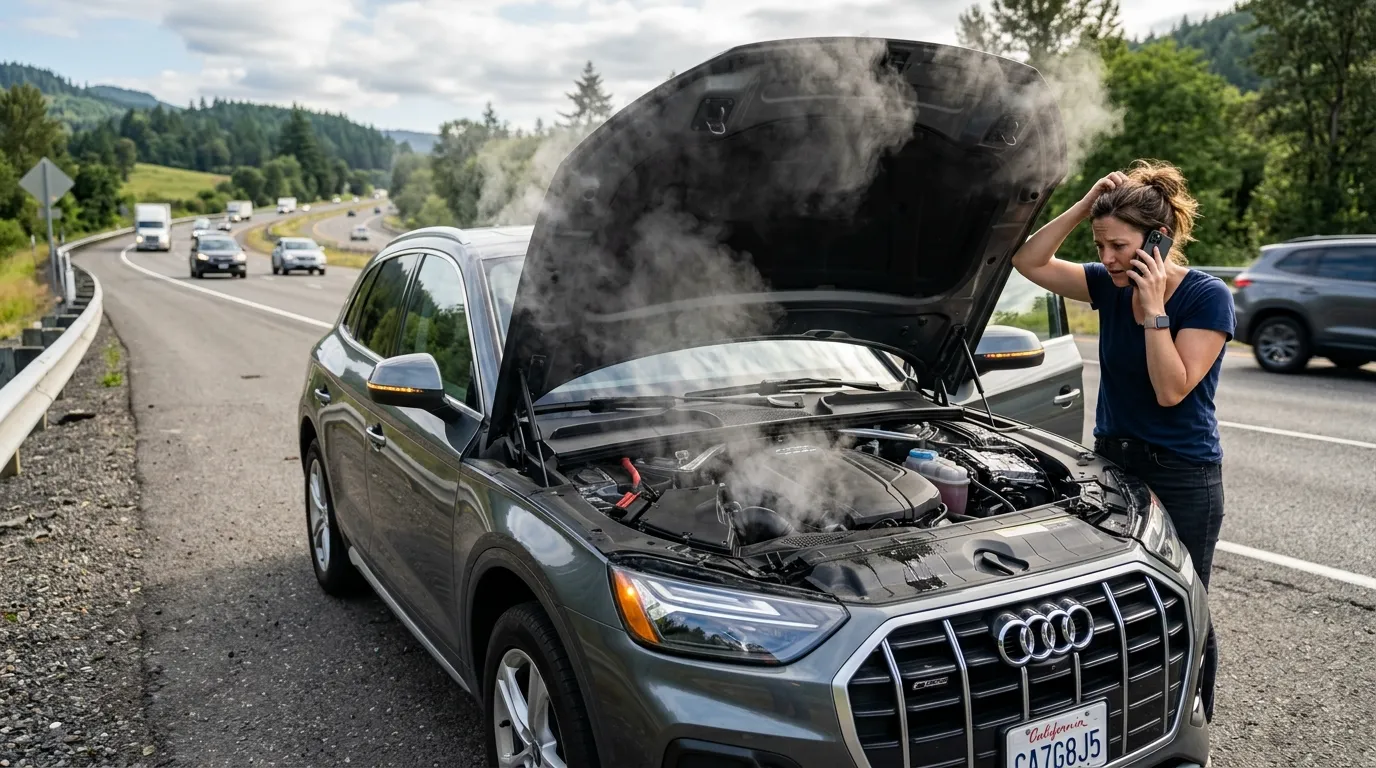
Low coolant, thermostat failure, radiator trouble, water-pump or fan issues usually cause engine overheating.
I’ve spent years fixing cars and writing about vehicle care. If you want a clear, practical guide on what causes a car engine to overheat, this article covers every likely culprit, how the cooling system works, step-by-step troubleshooting, and easy prevention tips. Read on to learn how to spot problems fast and keep your engine running cool.
How the cooling system works (quick definition and why it matters)
An engine creates heat when fuel burns. The cooling system moves heat away to keep metal parts safe. Key parts are the radiator, coolant, water pump, thermostat, cooling fan, hoses, and belts.
If any part fails, the system can’t move heat away fast enough. That’s why knowing what causes a car engine to overheat helps you fix small issues before they turn into big failures.
Main causes: what causes a car engine to overheat
Below are the most common reasons engines overheat. Each item includes how it fails and what you might see.
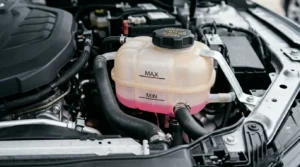
- Low or dirty coolant
- Coolant level low from leaks or evaporation reduces heat transfer. You may see low coolant on the reservoir or a sweet smell.
- Old coolant also loses its corrosion inhibitors and boiling point, reducing cooling efficiency.
- Cooling system leaks
- Leaks in the radiator, hoses, water pump, heater core, or head gasket let coolant escape. Symptoms include puddles, steam, or an overheating gauge.
- Faulty thermostat
- A thermostat stuck closed prevents coolant flow through the radiator. The engine warms quickly and stays hot even at idle.
- Broken or slipping drive belt
- The serpentine belt runs the water pump and fan on many cars. If it fails, coolant stops circulating and the fan may not run.
- Water pump failure
- A worn bearing or impeller damage reduces coolant circulation. You might notice leaks, noise, or overheating under load.
- Radiator problems and blockages
- External debris, internal corrosion, or sediment can reduce airflow and coolant flow. This lowers heat transfer and raises temperatures.
- Electric cooling fan failure
- Fans that don’t switch on reduce airflow at low speeds and while idling. You’ll see higher temps in traffic or at stops.
- Air pockets in the cooling system
- Trapped air stops coolant from circulating properly and causes hot spots. This often follows a coolant change or repair.
- Blown head gasket or cracked head/block
- Combustion gases entering the coolant cause overheating and bubbles in the coolant reservoir. This is a serious issue that needs prompt repair.
- Wrong or poor-quality oil
- Low or old oil raises engine friction and operating temperature. Oil also helps move heat away from pistons and bearings.
- Overworking the engine
- Towing heavy loads, driving up steep grades, or stop-and-go traffic can push the cooling system beyond its capacity, causing overheating.
- External conditions and human errors
- Extreme heat, blocked grille, or running without coolant caps and with closed vents can lead to overheating. Wrong coolant mix (too much water or wrong type) also matters.
These causes show why it’s important to know what causes a car engine to overheat. Small problems often lead to larger ones if left unattended.
Symptoms and warning signs to watch for
Recognizing early signs helps you act fast. Common symptoms include:
- Temperature gauge rising above normal or into red.
- Steam or white smoke from under the hood.
- Sweet-smelling odor from coolant leaks.
- Frequent need to add coolant.
- Heater not blowing warm air or blowing hotter than expected.
- Loss of power, knocking, or odd engine noises.
If you spot two or more signs, stop driving and check coolant and hoses. Addressing the problem early often keeps repair costs low and prevents engine damage.
Step-by-step troubleshooting: how to find the cause
Work methodically and safely. Always let the engine cool before opening the radiator cap.
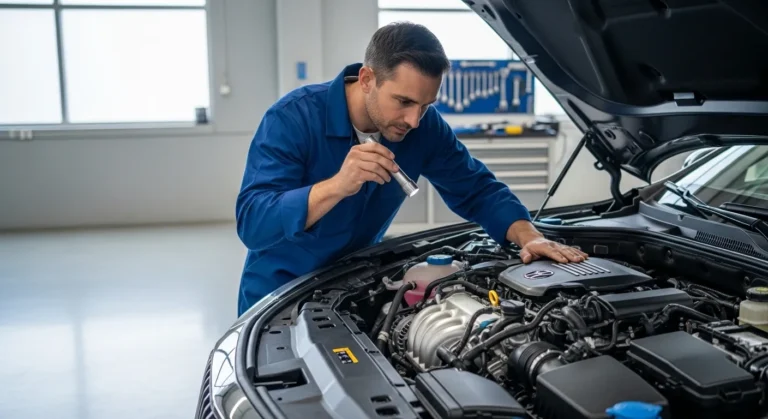
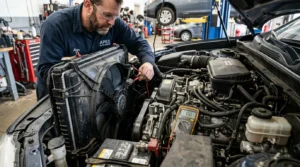
- Visual inspection
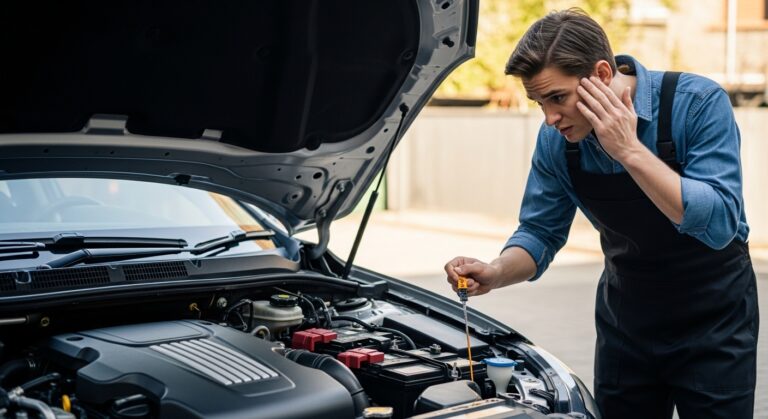
- Check coolant level in the overflow tank.
- Look for puddles, wet spots, or stains under the car.
- Inspect hoses for cracks, swelling, or soft spots.
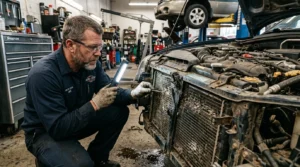
- Check radiator and cap
- Look for bent fins, debris, or corrosion.
- A bad cap can let pressure escape and lower boiling point.
- Test the thermostat
- Run the engine and watch the upper radiator hose. If it stays cold, the thermostat may be stuck closed.
- Verify fan operation
- At idle with engine warm, fans should run. If not, check fuses, relays, or temperature sensors.
- Inspect belts and water pump
- Check belt tension and look for leaks near the water pump. Squealing or grinding suggests bearing failure.
- Pressure test the system
- A pressure test finds leaks and checks cap function. It also reveals head gasket or heater-core leaks.
- Check for combustion gases in the coolant
- A combustion leak tester detects head gasket failures. Bubbles during idling, plus loss of coolant, point to this issue.
- Consider oil and exhaust checks
- Milky oil, white smoke, or unexplained oil dilution suggest severe internal issues.
This process helps pinpoint what causes a car engine to overheat and guides you to the right repair.
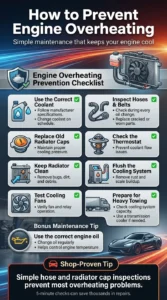
Prevention and maintenance: keep your engine cool
Regular care stops most overheating problems. Use these practical steps:
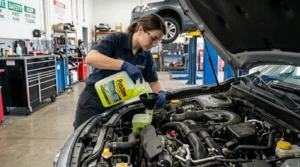
- Follow the manufacturer’s coolant change interval and type.
- Inspect hoses and belts at every oil change.
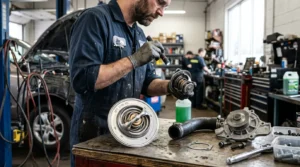
- Replace old or damaged radiator caps and thermostats.
- Keep the radiator and grille free of debris and bugs.
- Flush the cooling system if you see rust, scale, or frequent low coolant.
- Test cooling fans and fan relays periodically.
- Avoid heavy towing without checking cooling capacity and transmission cooler.
- Use the right engine oil and change it regularly.
From my shop experience, simple checks during seasonal service prevented 8 out of 10 overheating calls. A five-minute hose and cap check can save big money and time.
When to seek professional help
Some problems are safe DIY fixes, but others need the shop.
- Call a mechanic if you smell fuel, see coolant in oil, or detect white exhaust smoke. These point to head gasket or internal engine damage.
- If pressure tests or combustion leak tests are positive, get professional diagnostics.
- Complex radiator or engine repairs, such as replacing a water pump or head gasket, are best left to trained technicians.
Knowing when to stop and call a pro can prevent a simple fault from becoming an engine rebuild.

Source: shieldoils.com
Common mistakes and lessons learned (personal experience)
I once drove a customer’s car with a slow coolant leak to get a part. The engine overheated, warped the head, and repair costs tripled. Lesson: small leaks add up fast. Another time, a bad radiator cap caused repeated boil-over. Replacing the $10 cap fixed it.
Key takeaways from real-world repairs:
- Don’t ignore a slowly rising temp gauge.
- Replace cheap parts like caps and hoses at the first sign of wear.
- Keep records of coolant changes and repairs to spot trends.
These habits keep the cooling system reliable and prevent sudden failures.
Related concepts and technical notes
Knowing related terms helps you understand reports and invoices:
- Coolant vs antifreeze: Antifreeze is the concentrated chemical. Coolant is the mix with water.
- Boiling point and pressure: A pressurized system raises the coolant’s boiling point. A bad cap lowers it.
- Thermostat operation: It’s a valve activated by temperature. It opens to let hot coolant to the radiator, closing when cold.
- Heat exchanger vs radiator: Same idea—move heat from fluid to air. Radiators are a type of heat exchanger.
These basics help when diagnosing what causes a car engine to overheat and when talking to technicians.
People also ask (short answers)
Q: Can low oil make an engine overheat?
A: Yes. Low or old oil increases friction and heat. Keep oil at the right level to help cooling.
Q: Will driving with a hot engine cause more damage?
A: Yes. Continued driving can warp heads, blow gaskets, or seize the engine. Stop and cool the car when overheating.
Q: How long can you drive with the temp gauge high?
A: It depends, but driving long with high temp often causes severe damage. Pull over and check within minutes.
Frequently Asked Questions of what causes a car engine to overheat
What are the first things to check when my engine overheats?
Check the coolant level, look for visible leaks, and inspect hoses and belts. If safe, confirm the radiator fan runs when the engine is hot.
Can a bad thermostat alone cause my car to overheat?
Yes. A thermostat stuck closed prevents coolant flow to the radiator and will cause rapid overheating. Replacing it is a common fix.
Is it okay to add water instead of coolant in an emergency?
Adding water briefly is okay in an emergency, but it lowers boiling point and lacks corrosion inhibitors. Use proper coolant mix as soon as possible.
How do I know if the water pump is failing?
Look for leaks, a loose or noisy bearing, and overheating under load. A failed pump often shows coolant weep or unusual engine noise.
Could a clogged radiator cause my engine to overheat?
Yes. A clogged or corroded radiator reduces cooling flow and airflow and leads to higher engine temps. Flushing or replacing the radiator fixes this.
How urgent is it if my car starts to steam?
Very urgent. Steam indicates boiling coolant or a major leak. Stop driving, turn off the engine, and get help to avoid engine damage.
Conclusion
Engine overheating results from many issues, but most fall into a few clear categories: coolant problems, circulation failures, cooling hardware faults, or internal engine damage. Regular checks, timely coolant service, and quick action on warning signs prevent most overheating cases. Start with simple inspections and call a pro for pressure or combustion tests. Take one step today—check your coolant level and hoses—and help your engine run cool and last longer. Leave a comment or subscribe for more car care tips.