Engine coolant boils when heat spikes and system pressure, flow, or mix is wrong.
Curious about what causes engine coolant to boil? I have spent years under hoods, tracing leaks, testing caps, and fixing failed fans. In this guide, I break down what causes engine coolant to boil in clear steps. You will learn the science, the real-world faults, and how to diagnose and fix it fast.
 How the cooling system prevents boiling
A modern cooling system keeps coolant below its boiling point in two key ways. It pressurizes the system and moves heat to the air through the radiator.
- Pressure raises the boiling point. A typical 13–16 psi radiator cap lifts a 50/50 ethylene glycol mix from about 223°F at atmospheric pressure to roughly 265–275°F. That margin keeps coolant stable during climbs, towing, and traffic.
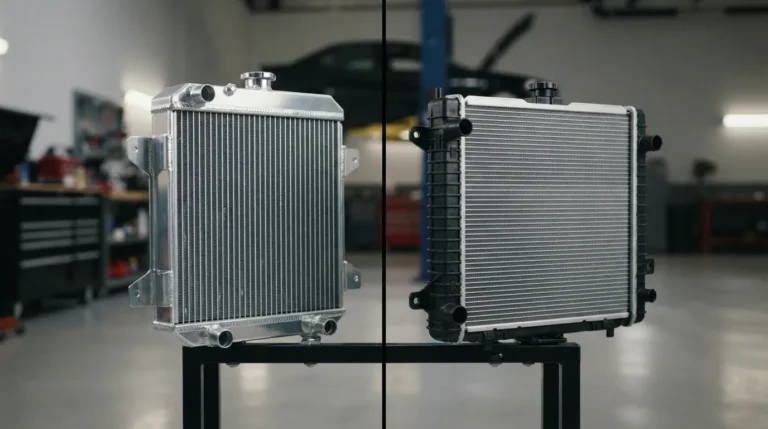
- Flow removes heat. The water pump, thermostat, hoses, radiator, and fans work as a team. They pull heat from the block and heads and dump it to the air.
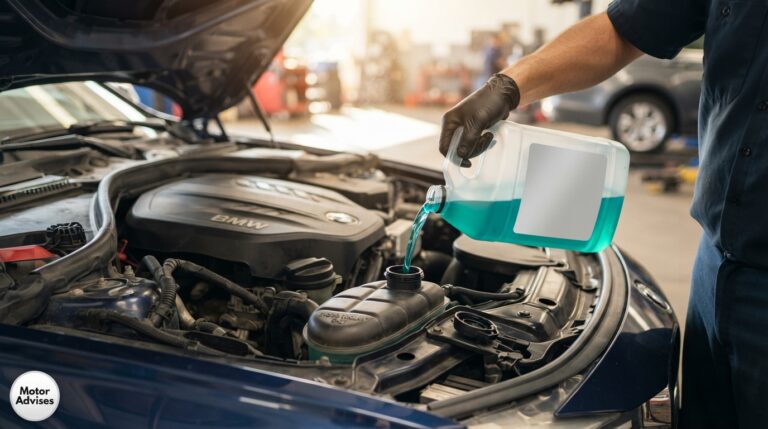
- Coolant mix matters. A 50/50 mix of antifreeze and distilled water is the sweet spot for most cars. More glycol can raise the boiling point a bit, but it also carries less heat. Too much water can boil sooner and corrode parts.
If you want to know what causes engine coolant to boil, start with pressure, flow, and mixture. When any of these fall off, boiling risk jumps.
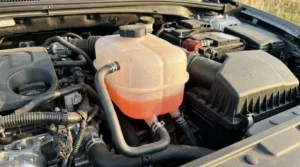
The main reasons engine coolant boils
When people ask what causes engine coolant to boil, I walk them through the most common faults first. These are the issues I see most in the shop.
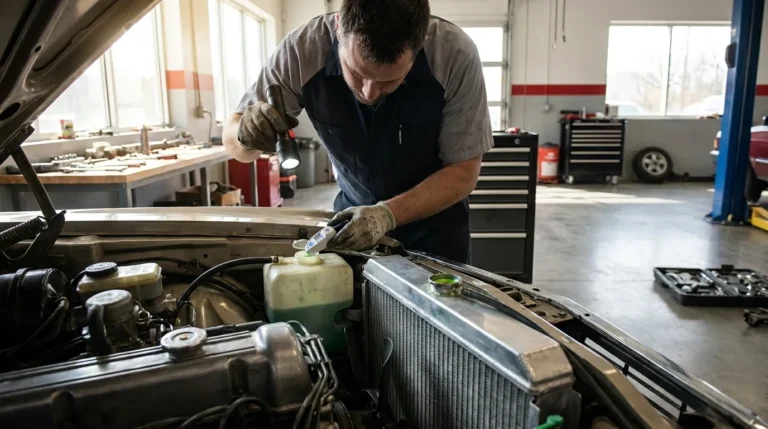
- Low coolant level. Small leaks or poor bleeding leave air pockets. Air does not carry heat, so hot spots form and boiling starts.
- Weak or wrong radiator cap. A cap that cannot hold pressure lowers the boiling point. Boil-over follows, often at idle or in traffic.
- Stuck thermostat. Stuck closed is worst. Flow stops. Heat spikes. Coolant flashes to steam near the heads.
- Failed cooling fan or fan control. Electric fans, relays, fuses, or sensors can fail. No airflow at low speed means quick boil.
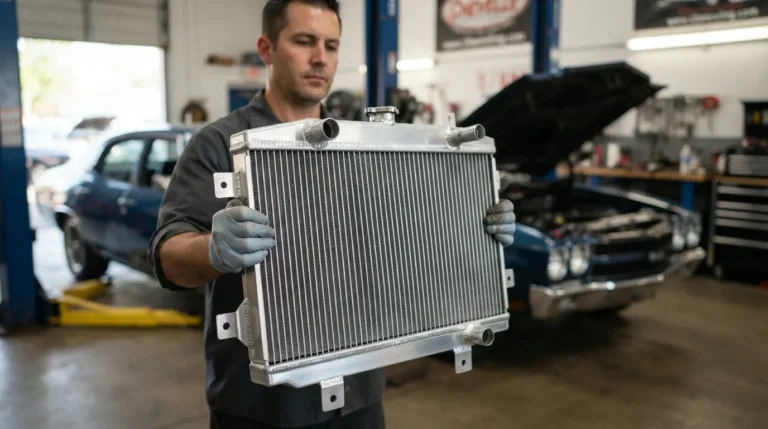
- Clogged radiator or fins packed with debris. Scale inside or bugs outside both cut heat transfer. Coolant gets hot and boils.
- Worn water pump or slipping belt. Eroded impellers and loose belts cut flow. Cavitation forms and heat builds.
- Wrong coolant mix or type. Too much water, tap water minerals, or mixed chemistries reduce protection and raise boiling risk.
- Head gasket leak or cracked head. Combustion gas enters the cooling system. Pressure spikes and rapid bubbling show up in the tank.
- Air trapped after service. If you skip a proper bleed, steam pockets collect at high points and trigger boil.
- Severe load and ambient heat. Towing uphill in 105°F with AC on will stress a marginal system fast.
- Body parts missing. Shrouds, undertrays, and seals guide air. If they are gone, airflow drops and temps climb.
- Engine tune issues. Lean mixture, late ignition timing, or dragging brakes add heat the system must shed.
In short, the real answer to what causes engine coolant to boil is a loss of margin. Lose pressure, lose flow, lose heat transfer, and the pot boils.
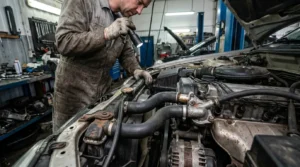
Step-by-step diagnosis you can trust
Here is a simple path I use in the bay. It finds the root cause fast and safe.
- Confirm the symptom
- Look for steam, a sweet smell, or a bubbling reservoir.
- Watch the dash temp and use a scan tool for live ECT data.
- Do not open a hot cap
- Let the engine cool fully before opening the cap.
- Opening hot can cause burns and more boiling.
- Check level and bleed quality
- Inspect the coolant level cold in the radiator and reservoir.
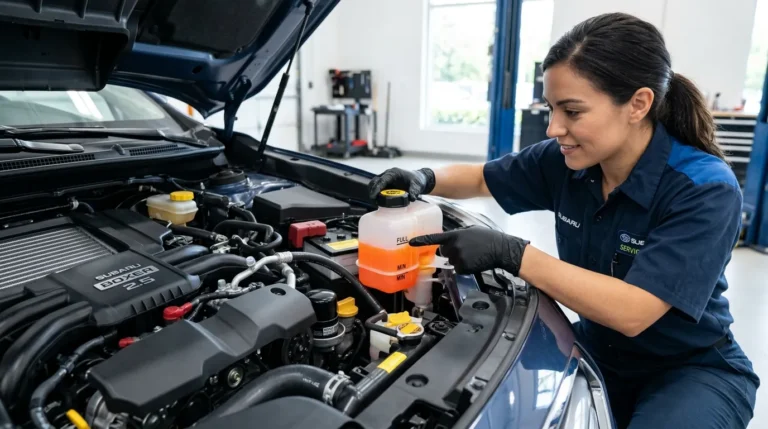
- If low or aerated, top up with the correct mix and bleed by the OEM method.
- Test pressure integrity
- Pressure-test the system and the radiator cap.
- A cap that vents early or a system that cannot hold rated psi is a red flag.
- Inspect airflow and fans
- Verify fans run at the right temps with the AC on and off.
- Clear debris from the condenser and radiator pack. Check shrouds.
- Verify thermostat and flow
- Use an infrared thermometer on upper and lower radiator hoses.
- A cold lower hose with a hot upper hose after warm-up hints at a stuck thermostat.
- Squeeze hoses for collapse under revs. That can mean a bad hose liner or cap.
- Scan and log data
- Look at ECT, fan command, vehicle speed, and AC state.
- Compare to OEM fan-on thresholds.
- Rule out combustion gas leaks
- Use a chemical block test or CO2 tester at the radiator neck.
- Bubbles that match engine speed suggest a head gasket issue.
- Evaluate coolant quality
- Check mix with a refractometer.
- Rust, oil, or sludge calls for a flush and repair.
This process answers what causes engine coolant to boil in your case, not just in theory.
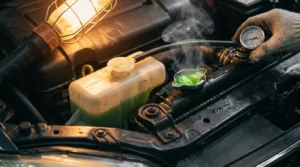
Fixes and prevention that actually work
These are the fixes I apply most. They solve what causes engine coolant to boil and keep it from coming back.
- Restore the correct level and bleed. Follow the factory bleed steps. Use vacuum-fill tools when possible.
- Replace a weak cap. Caps are cheap and critical. Use the OEM pressure rating.
- Install a fresh thermostat. Pick the temperature spec the car was built for. Avoid drilling or “race” thermostats unless tuned for it.
- Repair leaks. Hoses, clamps, heater core, radiator tanks, and water pump weep holes are common spots.
- Service the radiator. Flush scale, fix bent fins, and clear debris. Replace if flow is poor.
- Fix fan and control issues. Replace bad relays, fuses, motors, or a failed temperature sensor.
- Use the right coolant and mix. 50/50 with distilled water is safe for most. In extreme heat, 55–60% glycol can help, but do not exceed OEM advice.
- Check belts and pump. Replace a glazed belt. Inspect for impeller wear or wobble.
- Keep air management parts installed. Shrouds and undertrays matter more than most think.
Pro tip from experience: many late-summer boil-overs in my shop came down to weak caps and dirty condenser/radiator stacks. A new cap and a deep clean often dropped coolant temps by 10–20°F in stop-and-go traffic.
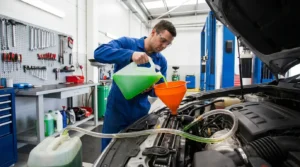
Symptoms and risks you should not ignore
Boiling is loud and scary for a reason. It can do real damage fast.
- Warning signs
- Temp gauge spikes or red light
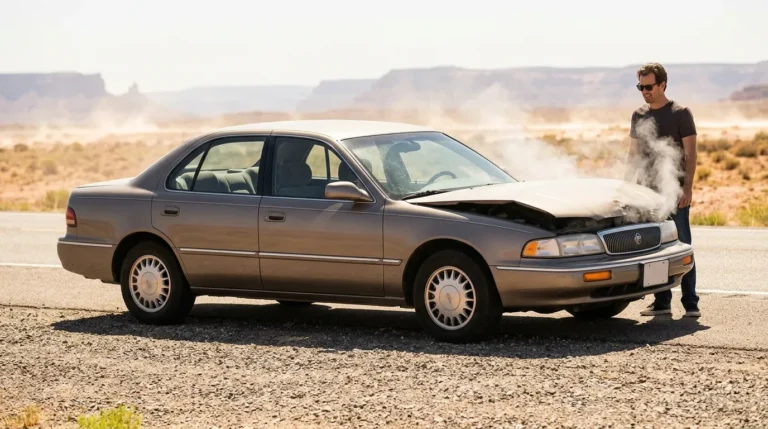
- Steam from the hood or a sweet smell
- Bubbling in the reservoir after shutoff
- Hoses rock-hard with pressure or collapsing at revs
- Brown coolant, flakes, or oil sheen
- Risks of driving while boiling
- Hot spots that crack heads or warp the block
- Head gasket failure from pressure spikes
- Pump cavitation that eats impellers
- Coolant breakdown that corrodes parts
If you sense what causes engine coolant to boil is still present, stop and fix it. Heat damage is far more expensive than cooling repairs.
Source: reddit.com
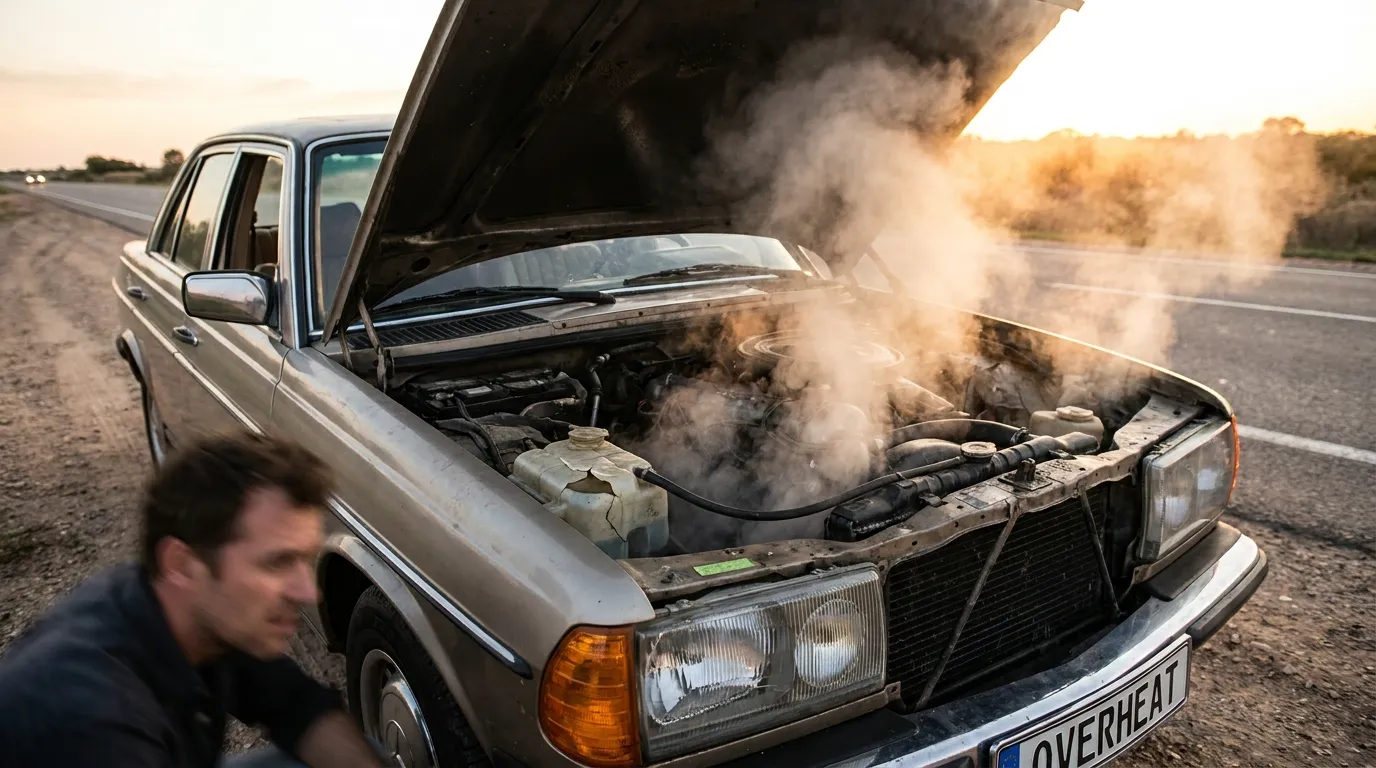
What to do on the road if coolant is boiling
You can often save the engine with calm steps.
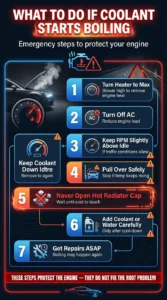
- Turn on the heater to max, set the blower high. This dumps heat into the cabin.
- Turn off the AC and keep RPM a bit above idle if traffic allows.
- Pull over safely. Shut down if the temp keeps climbing.
- Do not open the cap hot. Wait until it is cool to touch.
- Add coolant or water only after cool-down, and only enough to reach the next safe spot.
- Seek repair soon. If it boiled once, it may boil again.
These moves will not fix what causes engine coolant to boil. But they can protect the engine until you repair the root cause.
Frequently Asked Questions of what causes engine coolant to boil
What causes engine coolant to boil at idle?
Weak airflow is common. A failed fan, bad relay, or clogged radiator/condenser lets heat build when the car is not moving.
What causes engine coolant to boil in the reservoir?
A bad radiator cap or head gasket leak can push gas into the tank. This lowers the boiling point or raises pressure in bursts.
Can low coolant cause boiling?
Yes. Low level creates air pockets. Air blocks heat flow and forms hot spots that boil first.
What temperature does 50/50 coolant boil at?
At atmospheric pressure, about 223°F. With a healthy 15 psi cap, it is closer to 265–275°F.
Is it safe to drive if coolant is boiling?
No. You risk major engine damage. Pull over, cool down, and address the fault before driving far.
Can the wrong coolant mix cause boiling?
Yes. Too much water boils sooner, and too much glycol reduces heat transfer. Stick close to 50/50 unless the OEM says otherwise.
How do I know if the head gasket is involved?
Watch for constant bubbles, oil in coolant, milky oil, or white smoke. A chemical block test can confirm.
Conclusion
Boiling happens when your system loses margin. The core of what causes engine coolant to boil is simple: too much heat and not enough pressure, flow, or heat transfer. Fix the basics first, test the cap, restore airflow, bleed right, and use the proper mix.
Take action today. Do a quick inspection, clean your radiator pack, and replace a tired cap. If you saw steam, schedule a pressure test and a block test. Want more tips like this? Subscribe, share your symptoms in the comments, and I will help you pin down the cause in your car.