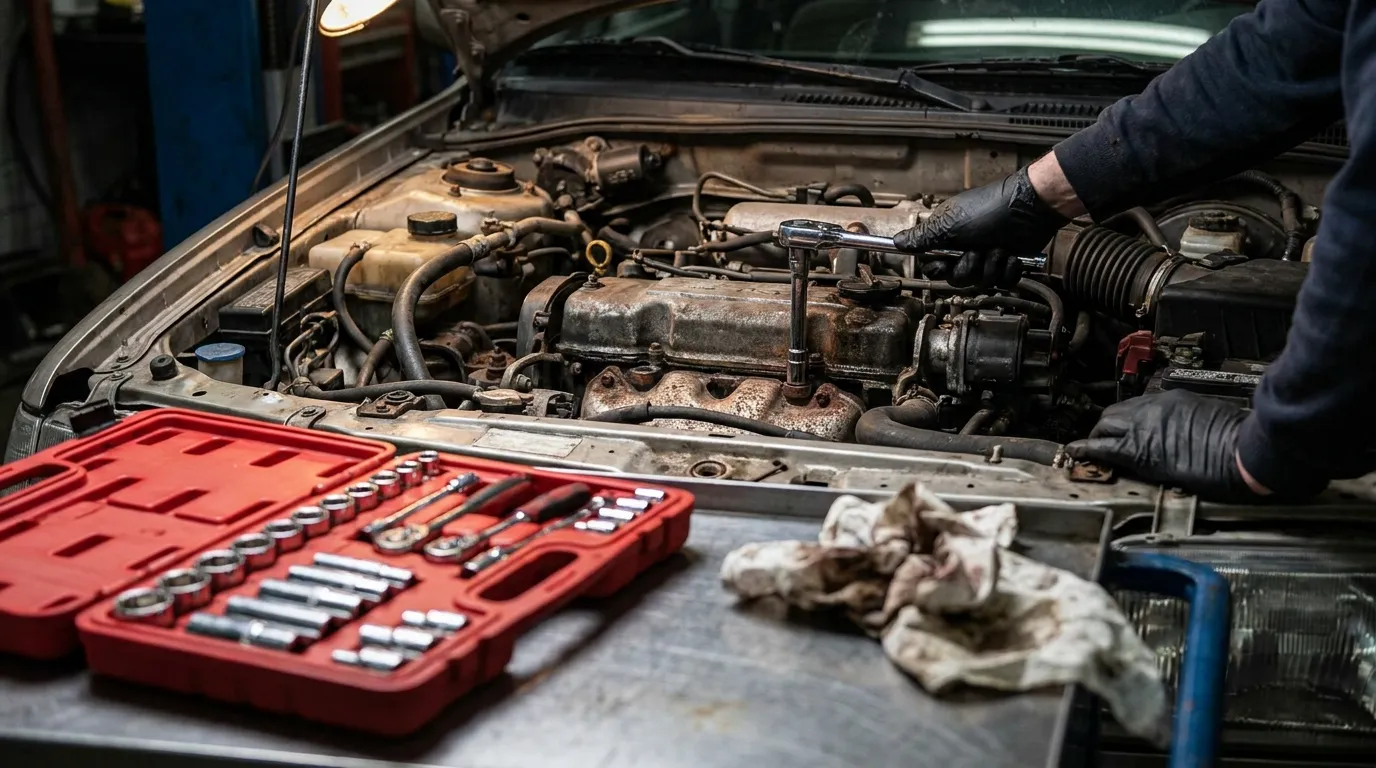
Use the right socket, set the ratchet direction, seat it fully, then turn with steady force.
I’ve used ratchet sets for years in home repair and light auto work, and this guide breaks down how to use ratchet set tools clearly and safely. You’ll learn what each piece does, how to pick the right parts, step-by-step actions for loosening and tightening, common mistakes, care tips, and real-world tricks I learned on the job. Read on to build confidence with your ratchet set and finish jobs faster and safer.
What is a ratchet set and why it matters
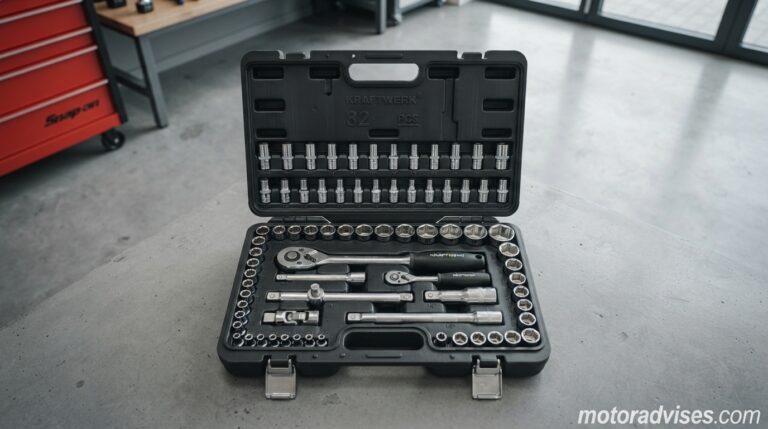
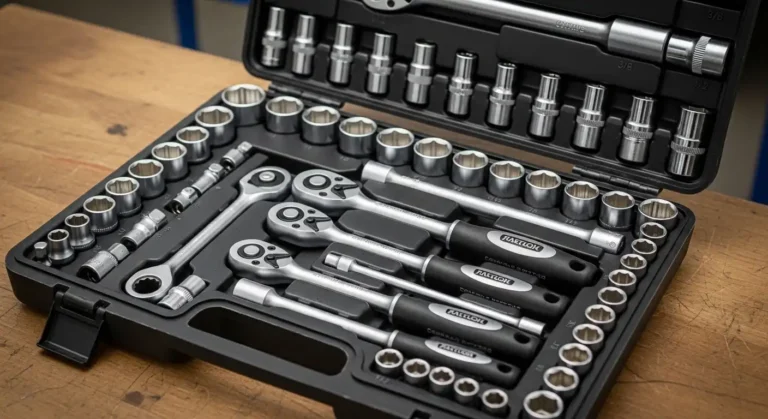
A ratchet set is a hand tool kit centered on a ratchet wrench and matching sockets. The ratchet lets you turn fasteners in tight spots without lifting the tool off the bolt each time. A typical set includes a ratchet handle, sockets of various sizes, extensions, and sometimes universal joints and adapters. Knowing how to use ratchet set tools means faster work, less fatigue, and fewer damaged fasteners.
Key parts to know:
- Ratchet head – contains the pawl and gear to allow one-way turning.
- Drive size – common sizes are 1/4″, 3/8″, and 1/2″; pick the drive that fits your job.
- Sockets – come in metric and SAE (imperial) sizes.
- Extensions and adapters – reach tight spots or change drive sizes.
How it helps:
- Speeds up assembly and disassembly.
- Saves space where a full swing is impossible.
- Reduces chance of rounding bolt heads when used correctly.
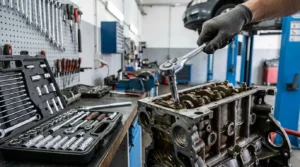
Choosing the right ratchet set
Picking the right set makes using a ratchet set much easier. Choose based on the work you do most.
Choose by drive size:
- 1/4″ drive – small fasteners, electronics, tight spaces.
- 3/8″ drive – general household and auto work; great all-rounder.
- 1/2″ drive – heavy-duty tasks like suspension and lug nuts.
Choose sockets by measurement system:
- Metric sockets for most modern cars and machinery outside the U.S.
- SAE sockets for some older parts and U.S.-made hardware.
Look for these features:
- Quick-release button to secure sockets.
- Fine-tooth ratchet for small swing arc.
- Chrome vanadium steel for durability.
- A good case for organization.
Practical tip: I keep a 3/8″ set for most jobs and a 1/4″ for tight spaces. This covers about 90% of tasks I do.
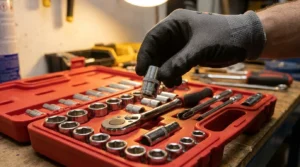
How to use a ratchet set: step-by-step
These steps show exactly how to use ratchet set tools to remove or tighten a bolt safely.
- Select the correct socket
- Match socket size to the bolt head. The fit should be snug without force.
- Attach socket to the ratchet
- Push the socket onto the drive until it clicks or locks.
- Set ratchet direction
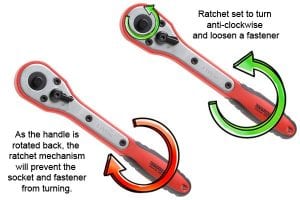
- Flip the direction switch or lever to choose tighten or loosen.
- Seat the socket fully
- Place the socket squarely over the fastener so it sits flush.
- Use the smallest reasonable swing
- Turn the handle back and forth in short arcs to avoid slippage.
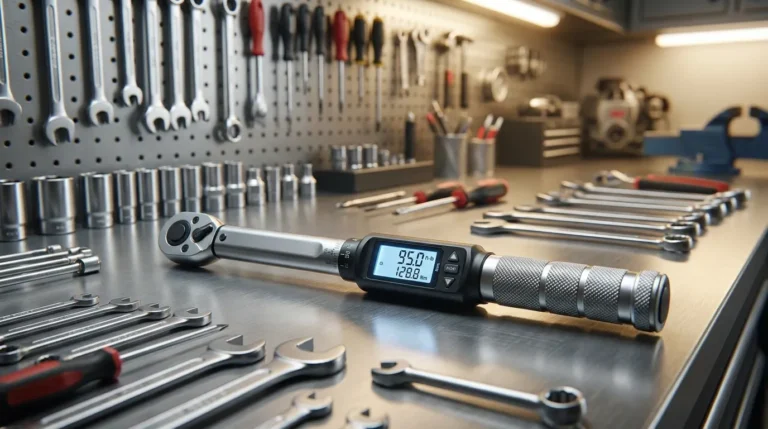
- Finish to torque spec
- For critical fasteners, use a torque wrench to reach the exact torque value.
- Remove carefully
- Reverse the steps and store the pieces cleanly.
Safety and control tips:
- Pull the ratchet toward you for better control and to avoid knuckle injuries.
- Use steady, even pressure. Sudden hard force can round bolt heads.
- For stuck bolts, use a breaker bar or penetrating oil—don’t force the ratchet.
Personal note: Once, I tried to free a rusted bolt with a 3/8″ handle only to slip and strip the head. Switching to a 1/2″ breaker bar saved the fastener and my patience.
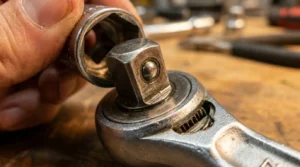
Using extensions, adapters, and universal joints
Extensions and adapters expand how you use your ratchet set. Use them smartly.
When to use extensions:
- Reach deep-set bolts or those inside housings.
- Keep the extension straight to avoid wobble.
When to use adapters:
- Change drive sizes when you lack the ideal ratchet.
- Avoid stacking many adapters; more links mean more wobble.
Universal joints:
- Useful for angled access.
- Use light force; universals reduce torque and increase risk of rounding.
Practical example: For spark plug access, a 3/8″ extension and socket with a rubber insert helps grip and remove the plug without dropping it into the engine bay.
Common mistakes and how to avoid them
Avoid these frequent errors when you use ratchet set tools.
Wrong socket size
- Using the next-size socket can round edges. Always pick the exact fit.
Over-torquing or under-torquing
- Use a torque wrench on critical bolts like head bolts or wheel nuts.
Using a damaged socket or ratchet
- Cracked sockets and worn teeth risk sudden failure. Replace damaged parts.
Improper direction setting
- Always check the ratchet direction by hand before applying force.
Forgetting safety gear
- Wear gloves and eye protection for rusted or tight fittings.
Lessons learned: I once stripped a bolt because I relied on the ratchet for final tightness. Now I use a torque wrench every time precision matters.

Maintenance and care for a long-lasting ratchet set
Routine care keeps a ratchet set reliable for years.
Basic maintenance:
- Clean sockets and ratchet after use to remove dirt and grime.
- Apply a drop of light oil to the ratchet mechanism once in a while.
- Inspect teeth and sockets for wear; replace if rounded or cracked.
Storage tips:
- Store sockets in a labeled case with slots to prevent lost pieces.
- Keep a small tube of lubricant with the set.
When to service or replace:
- If the ratchet slips under light pressure, rebuild or replace it.
- Replace sockets that show cracks or severe rounding.
Source: co.uk
Quick tips and tricks from experience
Practical shortcuts I use when I use ratchet set tools.
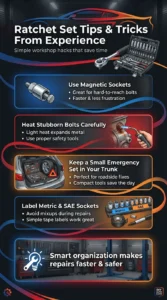
- Use a magnetic socket for hard-to-reach bolts; it saves seconds and frustration.
- For stubborn bolts, heat the area lightly to expand metal—use care and proper tools.
- Keep a small set with you in the trunk; you’ll thank yourself during roadside fixes.
- Label metric and SAE sockets with simple tape to avoid mixups on site.
Frequently Asked Questions of how to use ratchet set
What drive size should I keep in my basic toolkit?
For general use, a 3/8″ drive set covers most household and car tasks, while adding a 1/4″ and 1/2″ handles covers fine and heavy-duty needs.
How do I know which socket size to use?
Try the socket on the fastener; the correct size fits snugly with no wobble and allows full seating on the bolt head.
Can I use a ratchet instead of a torque wrench?
You can for non-critical fastenings, but for wheel lug nuts, engine parts, and safety-critical bolts, always use a torque wrench for accuracy.
Why is my ratchet slipping under pressure?
Slipping means pawl or gear wear, or the socket size is wrong. Stop using it and service or replace the tool.
Are metric and SAE sockets interchangeable?
They are not fully interchangeable; a near-fit may work temporarily but risks rounding fasteners. Use the correct system whenever possible.
How should I remove a rounded bolt with a ratchet set?
Use a larger socket, bolt extractor socket, or apply penetrating oil and a breaker bar; heat can help but must be used safely and sparingly.
Can I use adapters to save money on sets?
Adapters are fine short-term, but excessive use reduces torque accuracy and increases wobble. Ideally, have sockets for each drive you use often.
Conclusion
You can learn how to use ratchet set tools quickly by matching socket size, seating the socket fully, setting the ratchet direction, and applying steady, controlled force. Protect fasteners with the right tools, use torque where needed, and keep your set clean and inspected. Try one new tip from this guide on your next project—practice builds speed and skill. If this helped, subscribe for more tool tips, share your own ratchet set stories below, or ask a question in the comments.