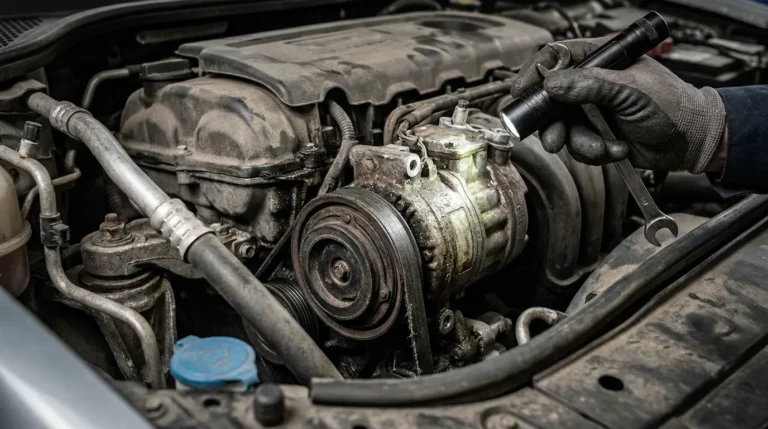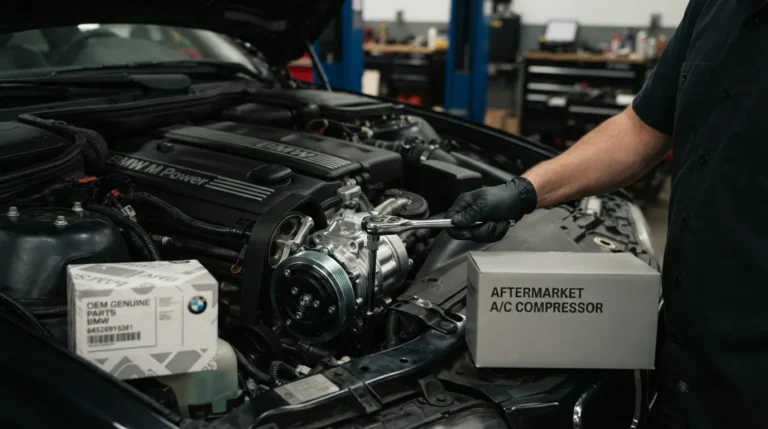
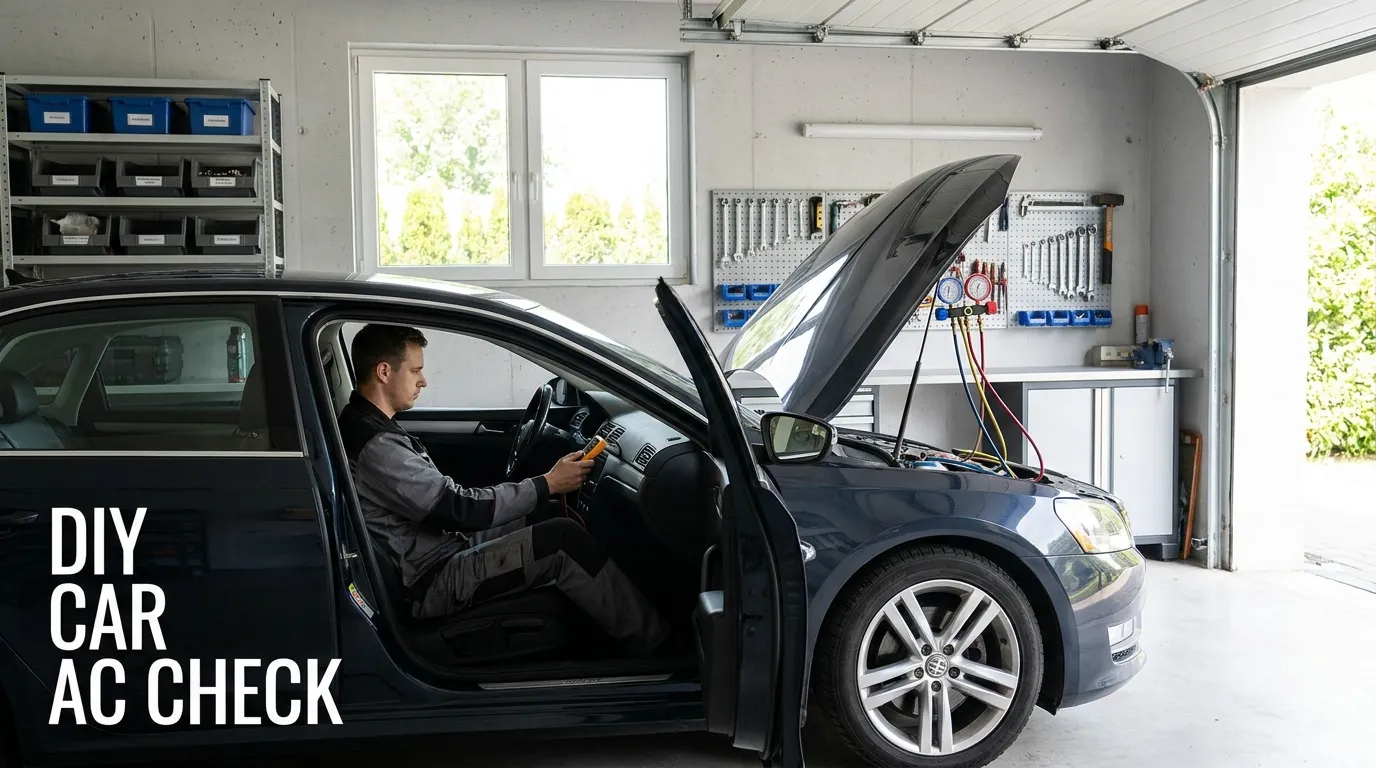
Regular cleaning and annual professional checkups keep systems efficient, safe, and longer-lasting.
I’ve worked on hundreds of cooling systems, and I’ll walk you through proven air conditioning maintenance tips that save money, improve comfort, and extend equipment life. This guide covers simple DIY tasks, when to call a pro, common problems, energy-saving tactics, and real-world lessons from my HVAC experience so you can keep your system running at peak performance.
Why air conditioning maintenance tips matter
Routine care prevents small issues from becoming costly repairs. Following air conditioning maintenance tips reduces breakdown risk, improves indoor air quality, and lowers energy bills. Regular maintenance also helps your unit hit rated efficiency and keeps warranties valid.
- Benefits include longer equipment life, fewer emergency repairs, and steadier cooling.
- Neglect leads to frozen coils, compressor failures, and high utility costs.
- Proper maintenance supports healthier air for allergy and asthma sufferers.
Seasonal air conditioning maintenance tips: checklist by season
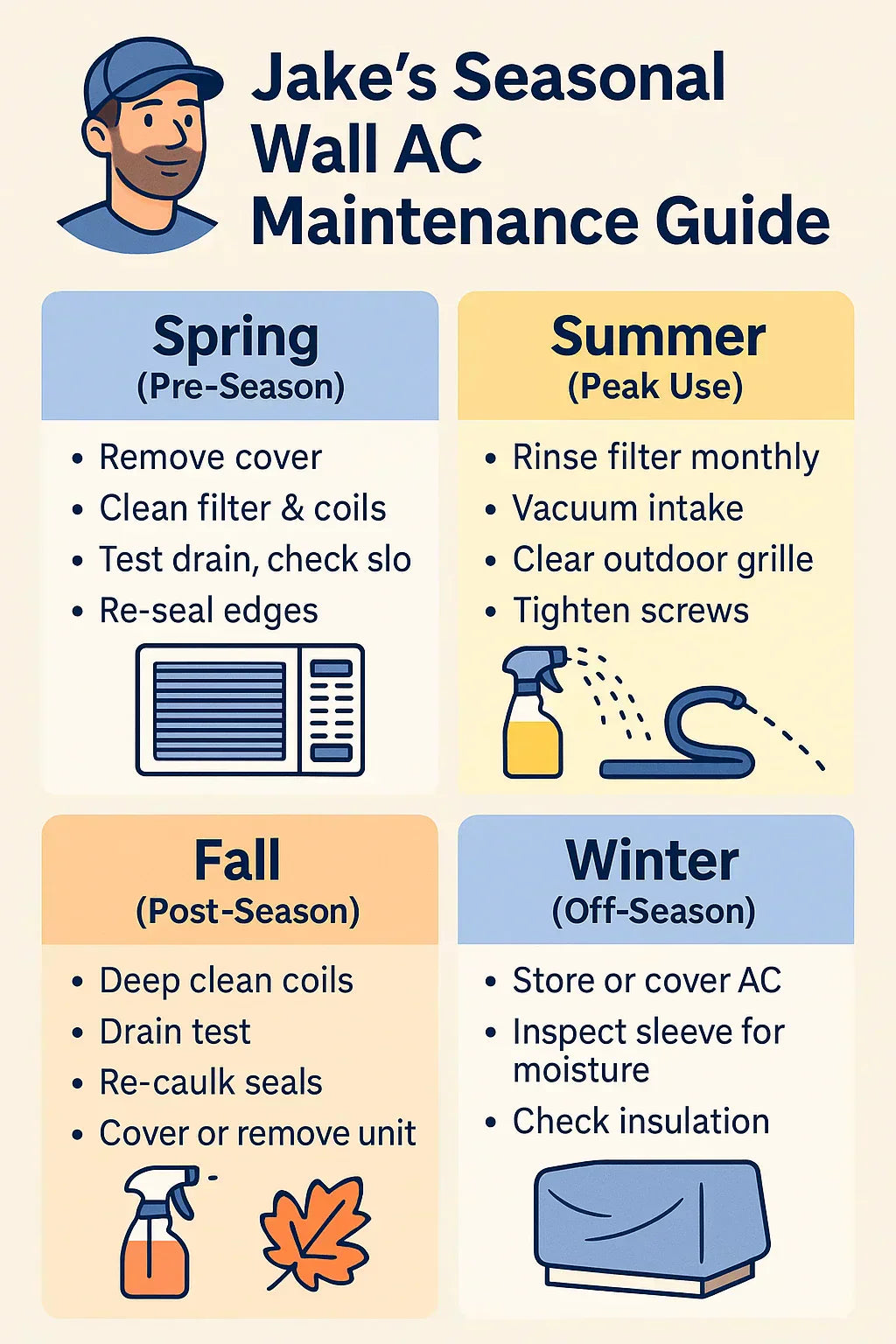
A seasonal cadence keeps systems healthy year-round. Use these air conditioning maintenance tips at the start of cooling and heating seasons.
Spring (pre-cooling)
- Replace or clean filters monthly.
- Clean outdoor coils and clear debris around the condenser.
- Check refrigerant lines for insulation damage.
Summer (peak season)
- Monitor airflow and thermostat performance weekly.
- Keep vents and registers unobstructed.
- Note unusual noises or smells and record when they occur.
Fall (after heavy use)
- Inspect condensate drain lines and clean if slow.
- Schedule a professional tune-up before winter.
- Winterize outdoor components if you live in a cold climate.
Winter (off-season care)
- Turn off power to the outdoor unit when iced or snow-covered.
- Cover condenser lightly if heavy snow or ice is routine where you live.
- Run the system briefly on fan mode to keep lubricants moving.

DIY maintenance steps anyone can do
Simple tasks prevent many common failures. These air conditioning maintenance tips are safe for most homeowners.
- Change or clean the air filter every 1–3 months depending on use and pets.
- Clean evaporator and condenser coils gently with a soft brush and coil cleaner.
- Straighten bent fins on the outdoor unit with a fin comb.
- Keep 2–3 feet of clearance around the outdoor condenser.
- Clean and flush the condensate drain with a cup of vinegar or mild bleach solution if slow.
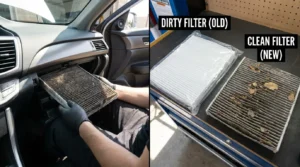
From my experience, a neglected filter is the single biggest cause of performance loss. I once revived an older unit by replacing a caked filter and cleaning the coils — the homeowner saw immediate cooling improvement.
Filters, coils, and airflow: the critical trio
Airflow drives cooling. These air conditioning maintenance tips focus on the parts that move air and transfer heat.
- Filters trap dust and protect coils; use pleated filters with MERV ratings suitable for your home.
- Evaporator coils absorb heat; dirty coils reduce efficiency and can freeze.
- Condenser coils release heat outdoors; keep them clean and free of leaves or grass clippings.
Tip from the field: always turn off power at the breaker before inspecting coils. I once cut inspection time in half by keeping a magnetic flashlight and a small coil brush in my service bag.

When to call a professional
DIY helps, but pros handle refrigerant, electrical issues, and complex diagnostics. Follow these air conditioning maintenance tips to know when to pick up the phone.
- Call a technician if the system won’t start, cycles rapidly, or blows warm air.
- Schedule a professional tune-up annually for split systems and heat pumps.
- Seek pro help for refrigerant leaks, noisy compressors, or electrical smells.
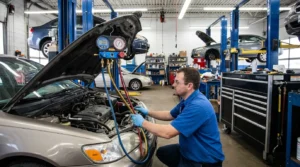
A yearly professional service typically includes system checks, electrical tightening, refrigerant level verification, and lubrication. This level of care prevents many common failures.
Source: thefurnaceoutlet.com
Troubleshooting common problems
Quick checks often fix simple issues. These air conditioning maintenance tips will help you diagnose before you call for repairs.
- Unit not cooling: check thermostat settings, filter, and outdoor unit power.
- Weak airflow: inspect filters, closed registers, or blocked ductwork.
- Strange noises: debris in the outdoor fan, loose panels, or failing motors.
- Water leaks: clogged condensate drain is a common cause.
If basic checks don’t fix it within a few minutes, schedule a pro. Avoid repeated attempts on electrical components — safety first.
Energy savings and cost benefits of maintenance
Keeping up with air conditioning maintenance tips reduces energy costs and delays replacement. A clean system runs less and wastes less energy.
- Proper maintenance can cut energy use by 5–15% or more.
- A clean, tuned unit preserves compressor health, the most expensive component to replace.
- Small investments in filters and tune-ups often pay back in lower bills and fewer repairs.
I tracked energy bills for a client before and after a full maintenance service and saw a clear monthly reduction in energy use for the remainder of the summer.

Source: coolmaxairllc.com
Safety, limitations, and warranties
Maintenance has limits and safety rules. Understand what you should not do yourself.
- Don’t handle refrigerant; certified technicians must service it.
- Avoid opening electrical panels unless you are qualified.
- Follow manufacturer guidelines to keep warranties valid; some require annual professional service.
Be transparent with your technician about past DIY attempts; honesty avoids misdiagnosis and unsafe fixes.
Tools, supplies, and what to keep on hand
A small kit saves time and money. These air conditioning maintenance tips list essentials for homeowners.
- Replacement filters of the proper size and MERV rating.
- Fin comb and soft coil brush for coil care.
- Screwdriver, flashlight, and a small vacuum for accessible debris.
- Garden hose for gentle outdoor coil rinsing.
- Condensate-safe cleaner to clear slow drains.
Keep a maintenance log with dates and notes. When I started logging services years ago, it made scheduling and warranty claims far easier.
Personal lessons, mistakes to avoid, and pro tips
I’ve learned practical lessons that matter. These air conditioning maintenance tips reflect common pitfalls and useful shortcuts.
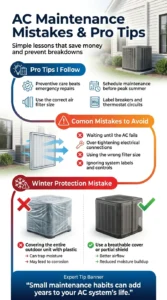
- Don’t wait for a breakdown to act; preventive care is cheaper.
- Avoid over-tightening electrical connections; leave that to technicians.
- Replace oversized or undersized filters with the correct type — not all filters fit the job.
- Label circuit breakers for the outdoor unit and thermostat to reduce confusion.
One mistake I often see: homeowners covering entire outdoor units with plastic during winter. This can trap moisture and cause corrosion. Use a breathable cover or partial shield instead.
PAA-style questions you might ask now
What is the most important air conditioning maintenance tip?
- Changing the air filter regularly is the single most impactful tip for performance and efficiency.
How often should a professional inspect my AC?
- A yearly professional inspection is ideal; properties with heavy use may benefit from twice-yearly checks.
Can I clean coils myself safely?
- You can clean exposed coils gently with a brush and coil cleaner, but avoid forcing water into electrical parts and call a pro for deep cleaning.
Is it worth replacing an old AC instead of repairing?
- If repairs exceed 50% of unit value or efficiency is far below modern systems, replacement often saves money long term.
What filters are best for home systems?
- Use pleated filters with an appropriate MERV rating for your home; higher MERV blocks more particulates but can restrict airflow if the system isn’t designed for it.
Frequently Asked Questions of air conditioning maintenance tips
How often should I change my air filter?
Change or clean filters every 1–3 months depending on use, pets, and allergies. Regular replacement improves airflow and reduces strain on the system.
When is the best time for a professional tune-up?
Schedule a professional tune-up in spring before heavy cooling demand or in fall for heat pump checks. Annual service keeps warranties and efficiency on track.
Will cleaning the condenser improve cooling?
Yes. Cleaning the outdoor condenser coil and clearing debris restores heat transfer and improves cooling performance. Turn off power before cleaning.
What are signs my AC needs refrigerant service?
Signs include weak cooling, ice on the coil, or hissing sounds near refrigerant lines. Refrigerant service requires a certified technician.
Can I use a smart thermostat to reduce maintenance?
A smart thermostat helps monitor runtime and detect odd cycling. It can reduce energy use but does not replace filter changes or mechanical checks.
Conclusion
Regular air conditioning maintenance tips—like changing filters, keeping coils clean, clearing drains, and scheduling annual professional service—keep your system efficient, safe, and reliable. Start with simple DIY checks, keep a maintenance log, and call a qualified technician for refrigerant or electrical work. Take action today: replace your filter, clear debris around the outdoor unit, and book a professional tune-up to protect comfort and save money. Share your maintenance wins or questions below, or subscribe for more practical home HVAC advice.