
Power steering maintenance keeps steering smooth, prevents costly failures, and extends component life.
I have worked on cars and steering systems for over a decade, and I write this guide to help you understand power steering maintenance clearly. This article covers what power steering maintenance is, why it matters, how to inspect systems, simple DIY steps, when to seek a pro, and common pitfalls I’ve seen. Read on for practical tips, examples from real repairs, and a clear checklist you can use today.
What is power steering and why maintenance matters
Power steering maintenance is the care of the parts that make steering easy. It includes checking fluid, hoses, belts, pump, rack, and steering linkages. Regular care keeps steering responsive and lowers the risk of sudden failure.
Good maintenance saves money. A small fluid flush or hose swap can prevent a costly rack or pump replacement. I have seen cars that needed only a $40 fluid change instead of a $1,200 pump replacement because owners acted early.
How power steering systems work (quick overview)
Most modern cars use hydraulic or electric-assist systems. Hydraulic power steering uses a pump, fluid, hoses, and a rack or gearbox. Electric power steering uses an electric motor, sensors, and a control module to assist steering.
Knowing which system you have helps with power steering maintenance. Hydraulic systems need fluid checks and hose inspections. Electric systems need software updates and checks for worn sensors or motor wear.

Routine power steering maintenance checklist
Follow this checklist every 6 months or at regular service intervals. These steps make power steering maintenance simple and effective.
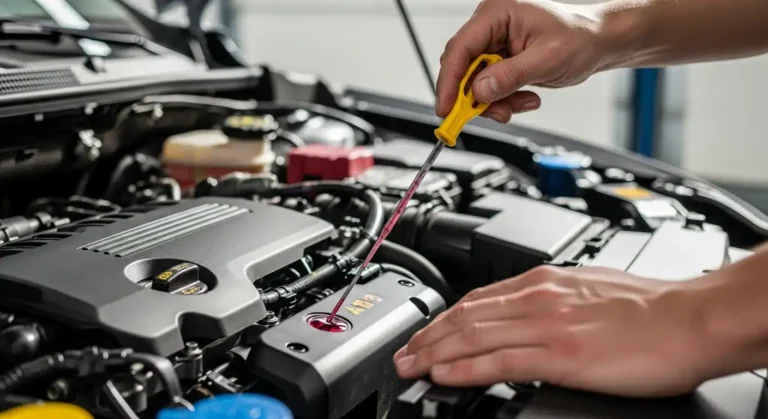
- Check fluid level
- Look at the reservoir with the engine cool. Top to the recommended mark only with the correct fluid.
- Inspect fluid condition
- Healthy fluid is clear or light amber. Dark, foamy, or burnt-smelling fluid signals a problem.
- Inspect hoses and clamps
- Look for cracks, swelling, soft spots, or leaks at connections.
- Check belt tension and condition
- For hydraulic systems, inspect the drive belt for frays or glazing and correct tightness.
- Listen for noises
- Whining when turning often means low fluid or a failing pump.
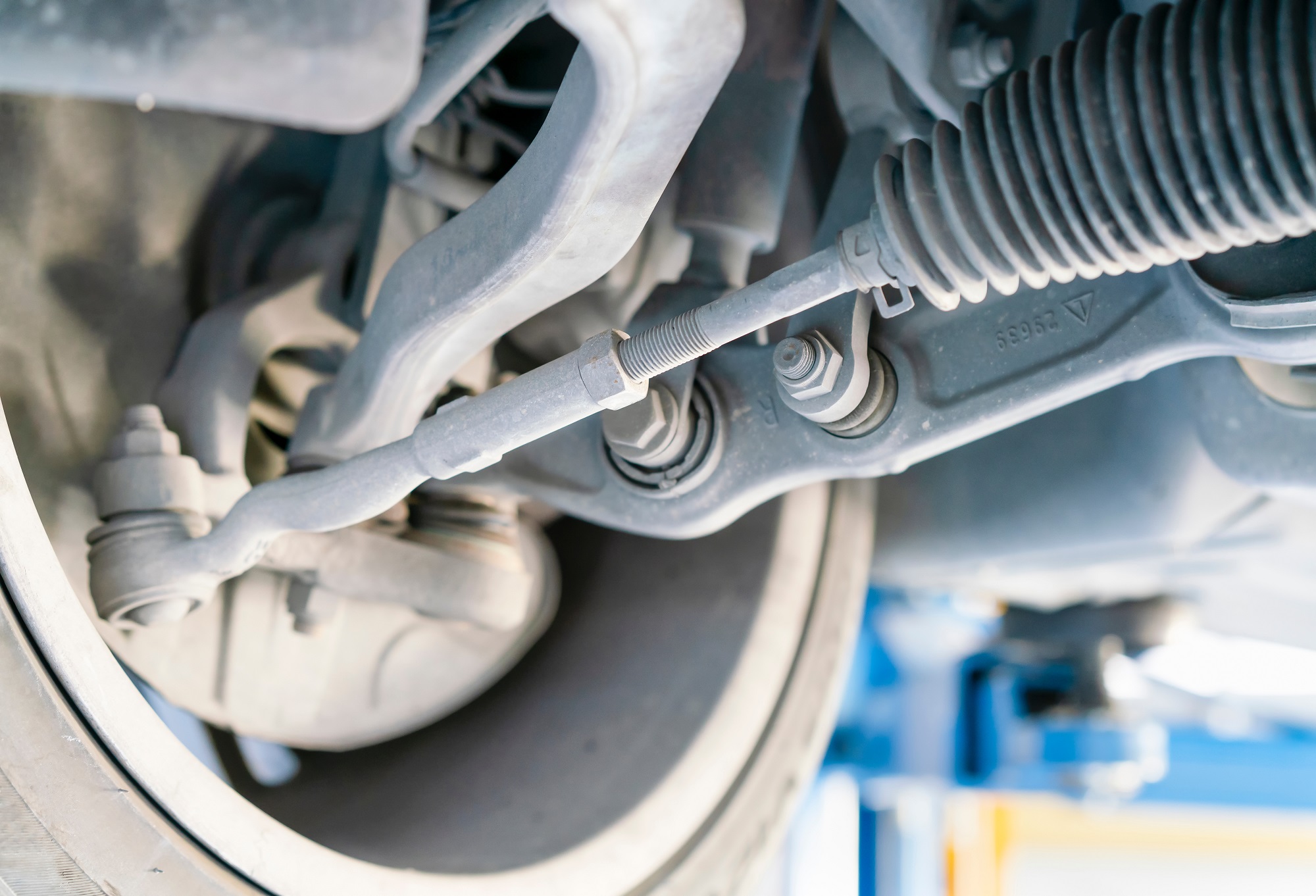
- Check steering linkage and boots
- Torn rack boots or loose tie rod ends can let dirt in and wear components.
- Test steering response
- Drive at low speed and full lock both ways to feel for binding, stiffness, or hesitation.
- Service schedule
- Flush hydraulic fluid per your owner’s manual or every 50,000 miles if unsure. For electric systems, follow manufacturer diagnostics.
These routine tasks form the backbone of solid power steering maintenance. Small checks prevent big repairs.
Signs of power steering problems and basic troubleshooting
Recognize early signs to avoid breakdowns. Act quickly when you see these symptoms.
- Whining or groaning when turning
- Often low fluid or an air leak in hydraulic systems.
- Stiff or jerky steering
- Could be a bad pump, failing electric motor, or worn rack.
- Fluid puddles under the car
- Source could be a hose, seal, pump, or rack leak.
- Foamy or dark fluid
- Air or contamination needs a flush and inspection.
- Steering pulls to one side
- Misalignment, low fluid, or failing rack can cause this.
Troubleshooting basics:
- Top off fluid and re-test if level is low.
- Tighten loose clamps and inspect for visible leaks.
- If noise persists after topping off, schedule a pump and system check.
DIY vs professional service: costs and when to call a shop
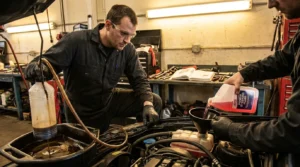
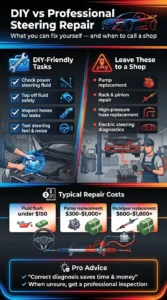
Simple checks and fluid top-ups are DIY-friendly. More complex tasks need pros.
- DIY tasks you can do safely
- Check and top fluid, inspect hoses, and test steering feel.
- Tasks to leave to a shop
- Pump replacement, rack or gearbox repair, hose replacement under pressure, and electric motor or module diagnostics.
- Typical cost examples
- Fluid flush and filter: modest, often under $150.
- Pump replacement: several hundred dollars to over $1,000 depending on vehicle.
- Rack or steering gear: can range from $600 to $1,800 or more.
When in doubt, get a professional inspection. A correct diagnosis saves time and money.
Fluid types, parts, and replacement best practices
Using the right fluid and parts protects your steering system. Wrong fluid can harm seals and reduce life.
- Fluid types
- Use the type specified by the manufacturer. Common types include specific power steering fluid or automatic transmission fluid in some older cars.
- Parts to consider
- Hoses, clamps, pump, reservoir, rack boots, rack or gearbox, tie rods.
- Replacement tips
- Replace hoses with OEM-style parts when possible.
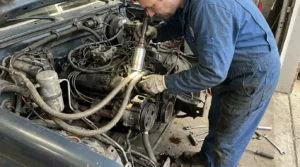
- Flush the system fully when changing fluid.
- Bleed the system to remove air after repairs.
I once replaced a pump with a generic part and the car returned for noise. The lesson: choose quality parts and follow the right fluid spec.
Seasonal and preventive care tips
Simple seasonal checks keep power steering maintenance manageable and effective.
- Cold weather
- Check fluid condition before winter. Cold can thicken dirty fluid and stress the pump.
- Hot weather
- High heat accelerates fluid breakdown. Inspect for swelling hoses.
- Long-term storage
- Move the steering occasionally to keep seals lubricated.
- After an impact
- Inspect steering alignment and components for hidden damage.
A little care each season reduces surprise repairs and keeps steering predictable.

Common questions drivers ask (PAA-style)
How often should I check power steering fluid?
Check fluid every oil change or at least every 6 months. More often if you notice noise or a leak.
Can I mix different power steering fluids?
Avoid mixing. Use the manufacturer-recommended fluid to prevent seal damage and wear.
Will low fluid cause steering failure?
Yes. Low fluid can overheat and damage the pump, leading to loss of assist or complete failure.
Is an electric power steering system maintenance-free?
Not entirely. Electric systems need software updates, sensor checks, and occasional electrical inspections.
How long does a power steering pump last?
A pump can last many years with good power steering maintenance, but leaks, contamination, or belt issues shorten its life.
Frequently Asked Questions of power steering maintenance
What causes the power steering fluid to turn dark?
Fluid darkens from heat and contaminants. Old fluid loses lubricity and should be flushed.
How do I bleed air from the power steering system?
Turn the steering wheel from lock to lock with the engine running after topping fluid. Repeat until no air noise appears.
Can I drive with a leaking power steering system?
Short trips may be possible, but driving with a leak risks pump damage and sudden loss of steering assist. Get it checked quickly.
How often should power steering fluid be flushed?
Follow the owner’s manual; a common interval is every 30,000 to 50,000 miles or when fluid looks dark or foamy.
Are power steering repairs covered under warranty?
If your vehicle is under warranty or a service plan, some repairs may be covered. Check your policy or dealer terms.
Conclusion
Regular power steering maintenance prevents costly repairs and keeps your car safe and easy to drive. Use the checklist, watch for early signs, and choose quality parts and fluids. Start with simple checks now: inspect fluid, hoses, and boots; listen for noises; and book a pro if something feels off. Take action today—follow routine power steering maintenance and protect your steering system for years. Leave a comment with your questions or share hands-on tips, and subscribe for more practical car care guides.