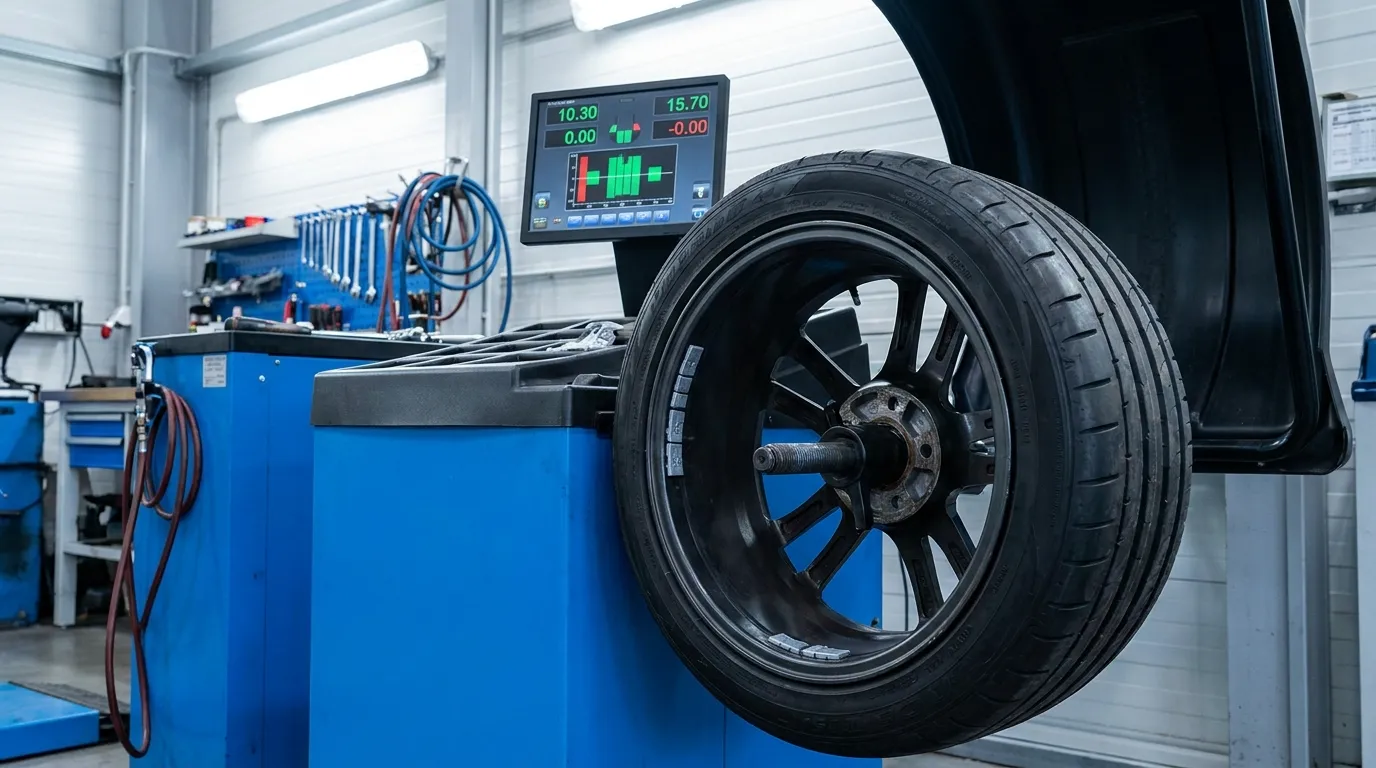
Wheel balancing prevents vibrations, extends tire life, and improves safety and fuel economy.
I’ve spent years working in auto shops and testing tires, so I know how small problems turn into big costs. This guide on wheel balancing importance explains what it is, why it matters, and how to spot and fix imbalances. Read on for clear steps, real-world tips, and practical checks you can use today.
What is wheel balancing?
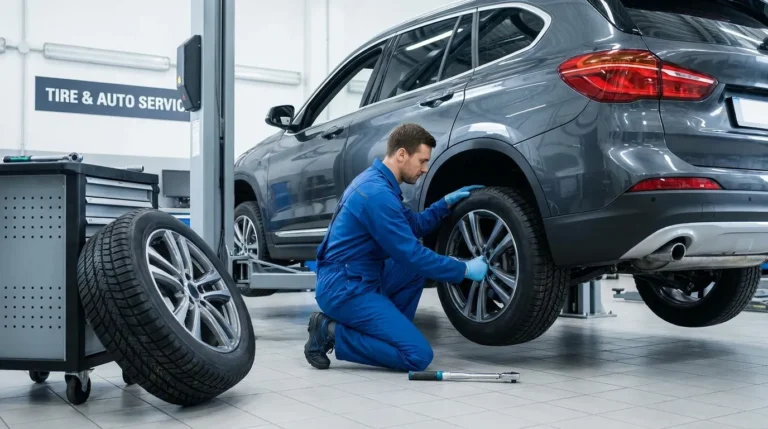
Wheel balancing is the process of equalizing weight around a wheel and tire assembly. A machine spins the wheel to find heavy spots. Technicians add small weights or adjust the tire to cancel those spots. Proper balance reduces vibration and keeps tires wearing evenly. This section shows why wheel balancing importance is a simple fix with big results.

Why wheel balancing importance matters
Balanced wheels improve comfort and safety. They also save money over time.
- Smooth ride: Balanced wheels cut steering wheel shake and cabin vibrations.
- Longer tire life: Even tread wear extends tire life and delays replacements.
- Better fuel economy: Less vibration means lower rolling resistance and slight fuel savings.
- Safer control: Stable tires improve braking and handling at speed.
- Lower wear on parts: Suspension and bearings last longer when wheels are true.
Common signs your wheels need balancing
Quick checks help you catch imbalance early.
- Steering wheel vibrates at certain speeds, usually 40–70 mph.
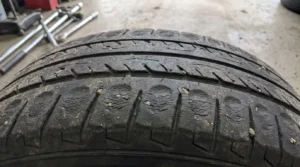
- Localized tread wear, like cupping or scalloping.
- Vibration felt in the floor or seat, not just the wheel.
- Noticeable noise or wobble after hitting a pothole.
If you see these signs, the wheel balancing importance becomes obvious—fixing imbalance often removes the problem in one visit.

How wheel balancing is done
Balancing uses tools and a clear process.
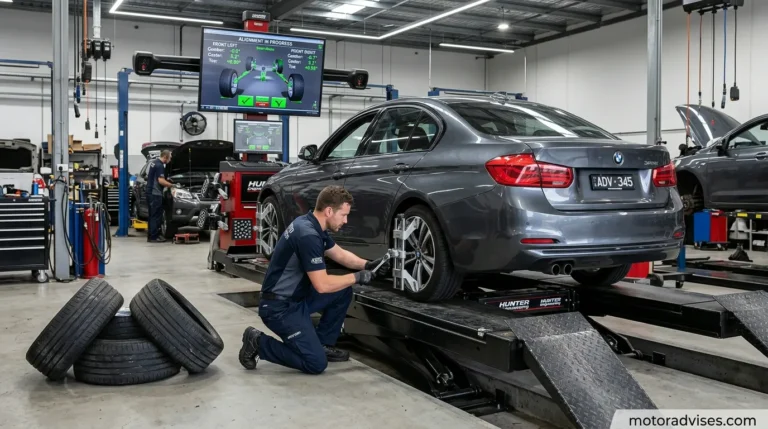
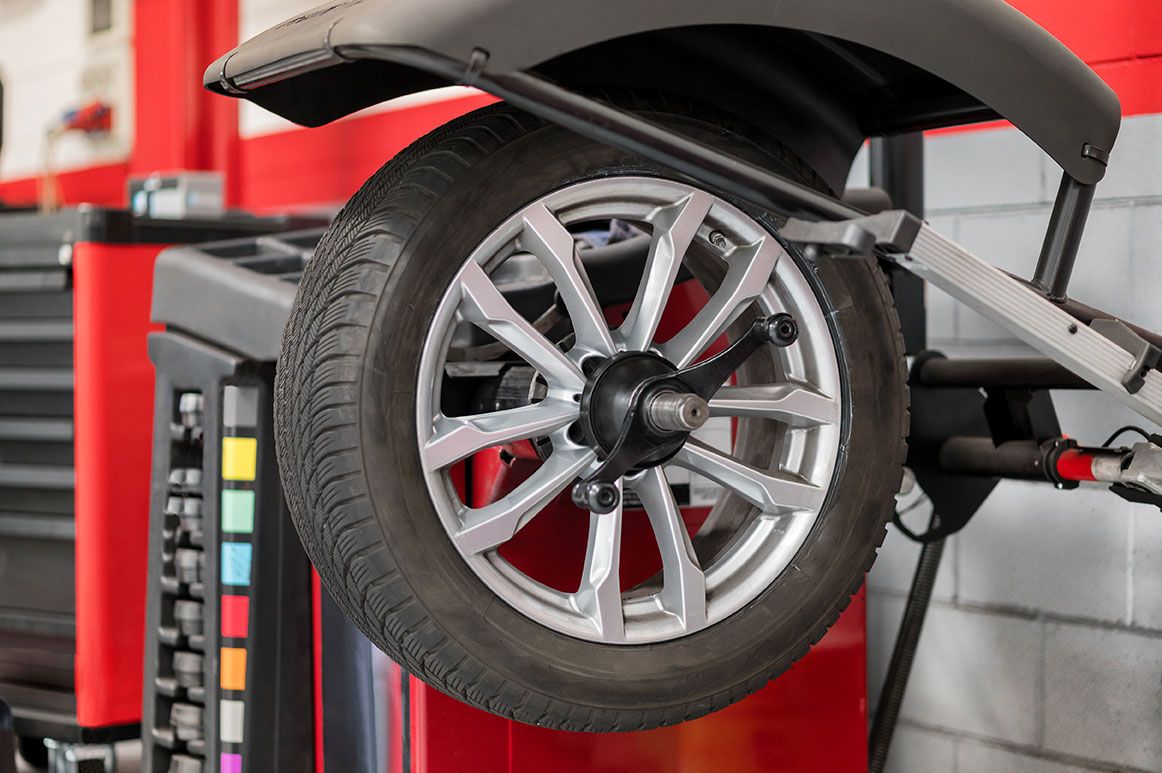
- Mount wheel and tire on a balancing machine.
- Spin the assembly to measure imbalance in static and dynamic planes.
- Machine tells tech where and how much weight to add.
- Add adhesive or clip-on weights and recheck.
- For tough cases, road-force balancers simulate road pressure to find subtle issues.
Modern shops use calibrated machines and trained techs. Proper procedure ensures the wheel balancing importance is not just theory, but measurable improvement.
When to balance your wheels
Timing matters. Follow these common triggers.
- When you install new tires or remount existing tires.
- After a tire repair that required removal.
- If you feel vibration after hitting a curb or pothole.
- As part of regular tire rotations, every 5,000–8,000 miles.
- When buying used tires or wheels.
Routine checks keep the wheel balancing importance active in your maintenance plan.
DIY vs professional balancing
You can do some checks at home, but pros have the gear.
- DIY checks: Drive tests at varied speeds to note vibration. Visual tire and rim inspections.
- Professional work: Precision balancing machines, road-force testing, and proper weight placement.
- When to go pro: Any persistent vibration or when installing tires. Professionals save time and reduce repeat visits.
My experience: I tried DIY balancing once and ended up back at the shop. The machine-tuned approach fixed the issue quickly.

Costs, benefits, and return on investment
Balancing is inexpensive compared to alternatives.
- Typical cost: Small fee per wheel, often bundled with tire purchase or rotation.
- Benefit: Fewer tire replacements, fewer suspension repairs, and a smoother ride.
- ROI: Extended tire life often covers the balancing cost after one or two tire cycles.
Think of wheel balancing importance as preventive maintenance that pays off with less wear and fewer surprises.
Source: toolesgarage.com
Limitations and common myths
Be clear about what balancing does and does not do.
- Balancing does not correct wheel alignment. Alignment fixes steering geometry.
- Balancing can’t always fix bent rims or severe tire damage.
- Balancing won’t cure worn suspension parts that also cause vibration.
- Myth: More weights always solve the problem. Too many weights can create new issues.
Knowing limits helps you pick the right repair and avoid unnecessary work while understanding wheel balancing importance.
Personal experience and practical tips
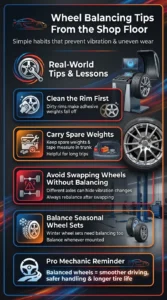
Here are things I learned on the shop floor.
- Lesson learned: Always clean the rim before adding adhesive weights. Dirty rims cause weights to fall off.
- Tip: Keep small spare weights and a tape measure in your trunk if you travel often.
- Mistake to avoid: Swapping heavy wheels between axles without rebalancing. Different axles may hide vibration changes.
- Seasonal note: If you use different wheels for winter, balance both sets when mounted.
These tips come from real jobs and help you keep the focus on wheel balancing importance in everyday care.
Maintenance checklist: quick actions you can take now
A short checklist to keep wheels balanced and healthy.
- Inspect tires monthly for uneven wear.
- Rotate tires every oil change or 5,000–8,000 miles.
- Balance wheels when installing new or repaired tires.
- Check for vibration during highway drives and after impacts.
- Ask for road-force balancing if vibrations persist.
Use this checklist to make wheel balancing importance part of your routine service.
Frequently Asked Questions of wheel balancing importance
What is the difference between wheel balancing and alignment?
Wheel balancing evens weight around the wheel. Alignment adjusts the angles of the wheels. Both improve ride and tire life, but they fix different problems.
How long does wheel balancing last?
Properly balanced wheels typically stay balanced until a tire is removed or damaged. Impacts or age-related changes may require rebalancing.
Can I drive with unbalanced wheels?
You can, but prolonged driving harms tires and suspension. Address imbalance soon to avoid higher repair costs.
How often should I balance new tires?
Balance new tires at installation and recheck after the first 500–1,000 miles. This catches initial seating or mounting issues.
Do tire weights fall off often?
Weights can fall off due to dirty rims or corrosion. Proper cleaning and quality weights minimize this risk.
Conclusion
Wheel balancing importance is easy to underestimate until you feel the vibration or see uneven wear. Regular balancing gives a smoother ride, longer tire life, and lower long-term costs. Start by checking for signs, follow the maintenance checklist, and trust professional equipment when needed. Take action today: inspect your tires, schedule a balance if you feel vibration, and keep wheel balancing importance part of your routine. Share your questions or experiences below, or subscribe for more practical car care tips.