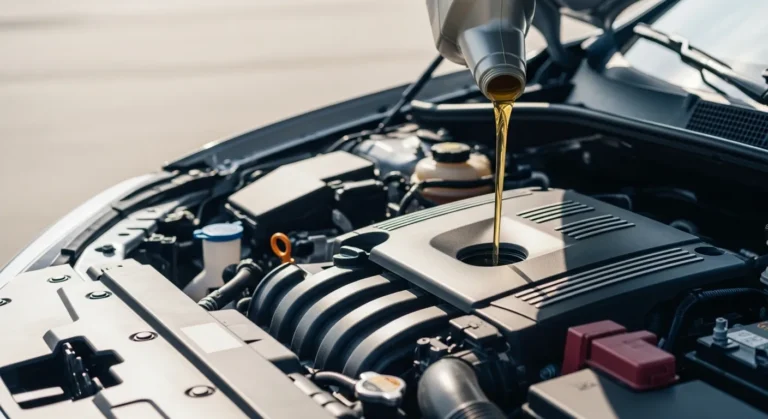
Dark puddles under the car, burning oil smell, and a dropping oil level usually signal a leak.
I’ve spent years diagnosing and fixing engine oil leak symptoms on everything from commuter sedans to older trucks. This guide explains the common signs, why they happen, how to find the leak, what risks you face, simple fixes you can try, and when to see a professional. Read on to learn clear, practical steps to spot and solve engine oil leak symptoms before they turn into costly damage.
Common engine oil leak symptoms
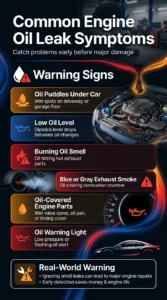
Early detection of engine oil leak symptoms saves time and money. Watch for these clear signs to catch problems quickly.
- Visible oil puddles or wet spots under the parked vehicle. Check driveway stains and garage floors.
- Low oil level on the dipstick between oil changes. A steady drop usually points to a leak.
- Burning oil smell when the engine is hot. Oil dripping onto hot exhaust parts makes a sharp, acrid odor.
- Blue or gray smoke from the exhaust. This can mean oil is entering the combustion chamber.
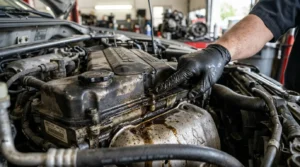
- Oil-covered engine components. Wet valve covers, oil pan edges, and timing cover areas are common leak locations.
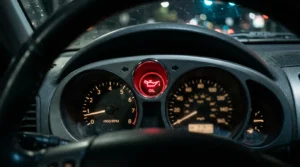
- Dashboard oil warning light or flashing indicator. Don’t ignore low-pressure or oil-warning alerts.
Personal note: I once diagnosed a leaking rear main seal after the owner dismissed a small puddle. The leak grew, caused low oil pressure, and needed an engine-out repair. Catching symptoms early avoids that scenario.
Causes of engine oil leaks
Knowing the root causes helps you target the right fix. Common causes are often wear, bad seals, or maintenance errors.
- Worn gaskets and seals. Valve cover gaskets, oil pan gaskets, and cam seals age and crack.
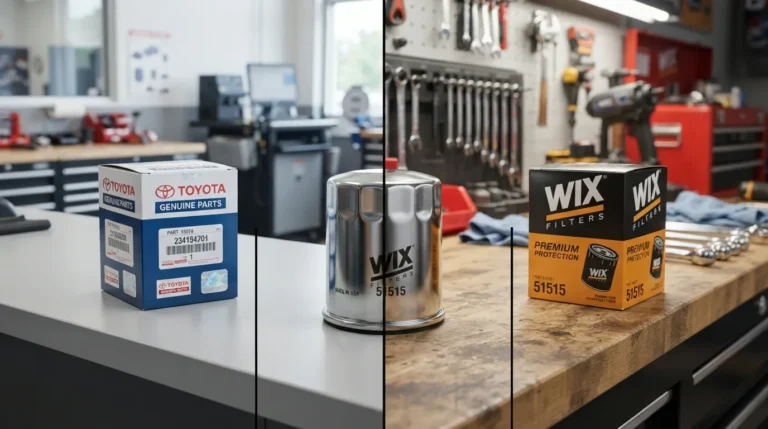
- Loose or damaged drain plug or oil filter. Improperly tightened parts or stripped threads leak easily.
- Corroded or cracked oil pan. Road damage or rust can puncture the pan.
- Failed rear main seal or front crank seal. These are major leak sources and often require intensive repair.
- Overfilled oil or using incorrect oil viscosity. Excess pressure forces oil past seals.
- Improper installation after service. Misaligned gaskets or reused sealant can cause leaks.
From experience, most leaks in older cars come from valve cover gaskets and oil pan gaskets. Newer cars sometimes leak from modern front crank seals or turbocharger oil lines.

Source: vikingbags.com
How to locate and diagnose an engine oil leak
A systematic check helps you find the source without guessing. Follow these steps for a safe and accurate diagnosis.
- Inspect the ground after the car has been parked overnight. Note color and position of puddles.
- Check oil level with the dipstick. Record how much oil is lost over a few days.
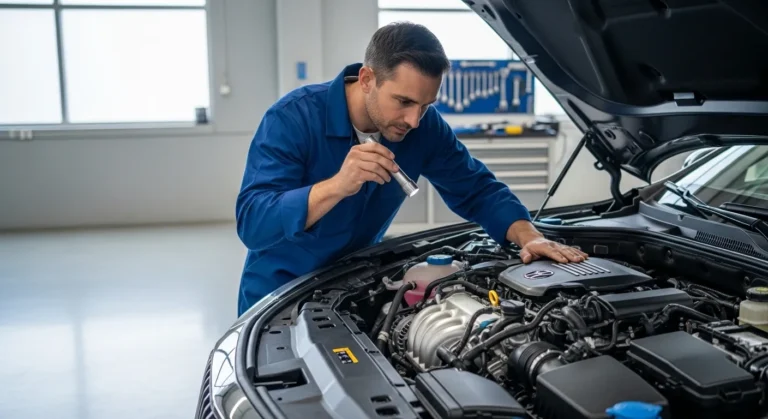
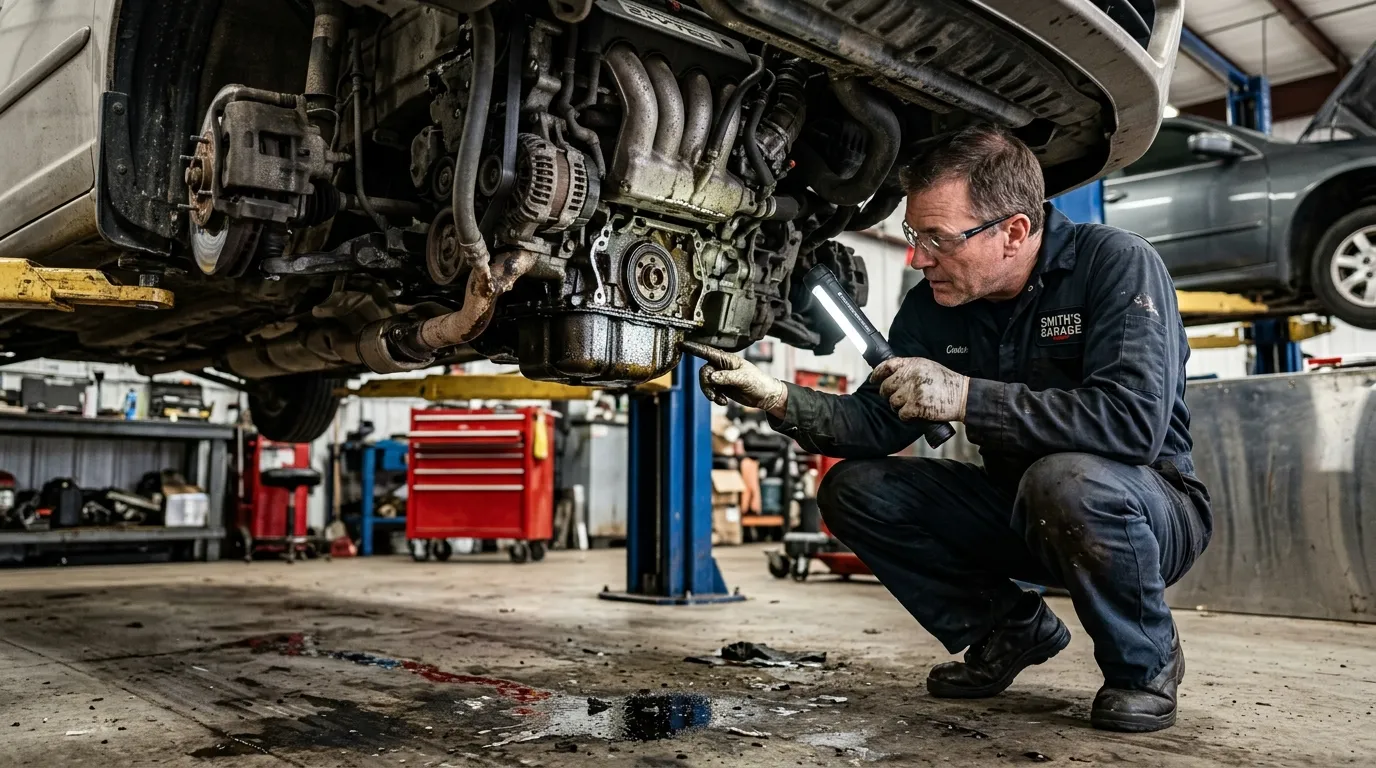
- Visually inspect engine top and bottom with a flashlight. Look for fresh wet oil and shiny streaks.
- Clean suspicious areas and run the engine briefly. Fresh oil paths reappear and point to the source.
- Use UV dye and a lamp if the source is elusive. A small bottle of fluorescent dye through the oil filler helps track leaks.
- Check common culprits: oil filter, drain plug, valve cover, oil pan, and main seals in order.
People also ask: How quickly will a leak show on the dipstick?
- Small leaks may take days to weeks to show a noticeable change; medium leaks drop a quart in a few hundred miles; severe leaks are obvious within a day. Monitor level frequently after spotting a small drip.
People also ask: Can engine oil leaks cause engine damage?
- Yes. Low oil can cause bearing wear, overheating, and catastrophic engine failure. Address leaks before oil pressure drops.
People also ask: Is a burning oil smell always a leak?
- Usually. It means oil is contacting hot components. It can be caused by spilled oil after service, a leak, or overfilled crankcase.
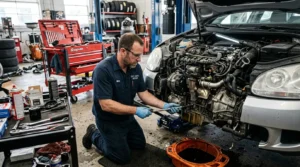
Risks and long-term damage from engine oil leaks
Ignoring engine oil leak symptoms can escalate quickly. Understand the risks to prioritize repairs.
- Low oil level causes poor lubrication. Bearings, camshafts, and pistons wear prematurely.
- Overheating and engine seizure. Lack of oil increases friction and heat.
- Fire risk. Oil on exhaust manifolds can ignite under certain conditions.
- Environmental impact and fines. Dripping oil pollutes water and soil, and may violate local codes.
- Costly repairs. Small seal fixes are cheap; replacing an engine or fixing a rear main seal is expensive.
Real-world lesson: A friend ran his car with minor oil leaks for months. He saved a little short-term but later paid four times more for a rebuilt engine. Stopping leaks early prevents that outcome.
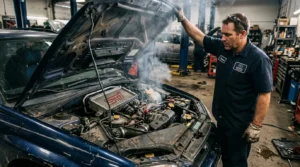
DIY fixes and temporary repairs for oil leaks
Small leaks can sometimes be managed at home. Use safe, proven steps and avoid risky shortcuts.
- Tighten the oil filter and drain plug to proper torque. Do not overtighten.
- Replace worn valve cover gaskets or oil pan gaskets with new parts and proper sealant.
- Use a high-quality gasket sealer or RTV when appropriate. Follow part instructions closely.
- Try a reputable oil stop-leak additive as a temporary measure for minor seal seepage. Results vary by vehicle and leak size.
- Clean the area before repair to ensure gaskets seat properly and to confirm the source.
Caution: Temporary fixes are not a cure for major leaks like a failed rear main seal. For complex repairs, plan a professional service.
Professional repairs and cost expectations
Some leaks need a mechanic. Know what repairs typically cost and what to expect at the shop.
- Oil filter or drain plug replacement: Low cost and fast, typically under a couple of hours.
- Valve cover gasket: Moderate cost; labor depends on engine layout. Expect 1–3 hours.
- Oil pan gasket: Moderate to high cost if exhaust or crossmember removal is required.
- Rear main seal or crank seal: High cost. May require partial or full engine removal.
- Turbocharger oil line or oil cooler leaks: Moderate to high, depending on access.
Cost varies by car make and model. Always get a written estimate and ask about warranty on parts and labor. Ask the shop to show you the leak source after repair.
Prevention and maintenance tips
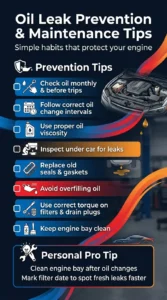
Consistent care reduces the chance of leaks and extends engine life. These simple habits help.
- Check oil level monthly and before long trips.
- Follow recommended oil change intervals and use the correct oil viscosity.
- Inspect under the car regularly for new stains or wet spots.
- Replace aging rubber seals and gaskets during major services.
- Avoid overfilling oil and use proper torque on filters and drain plugs.
- Keep engine clean; a clean engine makes leaks easier to spot early.
Personal tip: I always clean the engine bay after an oil change and mark the filter date with a grease pencil. It helps me spot fresh leaks faster at my next check.
Frequently Asked Questions of engine oil leak symptoms
What does an engine oil leak smell like?
A burning, acrid odor typically signals oil hitting hot exhaust parts. It’s sharper than fuel smell and should be checked promptly.
How much oil loss is dangerous?
Losing a quart between checks is concerning. Any sudden drop or consistent loss requires inspection to avoid engine damage.
Can I drive with a small oil leak?
Short distances are usually okay, but monitor oil level closely. Long drives risk low oil pressure and serious damage.
Will an oil leak fix itself?
Small seepage from old seals can sometimes slow with additives, but most leaks do not self-repair. Proper parts replacement is the reliable fix.
How do mechanics find oil leaks?
Mechanics inspect visually, clean areas, and use UV dye or pressure tests to trace oil paths. They check common seals first to save time.
Is oil on the driveway always from my car?
Not always; other vehicles or oil-based fluids (gear oil, transmission fluid) can cause stains. Confirm by checking under your car and the oil color.
Conclusion
Spotting engine oil leak symptoms early protects your engine, wallet, and the environment. Check for puddles, odors, and low oil levels regularly, and use simple diagnostic steps to find the source. If the leak is more than a small, clear-cut repair, consult a professional mechanic promptly to avoid expensive damage. Take action now: inspect your vehicle, track oil levels, and schedule repairs when needed—your engine will thank you. Leave a comment with your experience or subscribe for more practical car-care tips.