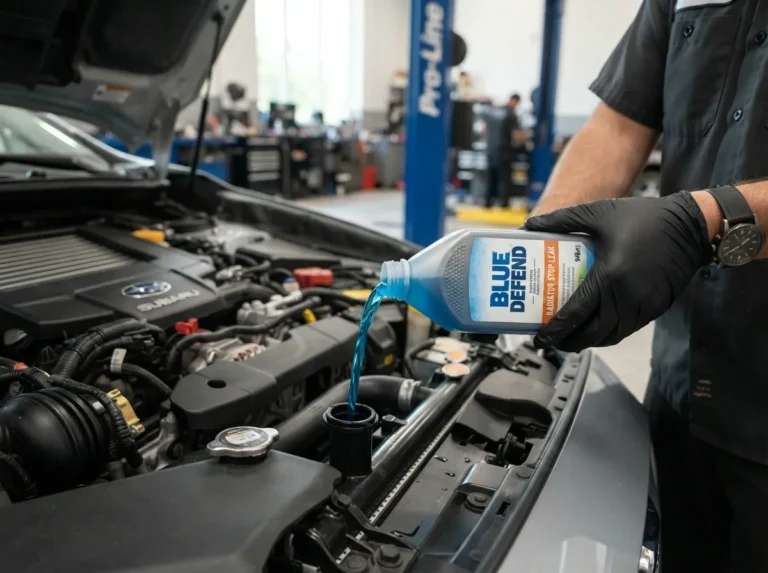
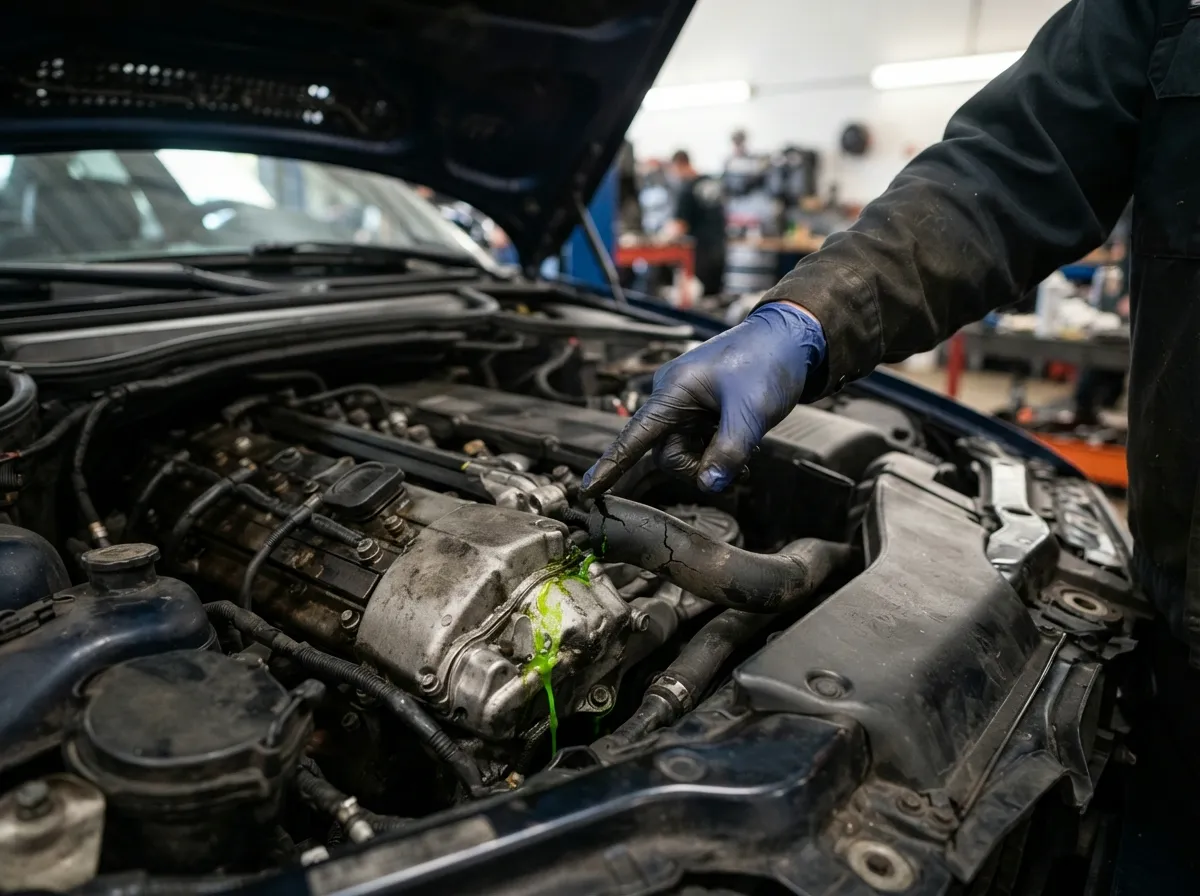
Engine coolant leaks often come from hoses, the radiator, water pump, or a blown head gasket.
I’ve worked on dozens of cars and taught DIY repair clinics, so I know how confusing engine coolant leak causes can feel. This article breaks down the common engine coolant leak causes, how to spot them, how to diagnose them, repair options, and simple maintenance to prevent future leaks. Read on for clear, practical advice you can use today Engine damage.
Causes of engine coolant leaks
Engine coolant leak causes fall into a few clear categories. Parts wear out. Connections fail. Seals and gaskets break down over time.
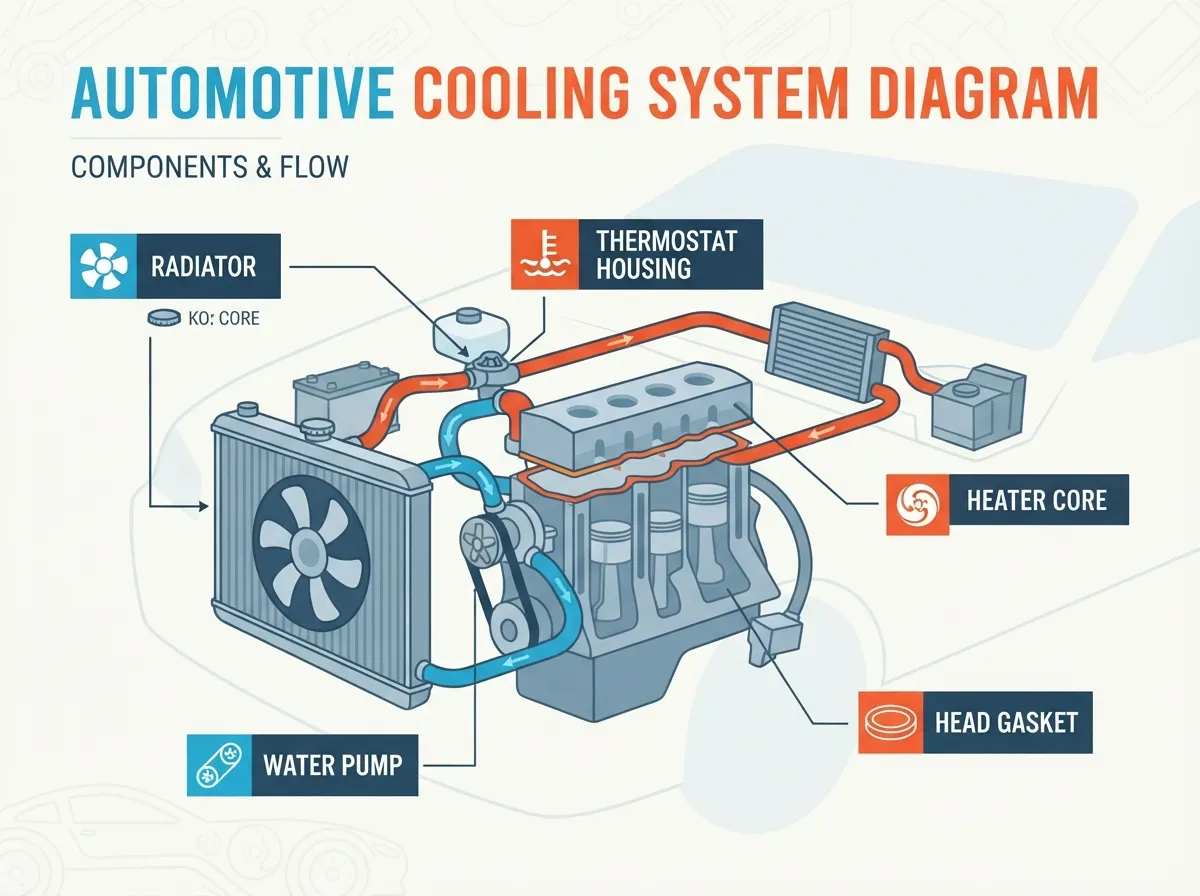
Common engine coolant leak causes include:
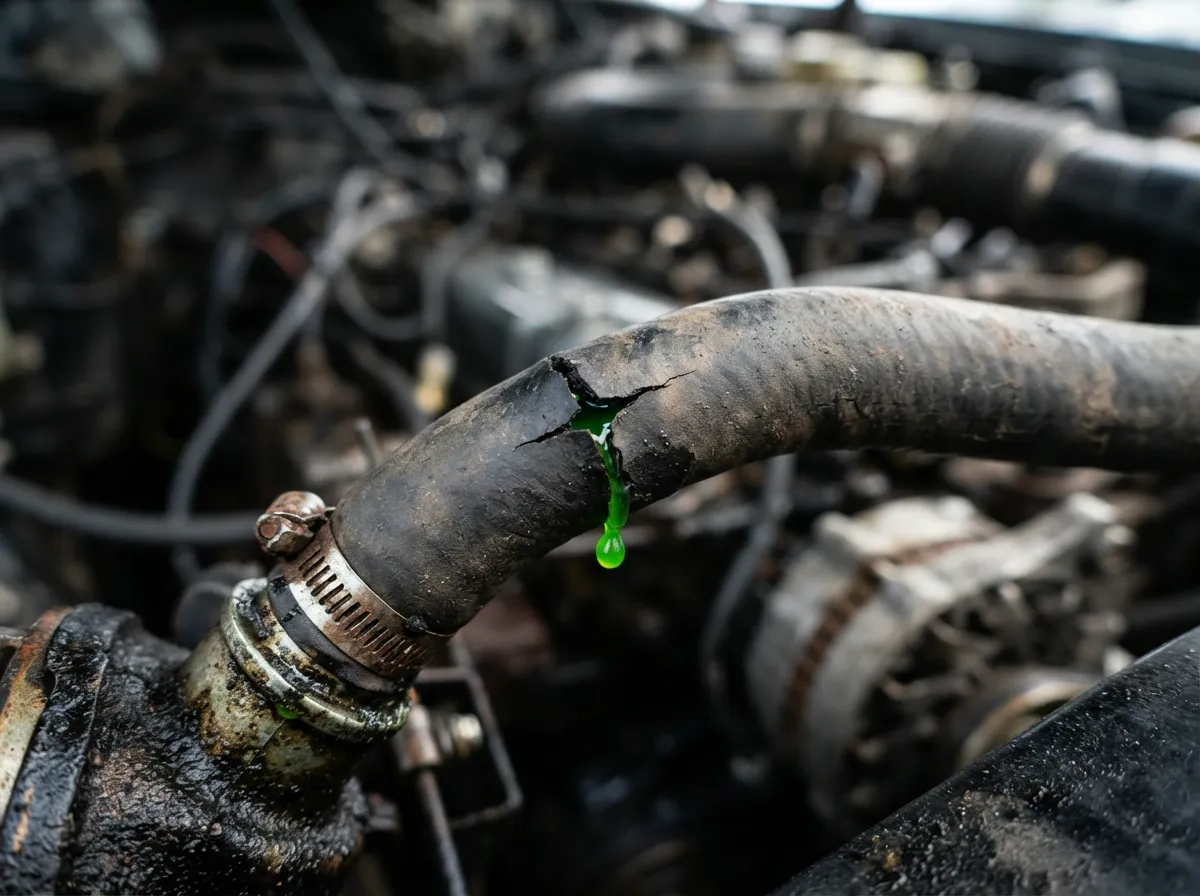
- Old or cracked hoses that split under pressure.
- A damaged radiator with corroded or cracked fins or tanks.
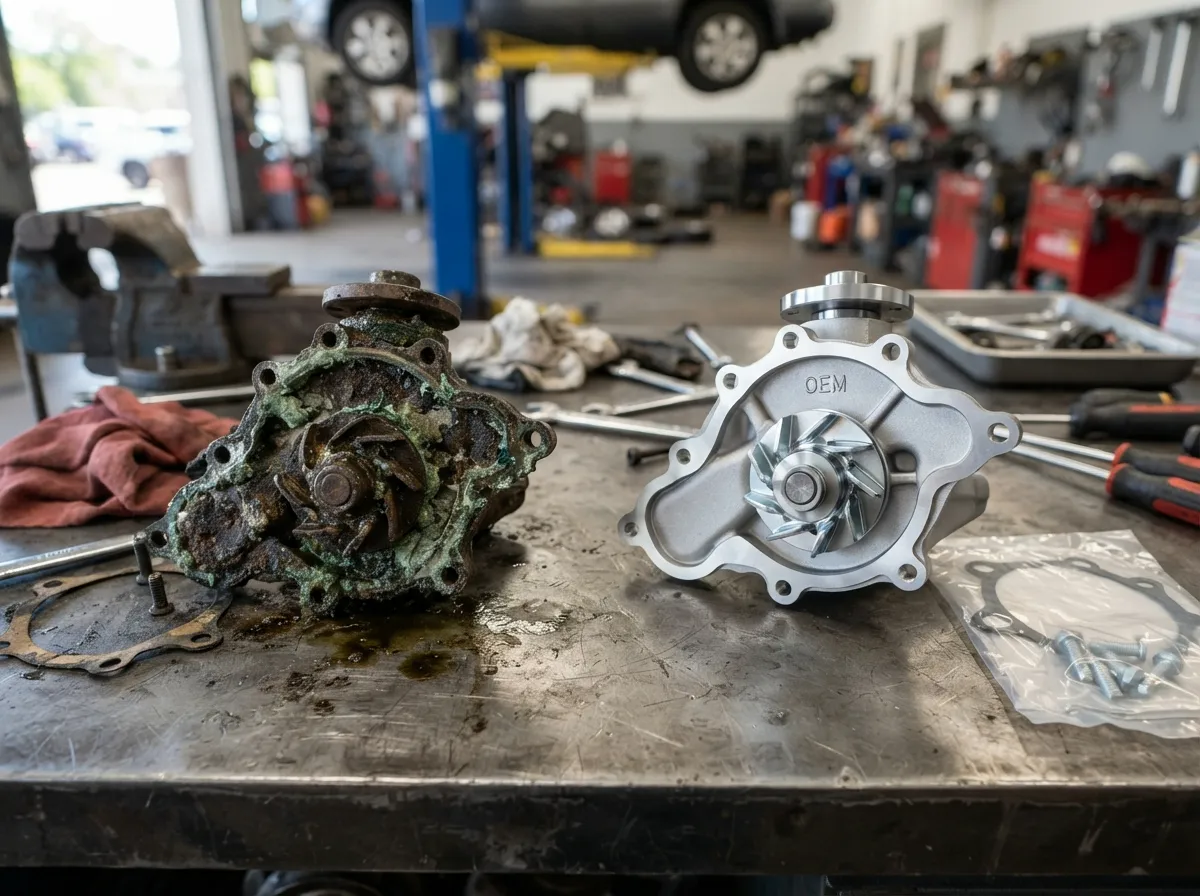
- A failing water pump with a bad seal or worn bearing.
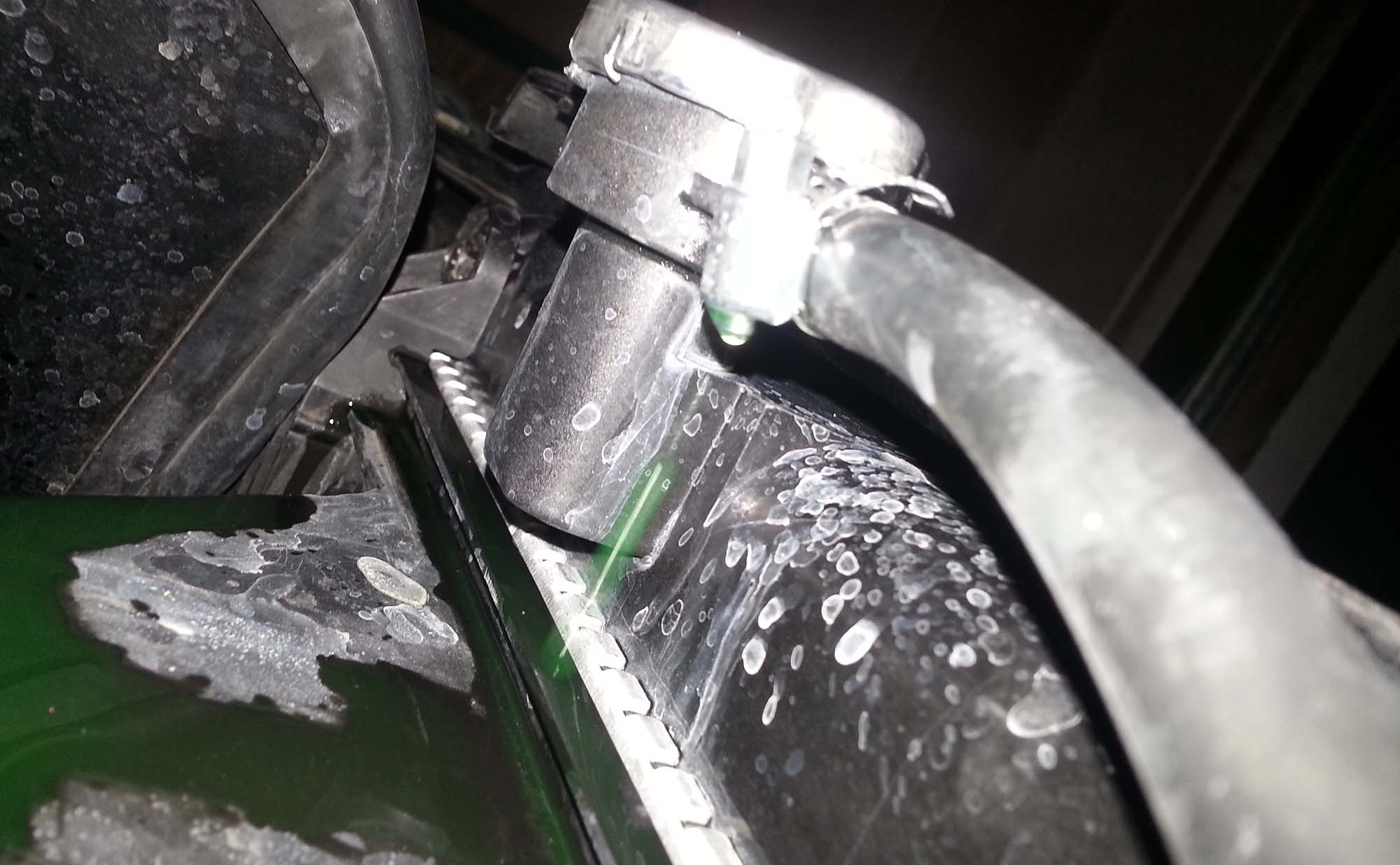
- Loose or damaged hose clamps and fittings.
- A leaking thermostat housing or O-ring that fails.
- A blown head gasket allowing coolant into combustion or oil passages.
- A cracked engine block or cylinder head from overheating or impact.
- A leaking heater core inside the cabin causing damp carpets.
I’ve seen cheap hose clamps fail more often than you’d think. Small things can make the system leak and lead to bigger problems fast. Keeping parts clean and replacing rubber hoses on schedule reduces many engine coolant leak causes Manufacturer schedule.
Common signs and symptoms
Recognizing leaks early prevents engine damage. Watch for these signs.
Key symptoms of engine coolant leak causes:
- Puddles under the car that are green, orange, pink, or clear and sweet-smelling.
- Engine overheating or temperature gauge rising quickly.
- Low coolant level in the reservoir with no visible puddle.
- White exhaust smoke or bubbling in the radiator, a sign of combustion gases mixing with coolant.
- Sweet smell inside the cabin or wet carpet from a leaking heater core.
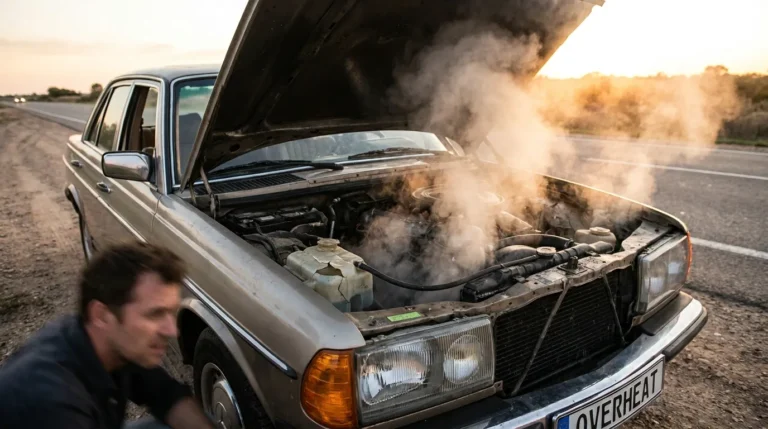
- Steam from the engine bay while driving or after stopping.
When I first started wrenching, I ignored small drips until a cheap hose split on a highway. The car overheated and warped the head gasket. Spotting early signs could have saved time and money.
Common leak locations and components
Knowing where leaks start helps diagnosis and repair.
Frequent leak locations for engine coolant leak causes:
- Radiator: front-mounted, vulnerable to road debris and corrosion.
- Radiator hoses: upper and lower hoses age and crack where they bend.
- Heater core: tucked inside the dash and hard to reach.
- Water pump: the weep hole or shaft seal shows slow leaks.
- Thermostat housing: plastic housings can crack, and O-rings fail.
- Intake manifold gasket: on some engines, coolant runs through the intake and leaks here.
- Head gasket and engine block: serious leaks that mix coolant and oil or allow combustion gases into the cooling system.
- Coolant reservoir and cap: cracks or a bad cap cause slow pressure loss.
I once replaced a water pump on a truck only to find the radiator cap also failed. Always check nearby parts when you find a leak Best Radiator Stop Leak.
How to diagnose engine coolant leak causes
A step-by-step approach makes diagnosis fast and reliable.
Diagnostic steps:
- Visual check: look under the car and in the engine bay for wet spots and stains.
- Smell test: coolant smells sweet. Oil mixed with coolant smells different and indicates serious issues.
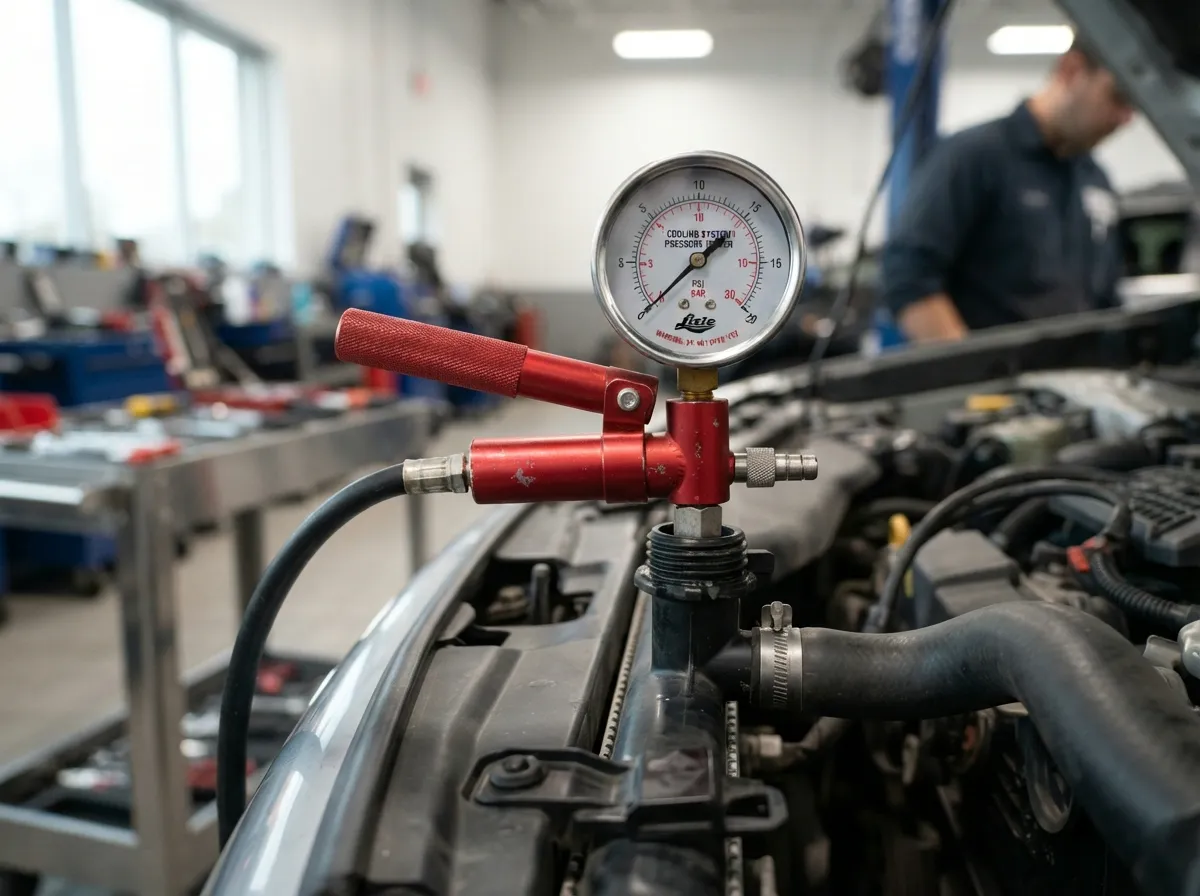
- Pressure test: pressurize the cooling system to find slow or hidden leaks.
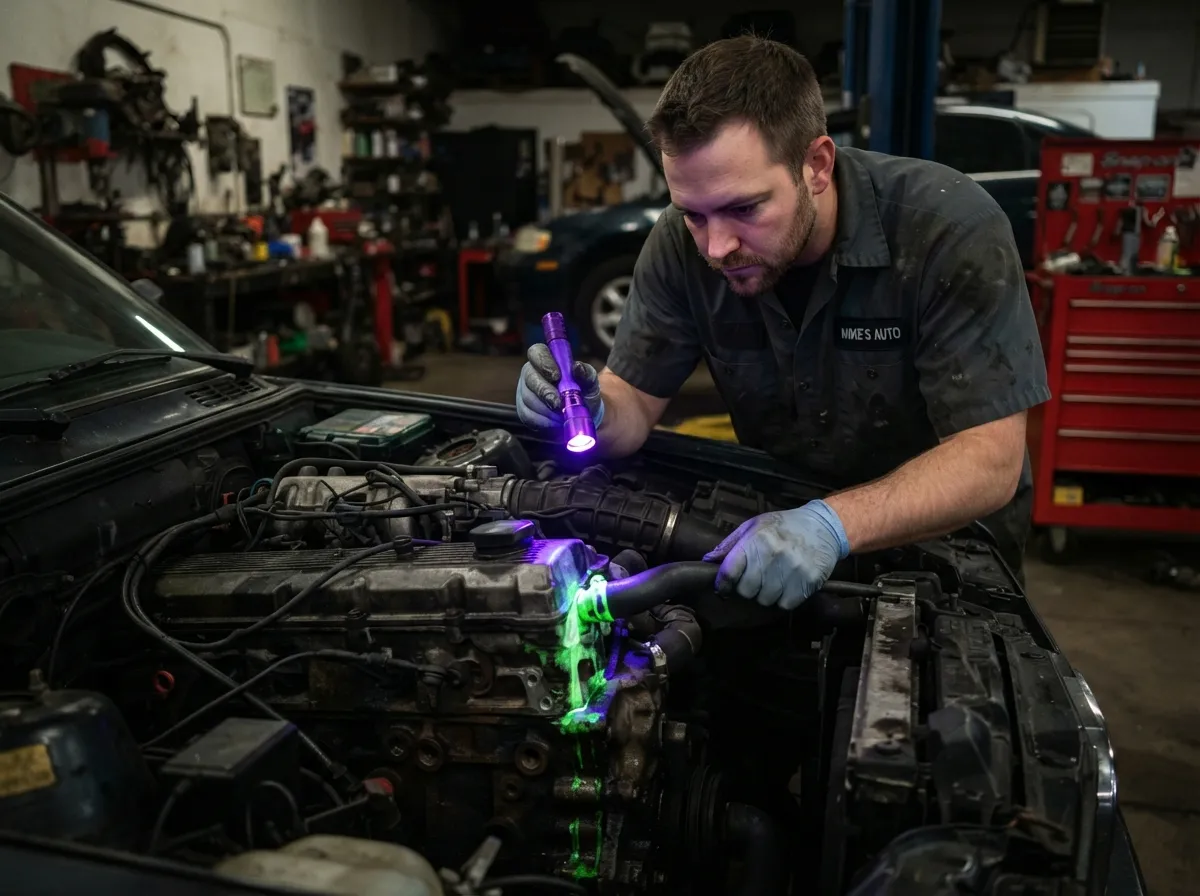
- Dye test: add a UV dye to the coolant to spot leaks with a UV lamp.
- Check for combustion gases: use a block tester to see if exhaust gases enter the cooling system, indicating head gasket failure.
- Inspect heater core: check for wet carpet or a steamed windshield as clues.
- Monitor coolant level: track how fast coolant drops and whether oil looks milky.
I carry a small UV dye kit in my toolbox. It finds leaks faster than searching for drips on the garage floor. Pressure testing at the radiator neck is a must for hidden leaks.
Repair options and cost estimates
Repairs vary by location and severity. Costs depend on parts, labor, and vehicle access.
Typical fixes and rough cost ranges:
- Replace hose or clamp: low cost, usually under $50 for parts and small labor.
- Radiator repair or replacement: moderate to high cost, from $150 for patching to $600+ for a new radiator.
- Water pump replacement: common, typically $200–$500 including labor.
- Thermostat or housing replacement: $80–$250 depending on parts and labor.
- Heater core replacement: high labor, often $300–$1,000 due to dash removal.
- Head gasket repair or engine work: major, often $1,000–$3,000+ depending on engine complexity.
- Coolant reservoir or cap: inexpensive and quick, often under $75.
Avoid quick-fix sealants unless used as a short-term emergency fix. I used stop-leak once to get home; it worked briefly but clogged a heater core later. Plan real repairs when you can What Is Engine Coolan.

Preventive maintenance to avoid leaks
Prevention saves money and frustration. Regular checks catch issues early.
Maintenance tips:
- Replace coolant and flush system per manufacturer schedule.
- Inspect hoses and clamps every oil change for soft spots or cracks.
- Replace radiator cap if it won’t hold pressure.
- Keep cooling fins clean and clear of debris.
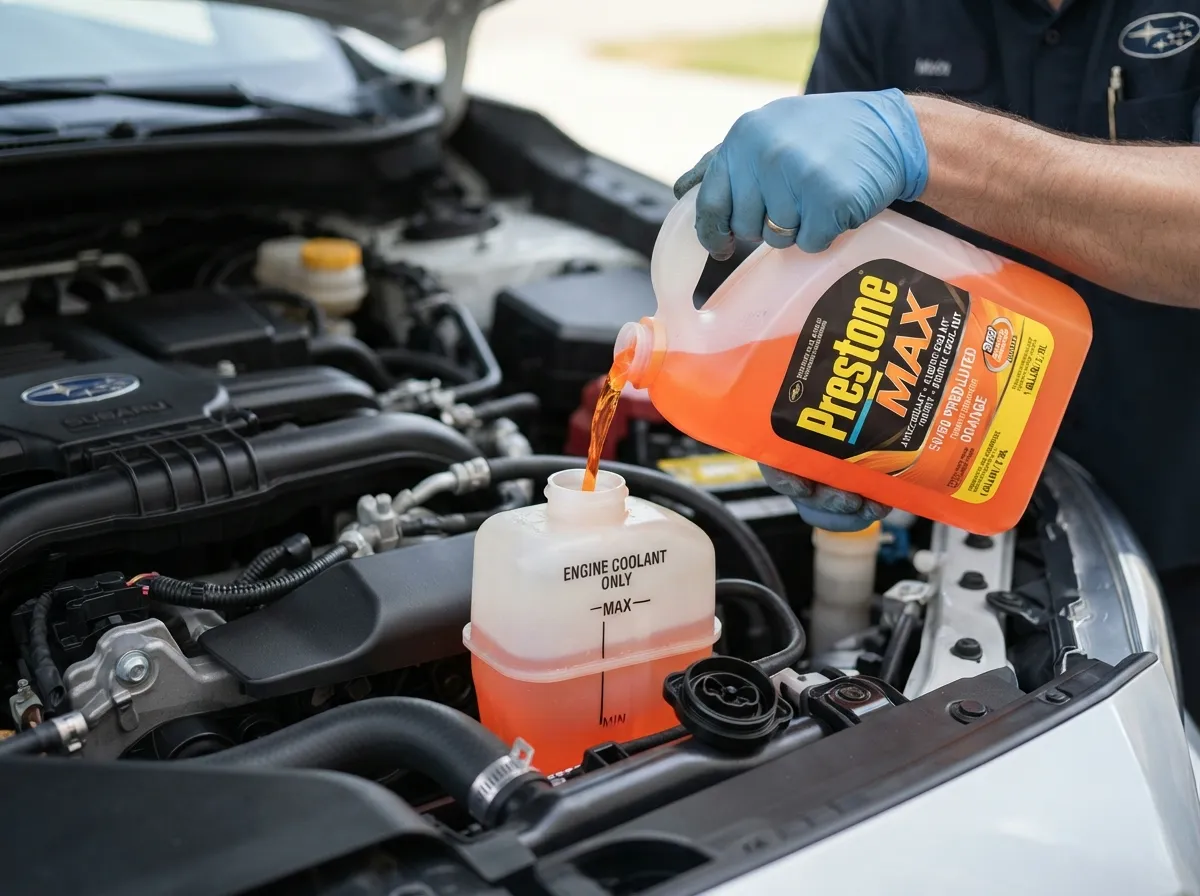
- Use the correct coolant type for your car to avoid chemical damage.
- Replace plastic thermostat housings before they crack on older cars.
- Pressure-test the system periodically, especially after heating issues.
Think of your cooling system like your home plumbing. Small leaks show stress. Fix them early to avoid major failures.
When to seek professional help
Some engine coolant leak causes need a pro. Know when to call a shop.
When to see a professional:
- Signs of head gasket failure such as milky oil, white smoke, or persistent overheating.
- Major leaks that leave large puddles quickly.
- Heater core leaks causing interior damage or electrical issues.
- If you lack tools for pressure testing or engine diagnostics.
- Complex repairs requiring removal of the intake or dash.
I recommend a trusted mechanic for head gasket jobs. The work is precise and needs the right tools and experience.
PAA-style quick questions
What causes a sudden coolant leak?
- Sudden coolant leaks often come from a burst hose, a failed clamp, or a cracked radiator due to impact or corrosion.
Can a leaking water pump be repaired without replacement?
- Most water pump leaks come from a failed seal or bearing and require pump replacement rather than repair.
Is it safe to drive with a small coolant leak?
- Short trips may be possible, but driving with any coolant leak risks overheating and engine damage. Top off coolant and limit driving until repaired.
Frequently Asked Questions of engine coolant leak causes
What are the first signs of a coolant leak?
The first signs include a sweet smell, puddles under the car, and a falling coolant level. You may also see the temperature gauge climb.
How quickly should I repair a coolant leak?
Repair small leaks as soon as possible. Even slow leaks can cause overheating and bigger repairs if ignored.
Can a coolant leak cause engine damage?
Yes. A coolant leak can cause overheating, warped heads, or a blown head gasket which lead to expensive engine work.
How does a head gasket leak show up?
A head gasket leak shows as white smoke, milky oil, overheating, and bubbles in the coolant. These signs mean urgent repair is needed.
Are stop-leak products a good long-term fix?
Stop-leak products are temporary. They can work short-term but may clog heater cores or harm cooling passages long-term.
Conclusion
Understanding engine coolant leak causes saves time and money. Watch for signs, diagnose with a methodical approach, and fix issues promptly to avoid major engine damage. Start with simple checks like hoses and caps, and get professional help for head gasket or internal leaks. Take action now: inspect your car, schedule maintenance, and leave a comment if you need help diagnosing a leak.