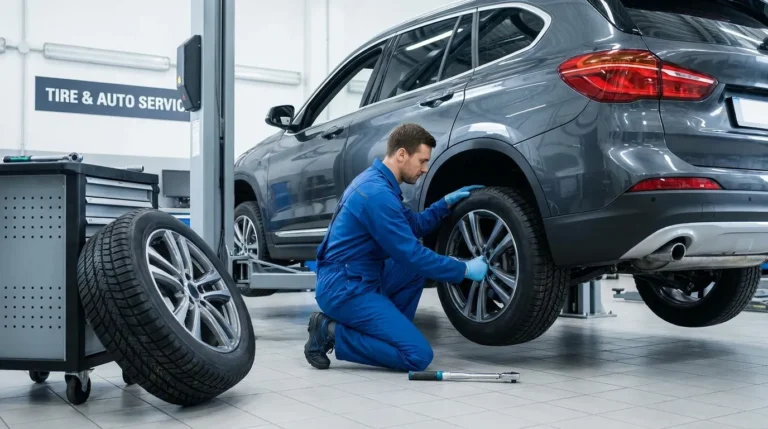
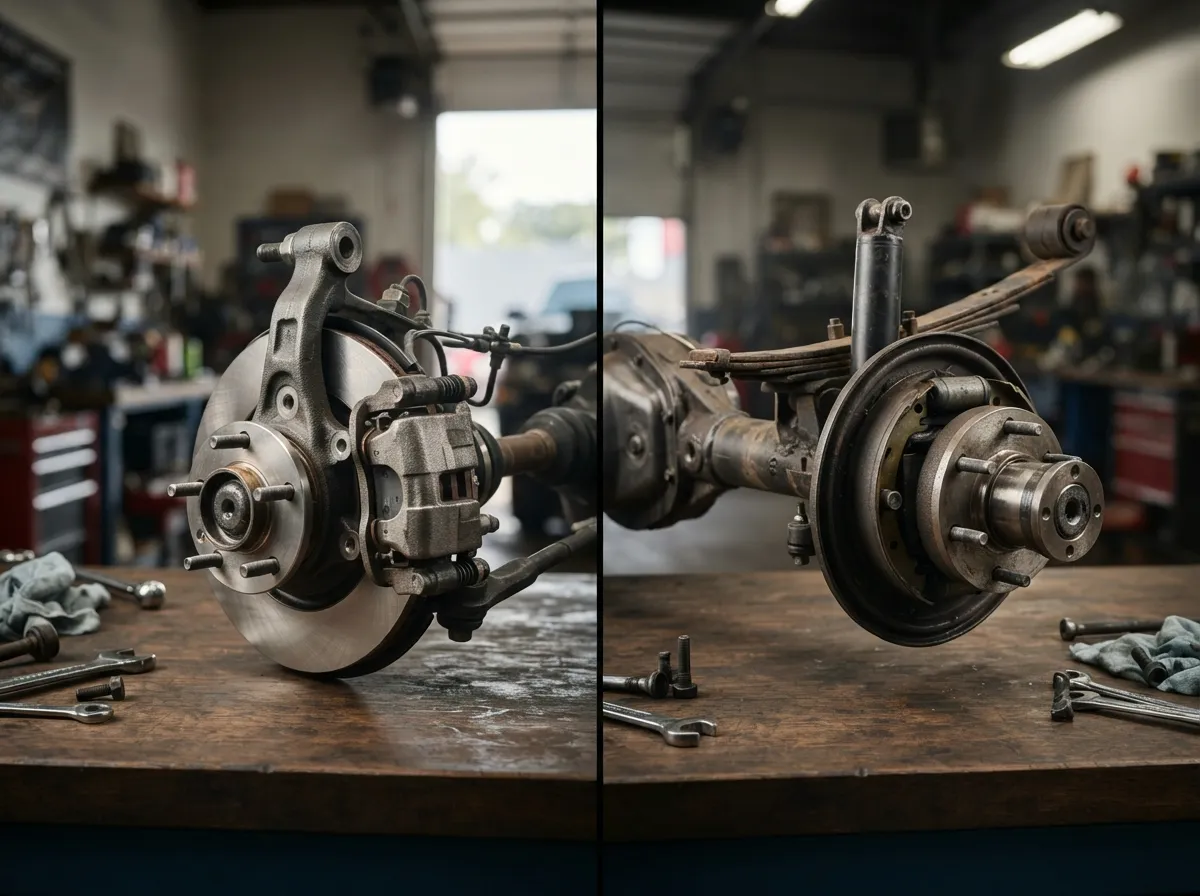
Front and rear wheel bearings differ mainly in load, design, and common failure symptoms on most cars.
I have spent years diagnosing wheel noise and replacing bearings on a range of vehicles. This article explains front vs rear wheel bearing clearly, with step-by-step differences, real-world tips, and practical advice you can use today. Read on to learn how to spot problems, decide on repairs, and avoid common mistakes when dealing with front vs rear wheel bearing issues.
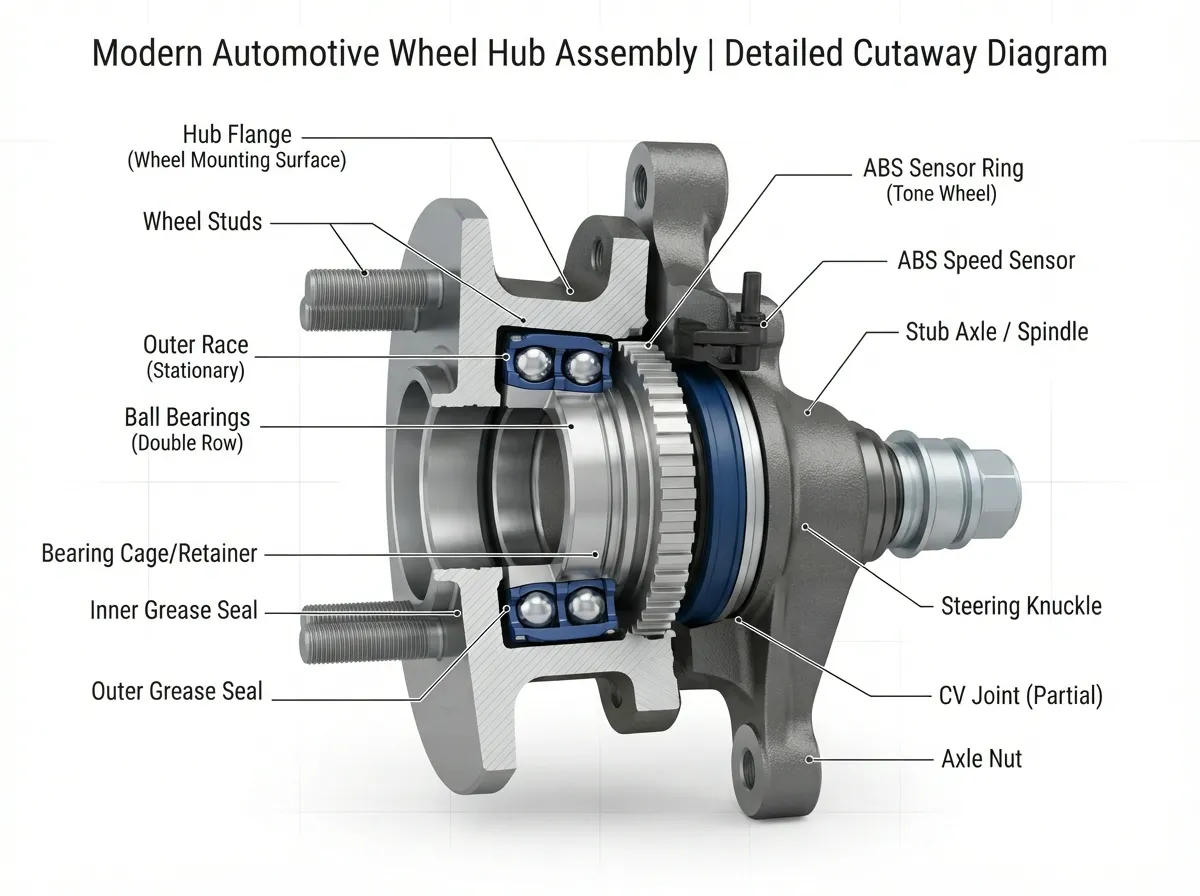
Anatomy and function of wheel bearings
Wheel bearings let the wheel turn with very low friction. They support the wheel load and keep the rotor or drum centered. Front and rear wheel bearing setups can look similar but often serve different roles. Knowing basic parts helps you diagnose problems fast.
Key differences: front vs rear wheel bearing
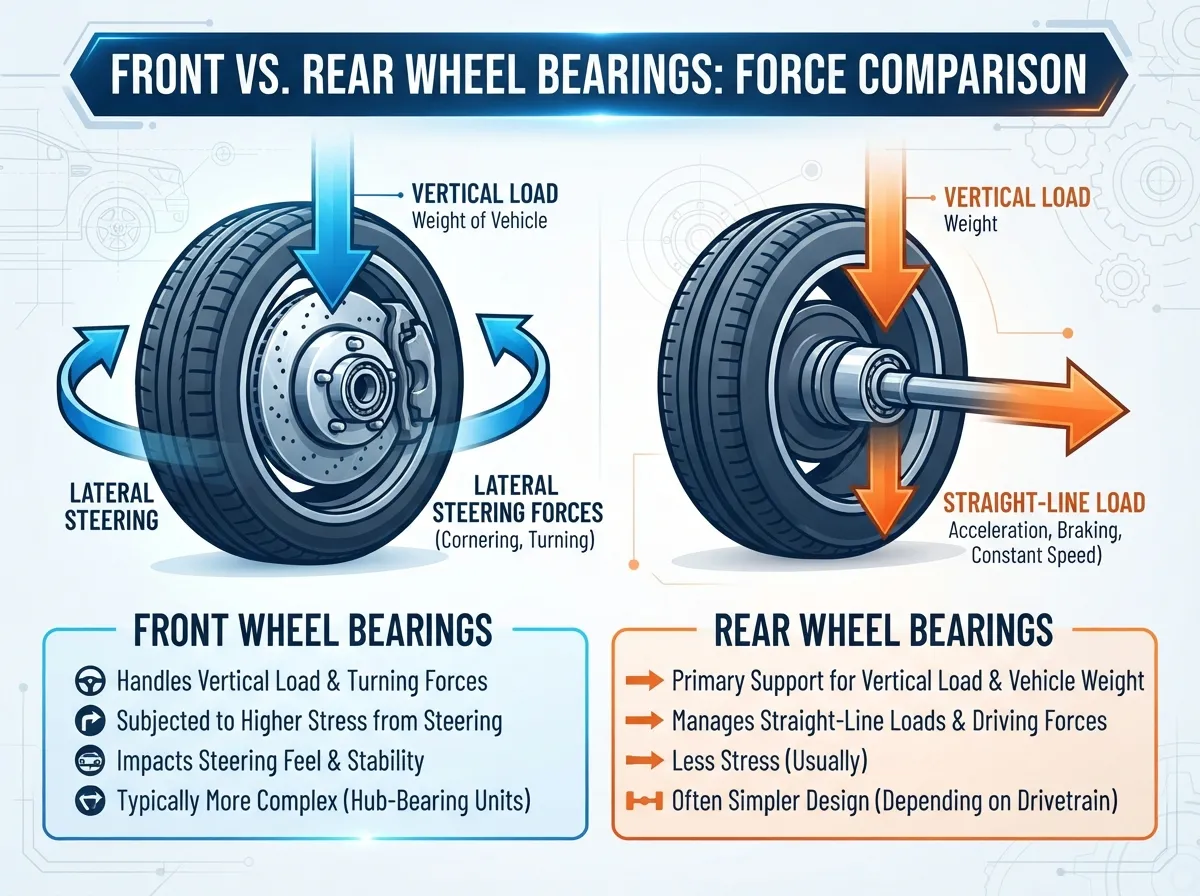
Here are the common contrasts you will see when comparing front vs rear wheel bearing:
- Load direction and steering
- Front wheel bearings take steering loads and lateral forces from turning.
- Rear wheel bearings mostly carry straight-line and vertical loads.
- Design and construction
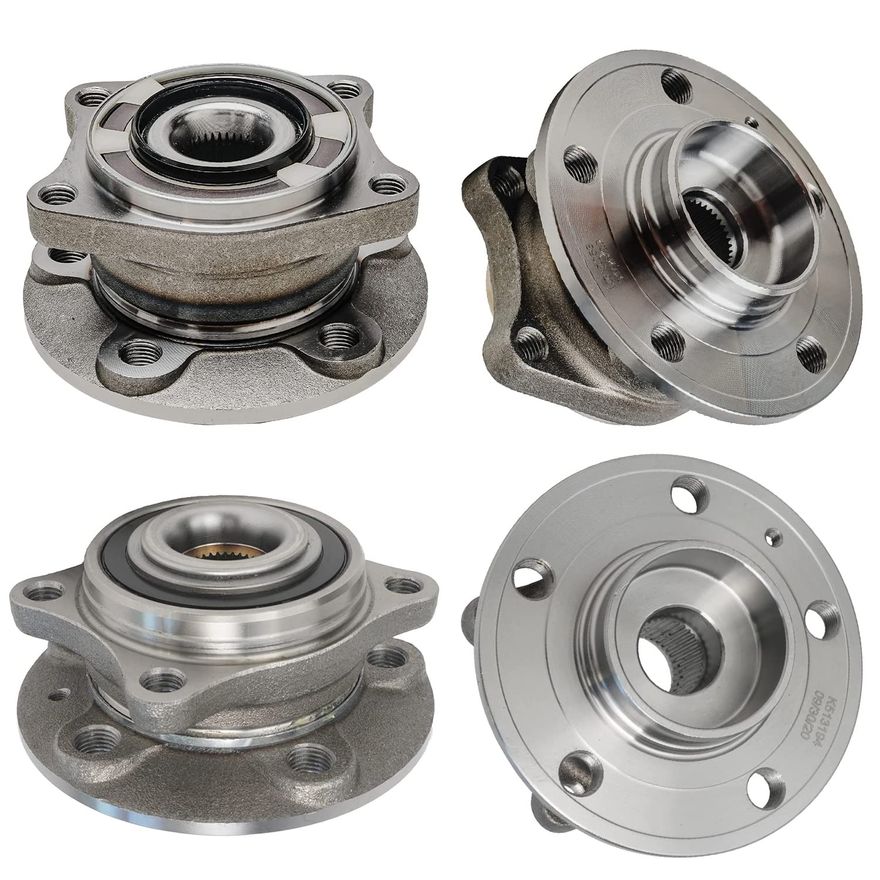
- Front units often integrate with hub assemblies and ABS sensors.
- Rear bearings may be simpler or sealed hub units depending on the vehicle.
- Wear patterns and failure modes
- Front bearings often show noise when cornering or at low speed.
- Rear bearings may hum steadily and worsen with vehicle speed.
- Replacement complexity
- Front replacements can require removal of drive axles or steering knuckles.
- Rear replacements can be easier on solid-axle cars, but complex on independent rear suspensions.
- Cost and service intervals
- Front hub assemblies often cost more due to integrated parts.
- Rear bearings may be cheaper, but labor varies greatly.
These differences explain why your mechanic treats front vs rear wheel bearing problems differently. Use this as a quick map when deciding on repairs.
Symptoms and diagnosis
Symptoms can overlap, but subtle clues point to front or rear issues.
- Noise type and location
- Grinding or growling that changes with turning usually means a front bearing.
- A steady hum that changes with speed but not direction often means rear.
- Vibration and steering feel
- Loose or sloppy steering and play at the wheel hub point to front bearings.
- Rear bearing wear can cause vibration felt through the seat or floor.
- ABS and warning lights
- A faulty front hub with an ABS tone ring or sensor may trigger warnings.
- Some rear failures also affect ABS if sensors share the hub.
- Visual inspection tips
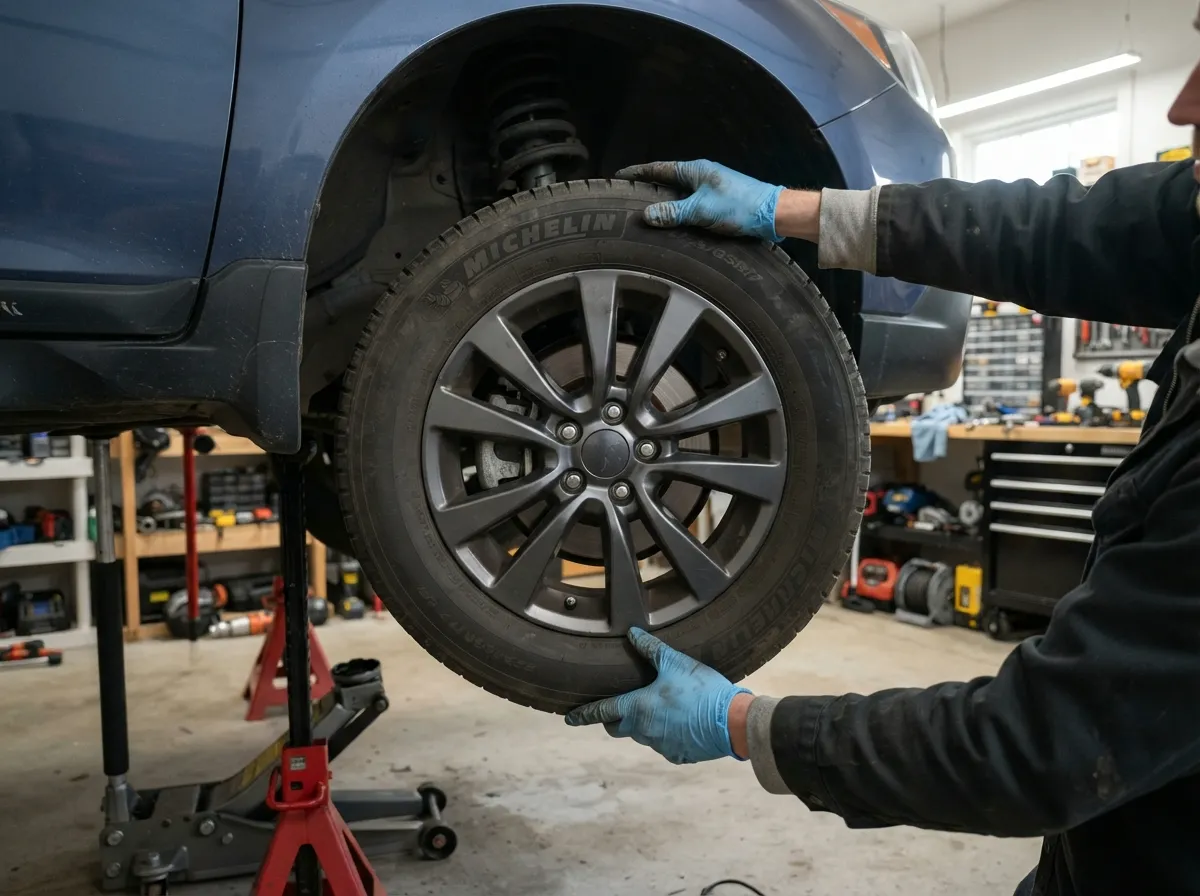
- Jack the wheel and spin it by hand. Listen and feel for roughness.
- Check for play by rocking the wheel at 3 and 9 o’clock, then 12 and 6 o’clock.
PAA-style questions
How do I tell if the front or rear wheel bearing is bad?
Listen for noise that changes when turning; front bearing noise changes with steering, rear usually does not.
Can a wheel bearing cause ABS light?
Yes. Many modern wheel hubs have magnetic rings or sensors that will trigger ABS faults when the hub fails.
Is it safe to drive with a bad wheel bearing?
Short trips at low speed are possible, but driving long distances is risky because the bearing can seize or fail suddenly.
Replacement, repair, and cost considerations
Deciding how to fix front vs rear wheel bearing issues depends on vehicle type and symptom severity.
- Types of repairs
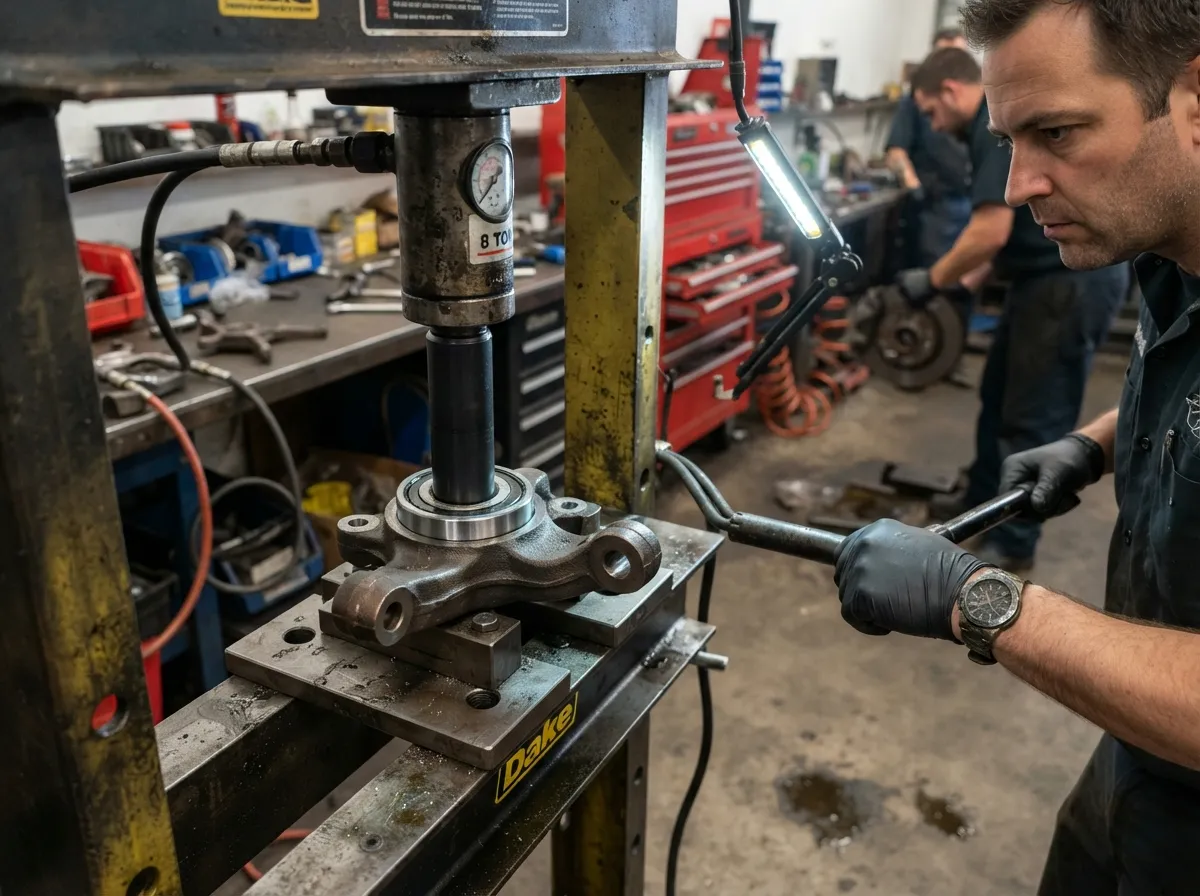
- Replace only the bearing (press-in style) on older cars.
- Replace the whole hub assembly on many modern cars for speed and reliability.
- Labor and tools
- Press tools or hydraulic presses are common for bearing jobs.
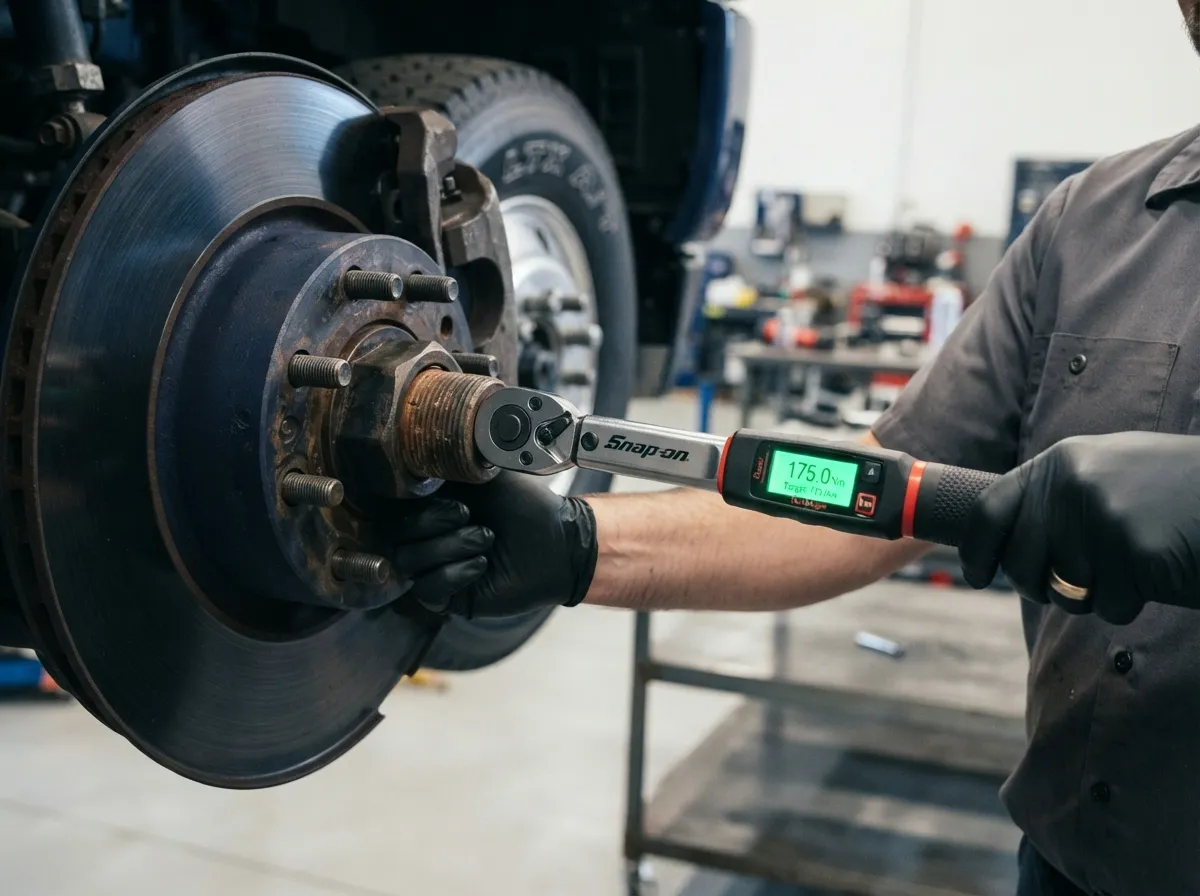
- Front jobs may need axle nut torque and realignment afterward.
- Typical cost range
- Parts can range from $30 for a simple bearing to $300+ for an OEM hub assembly.
- Labor varies from one hour for a simple rear job to several hours for a front hub replacement.
- DIY vs professional
- DIY is doable if you have the right press, torque specs, and safety habits.
- I recommend pros for front hub jobs on AWD or vehicles with integrated ABS electronics.
Be transparent about unknowns. Exact costs depend on make, model, and whether you replace the bearing only or the full hub assembly.

Maintenance tips and best practices
Small steps help extend bearing life and prevent surprise failures.
- Regular inspection routine
- Check for play and noise during tire rotations.
- Inspect seals and boots for damage or leaking grease.
- Proper installation tips
- Always use correct torque values for axle nuts and hub bolts.
- Replace cotter pins and locking hardware when present.
- Lubrication and environment
- Sealed bearings are maintenance-free until failure.
- For serviceable bearings, use the correct grease and keep contaminants out.
- Driving habits that help
- Avoid potholes and rough curbs when possible.
- Slow down over rough roads to reduce shock to bearings.
Personal tip from my shop: when I replaced hubs on a fleet of older vans, uniform torque and clean mating surfaces cut repeat failures by half. Small care at install saves time later.
Personal experience and common mistakes
I once replaced a noisy front bearing on a friend’s car. I skipped cleaning the knuckle surface. The new hub went noisy in a few months. Lesson learned: always clean mating surfaces and follow torque specs. Another common error is ignoring a faint whirl. Small noise can become a roadside failure fast.
Mistakes to avoid:
- Reusing old hardware instead of new locking nuts.
- Assuming rear noise is only tires — bearings are often the real cause.
- Over-torquing or under-torquing axle nuts.
If you want longevity from a front vs rear wheel bearing repair, treat installation with the same care you give brakes.
Frequently Asked Questions of front vs rear wheel bearing
What is the main difference between front and rear wheel bearings?
Front bearings handle steering and lateral loads and often integrate with hubs and ABS sensors, while rear bearings mainly carry vertical loads and may be simpler.
How long do wheel bearings last?
Wheel bearings typically last 85,000 to 150,000 miles, but life varies by driving conditions and maintenance.
Can I drive with a bad wheel bearing for a short time?
You can drive short distances cautiously, but continued driving risks total failure and unsafe conditions.
Are front wheel bearings more expensive to replace than rear?
Often yes, because front hubs can be integrated with sensors and have higher labor complexity.
How do mechanics test for a bad wheel bearing?
Mechanics check for play, spin the wheel to listen for roughness, and road test to hear noise changes when turning.
Conclusion
Front vs rear wheel bearing problems are common but manageable when you know what to look for. Front bearings deal more with steering and often show cornering noise, while rear bearings usually hum with speed. Inspect regularly, follow proper installation steps, and replace parts before severe damage. Take action: check your wheels during the next oil change, ask your mechanic about hub assembly condition, or subscribe for more practical vehicle maintenance tips. Leave a comment with your experience or questions below.