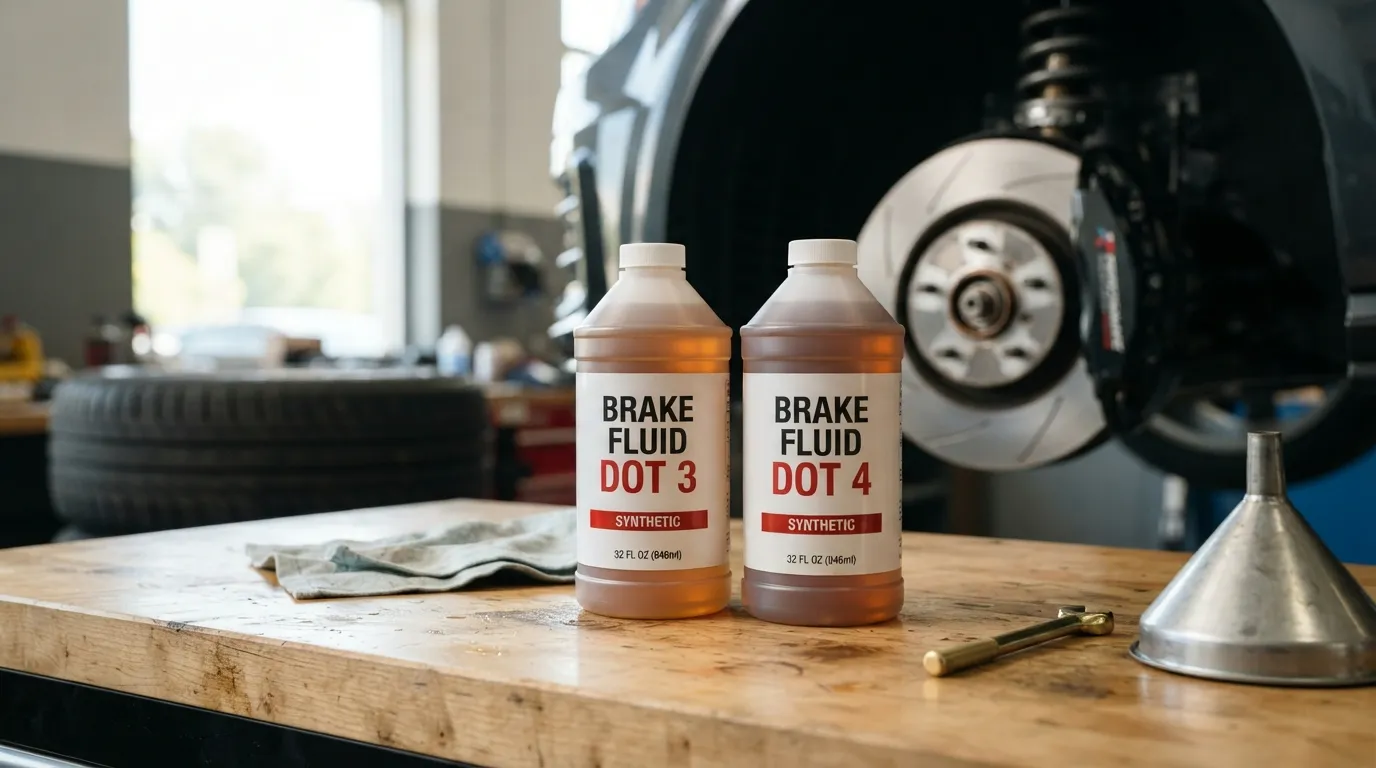
DOT 4 handles higher heat; DOT 3 is cheaper and widely compatible.
If you are weighing dot3 vs dot4 brake fluid, you are in the right place. I work on brakes every week, from daily commuters to track toys. In this guide, I break down dot3 vs dot4 brake fluid with simple terms, clear data, and real-world tips you can use today.
How brake fluid works and what DOT ratings mean
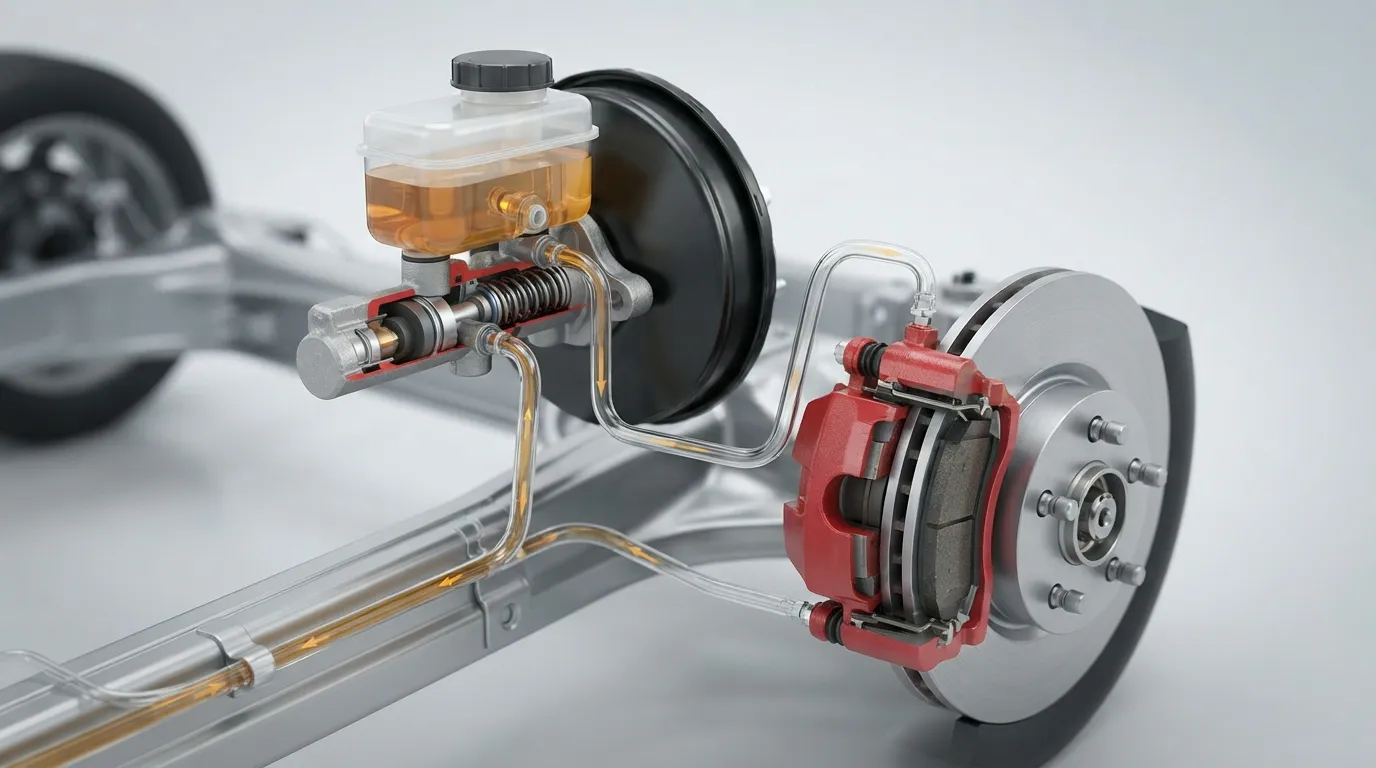
Brake fluid sends force from your foot to the pads and rotors. It must not boil, must resist water, and must not swell seals. That is why standards exist. In the US, the baseline is FMVSS No. 116. It sets boiling points, viscosity, and corrosion control.
DOT 3 and DOT 4 are glycol-ether fluids. They are hygroscopic. That means they pull water from the air. Over time, water lowers the boiling point and can rust parts. DOT 4 often uses borate esters. This gives a higher boiling point and better stability under heat.
Here are the boiling points set by the standard:
- DOT 3 dry boiling point is at least 401°F or 205°C.
- DOT 3 wet boiling point is at least 284°F or 140°C.
- DOT 4 dry boiling point is at least 446°F or 230°C.
- DOT 4 wet boiling point is at least 311°F or 155°C.
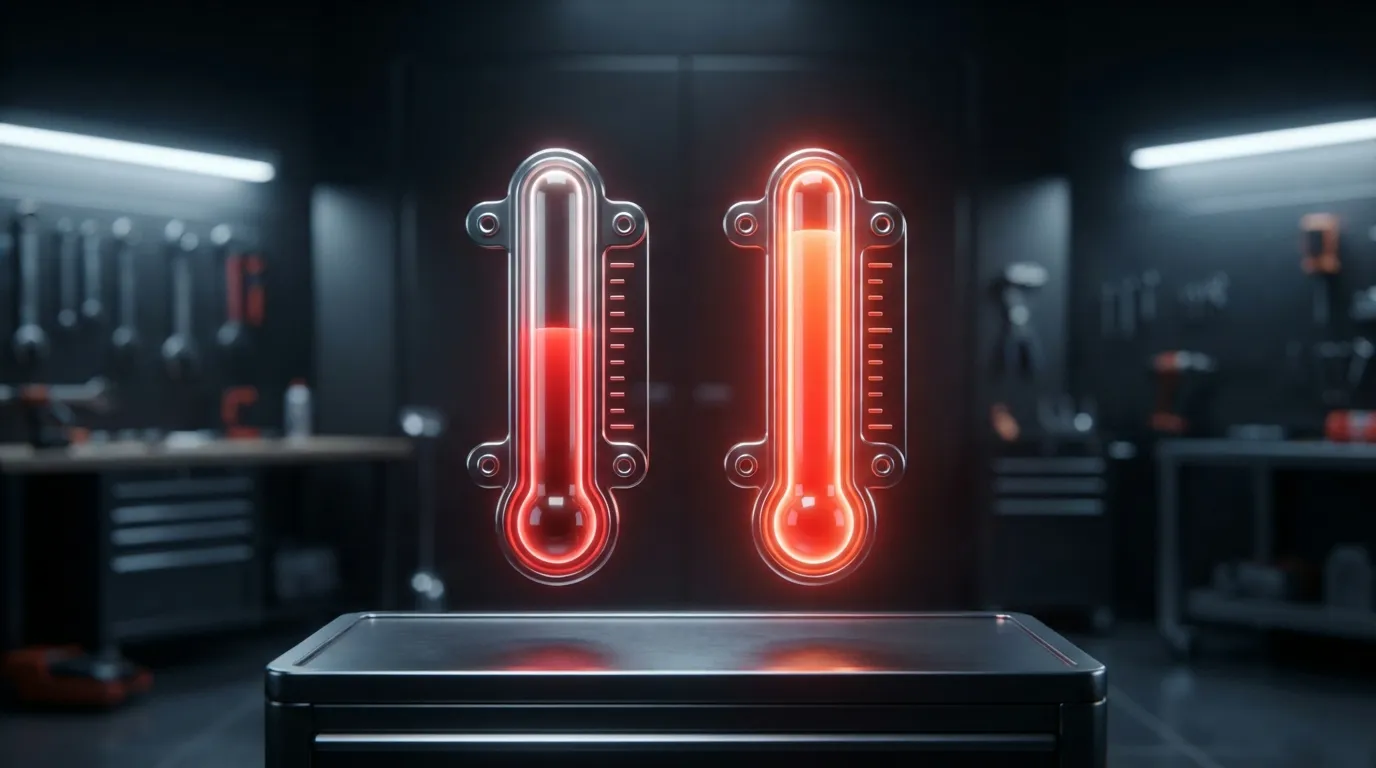
These numbers explain most of dot3 vs dot4 brake fluid in one view. Higher numbers help when brakes run hot. That is hills, towing, or track time.
The key differences you will notice
Both fluids move force well. Both are safe for ABS when in spec. But they act different over time and heat. Here is how dot3 vs dot4 brake fluid shakes out in the real world:
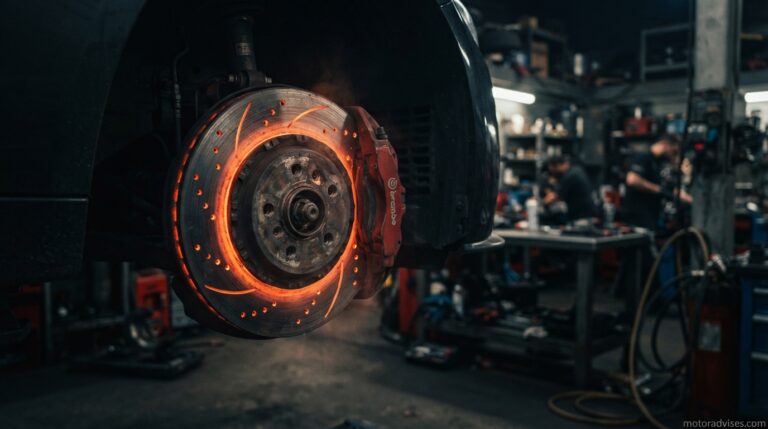
- Heat tolerance. DOT 4 handles higher peak temps before vapor forms. That helps reduce fade on long mountain runs.
- Water effect. Both absorb water. DOT 4 keeps a higher boiling point even as it ages. But it can pick up water a bit faster in some climates.
- Additive package. DOT 4 uses more advanced inhibitors. It can shield parts better at high heat. Still, both need regular changes.
- Cost and access. DOT 3 costs less and is on every shelf. DOT 4 costs a bit more yet is still easy to find.
- Viscosity. Standard DOT 3 and DOT 4 are similar at room temps. Some DOT 4 LV fluids stay thin in the cold. That helps ABS and stability control cycle faster.
When people ask me about dot3 vs dot4 brake fluid, I first ask how they drive. Daily city trips need one thing. Steep grades or towing need another.

Pros and cons at a glance
DOT 3 benefits
- Lower cost and wide availability.
- Adequate for most older cars and light daily use.
- Good seal compatibility in standard systems.
DOT 3 limits
- Lower dry and wet boiling points.
- Not ideal for heavy loads, repeated hard stops, or track days.
- More pedal fade risk under long heat cycles.
DOT 4 benefits
- Higher boiling points for better fade resistance.
- Stronger high-heat stability and protection.
- Good choice for ABS, ESC, towing, hills, and performance use.
DOT 4 limits
- Slightly higher price.
- Can take on moisture a bit faster. Timely service matters.
- Not a cure for worn pads, tired hoses, or stuck calipers.
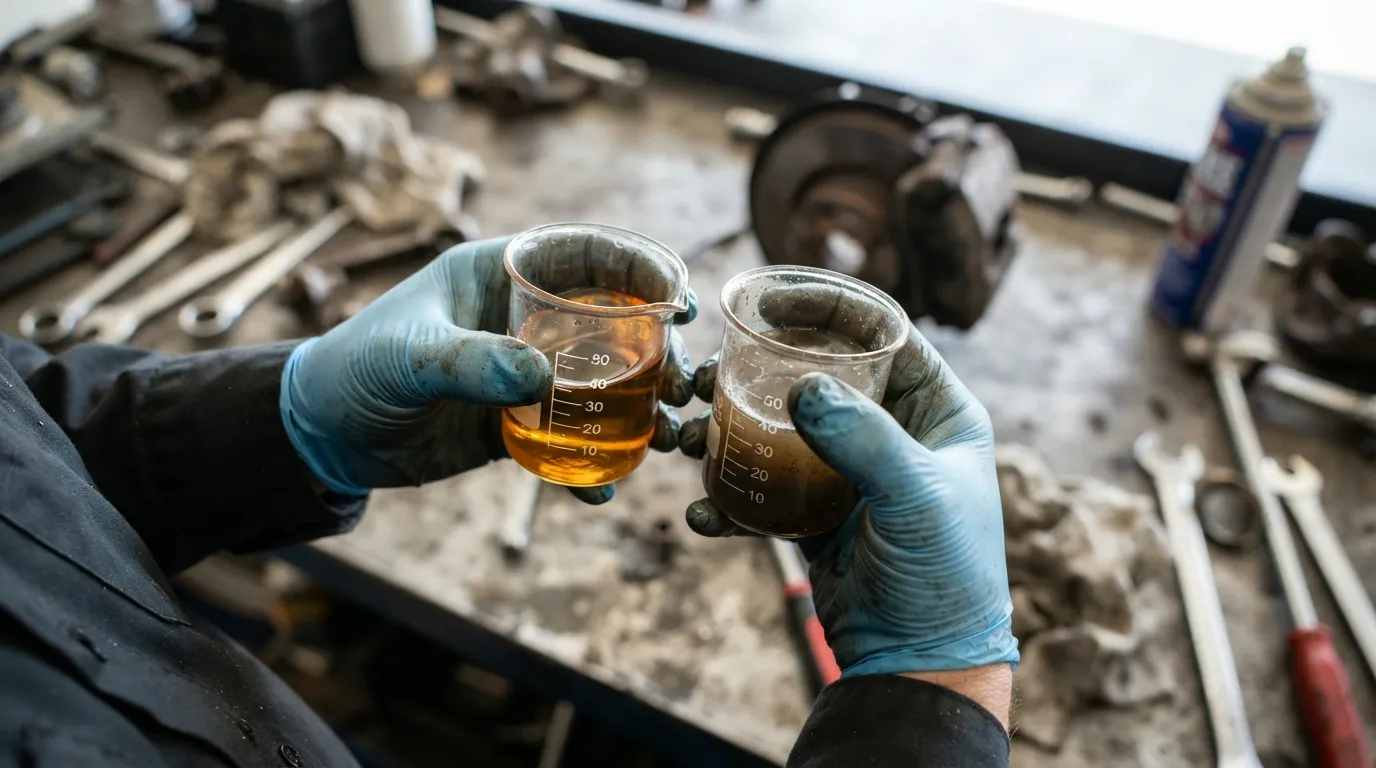
For dot3 vs dot4 brake fluid, I like DOT 4 for any car that sees hills, spirited drives, or towing. For low-heat city use, DOT 3 still works well if the manual allows it.
Which should you choose for your car
Start with the owner’s manual. If it says DOT 4, use DOT 4. If it says DOT 3, you can often upgrade to DOT 4. Check the seal and system notes to be sure.
Good picks by use case
- Daily commuter in flat areas. DOT 3 is fine if the manual allows it.
- Compact SUV with weekend hills. DOT 4 is a smart upgrade for heat margin.
- Towing or long mountain descents. DOT 4 for the higher wet boiling point.
- Track days or autocross. A quality DOT 4 or DOT 4 racing fluid. Flush often.
- Cold climate with ABS heavy use. DOT 4 LV for lower cold viscosity.
If you are still split on dot3 vs dot4 brake fluid, think about heat. Heat is the enemy. More heat means you should go DOT 4.
Mixing, flushing, and storage best practices
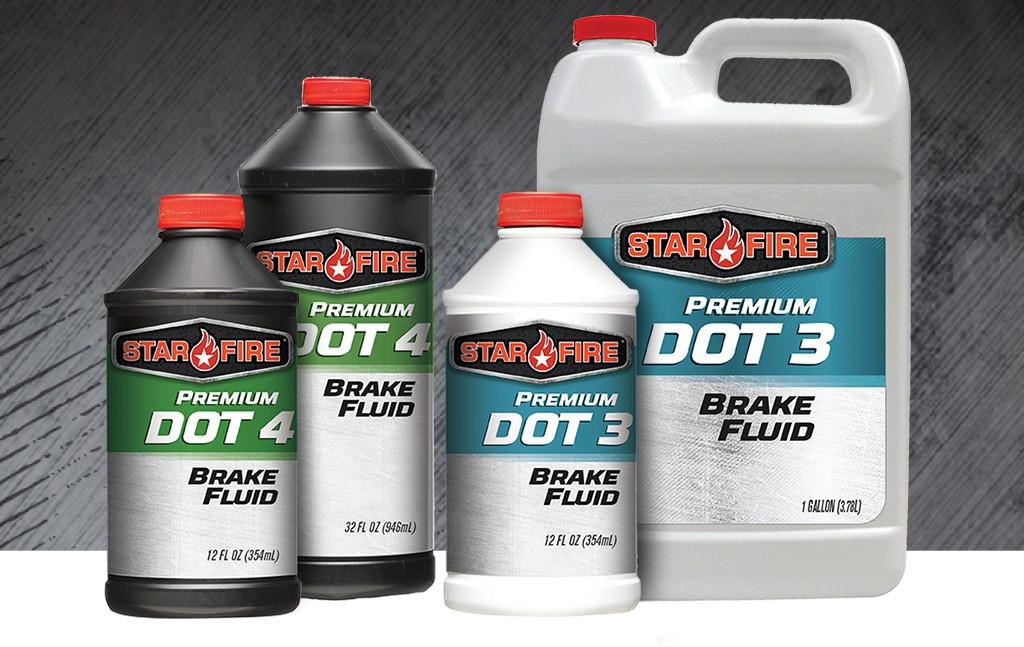
You can mix DOT 3 and DOT 4 in a pinch. They are both glycol based. But the blend will only meet the lower spec. Mixing is fine to get home. Then plan a full flush.
Tips I give to customers
- Never mix with DOT 5 silicone. That is a different base and will cause damage.
- DOT 5.1 is glycol based. It can mix with DOT 3 or DOT 4. But test and flush to meet the spec you want.
- Use fresh bottles only. Toss any open bottle after a few months. It will have taken on moisture.
- Keep caps tight. Even a small air leak pulls in water.
These steps apply no matter which side of dot3 vs dot4 brake fluid you choose.
Service intervals, tests, and signs of trouble
Change intervals vary. Many makers suggest every 2 years. In my shop, I suggest:
- DOT 3 every 2 to 3 years.
- DOT 4 every 2 years, or yearly for track work.
Quick checks you can do
- Look at the fluid. Dark, cloudy, or rusty tint means change it.
- Feel the pedal. A long, soft pedal after heat can mean boiling or moisture.
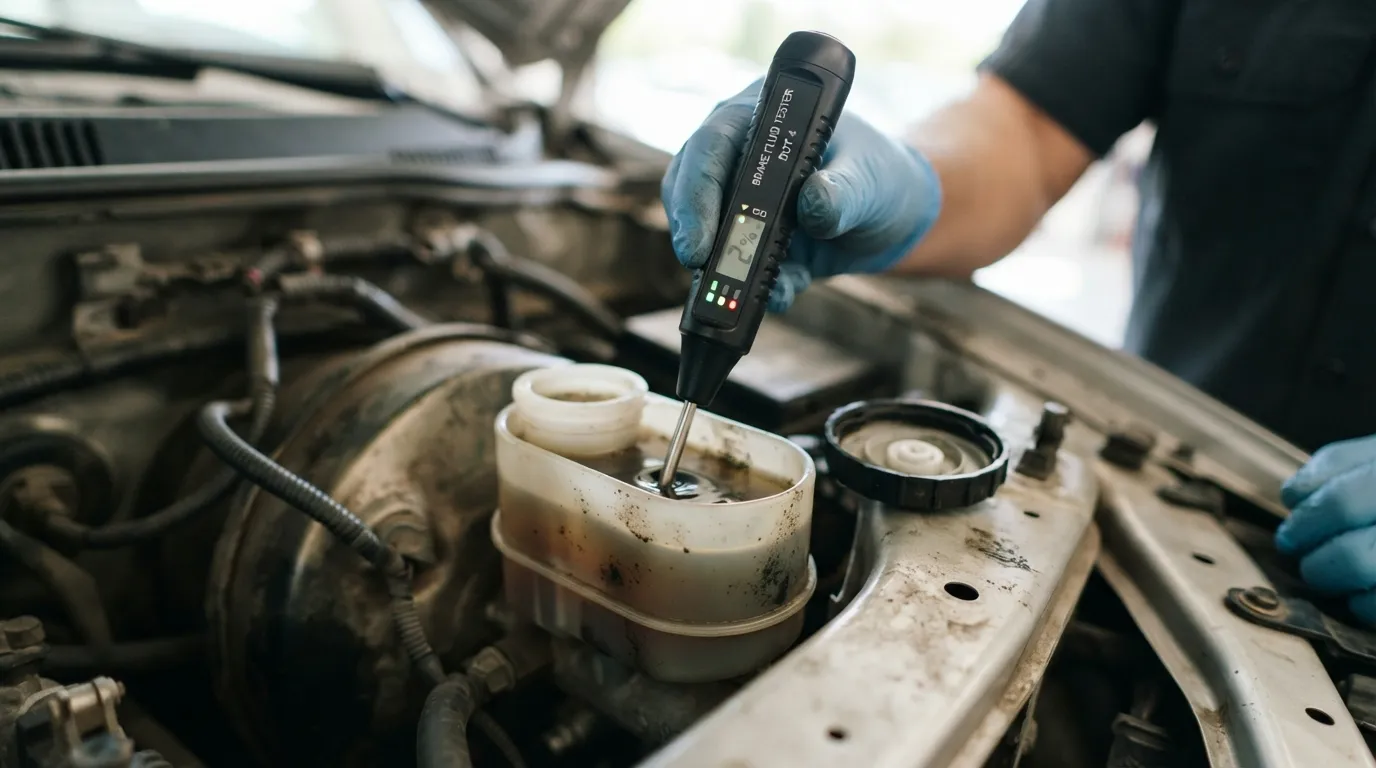
- Use a test strip or meter. Water over 2 percent means it is time to change.
These habits reduce risk and settle dot3 vs dot4 brake fluid debates. Fresh fluid beats old fluid every time.

Real-world lessons from the bay
A customer came in after a long downhill run. The pedal felt spongy near the end. The car had DOT 3 that was three years old. We flushed with a quality DOT 4 and bled the system. He called a week later after the same route. The pedal stayed firm. No fade.
On my own track day car, I ran stock DOT 3 in the past. Two hot sessions and the pedal got long. I switched to a high quality DOT 4 and bled before events. The change was night and day. The brakes felt consistent, and the ABS was more steady lap to lap.
From many jobs, I learned this about dot3 vs dot4 brake fluid. DOT 3 works until heat shows up. DOT 4 gives you a margin when it counts.

Frequently Asked Questions of dot3 vs dot4 brake fluid
Can I put DOT 4 in a car that calls for DOT 3?
Yes, in most cases you can. DOT 4 meets or beats DOT 3 specs, but confirm in your manual and keep change intervals.
Is DOT 4 always better than DOT 3?
It is better for heat, but not always needed. If you drive gently and service on time, DOT 3 works well.
Can I mix DOT 3 and DOT 4 brake fluid?
Yes, both are glycol based. The blend will perform to the lower spec, so flush to the fluid you want soon.
Does DOT 4 absorb water faster than DOT 3?
Both are hygroscopic. In practice, service timing matters more than small rate differences.
Will DOT 4 damage seals that were used with DOT 3?
Quality DOT 4 is designed for the same elastomers. Use reputable brands and follow the manual.
What about DOT 5 and DOT 5.1 in this debate?
DOT 5 is silicone and should not be mixed. DOT 5.1 is glycol based and can mix, but follow the target spec and service plan.
How often should I replace brake fluid if I tow?
Every 2 years as a rule, or sooner if downhill routes are common. Test for water yearly.
Does fluid color show quality?
Not always. Some new fluids are amber. Color change over time is a clue, but test for water and copper.
Will DOT 4 improve pedal feel right away?
If your old fluid is wet or aerated, yes. A proper bleed with fresh DOT 4 often firms up the pedal.
Is low-viscosity DOT 4 worth it for ABS?
In cold regions, yes. DOT 4 LV helps ABS and stability control respond faster in winter.
Conclusion
DOT 3 is the budget workhorse for calm daily use. DOT 4 adds heat headroom for hills, towing, and spirited drives. Pick what your manual allows, match it to how you drive, and keep it fresh. That is how you win the dot3 vs dot4 brake fluid choice.
Take five minutes today. Check your brake fluid level and color. If it is old, plan a flush. Want more hands-on guides like this? Subscribe, share your questions, or drop a comment with your car and driving style.