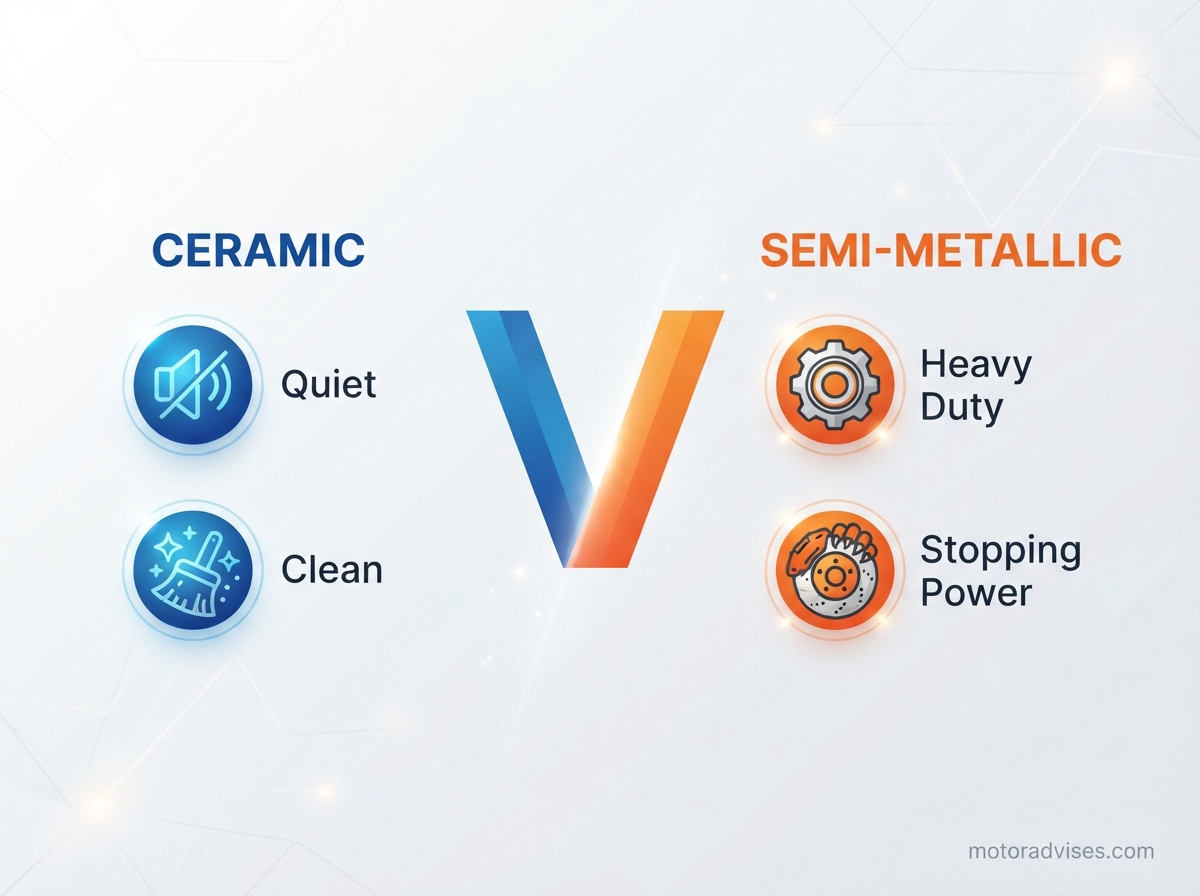
Ceramic vs semi metallic brake pads: Ceramic = quieter and cleaner; semi-metallic = stronger stopping and better heat control.
I’ve worked on cars and tested brake pads for years, so I’ll walk you through ceramic vs semi metallic brake pads with clear, practical advice. This article compares materials, performance, costs, and real-world use so you can pick the right pads for your car and driving style.
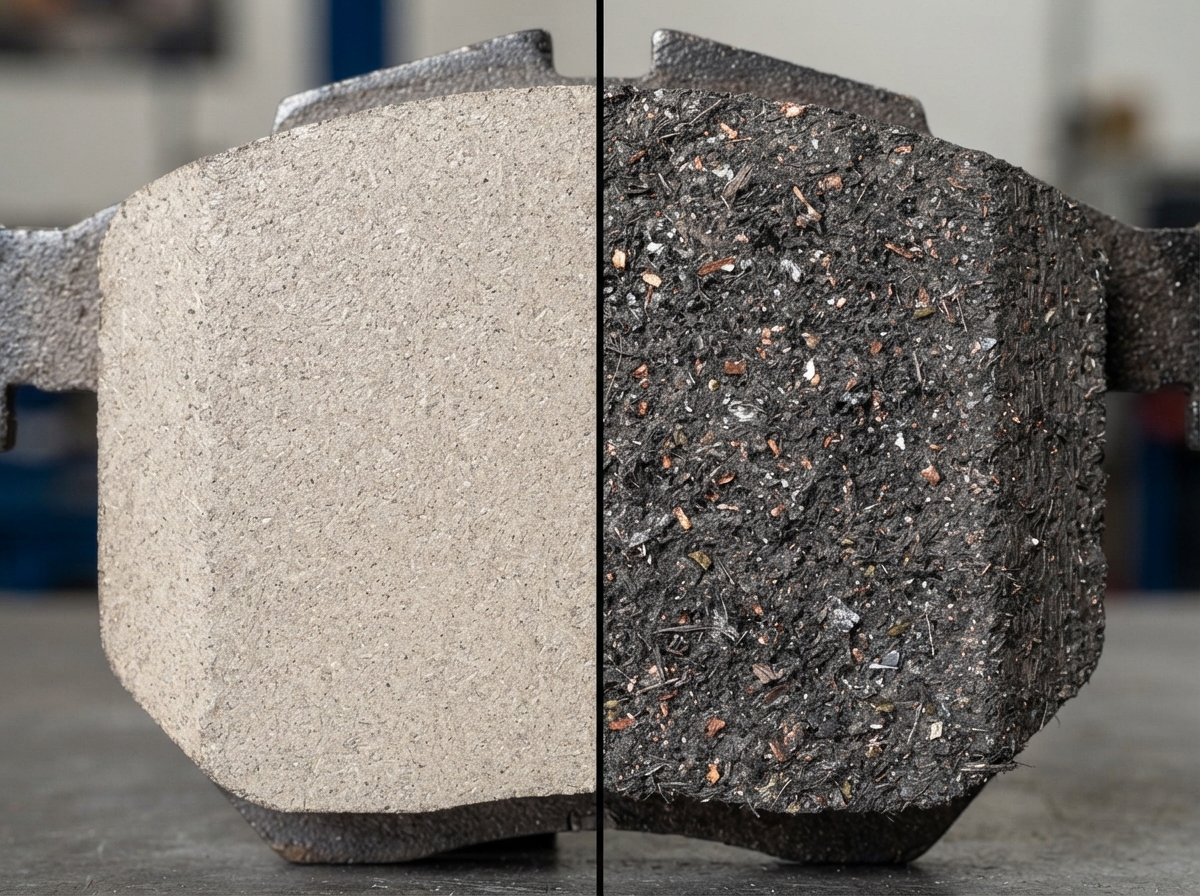
What are ceramic and semi-metallic brake pads?
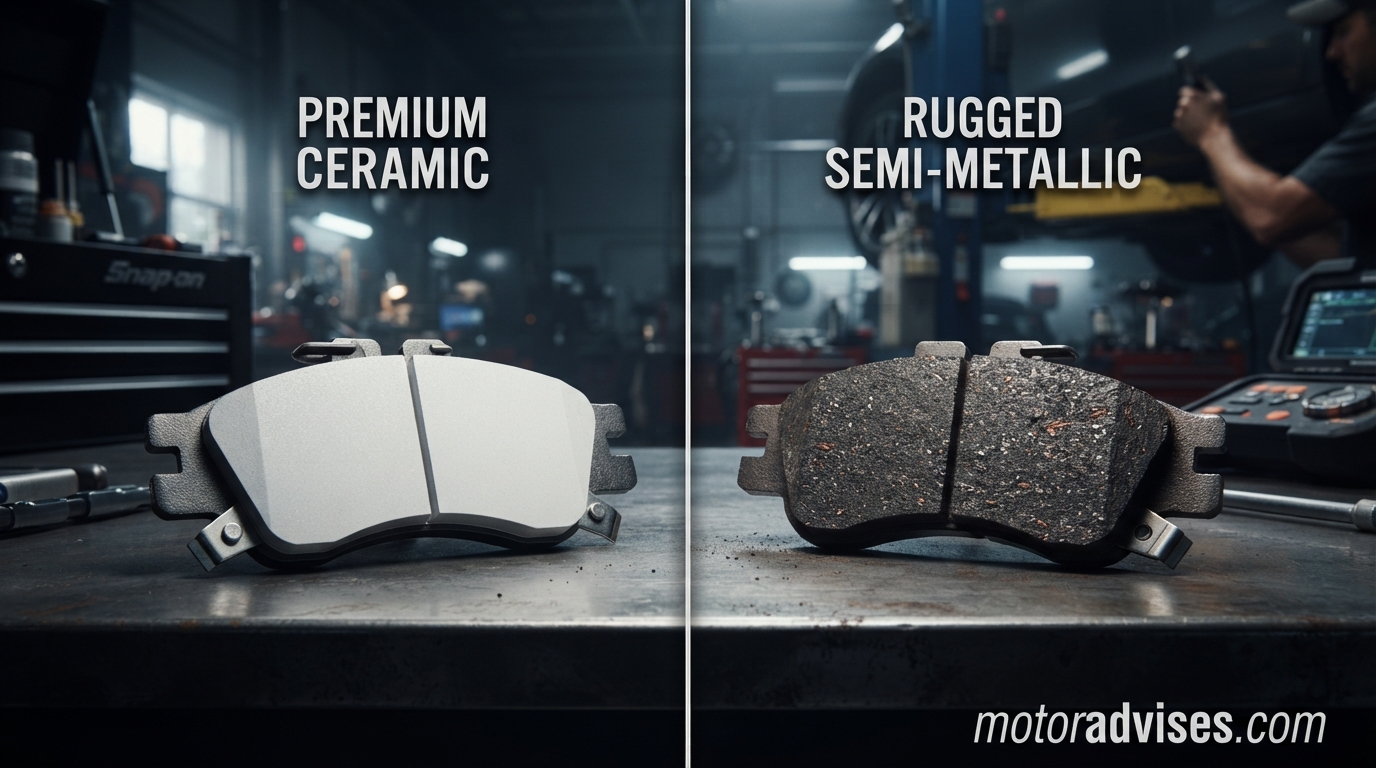
Ceramic vs semi metallic brake pads refers to two popular pad compounds. Ceramic pads use dense ceramic fibers, bonding agents, and small amounts of metal. Semi-metallic pads mix metals like steel, copper, or iron with friction modifiers and binders.
Key features to know:
- Ceramic pads: quieter braking, low dust, stable feel across temperatures.
- Semi-metallic pads: higher friction, better heat transfer, stronger initial bite.
- Material trade-offs: ceramics are gentle on rotors, semi-metallics wear rotors faster but handle heavy loads better.
Understanding this basic difference helps match pads to your driving. Ceramic vs semi metallic brake pads behave differently in cold weather, towing, and spirited driving. I’ll explain those differences in plain terms below.
Performance comparison: stopping power and heat management
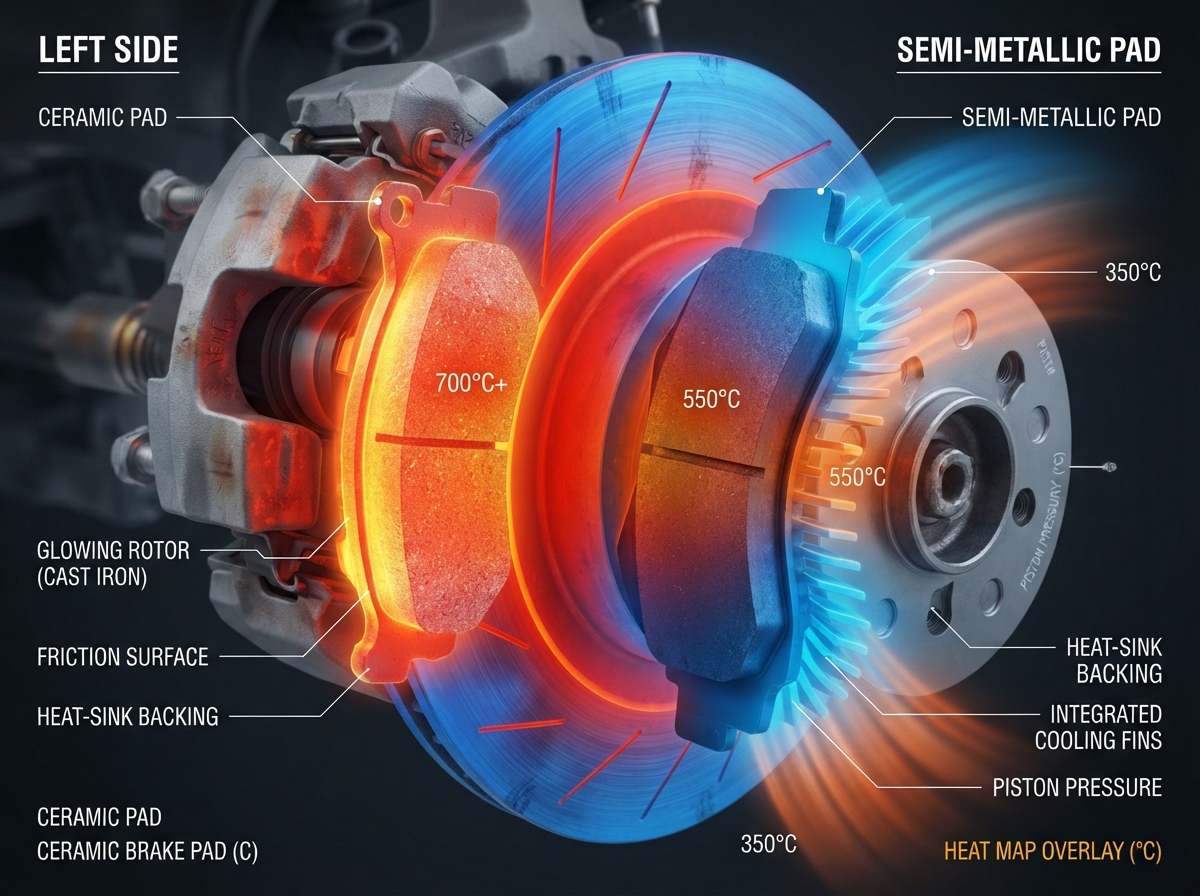
Stopping power and heat control often decide between ceramic vs semi metallic brake pads. Semi-metallic pads typically deliver stronger initial bite and higher friction. That makes them good for heavy braking, mountain driving, or track use.
Performance breakdown:
- Stopping power: semi-metallic > ceramic for aggressive driving.
- Heat resistance: semi-metallic handles high temperatures better and resists fade under repeated heavy stops.
- Pedal feel: ceramics feel smoother and more consistent for daily driving.
- Fade and recovery: semi-metallic resists fade; ceramic can soften at extreme, sustained heat.
If you tow or push your car hard, semi-metallic pads can be safer. For daily commuting and city driving, ceramic vs semi metallic brake pads show clear differences: ceramic pads give quiet comfort, semi-metallic give performance under stress.
Noise, dust, and rotor wear
Every driver cares about noise and dust. Ceramic vs semi metallic brake pads differ noticeably in these areas.
Practical comparison:
- Noise: ceramic pads are much quieter. Semi-metallic pads can produce more noise, especially cold or at low speeds.
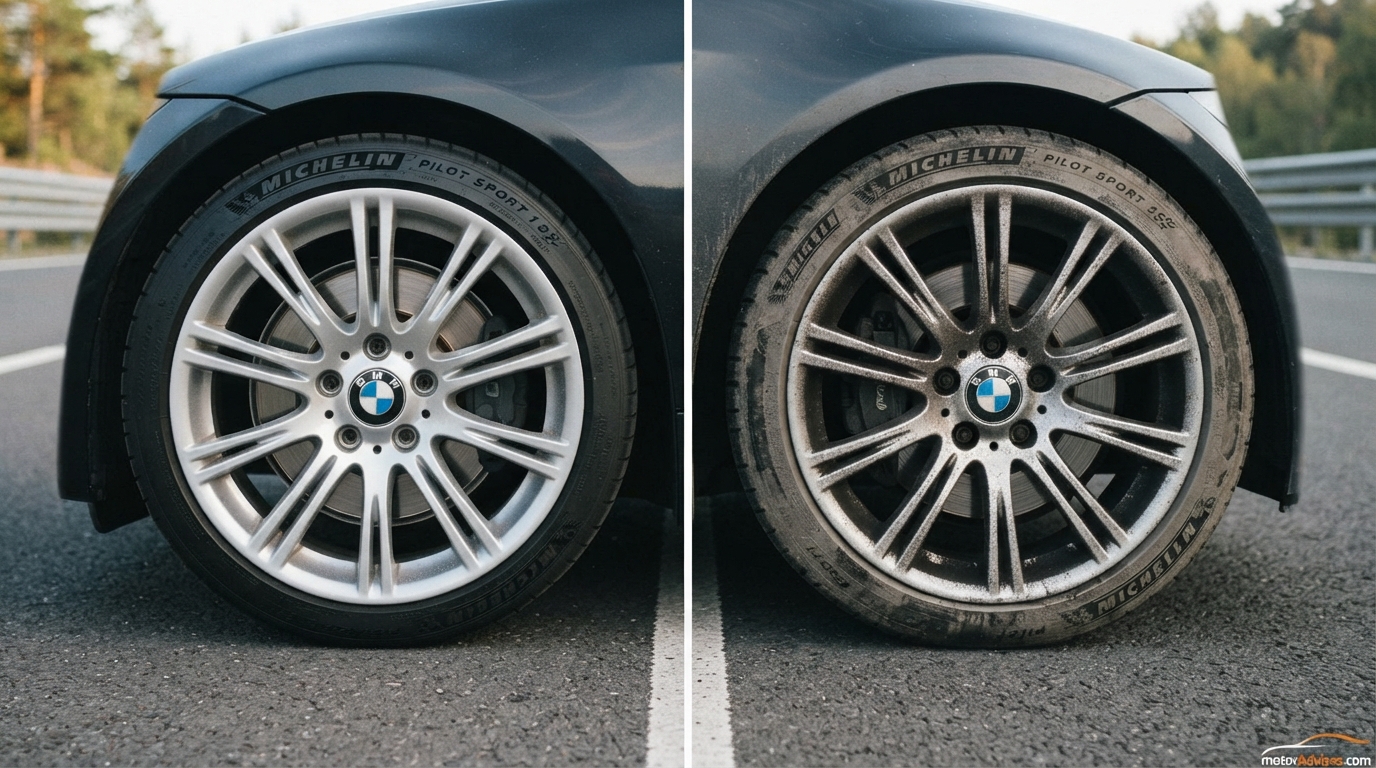
- Dust: ceramic pads make very little dark dust. Semi-metallic pads create more dust and it sticks to wheels.
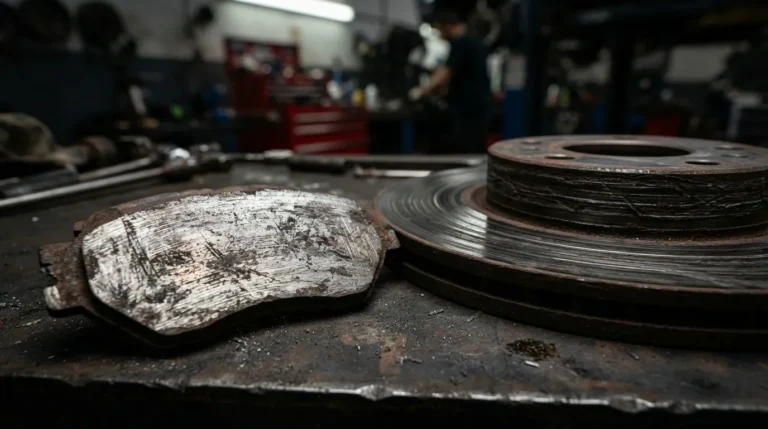
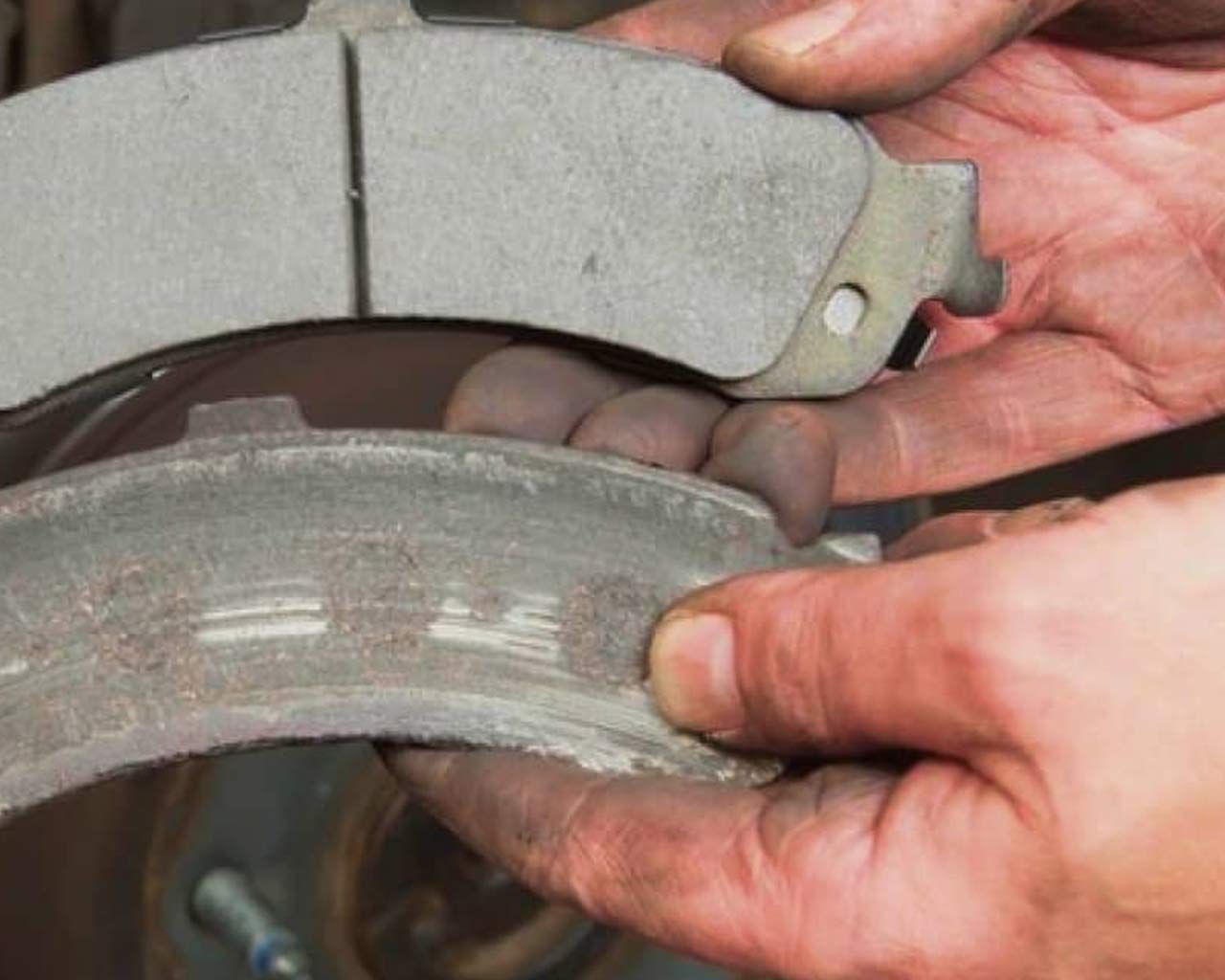
- Rotor wear: ceramics are kinder to rotors. Semi-metallic pads, due to metal content, can increase rotor wear over time.
If you like clean wheels and low brake noise, ceramic vs semi metallic brake pads lean toward ceramic for daily drivers who prioritize comfort and appearance.

Cost, lifespan, and maintenance
Cost and longevity affect your ownership experience. Ceramic vs semi metallic brake pads differ in upfront cost and lifecycle expenses.
What to expect:
- Price: ceramic pads often cost more upfront than basic semi-metallic pads, but not always.
- Lifespan: lifespan varies by use. Semi-metallic pads can last longer under heavy use; ceramics last well under normal commuting.
- Maintenance: semi-metallic pads may require more frequent rotor checks. Ceramic pads reduce wheel cleaning and often cut down on brake service chores.
Think long term: paying a bit more for ceramic vs semi metallic brake pads could save time cleaning wheels and reduce rotor replacement frequency. But heavy-duty drivers may favor semi-metallics to avoid fade and frequent pad swaps.
Best use cases: who should pick which pad?
Choosing between ceramic vs semi metallic brake pads depends on driving needs. Below are common scenarios.
Best choices by use:
- Daily commuter: ceramic pads for quiet, low dust, comfortable stopping.
- Performance enthusiast: semi-metallic pads for strong bite and heat control.
- Towing and hauling: semi-metallic pads for heavy load braking and fade resistance.
- City stop-start: ceramic pads for smooth low-speed feel and less noise.
- Cold climates: semi-metallic pads often warm up quicker and deliver dependable bite when cold.
Match the pad to your priorities. For example, I switched to semi-metallic pads when I started towing a trailer, and noticed safer downhill control. For weekend city driving, I prefer ceramic pads for neat wheels and quiet stops.
Real-world experience and practical tips
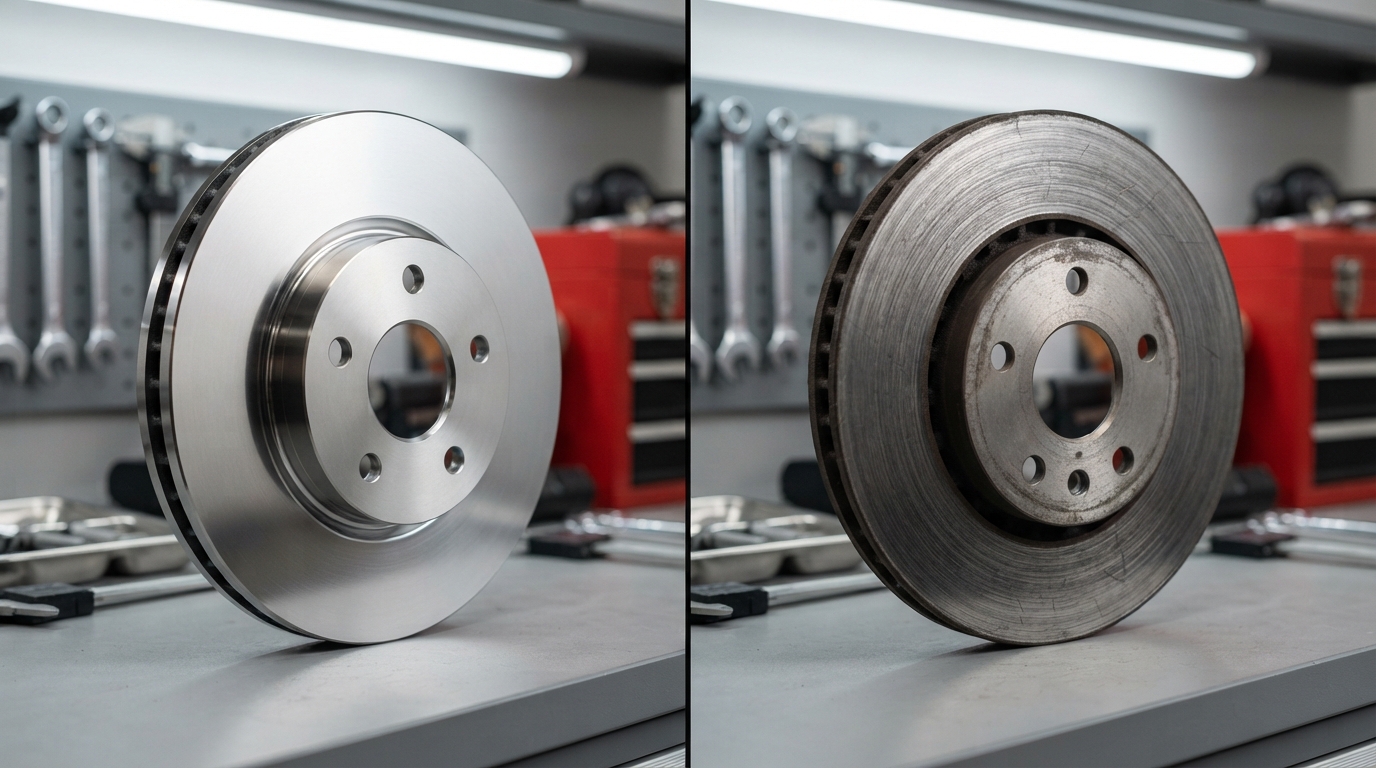
From hands-on testing and garage work, I’ve learned a few practical lessons about ceramic vs semi metallic brake pads.
Lessons from experience:
- Bedding in matters: follow the manufacturer break-in steps for any pad to stabilize friction and reduce noise.
- Matching rotors helps: better rotors improve pad performance and life for both ceramic and semi-metallic pads.
- Mix-and-match caution: avoid mixing old pads of one compound with new pads of another on the same axle.
- Check hardware: replace shims and clips when changing pads to avoid noise and uneven wear.
I once installed ceramic pads on a high-mileage car with worn rotors and heard squeal until I replaced the rotors. That taught me to inspect rotor condition before choosing ceramic vs semi metallic brake pads.

How to choose and buy: checklist and installation tips
Use a short checklist to pick the right pads and make installation smoother.
Buying checklist:
- Identify your driving style: commute, towing, or performance.
- Check compatibility: year, make, model, and trim for pad fitment.
- Read pad specs: look for friction rating, operating temperature, and dust/noise claims.
- Budget for rotors: plan to replace or at least resurface rotors if worn.
- Buy from reputable brands and check warranty terms.
Installation and break-in tips:
- Follow bedding-in procedures to avoid glazing and noise.
- Torque caliper bolts to spec and use proper grease on sliders.
- Test brakes gently after installation before full-speed driving.
This checklist will help you decide between ceramic vs semi metallic brake pads and avoid common mistakes.
Frequently Asked Questions of ceramic vs semi metallic brake pads
What is the main difference between ceramic and semi-metallic brake pads?
The main difference is material composition: ceramic pads use ceramic fibers; semi-metallic pads include metal fibers. This leads to differences in noise, dust, heat tolerance, and feel.
Are ceramic pads better for daily driving?
Yes. Ceramic pads are usually quieter and produce less brake dust, making them ideal for daily commuting and city driving. They deliver smooth, consistent stopping for normal use.
Do semi-metallic pads wear rotors faster?
Semi-metallic pads can be more abrasive on rotors because of their metal content, which may increase rotor wear over time. Proper rotor maintenance and quality rotors reduce this effect.
Which pads perform better under heavy load or towing?
Semi-metallic pads handle heat and repeated heavy braking better, so they are typically the best choice for towing or heavy-load driving. They resist fade in high-temperature conditions.
Can I mix ceramic and semi-metallic pads on the same vehicle?
Mixing different pad compounds on the same axle is not recommended. It can cause uneven braking feel and inconsistent stopping power; match pads across each axle for safe performance.
Conclusion
This strategy uses the requested split-screen format to emphasize the “Versus” nature of the post. By consistently including the motoradvises.com branding, these images will look like custom assets created specifically for your website, enhancing your brand’s professional image.