
Most tire-change vibrations come from wheel imbalance, loose lug nuts, or misaligned wheels.
I’ve worked on hundreds of vehicles and seen nearly every reason a car vibrates after tire change. This guide explains why vibrations start after new tires or a rotation, how to diagnose the cause, steps you can take, and when to consult a pro. Read on for clear, experience-backed advice so you can get back to a smooth ride.

Causes of car vibrates after tire change
When a car vibrates after tire change, it usually points to a few common issues. I list the causes below in order of how often I’ve seen them in the shop.
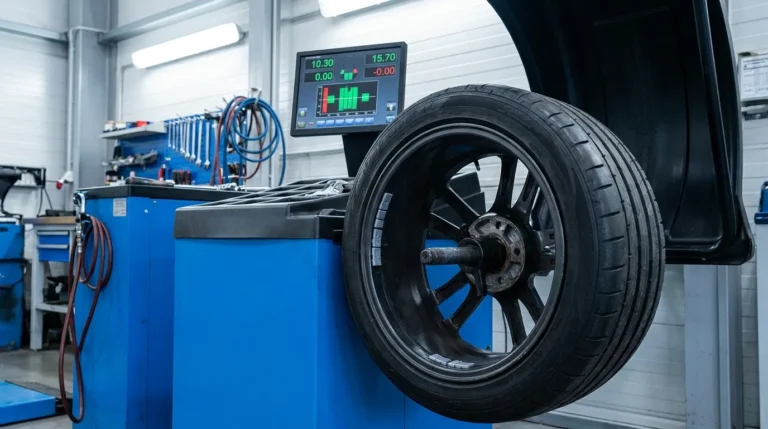
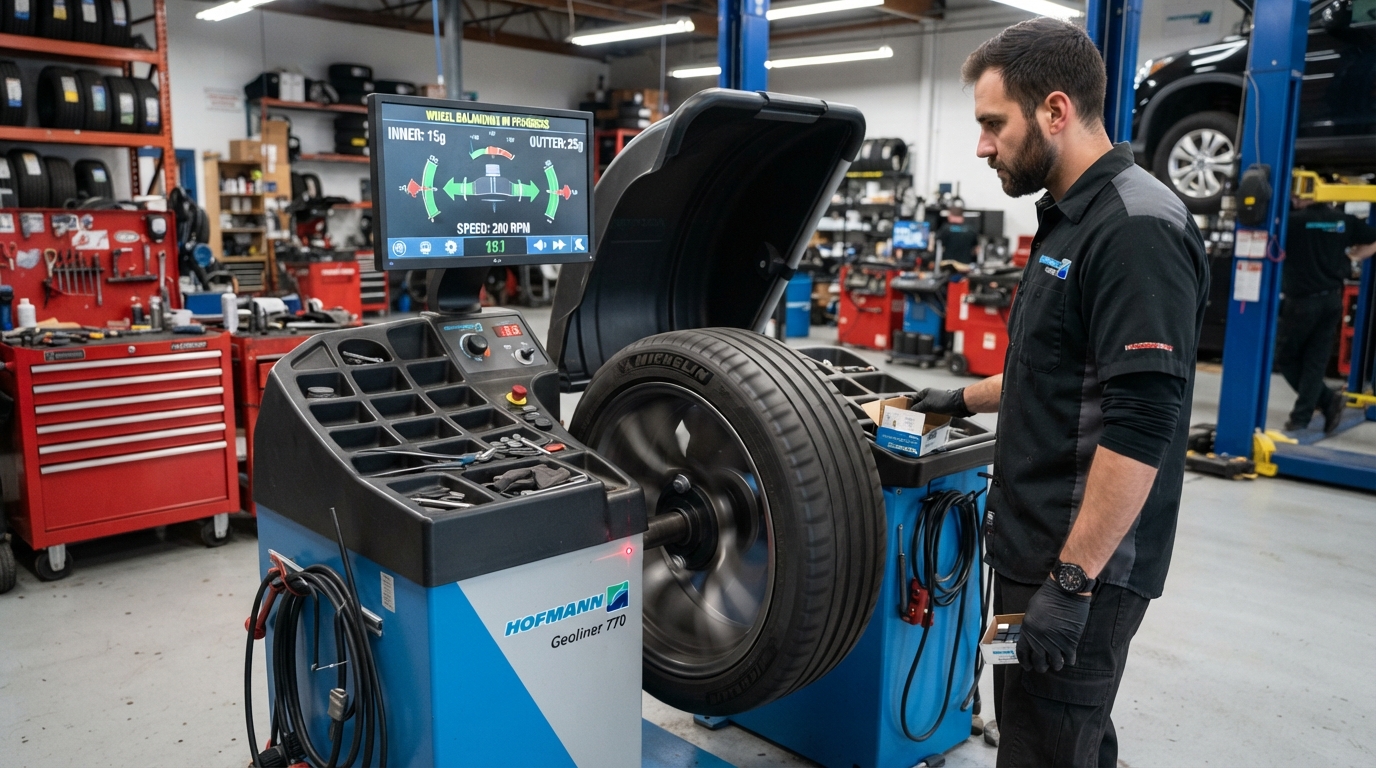
- Wheel imbalance: Small weight shifts or missing balance weights cause vibration at speed.
- Loose or uneven lug nuts: Loose lug nuts let the wheel wobble. Torque must match specs.
- Improper tire mounting: A tire not seated correctly on the rim can wobble.
- Tire defect or mismatch: A separated tread, belt issue, or mixing tire sizes causes vibration.
- Bent wheel or rim damage: Hitting curbs can bend rims and create imbalance.
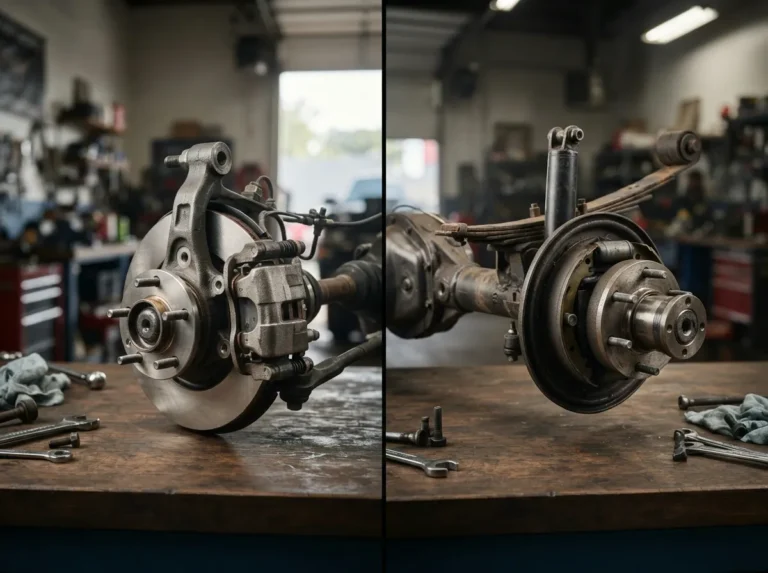
- Suspension or steering issues: Bad tie rods, wheel bearings, or shocks can cause vibration that shows up after a tire change.
- Brake problems: Warped rotors or sticky calipers sometimes feel like a vibration after servicing tires.
Why the problem appears right after a tire change: the service can reveal preexisting issues. A technician may rotate parts, remove weight, or change torque. Any small flaw then becomes noticeable as vibration.
How to diagnose when your car vibrates after tire change
Diagnosing is mostly visual checks and a short road test. This step-by-step process helps find the likely cause.
- Check lug nut torque: Use a torque wrench and tighten to manufacturer specs.
- Visual tire and rim inspection: Look for bent rims, bubbles, uneven wear, or missing balance weights.
- Test at different speeds: Note when vibration starts — at low speed suggests steering/suspension; higher speed suggests balance.
- Swap wheels: If safe, swap a suspect wheel with another position to see if vibration moves with the wheel.
- Inspect suspension and wheel bearings: Look for play or noise with the car raised.
Common quick questions people search for:
Why does my car vibrate after new tires at 60 mph?
If vibration starts around 60 mph, wheel imbalance or a bent rim is the top suspect. Have the wheels rebalanced and inspected for damage.
Can loose lug nuts cause vibration after tire change?
Yes. Loose lug nuts let a wheel shift and create a wobble or vibration. Always torque lug nuts to the specified value.
Will rotating tires fix the vibration I feel after a tire change?
Rotation can reveal whether vibration is linked to a specific tire. Rotation alone won’t fix balance or damage issues.

Common fixes when a car vibrates after tire change
Once you identify the cause, these fixes usually solve the problem. I list practical, step-by-step solutions you can try or request from a shop.
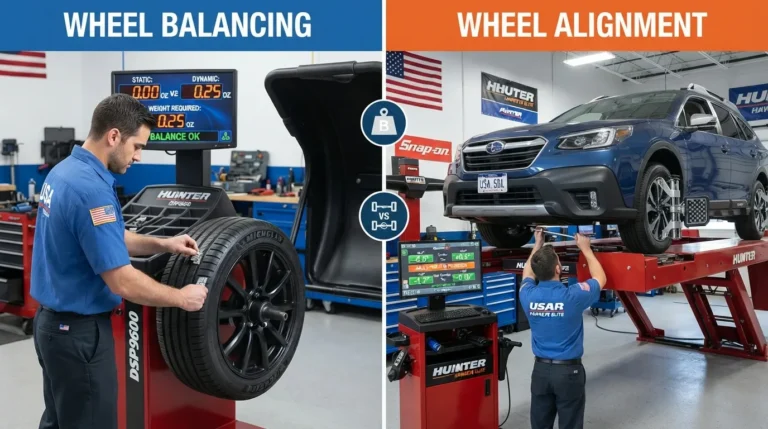
- Rebalance wheels: Proper balancing adds small weights. It often removes vibration at speed.
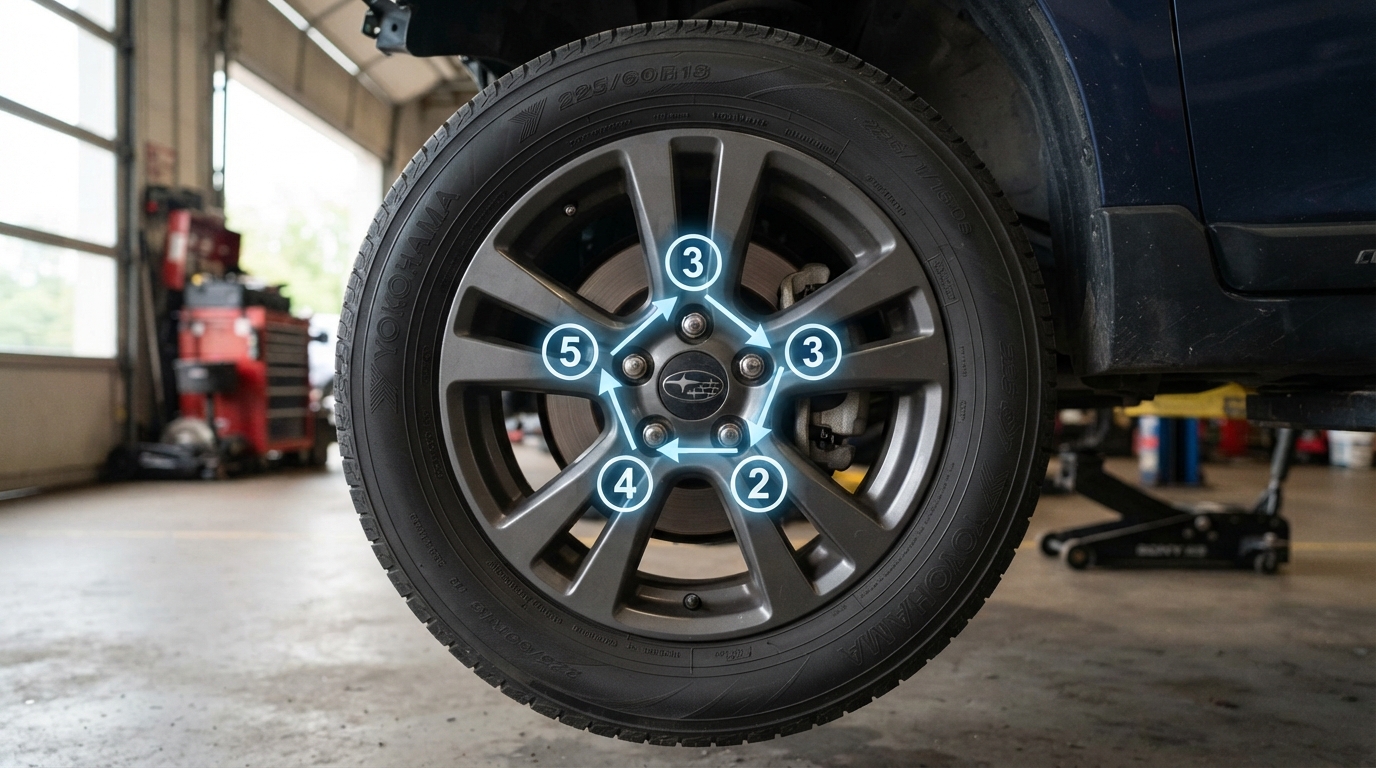
- Retorque lug nuts: Tighten to the vehicle’s spec and use the correct pattern.
- Reseat the tire: Deflate partially and re-seat the bead to ensure proper mounting.
- Replace damaged wheel or tire: A bent rim or defective tire should be replaced.
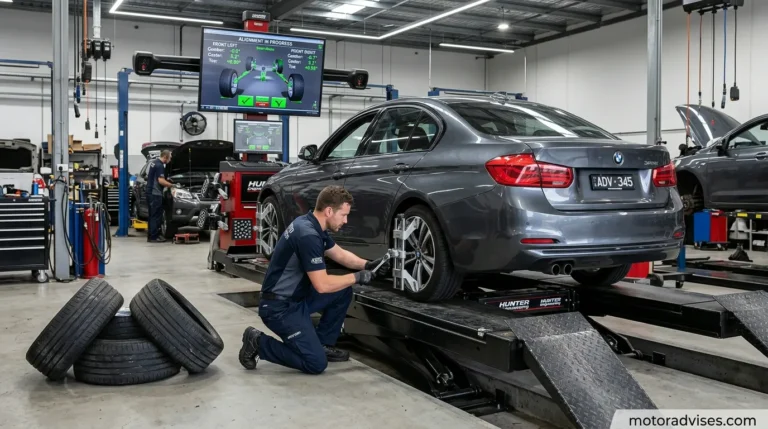
- Align the wheels: If alignment is off, vibration and uneven wear can persist.
- Inspect and repair suspension: Replace worn tie rods, bearings, or shocks if they show play or noise.
- Check brakes: If vibration appears while braking, resurface or replace rotors and inspect calipers.
DIY vs professional: You can retorque lug nuts and do a visual check yourself. Balancing and alignment require shop equipment. If you lack tools or experience, get a pro to avoid unsafe repairs.
Preventive maintenance to avoid vibration after tire change
Regular care reduces the chance your car vibrates after tire change. These habits save time and money.
- Maintain proper tire pressure: Check monthly and before long trips.
- Balance tires whenever replacing or rotating them: Balancing prevents speed-related vibration.
- Inspect tires for damage: Look for bubbles, cracks, and uneven wear.
- Use a torque wrench at every wheel service: Correct torque keeps wheels secure.
- Avoid potholes and curbs: Impact damage can bend rims and cause imbalance.
- Keep suspension parts inspected at service intervals: Worn parts can mimic wheel problems.
Small routine steps prevent many common causes of vibration. I always advise drivers to stay proactive.
When to see a professional
Some problems need shop tools and expertise. See a professional if any of the following apply.
- Vibration persists after rebalancing and retorquing.
- You notice play in the wheel or steering.
- The vibration is severe or unsafe at highway speeds.
- You see visible rim damage or a bulging tire sidewall.
- Braking vibrates or the steering pulls to one side.
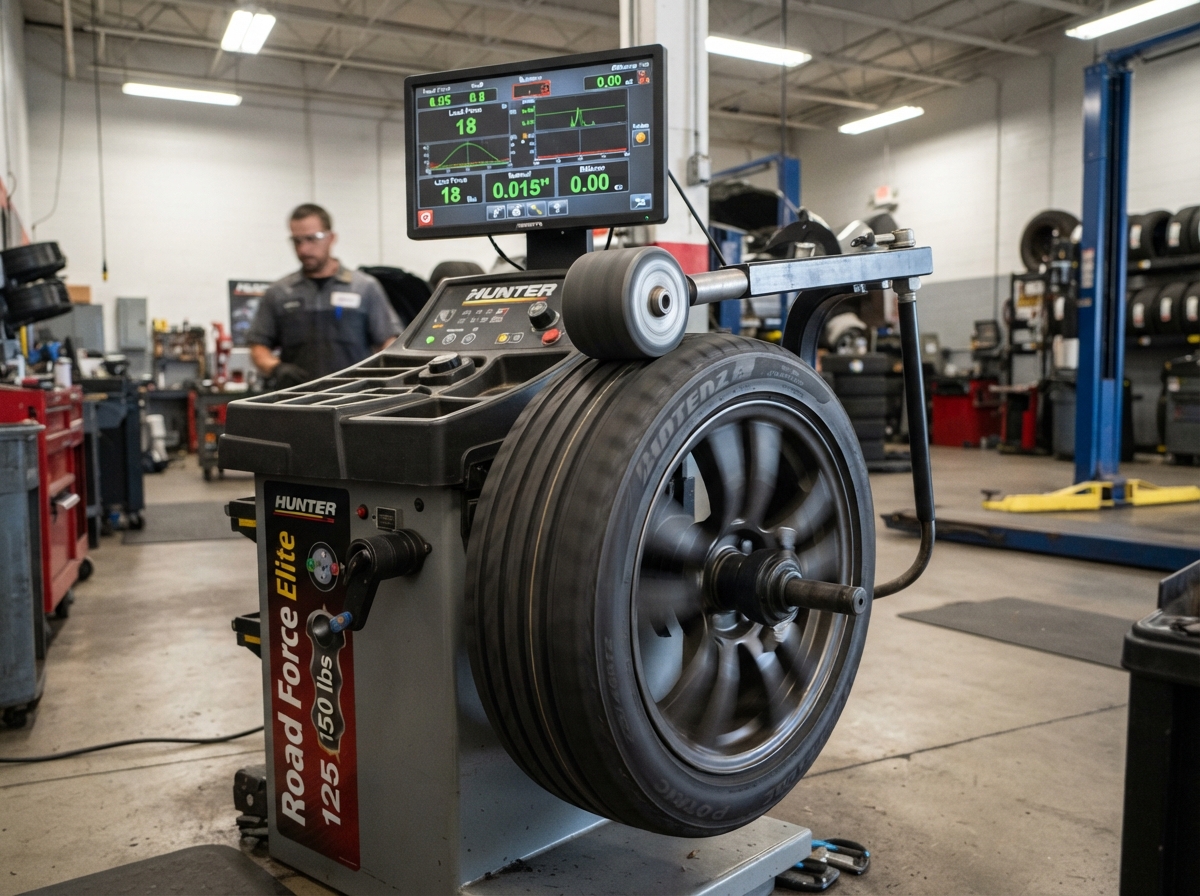
Expect a shop to perform a balance test, road force balance check, alignment, and suspension inspection. Be ready to describe when and how the vibration started and what changed after the tire change.
Personal experience and practical tips
I’ve tightened dozens of poorly torqued lug nuts that caused bad wobbles. Once, a customer had four new tires and a persistent shake. It turned out one wheel weight fell off after hitting a pothole. Rebalancing fixed it.
Lessons learned:
- Always double-check lug torque after a tire change.
- If vibration appears only after recent service, go back to the shop first. Most shops will recheck for free.
- Keep a simple torque wrench in your trunk for emergencies.
A friendly tip: after any tire work, drive a short loop close to the shop. If you sense vibration, return immediately. That small step often saves a tow later.
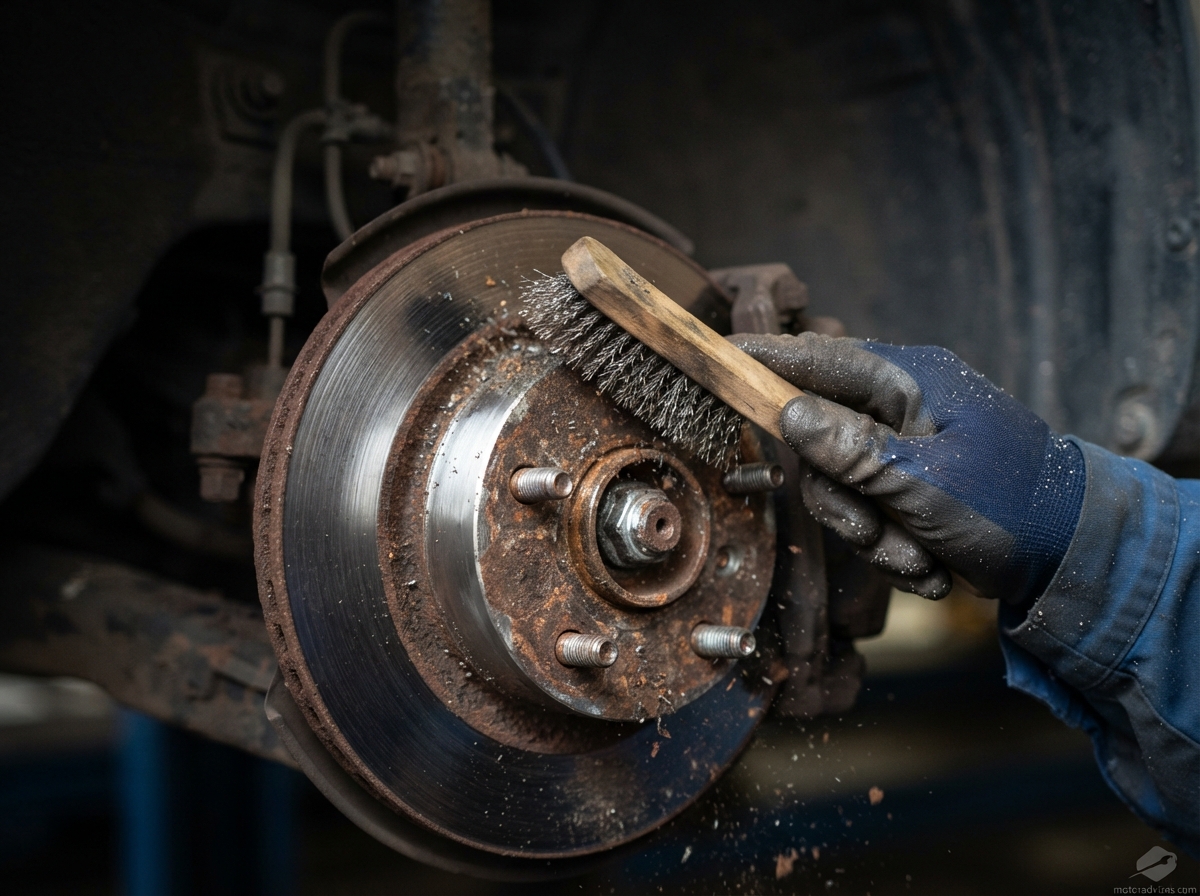
Frequently Asked Questions of car vibrates after tire change
Why does my steering wheel shake after changing my tires?
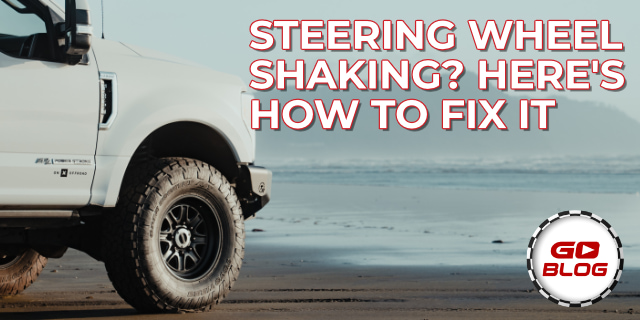
Steering wheel shake typically indicates wheel imbalance or a bent rim on the front. Have the front wheels balanced and inspected.
Can new tires cause vibration even if they look fine?
Yes. New tires can still be out of round, improperly mounted, or mismatched. Professional mounting and balancing are important.
How long after a tire change should vibrations appear?
Vibrations usually appear immediately or within a few miles. They can also show up after rebalancing weights shift or fall off.
Is it safe to drive if the car vibrates after tire change?
Mild vibration at low speed may be safe short-term, but avoid high speeds. If vibration is strong or affects handling, stop driving and get it checked.
Will wheel alignment fix vibration after a tire change?
Alignment addresses pulling and uneven wear but does not fix wheel imbalance. Alignment helps when vibration stems from suspension or steering geometry.
Conclusion
This visual strategy is designed to guide the user through the troubleshooting process step-by-step. By consistently using the motoradvises.com branding, you reinforce your authority and provide a high-quality, professional experience for your readers.