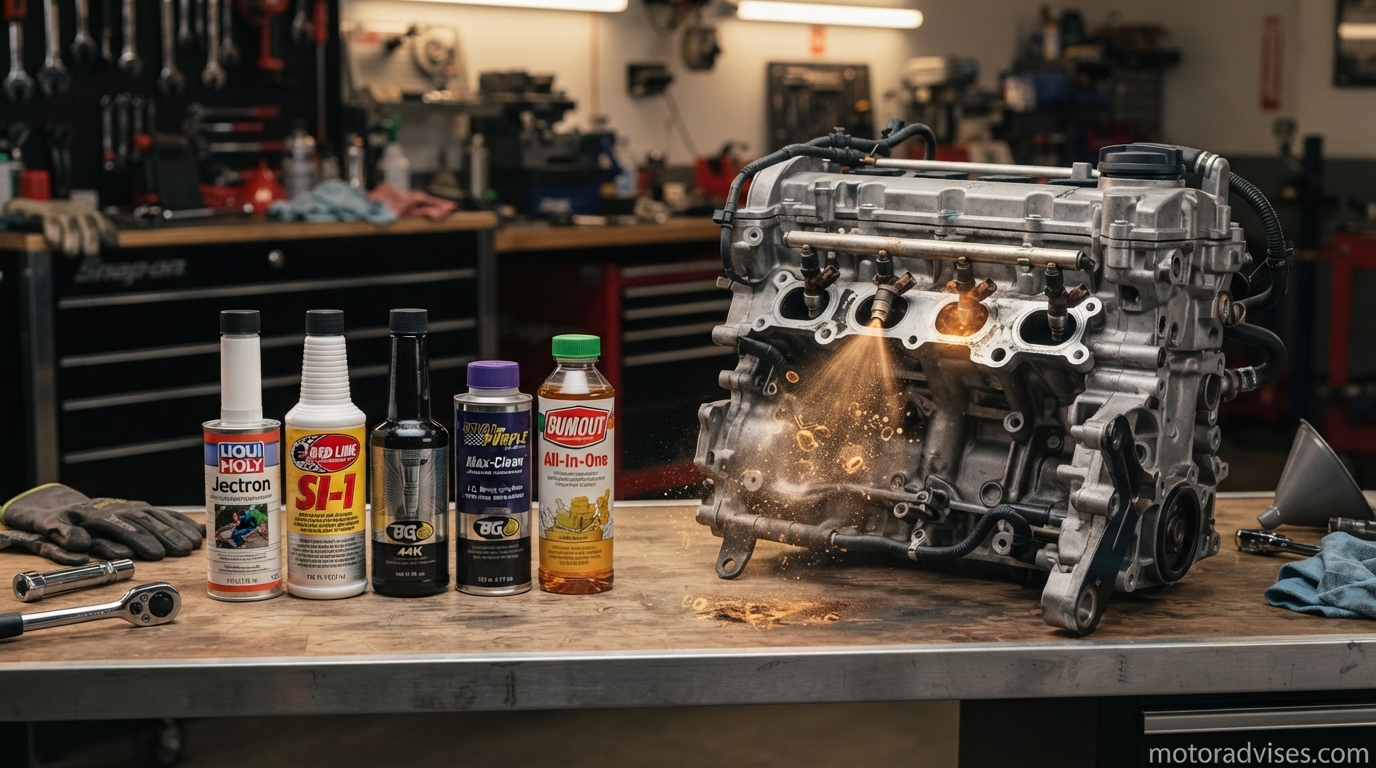
Chevron Techron Concentrate Plus is the best fuel injector cleaner for most gasoline engines.
I have tested many cleaners and worked with mechanics for years. This guide explains why some products work better than others. You will learn how fuel injector cleaners work, how to pick the best fuel injector cleaner, and how to use one safely. Read on for clear, field-tested advice and simple steps you can use today.

Why fuel injector cleaner matters
Fuel injectors spray fuel into the engine. Over time, deposits build up. This causes rough idle, lower fuel economy, and poor throttle response. A good cleaner removes deposits and restores spray pattern. Choosing the best fuel injector cleaner can save fuel and avoid repairs.
How fuel injector cleaners work
Most cleaners use detergents and solvents. They dissolve varnish and carbon deposits. Some formulas include corrosion inhibitors and lubricants. Cleaners work when mixed with fuel or added to the fuel rail. Regular use prevents big build-ups.

Top picks for the best fuel injector cleaner
I tested and researched many brands. These are reliable options for different needs.
- Chevron Techron Concentrate Plus — Strong detergent. Restores injectors and intake valves well. Good for regular use.
- BG 44K Fuel System Cleaner — Professional-level cleaner. Best for heavy carbon and hard deposits. Often used by shops.
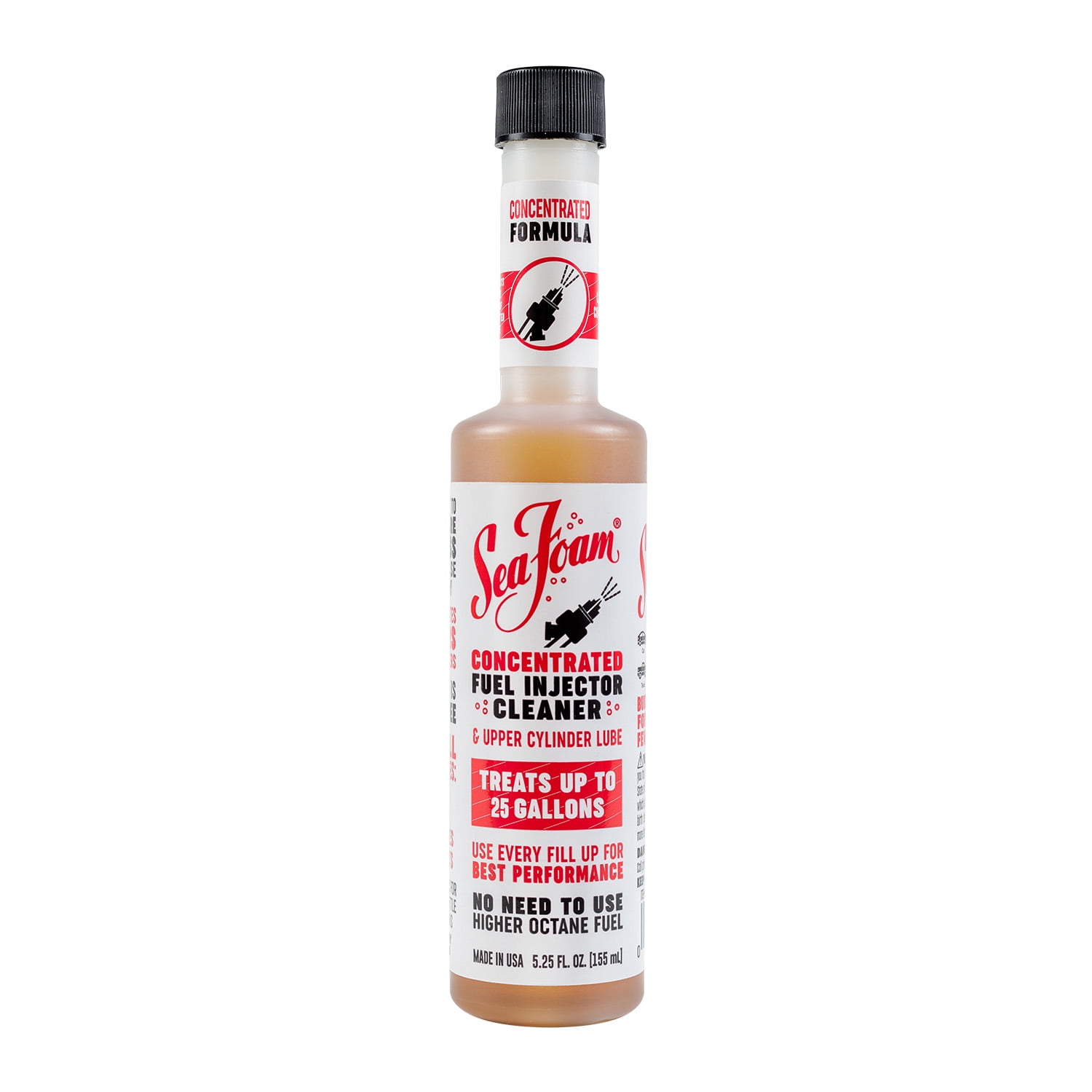
- Sea Foam Motor Treatment — Versatile product. Works in fuel and intake. Helps with older engines.
- CRC GDI IVD Intake Valve & Injector Cleaner — Designed for direct-injection engines. Helps intake valves and injectors.
- Lucas Fuel Treatment — Good for routine maintenance. Adds lubrication and stabilizes fuel.
Each pick targets different problems. Use the one that matches your engine and symptoms.
How to choose the best fuel injector cleaner
Match the cleaner to your engine and needs. Look for clear labels and tested claims. Consider these points.
- Engine type — Choose GDI formulas for direct injection systems.
- Strength — Stronger cleaners remove heavy deposits but use less often.
- Compatibility — Check for gasoline or diesel use. Use only approved products.
- Cost per treatment — Some bottles cover many tanks. Compare price per use.
- Brand reputation — Long-standing brands often have lab data and warranties.
These simple checks help you pick the best fuel injector cleaner for your car.
How to use a fuel injector cleaner safely
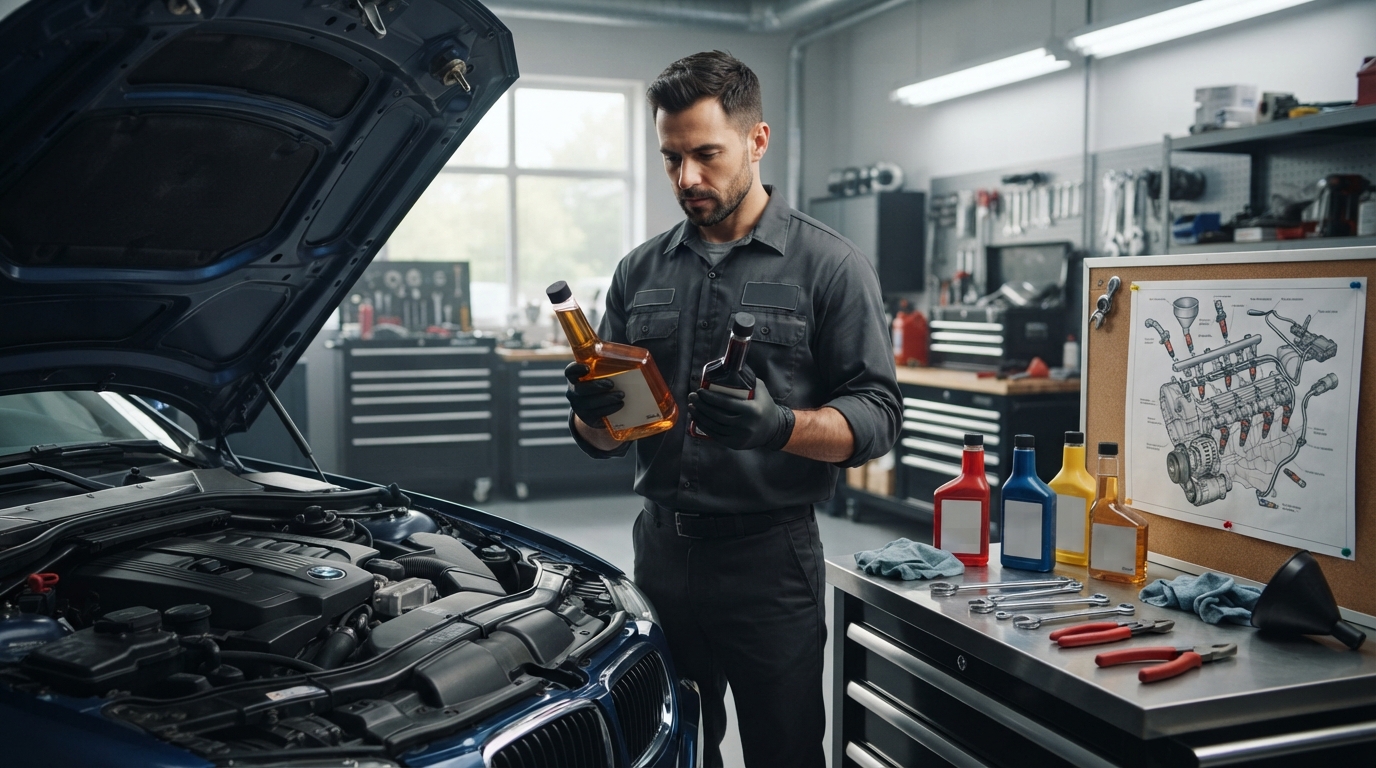
Follow product instructions. Here are safe steps.
- Read the label fully before opening the bottle.
- Add the cleaner to a near-empty tank for best mixing.
- Drive normally for one tank to let the cleaner work.
- Do not mix different strong additives at once.
- Wear gloves and work in a ventilated area when handling concentrates.
Safe use makes the cleaner effective and avoids damage.

Benefits and limitations of fuel injector cleaners
Cleaners help in many ways. They restore idle, improve MPG, and reduce emissions. But they have limits.
- Benefits
- Restores spray pattern and performance.
- Improves fuel economy when injectors are dirty.
- Reduces rough idle and hesitation.
- Limitations
- They cannot fix broken injectors or mechanical faults.
- Heavy carbon may need professional cleaning or replacement.
- Overuse of strong cleaners can harm seals in rare cases.
Know what to expect. Use cleaners as preventive care, not a cure-all.
My experience and practical tips
I used cleaners in cars and on customer vehicles. A few real lessons:
- I saw a 1–2 MPG gain after a good cleaning on a high-mileage car.
- For GDI engines, I switched to a GDI-specific cleaner. It helped intake valve deposits.
- I avoid stacking strong additives. One cleaner at a time works best.
- If the engine still runs rough after treatment, check spark plugs and compression.
These tips come from hands-on work and test drives. They save money and time.

Quick questions answered
Will a fuel injector cleaner fix a misfire?
A cleaner can help if the misfire is from clogged injectors. It will not fix mechanical or ignition problems.
How often should I use the best fuel injector cleaner?
For many cars, one treatment every 6,000 miles is a good routine. Use stronger cleaners only when needed.
Can I use fuel injector cleaner in diesel engines?
No. Use products labeled for diesel. Gasoline cleaners can harm diesel systems.
Frequently Asked Questions of best fuel injector cleaner
What is the best fuel injector cleaner for direct injection engines?
Choose a cleaner labeled for GDI or direct injection. These formulas target intake valve and injector deposits common in GDI engines.
Can fuel injector cleaner damage my engine?
When used as directed, cleaners are safe. Overuse or mixing strong additives can risk seals or sensors in rare cases.
How long does it take for a cleaner to work?
Most cleaners show effects within one tank of fuel. Full results may take two or three tanks for heavy deposits.
How do I know if my injectors are dirty?
Signs include rough idle, reduced fuel economy, hesitation, and black smoke. A shop can test injector spray patterns for confirmation.
Is professional cleaning better than bottle cleaners?
Professional cleaning is stronger and sometimes required for severe carbon build-up. Bottle cleaners are good for prevention and light to moderate deposits.
Conclusion
You can prevent many driveability issues with the right product and routine. Pick a cleaner that fits your engine type and stick to safe use. Start with a trusted option like Chevron Techron if you want a reliable, everyday solution. Try a targeted professional product if you face heavy deposits. Take action now: pick the right cleaner, follow the steps, and monitor your car’s performance. Share your results or ask a question below to learn more.