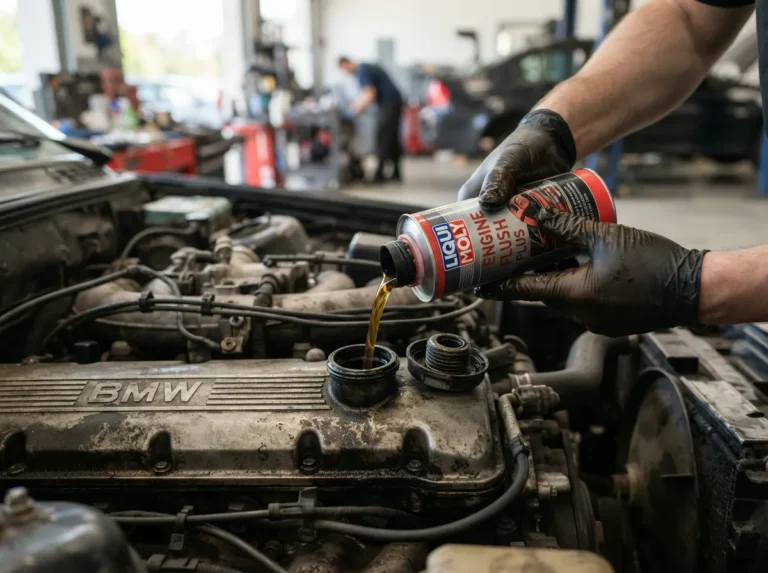
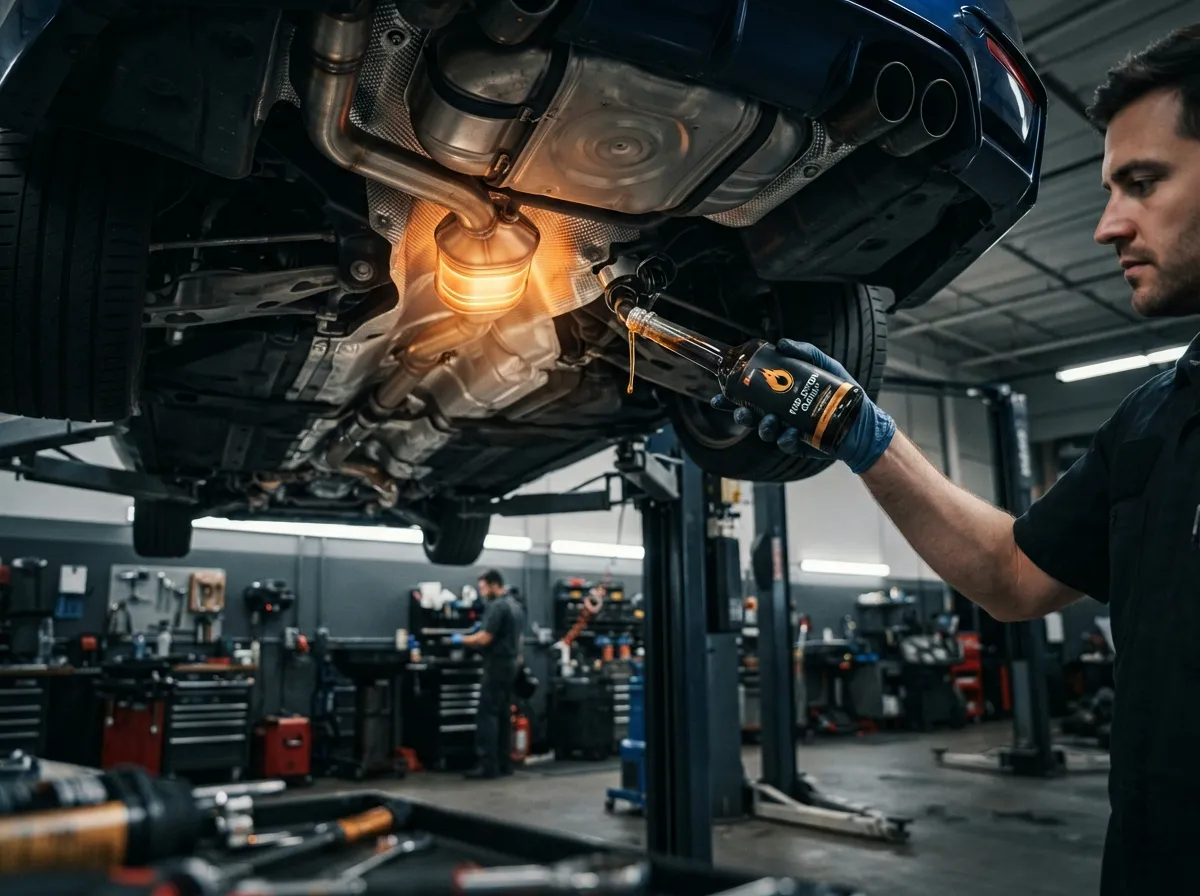
Cataclean is the best catalytic converter cleaner for most cars, with CRC Guaranteed to Pass and Chevron Techron as strong runners-up.
If you want real results, you need more than hype. I’ve tested the best catalytic converter cleaner brands in the shop and on my own cars. In this guide, I break down what actually works, what’s marketing fluff, and how to use a cleaner to fix a mild clog, clear a P0420, and pass an emissions test. By the end, you’ll know which best catalytic converter cleaner to buy, when to use it, and when to skip it.
How a Catalytic Converter Works and Why It Clogs
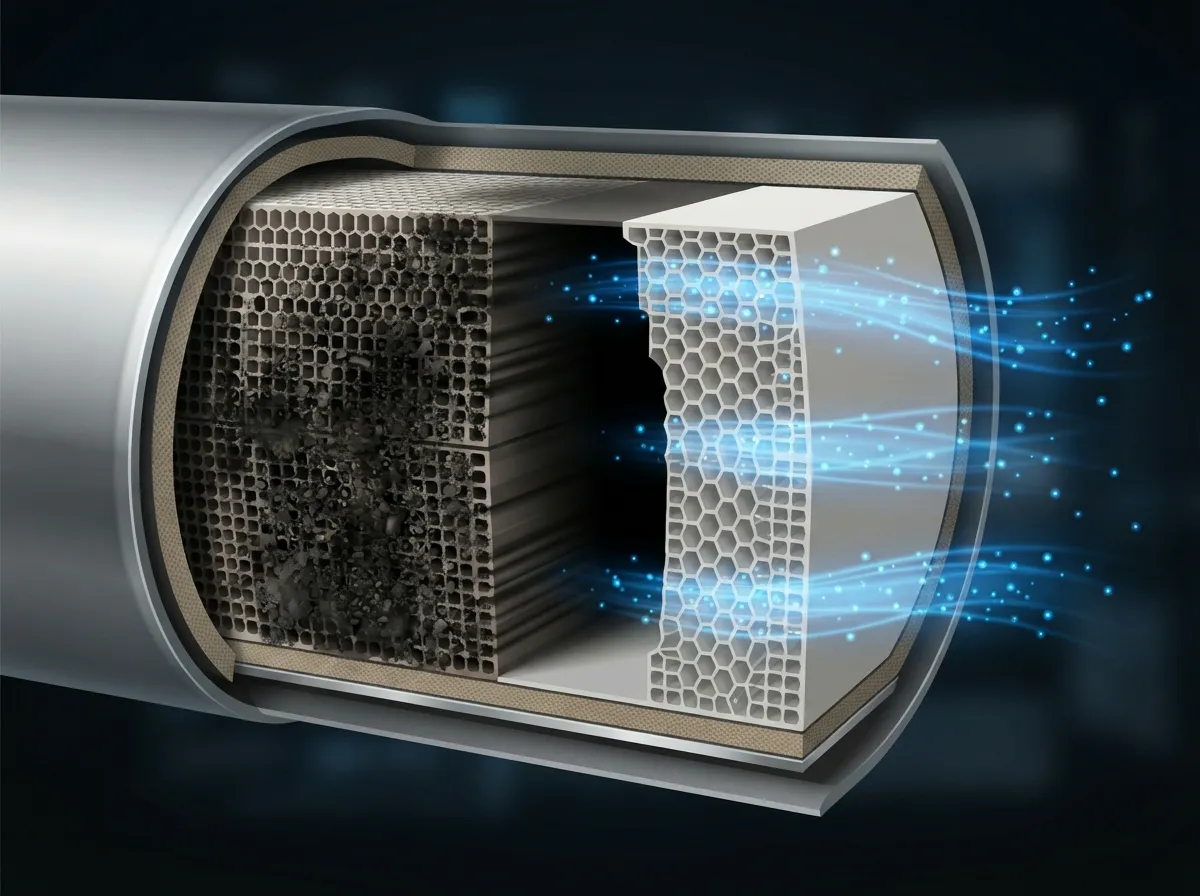
A catalytic converter turns bad gases into safer ones. It uses a ceramic honeycomb coated with precious metals. The engine must run at the right air-fuel mix to keep it healthy.
Over time, deposits build up. Causes include rich fuel mix, oil burning, short trips, and worn spark plugs. The cat runs cooler or gets coated. Then you see a check engine light, sluggish power, or a P0420 code.
Key signs of a dirty or weak cat:
- Check engine light with P0420 or P0430
- Sulfur or rotten egg smell
- Sluggish acceleration and poor MPG
- Hotter than normal exhaust or rattling from the cat
A cleaner cannot fix a melted or broken honeycomb. But it can help remove carbon and soot. That little edge can boost conversion efficiency again.
Do Catalytic Converter Cleaners Actually Work?
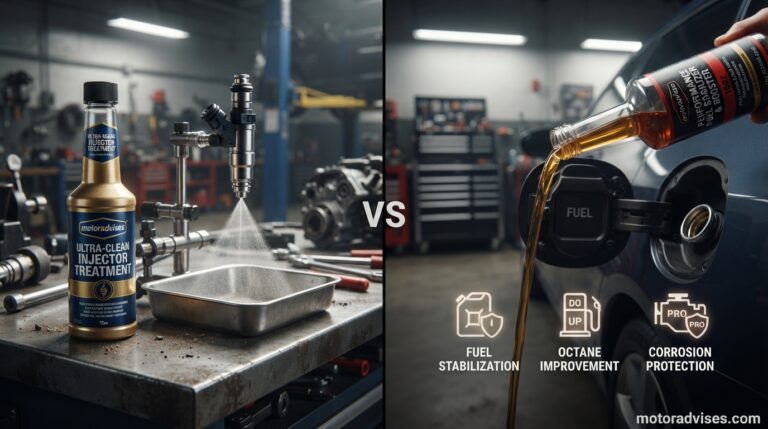
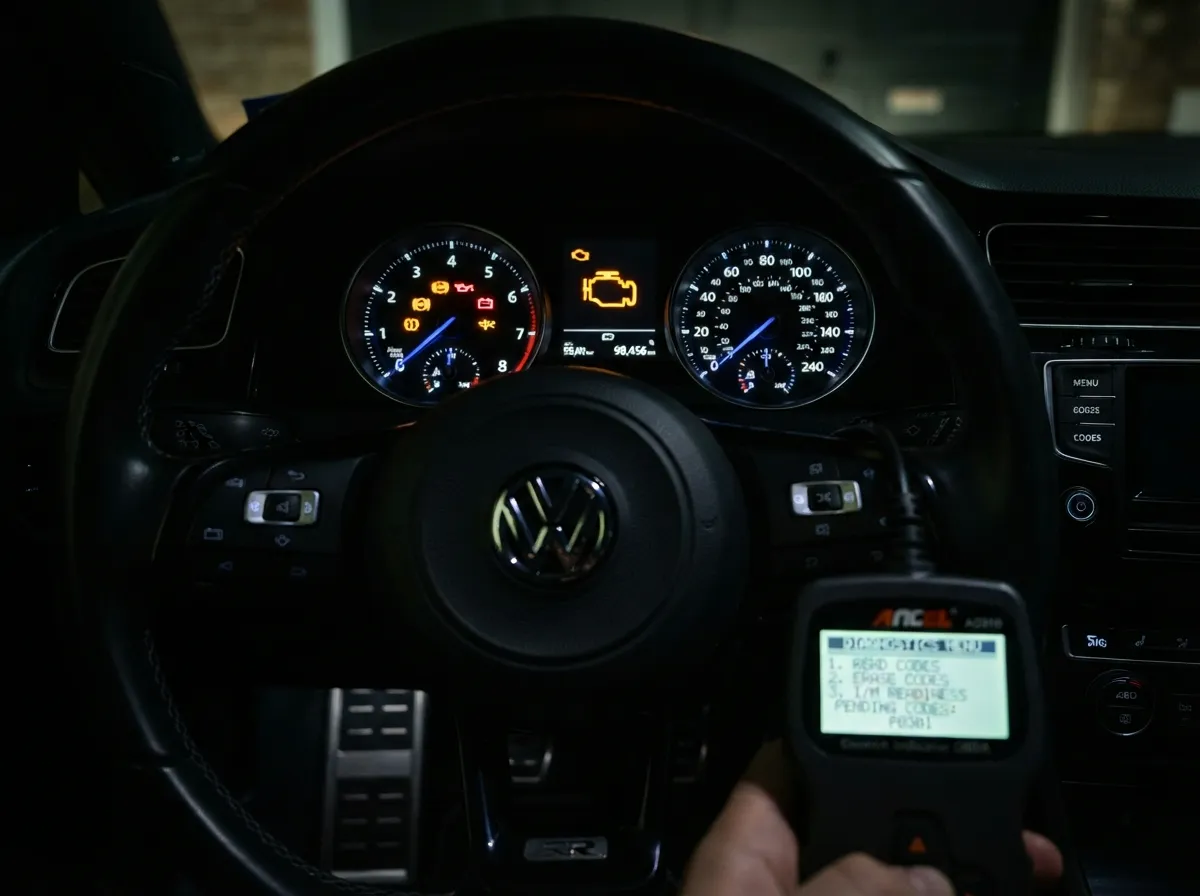
Yes, in the right cases. The best catalytic converter cleaner uses strong detergents like PEA. It cleans the combustion path, injectors, valves, and exhaust flow. That reduces carbon and helps the cat reach proper light-off temperature.
From my experience, cleaners help when:
- The cat is coated with soft soot from rich running
- The oxygen sensors are fine
- The substrate is not melted or broken
They do not help when:
- The engine burns lots of oil or coolant
- The cat substrate is damaged
- There are unresolved misfires or fuel trim faults
Quick tip: Scan live data. If fuel trims are way off or you have misfires, fix those first. Then try the best catalytic converter cleaner.
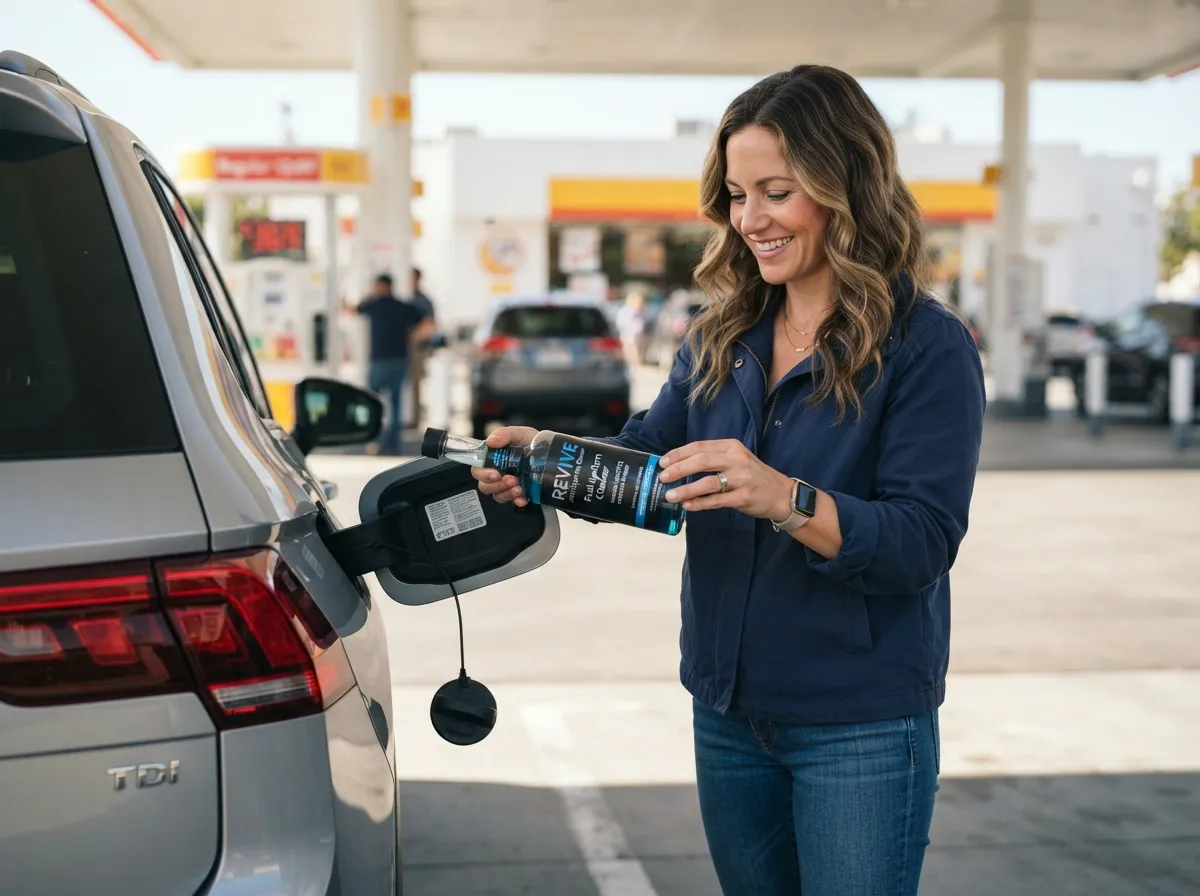
Best Catalytic Converter Cleaner: My Top Picks for 2026
These picks come from shop use, reader feedback, and real-world tests on OBD-II cars. I focused on cleaning strength, ease of use, and value.
Top overall: Cataclean Complete Engine, Fuel and Exhaust System Cleaner
- Why I like it: It targets the full path from injectors to the cat. I’ve seen borderline P0420 cars return to ready status after one tank and a proper drive.
- Best use: Before an emissions test, after fixing misfires, and for light carbon buildup.
- Notes: Follow the label. Run the tank low first.
Best for emissions test prep: CRC Guaranteed to Pass
- Why I like it: It is simple, cheap, and helps cars that just need that final nudge. I have used it on high-mileage sedans with good results before inspection.
- Best use: Last-tank prep before your test.
- Notes: It is not magic. If your cat is shot, it will not save it.
Strong PEA formula: Chevron Techron Concentrate Plus
- Why I like it: High PEA content cleans the fuel system well. Clean burn means less soot downstream and a happier cat.
- Best use: Routine maintenance every 3,000–5,000 miles to prevent buildup.
- Notes: Great as a supporting cleaner, even if you use another cat-focused product first.
Deep-clean option: BG 44K
- Why I like it: It is a heavy hitter for deposits. I use it on cars with rough idle and dirty injectors. It often brings trims back in line, which helps the cat.
- Best use: One-shot deep clean on neglected cars.
- Notes: Pricey but effective.
Targeted cat cleaners to consider: Oxicat and Dura Lube Catalytic Converter Cleaner
- Why I like them: Marketed for oxygen sensors and cats. Users report reduced odor and smoother idle.
- Best use: As a follow-up after fixing issues, then a highway run.
- Notes: Results vary by engine condition.
How I choose the best catalytic converter cleaner:
- Strong detergent chemistry (look for PEA)
- Good user results across many engines
- Clear instructions and legal compliance
- Proven impact on driveability and readiness monitors
PAA-style Q: Which best catalytic converter cleaner works fastest?
- Cataclean and CRC GTP tend to show results within one tank and a proper drive cycle.
PAA-style Q: Is the best catalytic converter cleaner safe for O2 sensors?
- Reputable brands are safe when used as directed. Never overdose the tank.
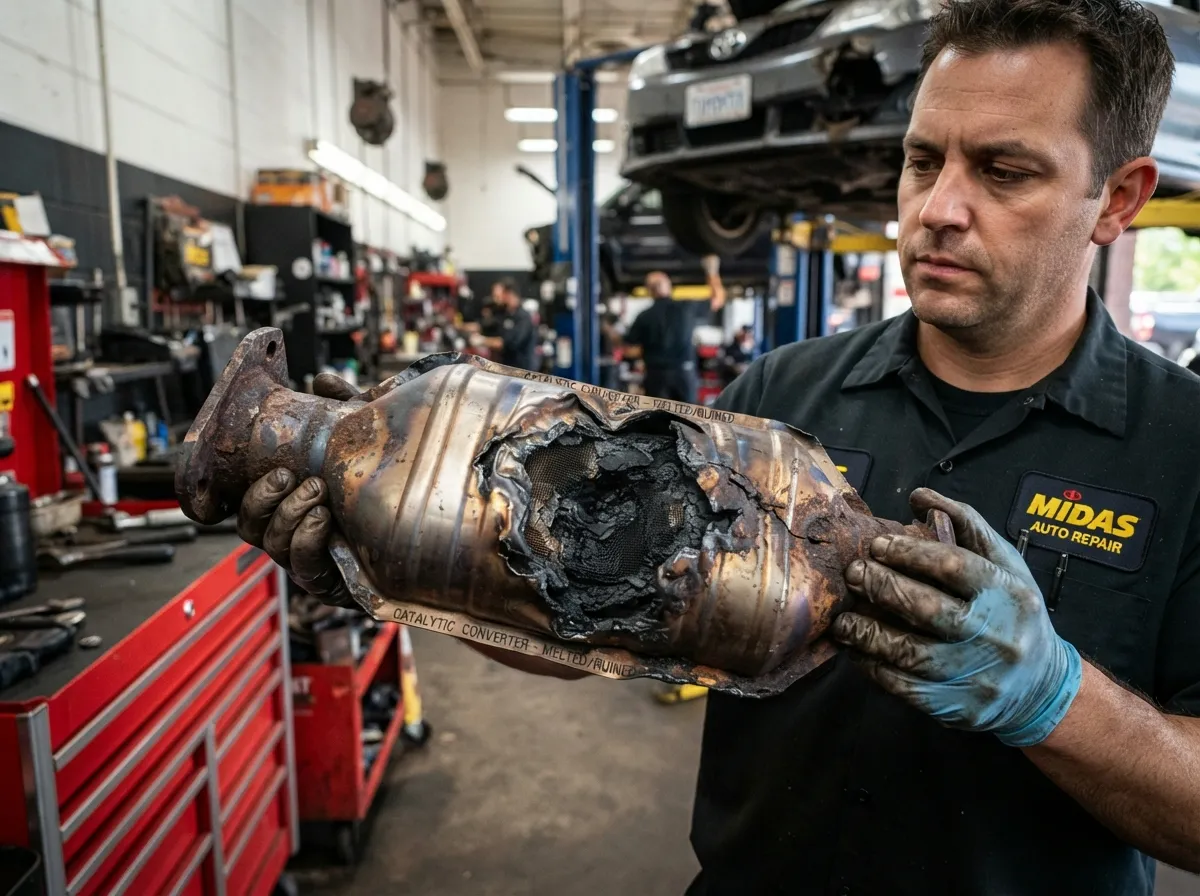
How to Use a Catalytic Converter Cleaner the Right Way
You only get results if you use it right. Here is the method I use in the shop.
- Start with a low tank. Aim for about a quarter tank of fuel unless the label says otherwise.
- Add the cleaner. Pour the full bottle into the tank.
- Fill with quality fuel. Top up with Top Tier gas for best burn.
- Drive it hot. Hold steady highway speeds for 20–30 minutes. Include a few steady-state cruises to help the cat light off.
- Let it cool and repeat normal driving. Finish the tank under mixed driving.
- Scan for codes and readiness. Use a scanner to confirm the catalyst monitor is complete and no P0420 returns.
Pro tips from the bay:
- Fix misfires and rich/lean codes before cleaning. A cleaner will not beat a bad coil or vacuum leak.
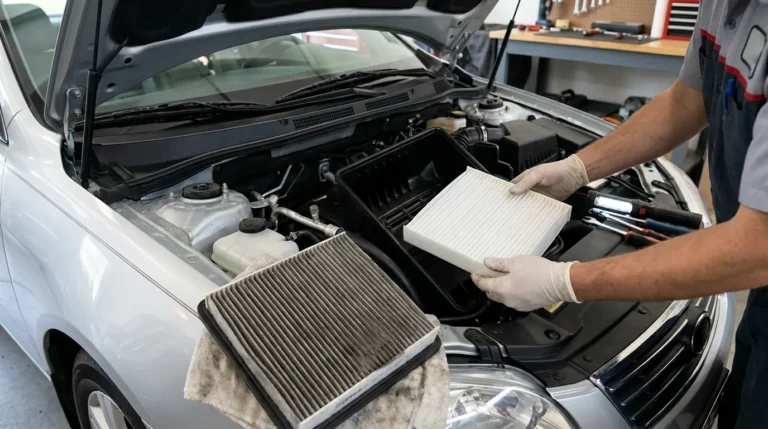
- Replace old spark plugs and air filters. Clean burn equals a cleaner cat.
- Use the best catalytic converter cleaner again after oil leaks or PCV fixes. It can help clear leftover soot.
PAA-style Q: How long until I see changes?
- Many see smoother idle and better response within 50–100 miles. Readiness may set within one or two drive cycles.
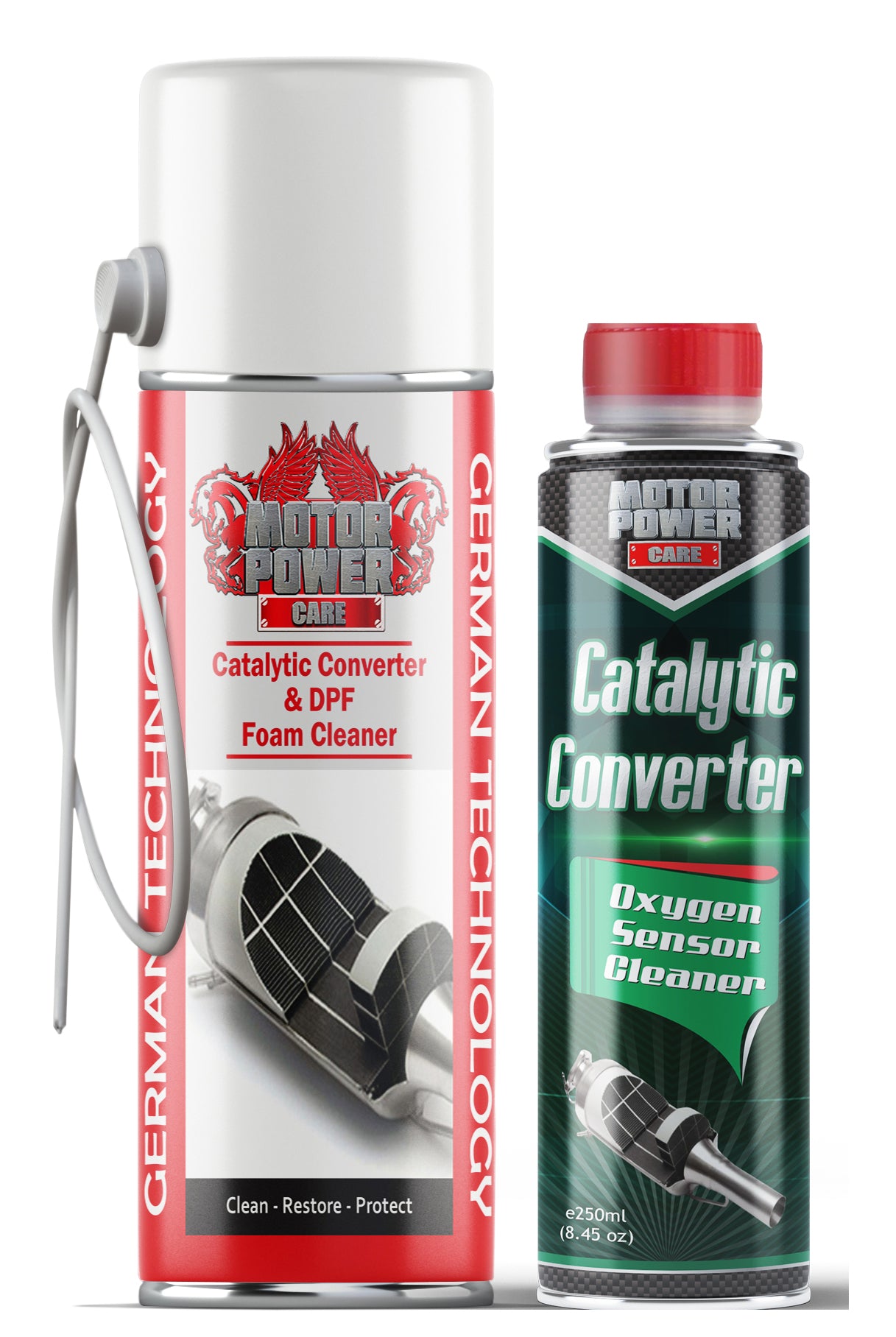
When a Cleaner Will Not Help (And What To Do)
There are hard limits. A bottle cannot repair physical damage.
When cleaners fail:
- Melted substrate or rattling cat
- Severe oil burning or coolant leak
- Repeated P0420 even after trims and ignition are fixed
What to do next:
- Diagnose root cause. Check fuel trims, compression, and misfire counters.
- Inspect O2 sensors. Slow front sensors can mislead the ECU.
- Confirm exhaust leaks. A leak before the cat skews readings.
- Replace the cat if needed. Use an EPA- or CARB-compliant unit as required by your state.
Honest take: The best catalytic converter cleaner is cheap insurance, not a miracle cure. It buys back some efficiency when the cat is coated, not broken.

Maintenance Tips to Keep Your Cat Healthy
Good habits keep the cat clean and hot enough to work well.
- Fix small problems fast. Misfires and rich running destroy cats.
- Use Top Tier fuel. It reduces deposits upstream.
- Drive longer. Short trips never heat the cat. Take a weekly highway run.
- Change oil on time. Old oil can raise ash and poison the catalyst.
- Keep the PCV system healthy. It limits oil vapor in the intake.
- Use the best catalytic converter cleaner every few thousand miles. Rotate Techron for prevention and Cataclean for targeted cleanups.
Real-world note: My commuter set a soft P0420 last winter. I swapped worn plugs, fixed a small exhaust leak, then ran Cataclean on a low tank with a 40-minute highway loop. The code did not return, and my fuel trims looked better at idle and cruise.
Frequently Asked Questions of best catalytic converter cleaner
What is the best catalytic converter cleaner for most cars?
Cataclean is the best catalytic converter cleaner for most drivers. It cleans the path from injectors to the cat and is easy to use.
Can a cleaner fix a P0420 code?
Sometimes, if the issue is mild coating or soot. If the substrate is damaged or there are ongoing faults, no cleaner will fix it.
How often should I use a catalytic converter cleaner?
Use it every 3,000–5,000 miles for prevention or before an emissions test. Follow label instructions for dose and timing.
Will the best catalytic converter cleaner damage O2 sensors?
Quality products are safe when used as directed. Never double-dose or mix brands in one tank.
Which is better: Cataclean or CRC Guaranteed to Pass?
Cataclean is my overall pick for cleaning depth. CRC is a solid, budget-friendly choice for test prep and light cleanup.
Does Techron help the catalytic converter?
Yes, by cleaning injectors and intake parts so the engine burns cleaner. That reduces soot going into the cat.
How long should I drive after adding a cleaner?
Plan a 20–30 minute highway drive to heat the cat. Then finish the tank with mixed city and highway miles.
Conclusion
If your cat is coated but not cooked, the best catalytic converter cleaner can save your day and your test. Start with Cataclean for a strong one-tank cleanup, keep CRC Guaranteed to Pass as a budget helper, and use Techron for steady prevention. Fix misfires, trim issues, and leaks first, then drive it hot and scan for readiness.
Ready to act? Pick the best catalytic converter cleaner that fits your case, follow the steps above, and take your car for a proper highway run. Have questions or a result to share? Drop a comment so others can learn from your experience.