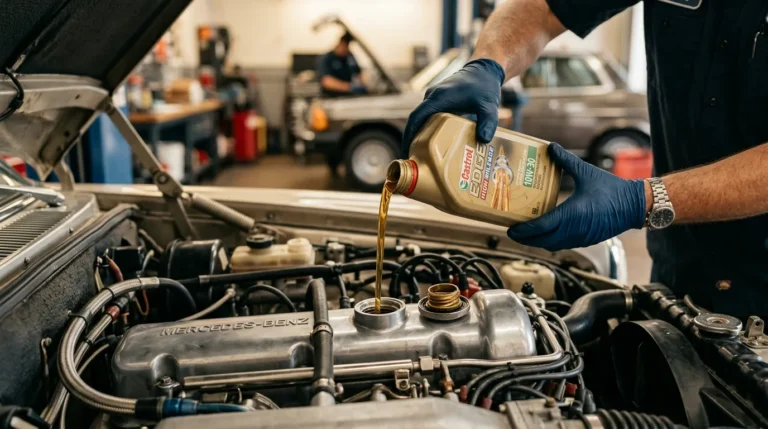
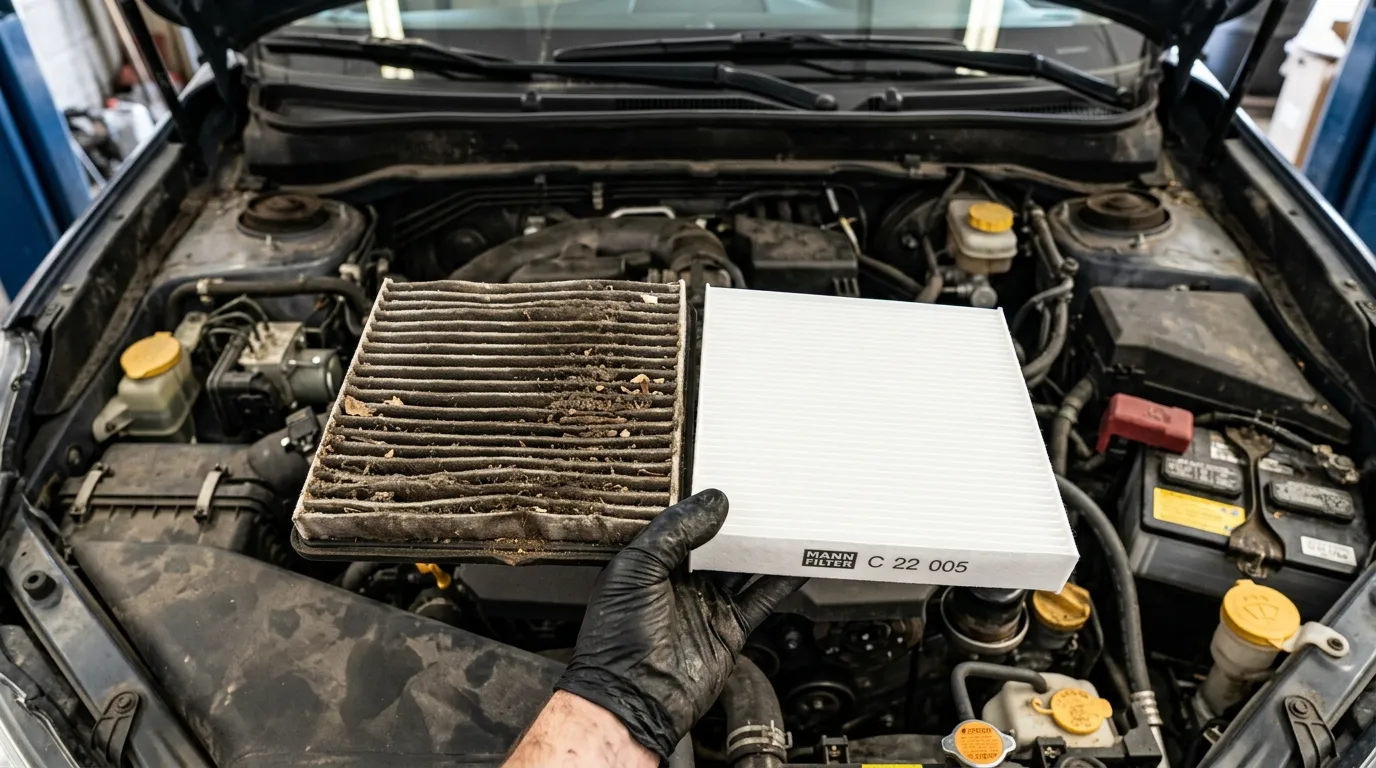
Dirty air filter symptoms often show as reduced airflow, rising energy bills, and poor indoor air quality.
I’ve worked with HVAC systems and indoor air for years, and I’ve seen how small filter issues turn into big problems fast. This article breaks down dirty air filter symptoms clearly. You’ll learn how to spot signs, why they matter, and what to do next. Expect practical checks, step-by-step fixes, and straightforward tips you can use today.
What a dirty air filter is and why it matters
A dirty air filter traps dust, pollen, pet hair, and other particles. Over time, those particles build up and block airflow. A clogged filter forces HVAC systems to work harder. That extra strain raises energy use and wears parts down faster.
Dirty filters also lower indoor air quality. Allergens and particles stay in the air longer. Vulnerable people may have more symptoms like coughing or sneezing. Knowing dirty air filter symptoms helps you act early and avoid costly repairs.
Common dirty air filter symptoms to watch for
These signs often mean the filter is clogged. Check for them quickly and often.
- Reduced airflow from vents. The air feels weak even on high fan settings.
- Higher energy bills. The system runs longer and uses more electricity.
- Uneven heating or cooling. Some rooms stay warmer or cooler than others.
- Short cycling. The HVAC turns on and off too often.
- Strong dust on furniture. Dust returns soon after cleaning.
- Allergy flare-ups. More sneezing, watery eyes, or breathing trouble.
- Strange smells or musty odor. Trapped moisture can cause mildew smells.
- Visible dirt on the filter. Hold it up to light; if light doesn’t pass, it’s dirty.
These dirty air filter symptoms are common and easy to spot. Catching them early saves money. I once ignored weak airflow for weeks and paid for a compressor repair. Lesson learned: change filters on time.
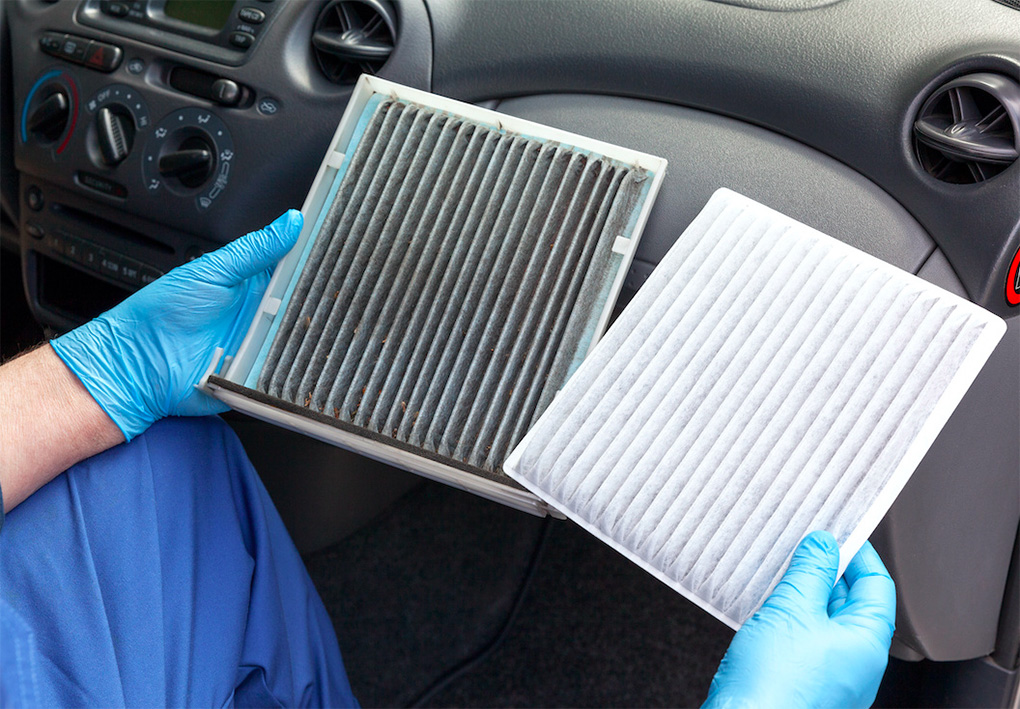
Source: atlantacarcareonline.com
How dirty air filter symptoms affect performance and health
A clogged filter changes how an HVAC system runs. Less air moves through the system. That makes the heater or AC work harder and for longer. Parts heat up and wear out faster.
On the health side, dirty air filter symptoms mean more particles stay indoors. People with asthma, allergies, or weak immune systems feel it first. Even healthy people can get headaches or fatigue from poor air. Clean filters help maintain steady airflow and cleaner air.

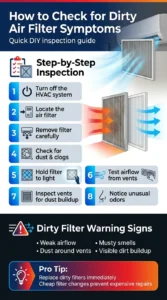
How to check for dirty air filter symptoms — step-by-step
Follow these quick steps to diagnose filter problems.
- Turn off your system. Safety first before inspecting the filter.
- Locate the filter. Check the return grille or the air handler.
- Remove the filter slowly. Look for surface dust and clogs.
- Hold the filter to light. If light can’t pass, it needs changing.
- Inspect airflow at vents. Test with the fan on high to feel strength.
- Check for dust on vents and around registers. That hints at a dirty filter.
- Note any unusual smells when the system runs. Smells often point to trapped debris.
If you find multiple dirty air filter symptoms, change the filter at once. Filters are cheap compared to repairs.
Replacement and cleaning: what actually works
Not all filters can be cleaned. Some are disposable and must be replaced. Others are reusable and can be washed. Know your filter type before you try to clean it.
- Disposable pleated filters
- Replace every 1–3 months based on use.
- Washable electrostatic filters
- Rinse monthly and let dry fully before reinstall.
- High-efficiency HEPA or MERV-rated filters
- Replace per manufacturer instructions; high ratings can restrict airflow in old systems.
If you see many dirty air filter symptoms but cleaning doesn’t fix airflow, the filter may not be the only issue. Ducts, blower motors, or coils might need service. In my experience, replacing a high-MERV filter without checking the fan speed made airflow worse. Choose filters with care.
When to call a pro
Call an HVAC technician if:
- Problems persist after changing the filter.
- You hear unusual noises from the system.
- The unit won’t reach set temperature despite running.
- You smell burning or persistent mildew.
A pro can test airflow, inspect ducts, and check the blower and compressor. They can also recommend the correct filter rating for your system. Regular service prevents more serious failures after dirty air filter symptoms appear.

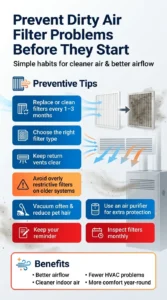
Preventive tips to avoid dirty air filter symptoms
Small habits prevent big headaches. Try these easy steps.
- Set a filter schedule
- Replace or clean filters every 1–3 months.
- Pick the right filter
- Balance filtration and airflow; avoid overly dense filters for older units.
- Keep vents clear
- Don’t block return grilles with furniture.
- Control indoor dust
- Vacuum often and groom pets to reduce hair and dander.
- Use a routine check
- Inspect filters monthly, especially during heavy-use seasons.
- Consider an air purifier
- It helps remove tiny particles that filters can miss.
These steps cut down on dirty air filter symptoms and improve comfort.
Personal experience and practical lessons
I once consulted for a small office with high dust levels. Staff complained of tiredness and headaches. We found a filthy filter and clogged return vents. After a filter change, vent cleaning, and a simple filter schedule, complaints dropped in days. The office also saw lower energy use the next month.
Key lessons I learned:
- Don’t assume a high-rated filter always helps.
- Check filters after a big renovation or heavy pollen season.
- Track filter changes on a calendar or app to avoid forgetting.
These are small steps that prevent big pauses for repair.
Related concepts and terms to know
Knowing a few terms helps you identify dirty air filter symptoms faster.
- MERV rating
- Measures filter effectiveness; higher ratings trap smaller particles.
- HEPA
- High-efficiency filter for critical air cleaning.
- Short cycling
- The system turns on and off too frequently.
- Static pressure
- Resistance to airflow; high pressure hints at clogged filters.
Understanding these terms will help you choose the right filter and spot problems early.
People also ask: brief answers
- How long does a filter last?
- Most disposable filters last 1–3 months. Heavy use or pets shorten that time.
- Can a dirty filter cause system failure?
- Yes. A clogged filter can overwork the system and lead to parts failing.
- Do higher MERV filters reduce airflow?
- Very high MERV filters can reduce airflow in older systems. Check compatibility first.
- Very high MERV filters can reduce airflow in older systems. Check compatibility first.
Frequently Asked Questions about dirty air filter symptoms
What are the first signs of a dirty air filter?
Reduced airflow from vents, rising dust on surfaces, and higher energy bills are common first signs. You may also notice more allergy symptoms.
How often should I change my HVAC filter?
Most filters should be changed every 1–3 months, but busy homes or pet owners may need to change them more often. Check the filter monthly for visible dirt.
Can a dirty filter affect indoor air quality?
Yes. A dirty filter traps fewer particles and lets dust and allergens circulate. This can worsen breathing issues and allergies.
Will replacing the filter fix poor cooling or heating?
Replacing the filter helps most airflow issues, but not all. If problems persist, ducts or system components may need professional inspection.
Can I clean and reuse every filter?
No. Some filters are disposable and degrade if washed. Only clean filters marked as washable and follow the maker’s steps.
Does filter size matter for performance?
Yes. Using the correct size ensures a proper seal and good airflow. A wrong-size filter can let unfiltered air bypass the filter.
Conclusion
Dirty air filter symptoms are often simple to spot and fix. Watch for weak airflow, higher bills, dust buildup, and allergy flare-ups. Inspect filters monthly and follow a clear replacement or cleaning routine. Small, regular actions keep your system running well and your air clean. Try a filter check this week, set a calendar reminder, or talk to an HVAC pro if issues persist — your comfort and wallet will thank you.