Most grinding noises come from worn brakes, bad wheel bearings, or drivetrain damage.
If you want a clear, friendly guide on what would cause a grinding noise when driving, you are in the right place. I have fixed hundreds of these cases in the shop and on the roadside. Below, I explain the sounds, the causes, simple tests, repair costs, and smart next steps.
How the sound helps you diagnose the problem
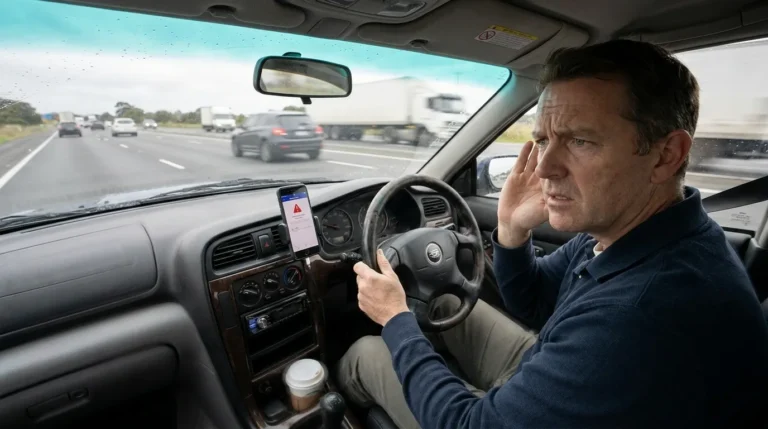
Sounds tell a story. The pattern of the noise explains where to look first. Understanding what would cause a grinding noise when driving starts with when and how the sound shows up.
Use these clues to narrow it down:
- When braking only points to the brake system.
- When turning points to wheel bearings or CV joints.
- When accelerating points to the drivetrain.
- A steady hum that grows with speed points to tires or bearings.
Match what you hear and feel. That simple step often answers what would cause a grinding noise when driving.
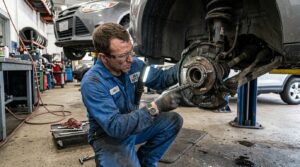
Grinding while braking
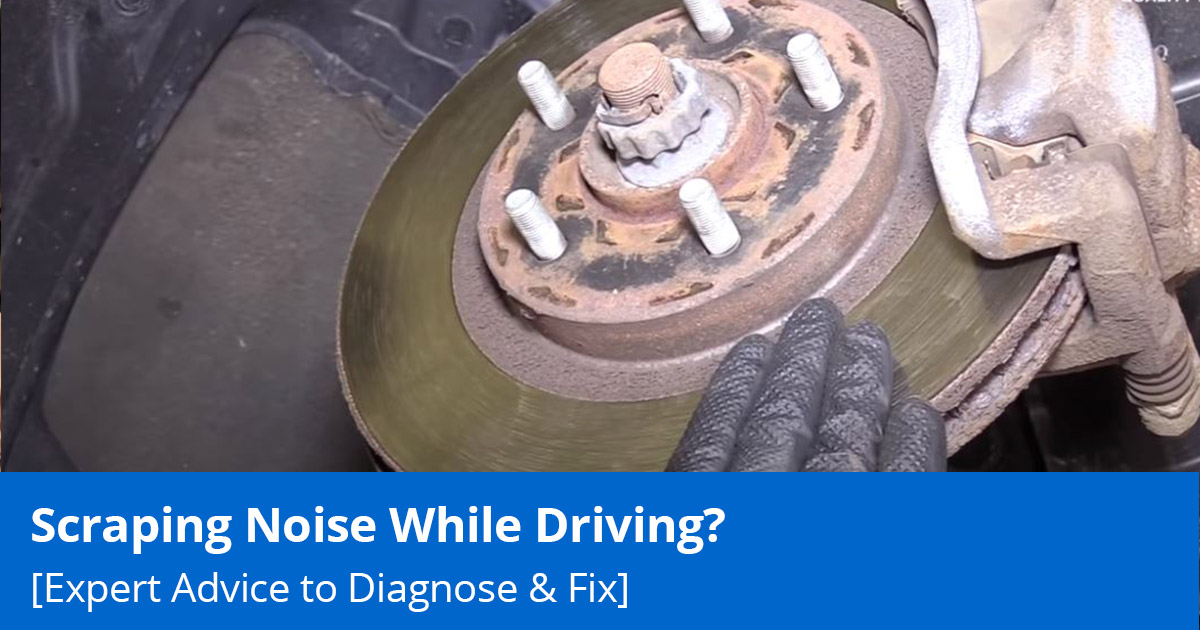
Most times, what would cause a grinding noise when driving under braking is worn brake pads. When pads wear to the metal, the backing plate bites into the rotor. That makes a harsh grind and longer stops. You may feel a rough pedal and see deep rotor grooves.
Other brake-related causes include:
- Pad wear indicators touching the rotor. This starts as a squeal and can turn to grind.
- Rust lip on rotor edges. You hear a brief scrape, often after sitting in rain.
- Stuck caliper or slider pins. One pad wears out fast and grinds under light brake.
- Debris like small stones trapped between pad and rotor. The sound begins after a gravel road.
What to check at home:
- Look through the wheel. If pads look thin, they likely are.
- Run your finger along the rotor face, once it is cool. Deep grooves mean trouble.
- Spin the wheel by hand with the car lifted and secured. Listen for scrape points.
In my shop, I have seen drivers delay a week and turn a simple pad swap into new pads, rotors, and calipers. Debris can also be what would cause a grinding noise when driving after a dirt-road trip. A quick clean can save a set of rotors.
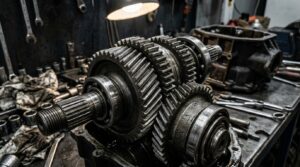
Grinding while turning or at low speed
A bad wheel bearing is often what would cause a grinding noise when driving while turning. It sounds like a dry growl or a low rumble. The sound may change when you steer left or right. It often gets louder with speed and can cause a slight vibration.
Other steering or cornering causes:
- Worn CV joint. You may hear a click on sharp turns at low speed, and a grind when very worn.
- Bent or rubbing dust shield behind the rotor. It can scrape the rotor with a light grind.
- Loose lug nuts or warped wheel. This can grind and shake. This is unsafe, so check fast.
- Rock stuck behind the rotor. It makes a strong, steady grind until removed.
Home tests I trust:
- The 12-and-6 wiggle test on the wheel. Play can mean a bad bearing.
- A safe swerve test in an empty lot. If it gets louder turning right, the left bearing may be bad, and the other way around.
- Remove the wheel and push the backing plate by hand. If it hits the rotor, bend it back a little.
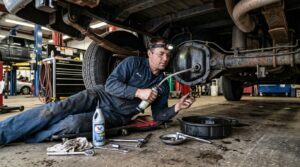
Grinding while accelerating or at highway speed
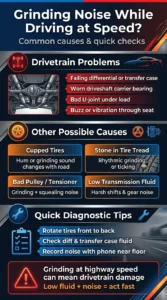
If you ask what would cause a grinding noise when driving at speed, think drivetrain first. A failing differential or transfer case can whine, then grind. A worn driveshaft carrier bearing or universal joint can grind under load. You may feel a buzz through the seat.
Other speed-related suspects:
- Cupped tires. They hum or grind, and the sound changes with road type.
- Stone lodged in tire tread. It can sound like a grind with a rhythmic tick.
- Worn engine or accessory pulleys. A bad idler or tensioner can grind and squeal.
- Low transmission fluid. It can cause harsh shifts and gear noise.
Tips that help:
- Move tires front to back. If the noise moves, the tires are likely the cause.
- Check differential and transfer case fluid levels. Low fluid means risk.
- Use a phone recording near the floor. Speed-based noises often show clear patterns in a clip.
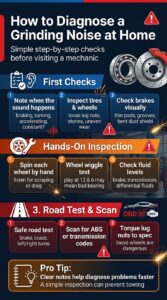
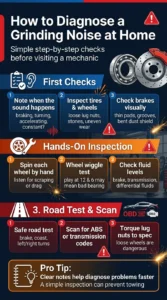
How to diagnose at home, step by step
To figure out what would cause a grinding noise when driving, use this simple and safe plan. Do only what you feel safe doing. When in doubt, get help.
- Note when it happens. Braking, turning, accelerating, or all the time.
- Check tires and wheels. Look for loose lug nuts, stuck stones, or uneven wear.
- Look at the brakes. Pad thickness, rotor grooves, and bent dust shields.
- Spin each wheel by hand. Listen for scraping, roughness, or drag.
- Do the wheel wiggle test. Any play at 12-and-6 may point to a bearing.
- Road test in a safe area. Gently brake, coast, turn left and right, and record the sound.
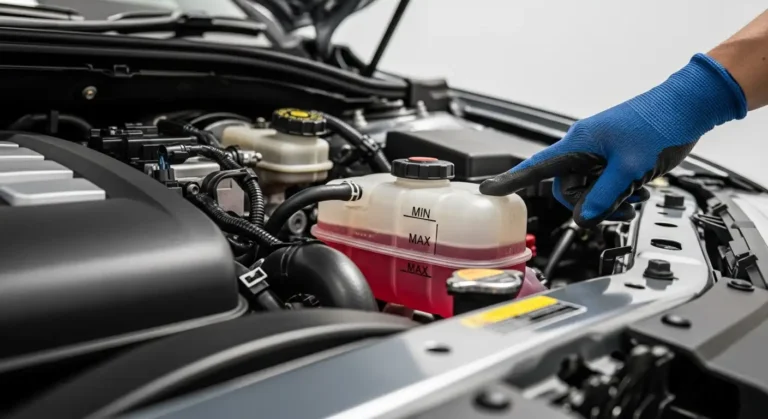
- Check fluids. Brake, transmission, differential, and transfer case, as fitted.
- Scan for codes if you can. Some ABS or transmission faults can explain the noise.
- Torque lug nuts to spec. Loose wheels can grind and are a major danger.
These steps have helped many of my clients avoid towing. Take clear notes. A good note log helps a tech confirm what would cause a grinding noise when driving in minutes.
Risks of ignoring a grinding noise
Grinding points to hard parts rubbing. That makes heat and damage fast. Leaving what would cause a grinding noise when driving unsolved can turn a small job into a big one.
Common risks:
- Metal-to-metal brakes chew rotors and overheat calipers. You lose stopping power.
- A failing wheel bearing can seize or let the wheel tilt. You can lose control.
- A worn CV joint can break and leave you stranded.
- A low or failing differential can lock up. That can cause a skid.
I have seen a simple pad job of a few hundred dollars turn into a multi-thousand-dollar repair in two weeks. Early action saves money and keeps you safe.
Source: 1aauto.com
Repair costs and when to see a mechanic
Know the ballpark before you go. Prices vary by vehicle, region, and parts.
Typical ranges in the US:
- Brake pads and rotors per axle cost between 250 and 700 dollars.
- Calipers add 150 to 400 dollars each.
- Wheel bearings or hub assemblies cost between 250 and 600 dollars per wheel.
- CV axles cost between 200 and 600 dollars each.
- Differential or transfer case repairs vary. Fluid service costs 100 to 250 dollars. Rebuilds can reach 1,000 dollars or more.
Get help now if:
- The wheel feels loose or very hot after a short drive.
- The noise is very loud and comes with pulling or shaking.
- You see brake fluid leaks or smell burning.
- A dashboard light for ABS, brake, or transmission is on.
Document what would cause a grinding noise when driving and share the notes and clips with your tech. It speeds up the fix and saves labor time.
Preventive maintenance tips
Small habits prevent big bills. Staying ahead of what would cause a grinding noise when driving starts with simple checks and kind driving.
Do these on a schedule:
- Inspect brakes and rotate tires every 5,000 to 7,500 miles.
- Replace brake fluid every 2 to 3 years.
- Check wheel bearings during tire rotations.
- Service differential and transfer case fluids per the owner’s manual.
Drive smart:
- Avoid hard stops when you can.
- Rinse brakes and wheels after beach or gravel trips.
- Slow for deep puddles. Water can flash-rust rotors.
In my experience, these simple habits cut grinding complaints by more than half over a year.
Frequently Asked Questions of what would cause a grinding noise when driving
Is it safe to drive with a grinding noise?
Not for long. Grinding means metal parts touch, and that can lead to heat, failure, and loss of control. Get it checked as soon as you can.
Can new brakes still make a grinding noise?
Yes, for a short time. New pads can rub light rust on rotors and make a brief grind. If it lasts more than a day or two, get a check.
How do I tell if it is a wheel bearing or brakes?
Bearings grind or hum with speed and change when you steer. Brakes grind when you press the pedal and often leave rotor grooves.
Could tires cause a grinding sound?
Yes. Cupped or feathered tires can hum or grind. Rotate the tires and see if the sound moves.
Will low transmission fluid cause grinding?
It can. Low fluid can cause gear clash, harsh shifts, and noise under load. Check and fill to spec, then diagnose further.
What if the grinding only happens after rain?
Surface rust on rotors can cause a short grind on the first few stops. If it keeps going, have the brakes inspected.
Should I tow the car if the noise is very loud?
Yes, if the wheel feels hot, the car pulls, or the steering shakes. Towing avoids more damage and keeps you safe.
Conclusion
You now know what would cause a grinding noise when driving and how to act fast. Map the sound to the moment, do simple checks, and fix small issues early. That saves money and keeps you safe on the road.
If you hear a grind today, use the steps above, record the noise, and book a check. Want more clear car guides like this? Subscribe, share this with a friend, or drop your question in the comments.