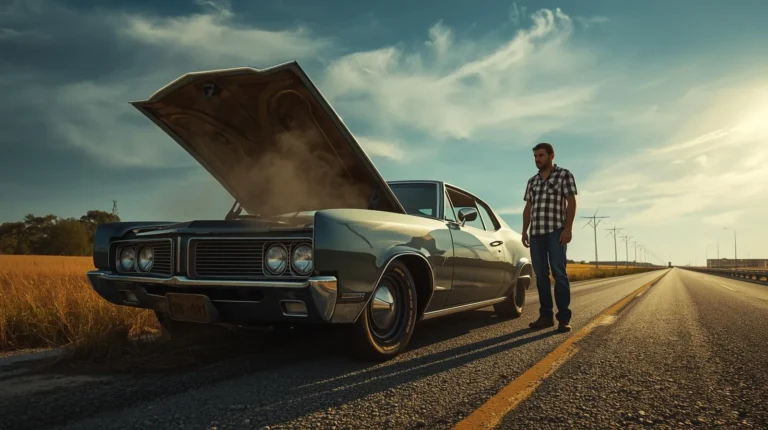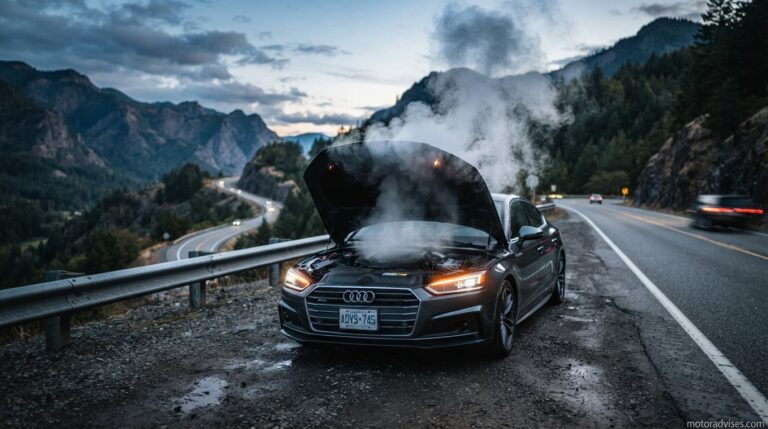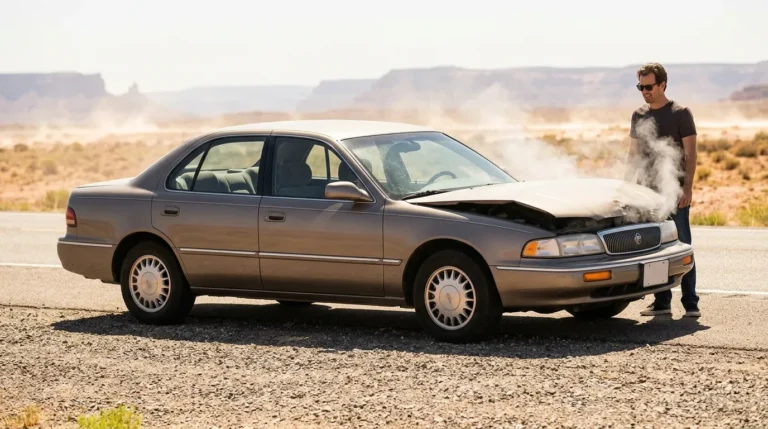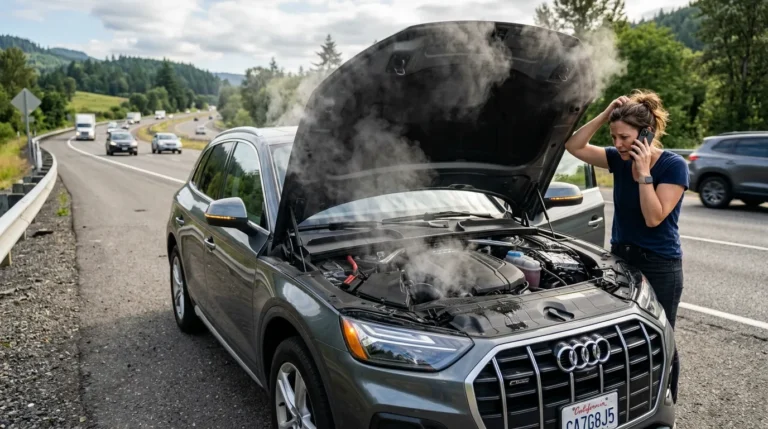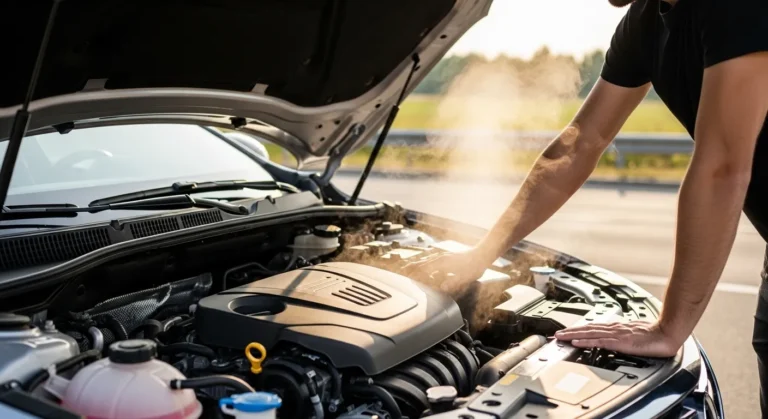
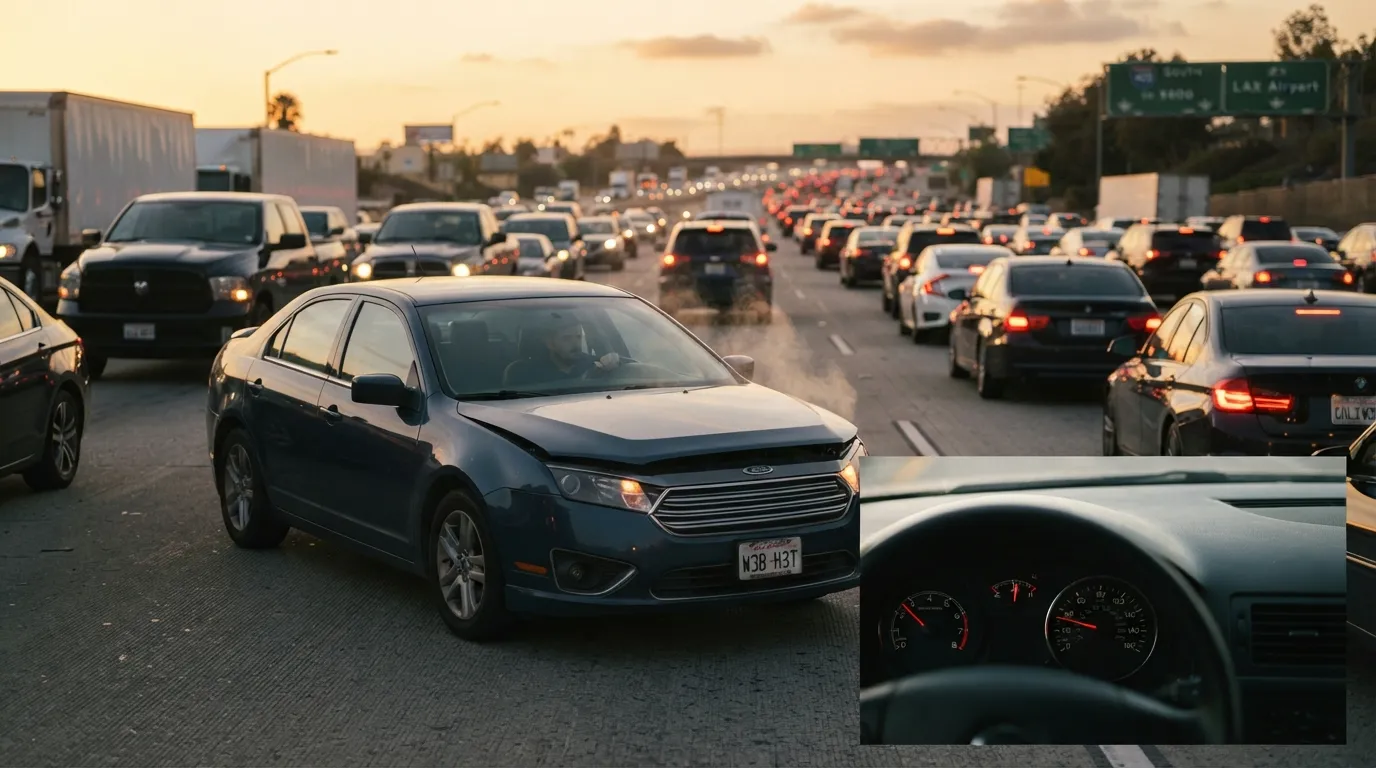
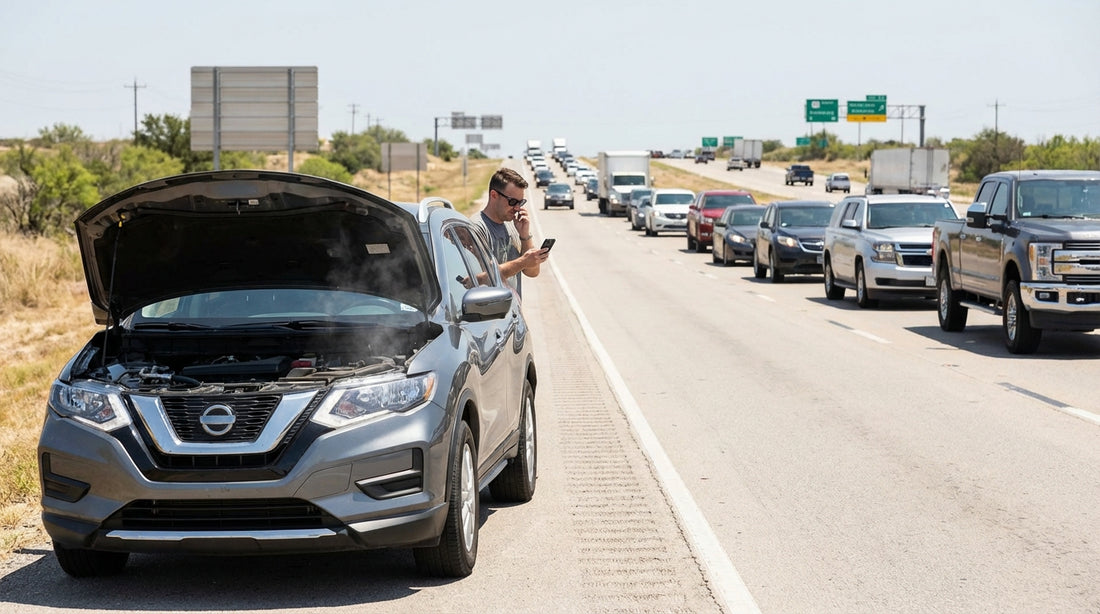
Car overheating in traffic often happens from low coolant, blocked airflow, or failed fans.
I’ve spent years fixing and diagnosing cars, and I know how stressful a stalled temperature gauge can be when you’re stuck in stop-and-go traffic. This article explains why car overheating in traffic occurs, how to spot it fast, what to do immediately, and how to prevent it. Expect clear steps, real-world tips from my experience, repair cost ranges, and easy maintenance actions you can use today to avoid a hot engine on your next commute.
What car overheating in traffic means and why it matters
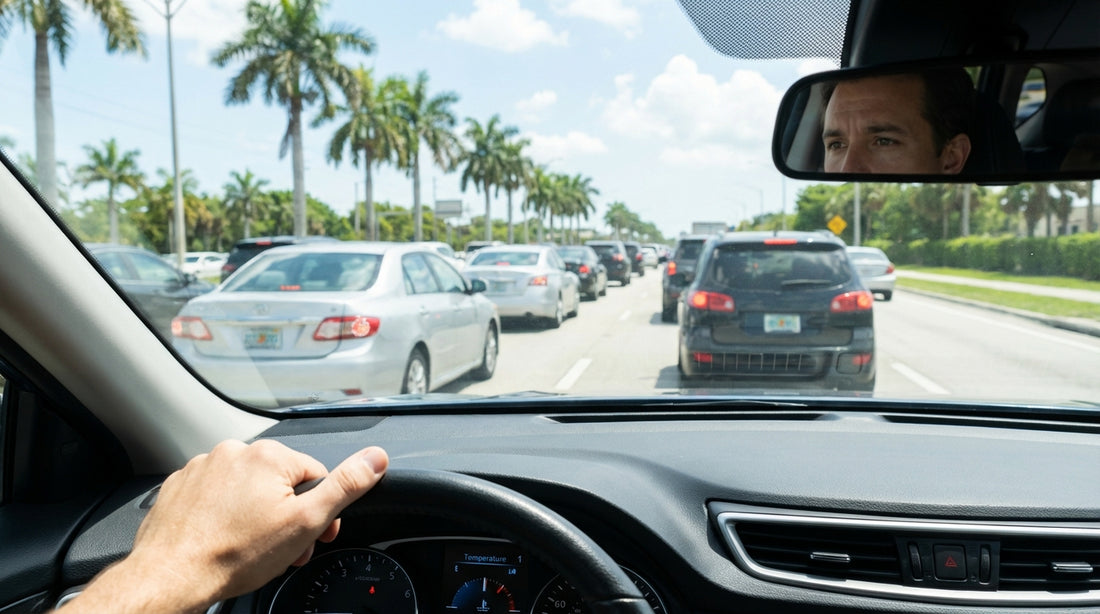
Car overheating in traffic refers to an engine running hotter than normal while idling or moving slowly. Heat builds up faster than the cooling system can remove it. This risks warped heads, blown gaskets, and costly repairs. Understanding the causes helps you act fast and protect your engine.
Common causes of car overheating in traffic
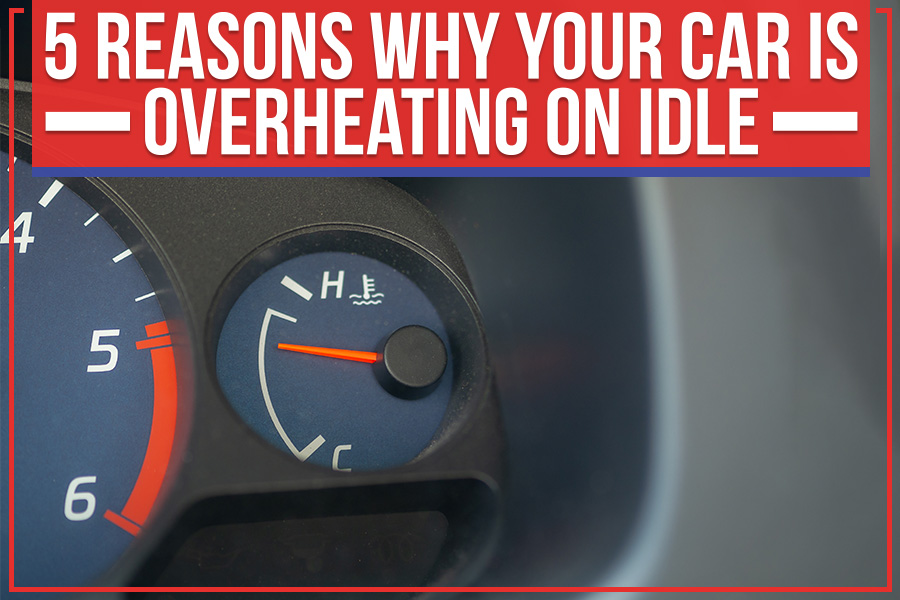
Traffic makes some problems worse. These common issues often trigger car overheating in traffic:
- Low coolant level allowing air pockets and poor heat transfer.
- Coolant leaks from hoses, the radiator, or the water pump.
- Stuck thermostat preventing coolant flow.
- Faulty electric cooling fan or fan relay that won’t run at idle.
- Clogged radiator fins or internal blockages reducing airflow and coolant flow.
- Worn or slipping accessory belt that stops the water pump from spinning properly.
- Heavy AC use adding engine load and raising under-hood temperature.
- Old or contaminated coolant that loses its boiling and freezing protection.
- Engine oil low or past service interval, reducing heat transfer and lubrication.
- Design limits on small radiators in hot weather or steep grades combined with long idling.
Signs your car is overheating in traffic
Spotting overheating early prevents damage. Watch for these clear signs of car overheating in traffic:
- Rapidly rising temperature gauge or flashing dash warning light.
- Steam or white smoke coming from under the hood.
- Strong sweet or rotten-egg smell from coolant or a hot electrical odor.
- Reduced engine power, stalling, or erratic idle.
- Heater output suddenly very hot or very cold, depending on coolant flow.
- Visible coolant puddles under the car once you can safely inspect.

Immediate steps to take when your car is overheating in traffic
Act quickly but stay safe. Follow these steps if you notice your car overheating in traffic:
- Pull over safely and turn off the engine if temperature stays in the red.
- Turn the heater on full blast and the fan to high—to draw heat from the engine bay into the cabin.
- Open the hood only after the engine cools slightly; hot steam or explosions can injure you.
- Check coolant level when safe; add coolant or water only if you have the right mixture and the system is cool.
- Do not remove the radiator cap while the engine is hot; wait until it has cooled.
- Call roadside assistance if you cannot restore normal temperature or if you spot a major leak.
Following these steps helps limit damage while you wait for help or drive to a safe repair location.

Preventive maintenance to avoid car overheating in traffic
Good maintenance reduces the chance of overheating during rush hour. Key preventive steps:
- Check coolant level monthly and top with the correct coolant mix.
- Inspect radiator hoses and clamps for cracks, bulges, or softness.
- Replace the thermostat at scheduled intervals or after overheating events.
- Flush the cooling system every 2–4 years or per manufacturer guidance.
- Test electric fan operation and replace relays or fan motors when weak.
- Clean radiator fins and remove debris to maintain airflow.
- Replace old coolant and belt components on schedule.
- Maintain engine oil and filter for proper heat management.
- Consider a heavy-duty radiator or extra fan for hot climates or heavy towing.

How mechanics diagnose car overheating in traffic
When you take a car that overheats in traffic to a shop, a mechanic will run basic tests:
- Pressure test the cooling system to find external leaks.
- Inspect radiator core and hoses for internal blockages or collapse.
- Check thermostat operation and replace if it fails to open at the right temp.
- Test fan motor, fan clutch, and relays for proper operation at idle.
- Check water pump for bearing play or internal failure.
- Scan for engine codes that indicate head gasket issues or sensor faults.
- Perform a combustion leak test when head gasket failure is suspected.
These steps pinpoint the root cause so repairs fix the real problem.
Typical repairs and cost ranges for overheating issues
Costs vary by vehicle and labor rates. Typical repairs for car overheating in traffic include:
- Coolant flush and refill: low to moderate cost and often first step.
- Thermostat replacement: commonly $100 to $300.
- Water pump replacement: commonly $300 to $800 depending on labor.
- Radiator replacement: commonly $300 to $1,200 for parts and labor.
- Radiator hose replacement: commonly $50 to $200 for parts and labor.
- Electric fan or relay replacement: commonly $100 to $400.
- Head gasket repair or cylinder head work: can exceed $1,000 and be much higher.
Expect diagnostic fees in addition to repair costs. Exact prices depend on your car model and local shop rates.

Related concepts: why traffic makes overheating worse
Traffic adds stresses that reveal weak cooling systems. Key concepts to know:
- Reduced airflow — at idle or slow speed, the radiator gets less natural air, so electric fans must compensate.
- Heat soak — repeated high engine temperature cycles cause parts to retain heat and raise baseline temperature.
- Load from accessories — AC compressors and heavy electrical loads add heat at low speeds.
- Thermal expansion — repeated overheating can warp metal parts and cause slow leaks or gasket failure.
Understanding these helps you choose preventive upgrades or driving habits to reduce risk.
Practical tips and personal experience with car overheating in traffic
I once had a compact car overheat on a 100-degree afternoon in a long traffic jam. The gauge climbed while the fan never kicked in. I turned the AC off, turned the heater on, and coasted to the shoulder. That quick action saved the head gasket. From that day I keep a small bottle of coolant, a portable fan, and a basic toolkit in the trunk.
Lessons I learned you can use:
- Keep coolant and oil up to date and inspect hoses regularly.
- Listen for fan operation at idle during warm days.
- Avoid extended idling with AC if your car tends to run hot.
- Know where your spare coolant and tools are stored.
These small habits often prevent a costly breakdown.
People also ask
What should I do first if my car is overheating in traffic?
Pull over when safe, turn off the engine if the gauge stays red, and turn the heater on high to pull heat away from the engine.
Can driving with an overheating engine cause permanent damage?
Yes. Continued driving while overheating can warp heads, crack the block, or blow the head gasket, resulting in expensive repairs.
Why does my car overheat only in traffic and not on the highway?
At highway speed, airflow cools the radiator. In traffic, reduced airflow and increased idle load expose weak fans, low coolant, or clogged radiators.
Will turning on the heater help when my car is overheating?
Yes. The heater core acts as a small radiator and can reduce engine temperature by moving heat into the passenger cabin.
How long can I drive if the car overheats in traffic?
You should avoid driving further if the temperature gauge stays high; driving even a short distance can cause major damage.
Frequently Asked Questions about car overheating in traffic
Why does the temperature gauge rise only in stop-and-go traffic?
Your radiator gets less natural airflow at low speeds, so the engine relies on electric fans. If the fan or coolant flow is weak, temperature rises in traffic but stays normal on the highway.
Can a bad thermostat cause overheating only in traffic?
Yes. A thermostat stuck closed will prevent coolant circulation at all times, but symptoms can be more obvious in traffic when heat load increases and airflow drops.
Is it safe to add water instead of coolant during an emergency?
You can use water in an emergency to prevent immediate overheating, but you need proper coolant later. Water lacks corrosion protection and proper boiling point for long-term use.
How do I know if the coolant is old or degraded?
Old coolant may look rusty, sludgy, or have particles. It may also smell burnt. Follow the manufacturer schedule and replace coolant if it looks contaminated.
Should I continue driving to a mechanic if my car overheats in traffic?
No. Continuing to drive with high temperature risks severe engine damage. Pull over, let the engine cool, and call for help or tow to a repair shop.
Conclusion
Car overheating in traffic is common but avoidable with basic checks and quick action. Keep coolant and oil maintained, watch your temperature gauge, and respond immediately if heat builds. Use the practical steps and prevention tips here to protect your engine and avoid expensive repairs. If you’ve experienced this, share your story below or subscribe for more car-care tips and step-by-step guides.