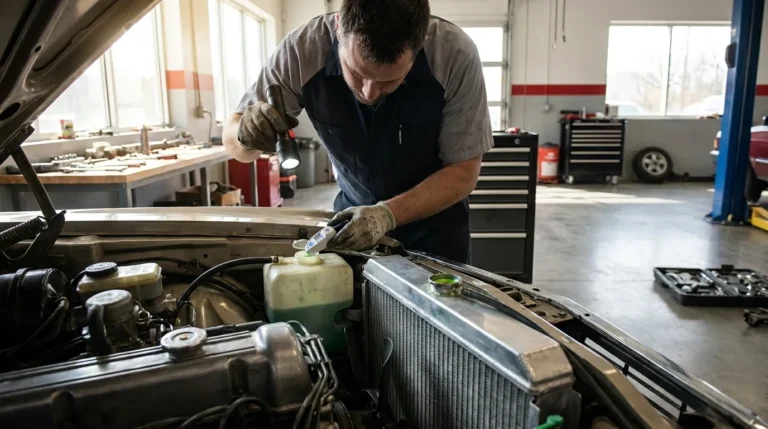
Common radiator leak symptoms include coolant loss, overheating, sweet smells, and visible drips.
If you suspect a leak, you are in the right place. I’ve diagnosed hundreds of cooling issues in daily drivers and work trucks. In this guide, I break down radiator leak symptoms, why they happen, how to confirm them, and what to do next. Stick with me and you will leave with clear steps you can use today.
How your radiator and cooling system actually work
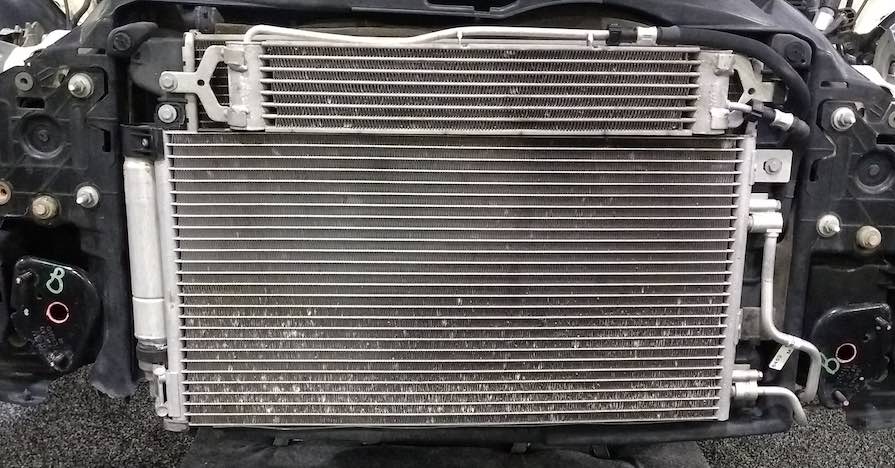
Your radiator pulls heat out of the engine. Coolant flows through the engine, absorbs heat, and returns to the radiator. Air and fans cool it down. The radiator cap holds pressure to raise the boiling point. Hoses carry coolant to and from the engine and heater core.
When any part leaks, pressure drops. Coolant escapes. Temperatures rise fast. That chain is what turns small drips into big repairs.
Common radiator leak symptoms
Radiator leak symptoms can be clear or sneaky. Here is what to look for first.
- Low coolant level in the reservoir. You top it up and it drops again.
- Temperature gauge climbs higher than normal. It may spike at stops.
- Warning light for hot engine or reduced power mode.
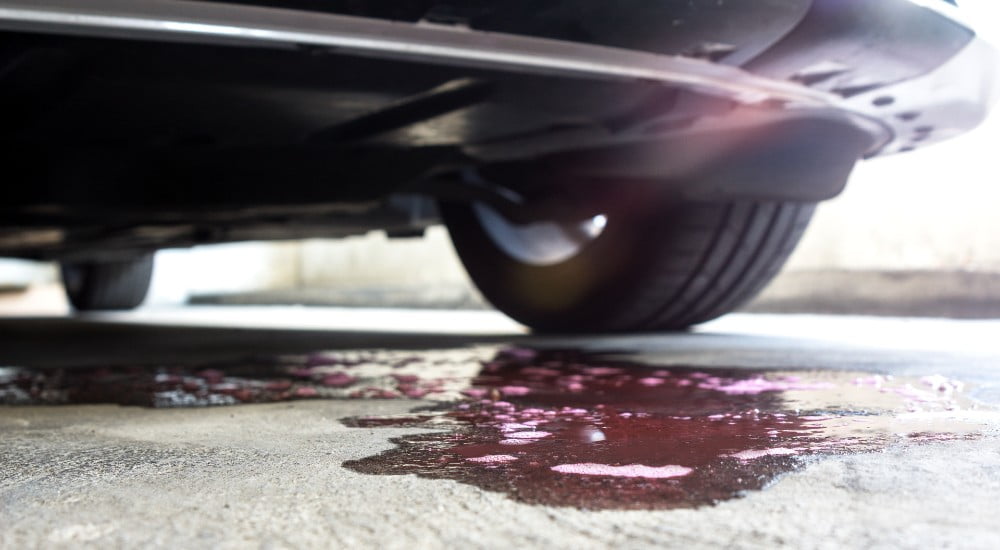
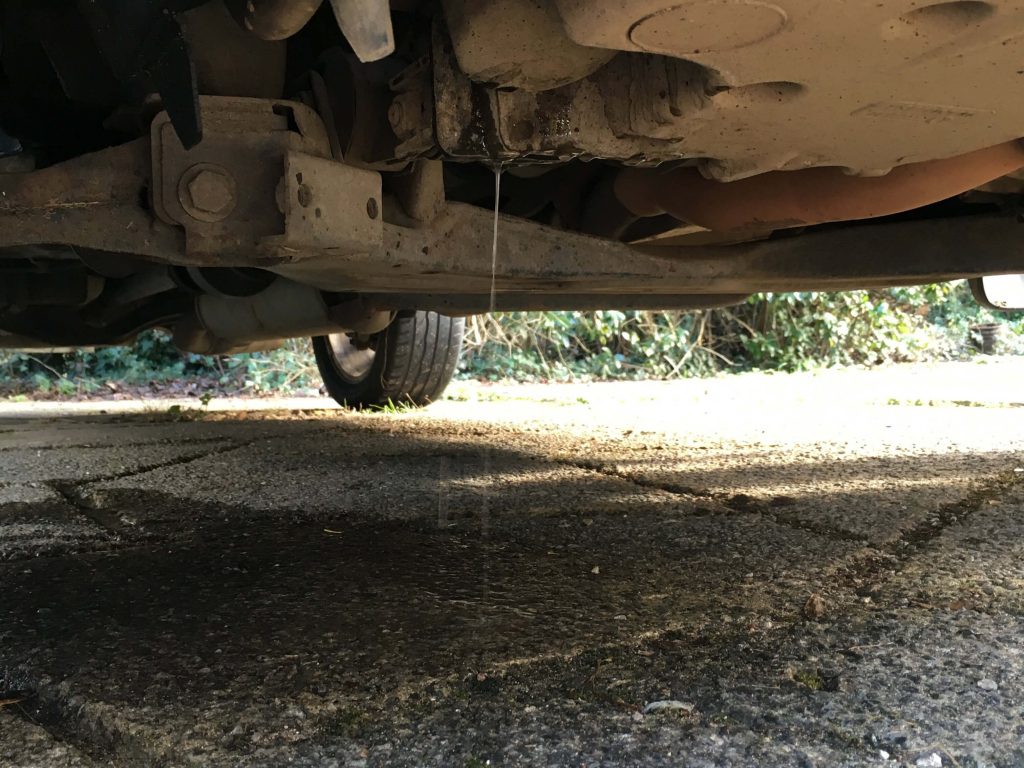
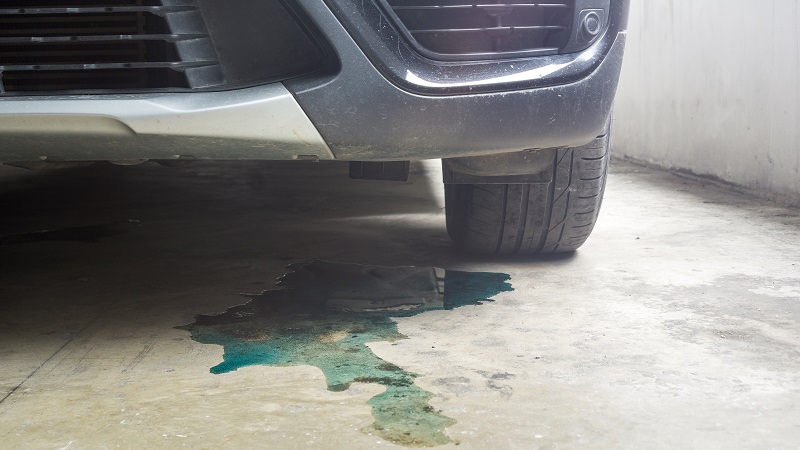
- Puddle under the front of the car. It may be green, orange, pink, or blue.
- Sweet, maple-like smell from the engine bay or vents. That is antifreeze.
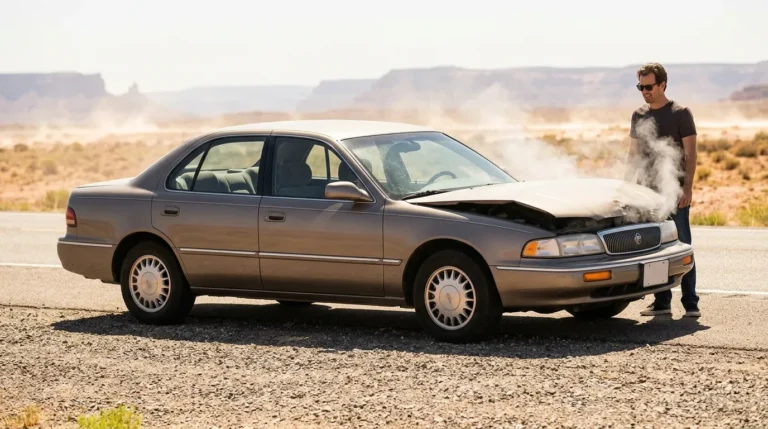
- Steam or light smoke from under the hood after a drive.
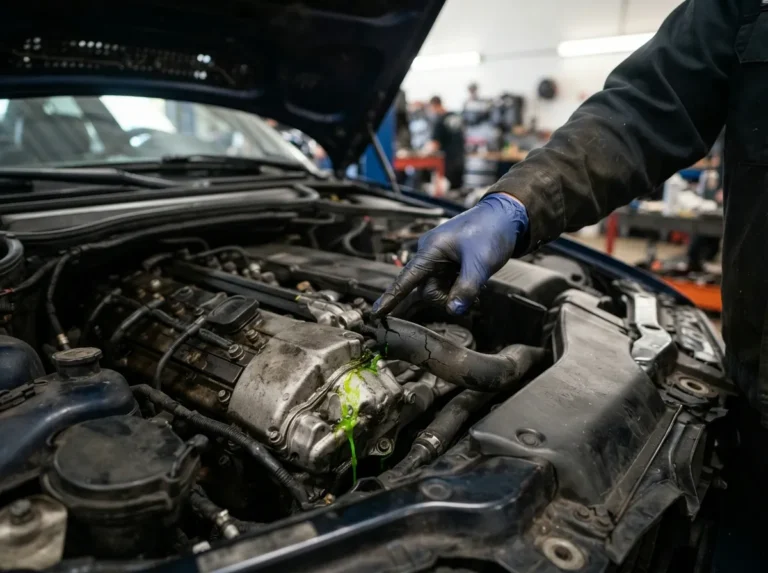
- White or colored crust around hose ends, seams, or the radiator cap.
- Heater blows lukewarm or cold air at idle. Heat returns when you rev.
- Sloshing sound behind the dash. Air is in the system from a leak.
- Bubbles or constant activity in the overflow tank when idling.
- Visible damp spots on fins, tanks, or around the plastic end tanks.
- Fan runs more often. It tries to cool a hot system.
Quick note from my bay: I once traced a slow leak on a Civic to a hairline crack on the plastic tank. It only showed when hot. A pressure test made the crack weep. It matched classic radiator leak symptoms that the driver missed for weeks.
If you see two or more radiator leak symptoms, plan to test soon. Heat damage snowballs.
What causes a radiator to leak
Radiator leak symptoms often tie back to one or more causes.
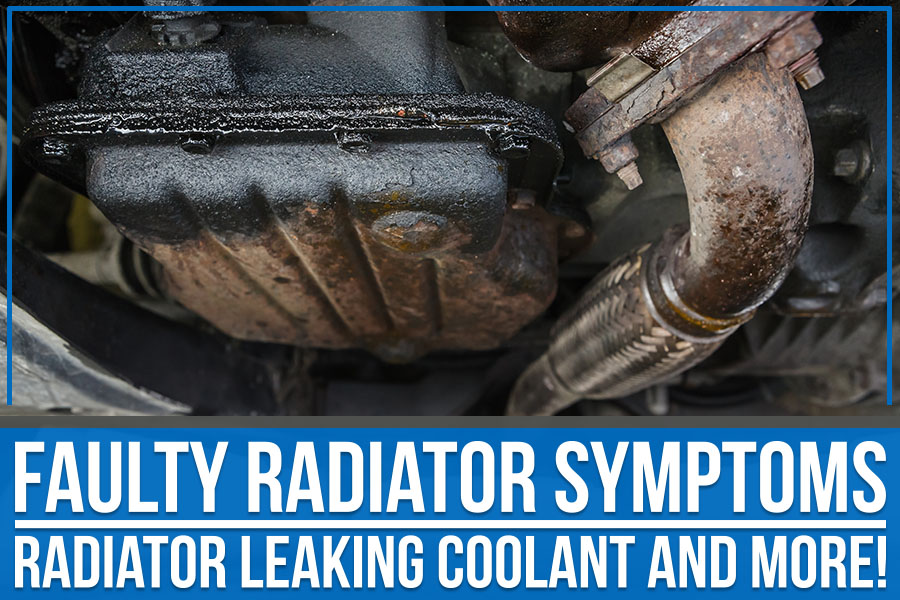
- Age and heat cycles. Plastic end tanks get brittle and crack.
- Corrosion inside the core from old coolant or hard water.
- Electrolysis from poor grounds. Stray current eats thin metal.
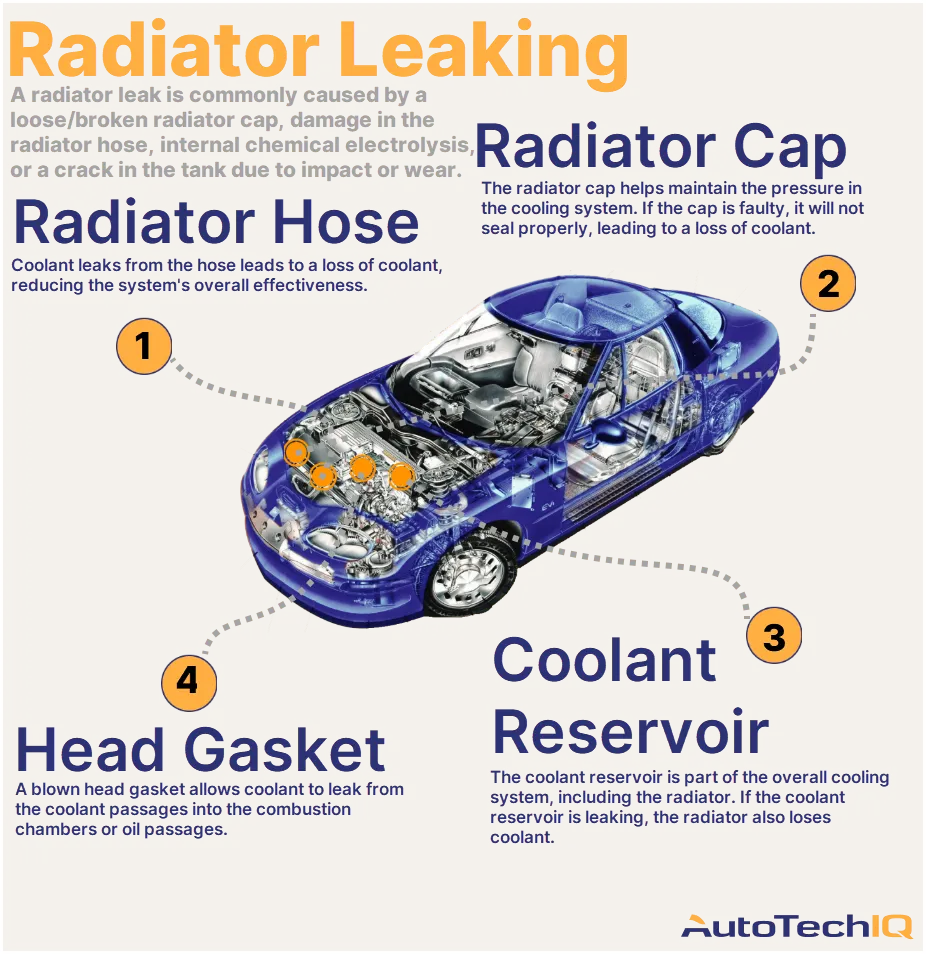
- Road debris. A stone can pierce fins or a tank.
- Loose or rusted hose clamps that seep under pressure.
- Worn hoses that balloon, split, or chafe against brackets.
- A weak radiator cap that cannot hold rated pressure.
- Seal failures at the thermostat housing or water pump.
- Prior stop-leak use that clogged passages and raised temps.
- Overheating events that warped necks and weakened joints.
Most modern coolants last long, but not forever. Missed service is a top driver of radiator leak symptoms.

How to diagnose radiator leak symptoms at home
Work on a cold engine. Coolant under pressure can spray and burn. Never open a hot radiator cap.
Try these simple steps.
- Look for stains. Check the radiator tanks, seams, cap, hoses, and pump. Dried coolant looks chalky.
- Park on clean cardboard overnight. Note color and spot location.
- Sniff test. That sweet smell near the front tells you a lot.
- Squeeze hoses gently when cold. Soft, spongy, or cracked hoses hint at leaks.
- Check the reservoir. If it is low and you see bubbles at idle, air is in the system.
- UV dye kit. Add dye, run the engine, and scan with a UV light. Leaks glow.
- Pressure test. Hand pumps are cheap to rent. Pump to cap rating and watch for drops or drips.
- Inspect the cap. A bad seal or wrong pressure rating can mimic radiator leak symptoms.
- Scan live temps. Many OBD apps show coolant temp. High creep at idle points to flow or leak issues.
If you cannot find an external leak, it may be internal. A sweet smell in the cabin suggests a heater core. White smoke at the tailpipe and milky oil mean a bigger issue. Stop and seek a pro if you see those.
What happens if you ignore radiator leak symptoms
Small leaks grow. Here is what I see when drivers wait.
- Overheating warps heads and blows head gaskets.
- Coolant loss triggers misfires and can damage the catalytic converter.
- Plastic tanks crack wider. Hoses burst under load.
- Tow bills and long downtime replace a simple fix.
Industry surveys list cooling failures as a leading cause of roadside breakdowns. Catch radiator leak symptoms early and you save an engine.
Quick fixes vs proper repairs
There is a time and place for each path. Choose based on risk and goal.
Temporary steps
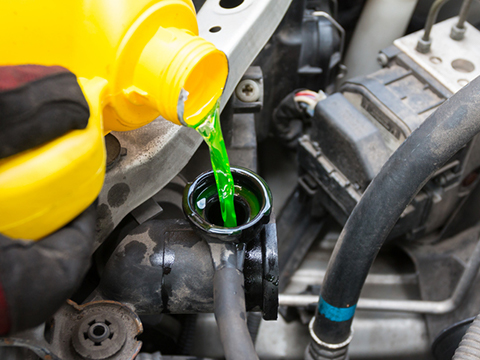
- Add coolant and monitor often. Use the right type and 50/50 mix.
- Replace the radiator cap. Cheap and often overlooked.
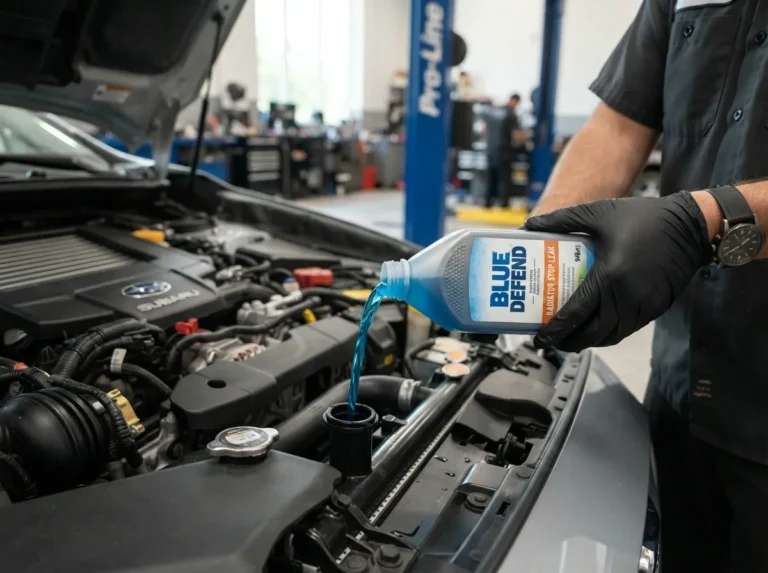
- Use stop-leak only to get off the road. It can clog small passages.
Proper repairs
- Replace the radiator if tanks or core leak. Plastic tanks are not ideal to patch.
- Replace soft hoses and clamps as a set. Age them together.
- Service the thermostat and inspect the water pump if mileage is high.
- Flush old coolant. Refill with the exact spec. Use distilled water if mixing.
In my shop, epoxy patches on plastic tanks rarely last. A new radiator plus fresh coolant fixed the same cars for years. That beats chasing the same radiator leak symptoms every season.

Cost, time, and skill level
Costs vary by vehicle, engine layout, and parts quality.
- Radiator replacement: 250–900 dollars parts and labor for most cars.
- Hoses and clamps: 50–200 dollars.
- Cap and coolant: 30–100 dollars.
- Pressure test and diagnosis: often under 100 dollars, sometimes free with repair.
DIY time can be 1–3 hours on many cars. Trans cooler lines or tight engine bays take longer. If you are not sure, pay for a pressure test. It confirms radiator leak symptoms fast.
Preventive maintenance to avoid future leaks
Simple care keeps leaks away and temps steady.
- Change coolant on schedule. Many modern coolants last 5 years or 100,000 miles.
- Use the correct coolant chemistry. Do not mix types.
- Keep a 50/50 mix with distilled water for best corrosion control.
- Inspect hoses, clamps, and the cap every oil change.
- Rinse bugs and debris from the radiator fins gently.
- Check engine grounds to reduce electrolysis risk.
- Watch the temp gauge. Note any drift from normal on known routes.
- Log top-offs. Repeated adds mean hidden radiator leak symptoms.
These habits cost little and prevent big bills.
Frequently Asked Questions of radiator leak symptoms
What are the first signs of a radiator leak?
Look for a sweet smell, small puddles under the front, and a low coolant tank. A rising temperature gauge is another early clue tied to radiator leak symptoms.
Can I drive with a small radiator leak?
Short, gentle trips may be possible if you watch the gauge and coolant level. But heat spikes can happen fast, so treat radiator leak symptoms as urgent.
Does stop-leak fix a radiator for good?
Stop-leak can slow a tiny seep for a short time. It is not a lasting fix and can clog small passages, which can worsen radiator leak symptoms later.
Why does my car overheat only at idle?
Airflow drops at idle, and a small leak reduces pressure and flow. Weak fans or a low coolant level often turn into radiator leak symptoms at stops.
What color is coolant, and does color matter?
Coolant can be green, orange, pink, blue, or yellow. Color helps identify a leak, but use the exact type your maker calls for to avoid new radiator leak symptoms.
How do I know if the radiator cap is the problem?
If the cap seal is cracked or cannot hold pressure, coolant may boil early. Replace it if you see crust, damage, or recurring radiator leak symptoms.
Are radiator leak symptoms the same as a heater core leak?
They overlap, but a heater core leak often fogs windows and makes the cabin smell sweet. Wet floor mats on the passenger side add to those clues.
Conclusion
Radiator leak symptoms are not random. They follow a pattern you can spot early: sweet smells, low coolant, rising temps, and crusty stains. Confirm the source, fix it right, and protect your engine. Take 10 minutes today to check your level, cap, and hoses. If you see two or more signs, schedule a pressure test. Want more guides like this? Subscribe for simple, trusted car care tips you can use now.