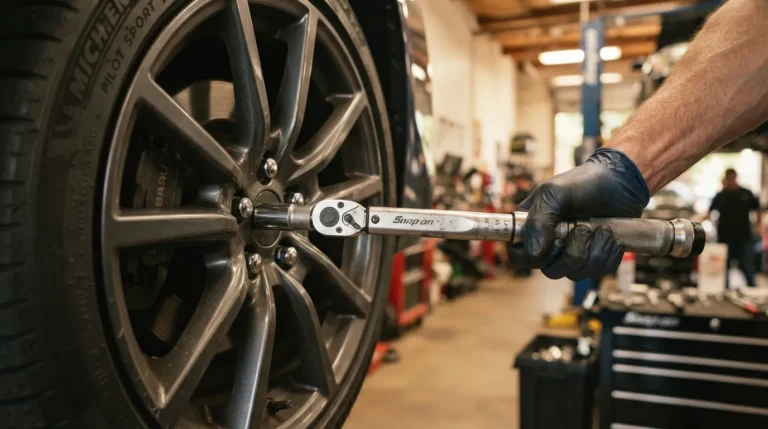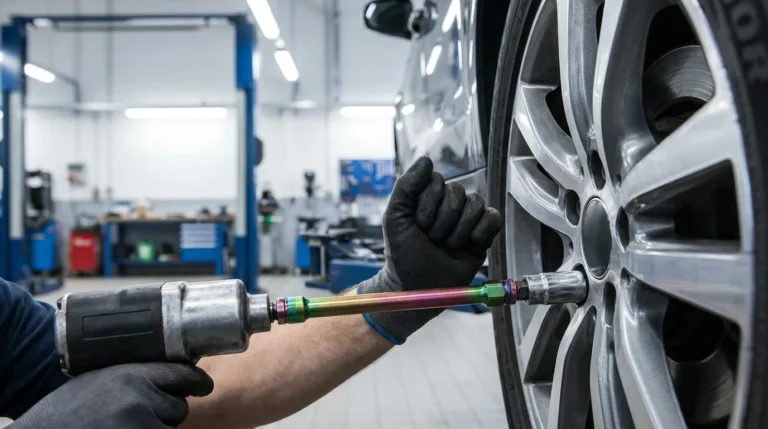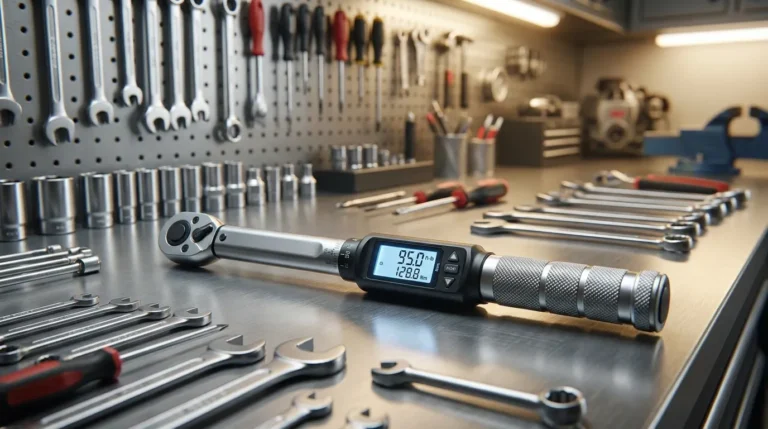
Impact sockets are made for high-torque power tools; regular sockets are for hand tools and light use.
I have spent over a decade fixing cars and building things. I have tested both types of sockets in real shops and on job sites. This guide explains impact socket vs regular socket clearly. You will learn how they differ, when to use each, safety tips, and buying advice you can trust.

Quick definitions: What is an impact socket and a regular socket?
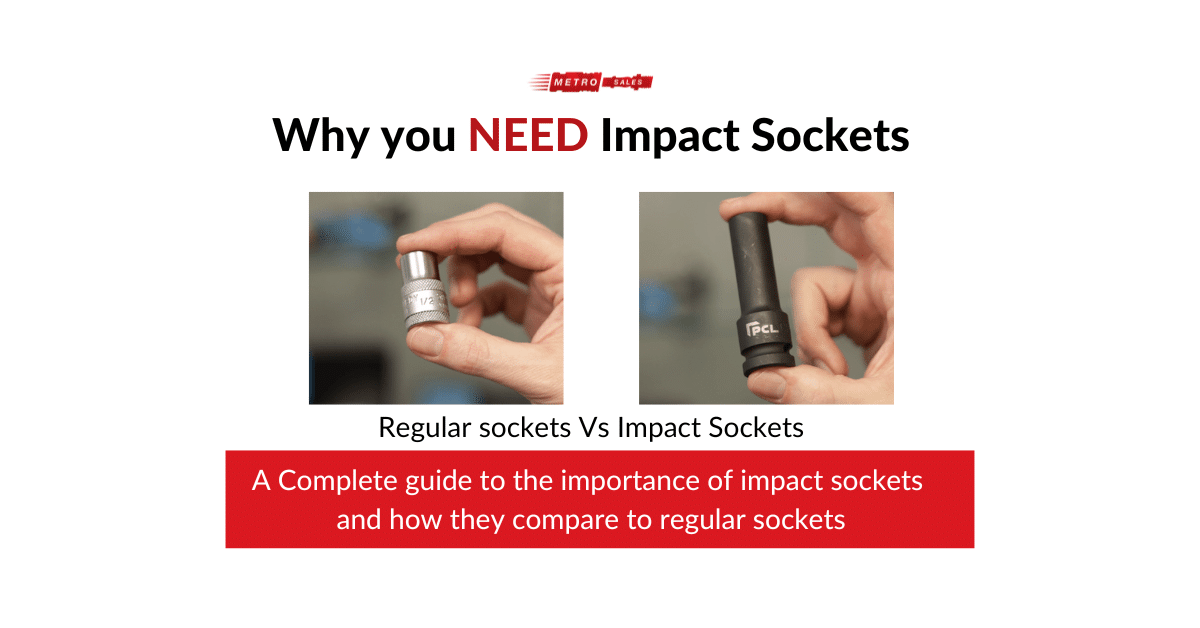
An impact socket is built to work with impact wrenches and drivers. It uses tougher steel and a thicker wall to handle sudden, high torque. A regular socket is made for hand ratchets and low-torque power tools. It is usually thinner, plated for corrosion resistance, and designed for precise fits.

Key differences: impact socket vs regular socket
Here are the main ways these sockets differ. Each point helps you pick the right tool for the job.
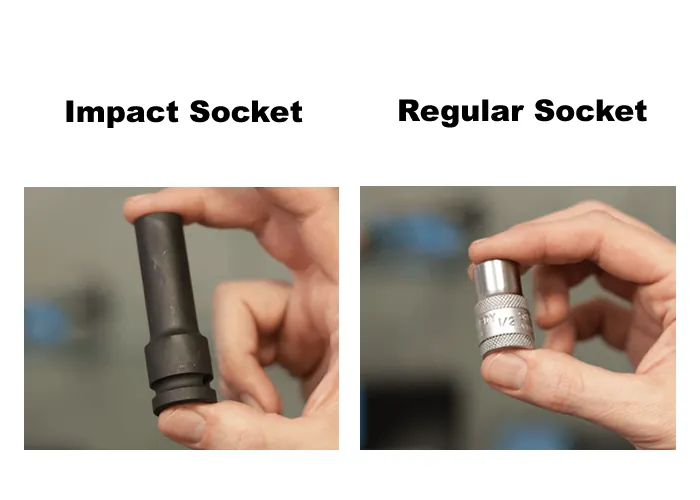
- Construction and wall thickness. Impact sockets have thicker walls. Regular sockets are thinner and lighter.
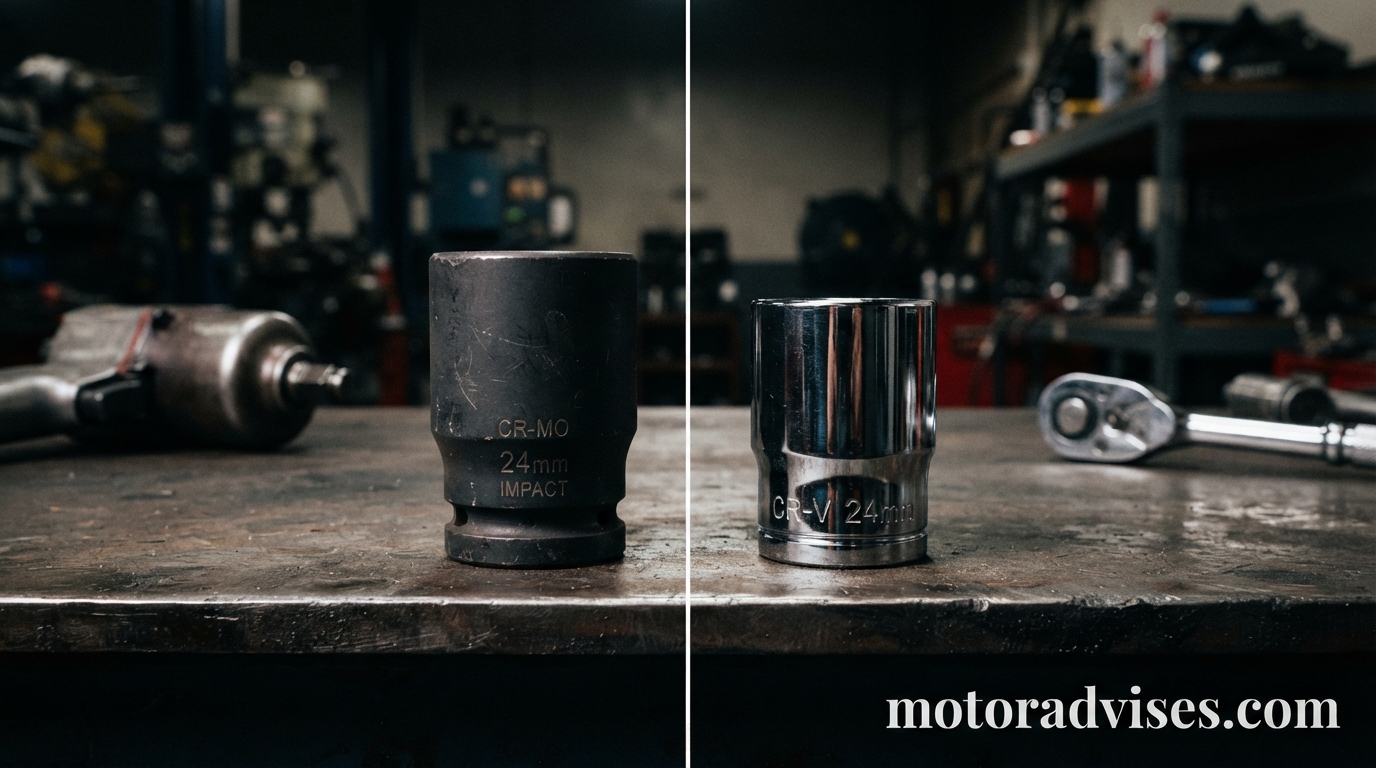
- Material and toughness. Impact sockets use chrome molybdenum or high-toughness alloy. Regular sockets often use chrome vanadium steel.
- Finish and coating. Impact sockets usually have a black phosphate or oxide finish. Regular sockets have a shiny chrome finish to stop rust.
- Shape and corners. Impact sockets may have rounded corners to resist cracks. Regular sockets focus on a tight fit to reduce fastener wear.
- Tool compatibility. Use impact sockets with an impact wrench or impact driver. Use regular sockets with hand ratchets or breaker bars.
- Price and weight. Impact sockets cost more and weigh more. Regular sockets are cheaper for light tasks.
The phrase impact socket vs regular socket matters when you choose tools. Use the right type to avoid damage. A mismatch can ruin a fastener or a socket.

When to use an impact socket vs regular socket
Knowing when to switch matters. Use the right socket and save time and money.
- Heavy automotive work. Use impact sockets for lug nuts, axle nuts, and seized bolts. They handle repeated high torque.
- Light repairs and precision work. Use regular sockets for electronics, plumbing, and furniture assembly. They give a cleaner finish.
- Tight spaces with power tools. Use impact sockets when you need speed with an impact driver. Regular sockets fit better on delicate fasteners.
- Emergency roadside fixes. Carry both types. Use an impact socket for quick loosening and a regular socket to finish by hand if needed.
Think: impact socket vs regular socket. Choose by tool and task. If you use an impact wrench, only use impact sockets.

Safety, maintenance, and tool pairing
Safety keeps you and your tools working longer. Follow simple rules to avoid slips and breaks.
- Match tool and socket. Never use a regular socket with an impact wrench. The socket can shatter.
- Inspect sockets often. Look for cracks, rounded edges, or chips. Replace damaged sockets immediately.
- Clean and store properly. Wipe sockets dry and store in a rack or case. Keep impact sockets free of grease on the drive end.
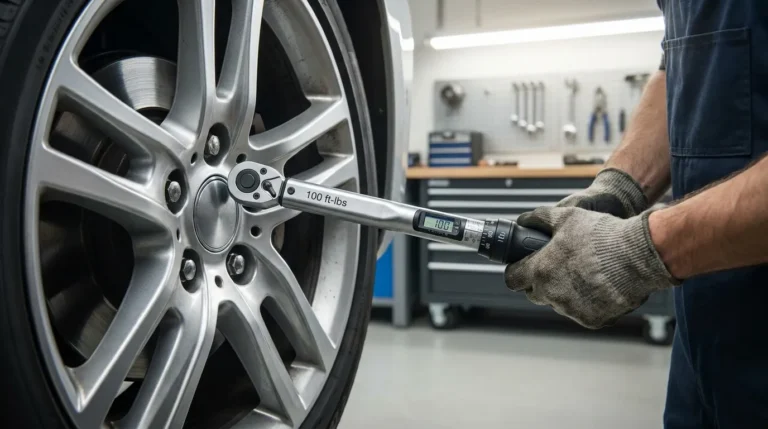
- Torque control. Know your tool’s torque limits. Do not exceed a socket’s safe capacity.
- Use correct drive size and retainers. A loose fit can slip and round bolts.
Good maintenance helps both impact socket vs regular socket last longer and work safer.

Materials, sizing, and standards
Materials and sizes tell you what to expect from each socket type.
- Common alloys. Impact sockets: chrome moly (Cr-Mo). Regular sockets: chrome vanadium (Cr-V).
- Finish choices. Impact: black phosphate or oxide. Regular: bright chrome plating.
- Drive sizes. Both come in 1/4″, 3/8″, 1/2″, 3/4″, and 1″ drives. Match drive size to the tool.
- Standards and markings. Look for stamped size, drive, and sometimes torque rating. Some sockets follow ANSI or ISO shape specs.
When comparing impact socket vs regular socket, check material and drive size first. That prevents tool mismatch.
Cost, lifespan, and value
Price is part of the choice. Value comes from matching the socket to how you work.
- Upfront cost. Impact sockets cost more. Regular sockets cost less.
- Lifespan. Impact sockets last longer under power tool use. Regular sockets last long under hand use.
- Cost per use. For a pro who uses an impact wrench daily, impact sockets are cheaper per job over time.
- Replacement costs. Cheap sockets fail fast and can damage fasteners, raising repair costs.
My shop experience taught me this: buy the right socket once. Cheap short-term savings can cost more.
Common mistakes and troubleshooting
Avoid these errors I have seen often. They save time and headaches.
- Using a regular socket with an impact wrench. This can shatter the socket and injure you.
- Over-torquing bolts with the wrong socket. Use a torque wrench or set limits on the impact tool.
- Ignoring socket wear. Worn corners cause rounded fasteners. Replace sockets before they fail.
- Buying by color alone. Some cheap sets mimic impact finishes but lack the right alloy.
When you face a stuck bolt, switch to an impact socket and use short bursts. If the bolt is delicate, back off and use a hand tool.
Personal experience and tips
I have loosened rusted lug nuts with both socket types. Here are practical tips from years of hands-on work.
- Keep a small impact set in the trunk. It saved me on cold mornings with frozen lug nuts.
- Use regular sockets for final tightening by hand. You can feel when the part seats.
- Label your sockets. It helps avoid accidental use of a regular socket on an impact tool.
- Buy a matched set. Having both impact socket vs regular socket sets in sizes you use most reduces downtime.
These tips come from real jobs. They helped me avoid stripped bolts and broken sockets many times.

Frequently Asked Questions of impact socket vs regular socket
What happens if you use a regular socket on an impact wrench?
A regular socket can crack or shatter under the rapid blows of an impact wrench. This can injure you and ruin the fastener, so only use impact sockets with impact tools.
Can you use impact sockets by hand?
Yes. You can use impact sockets with hand ratchets in a pinch. They are thicker and may fit a bit tight, but they are safe for hand use.
Are impact sockets more expensive than regular sockets?
Yes, impact sockets typically cost more due to stronger materials and special finishes. The higher price usually pays off for heavy or repeated power tool use.
How do I tell an impact socket from a regular socket?
Impact sockets usually have a black or dark finish and thicker walls. Regular sockets are shiny chrome and thinner. Also check markings for material and drive size.
Do impact sockets damage bolts more than regular sockets?
Not if you use them correctly. Impact sockets are designed to absorb torque pulses, which can actually reduce fastener rounding when used properly.
Should I buy both types for home use?
Yes, having both impact socket vs regular socket sets covers most tasks. Use impact sockets with power tools and regular sockets for delicate or precision work.
Conclusion
Choosing between impact socket vs regular socket comes down to tools and tasks. Use impact sockets with impact wrenches and for heavy work. Use regular sockets for hand tools and precise jobs. Invest in the right set for your needs. Start by matching socket material and drive to your tools, inspect them often, and store them well. Try a small set first and expand based on your work. Share your questions or experiences below and consider subscribing for more practical tool advice.
This visual strategy is designed to help the reader quickly understand the safety and performance differences between these two essential tools. By consistently using the motoradvises.com branding, you reinforce your authority and provide a high-quality, professional experience for your readers.