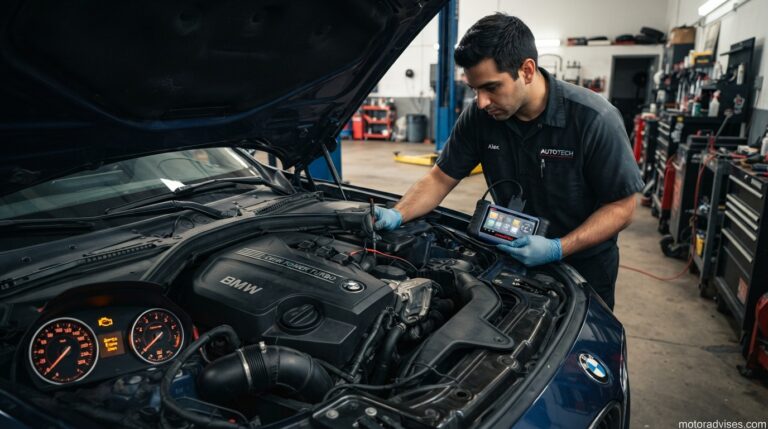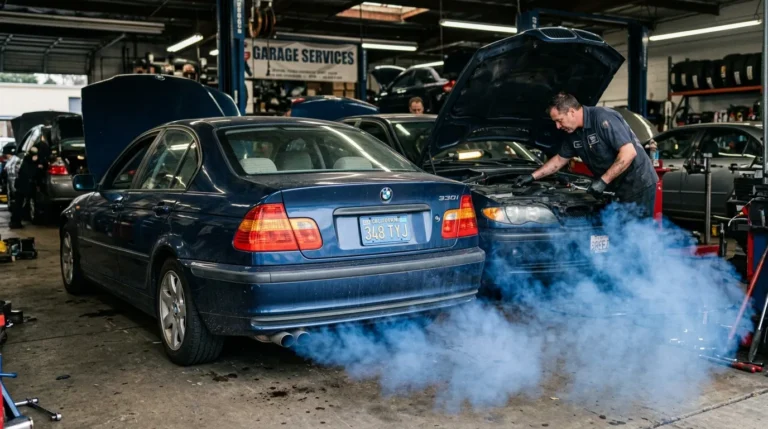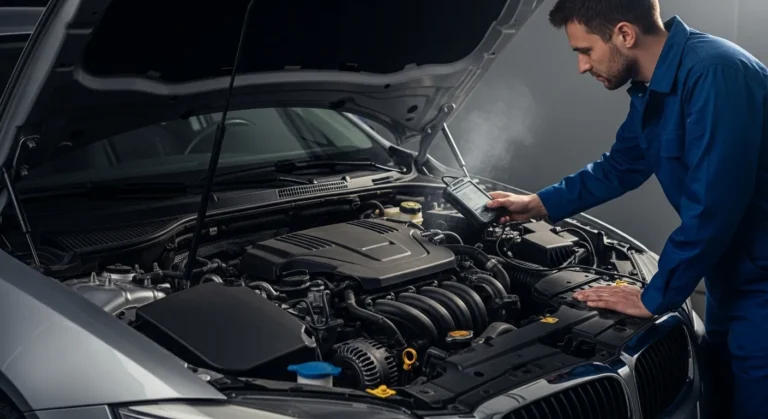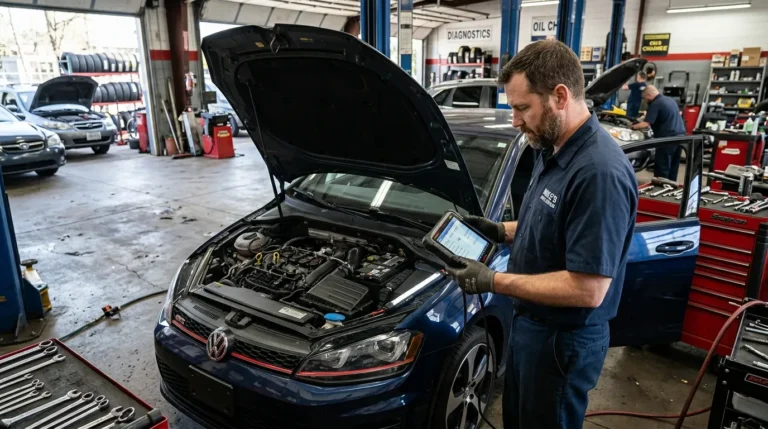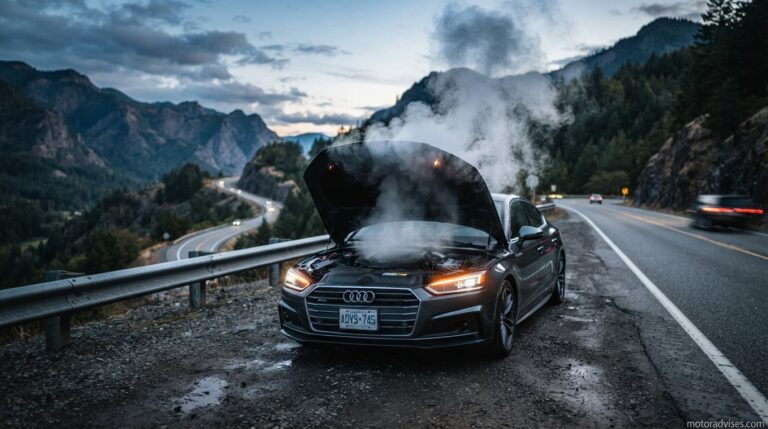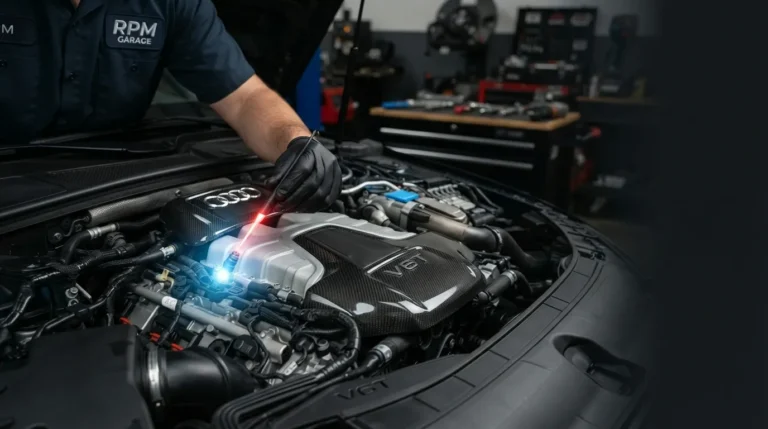
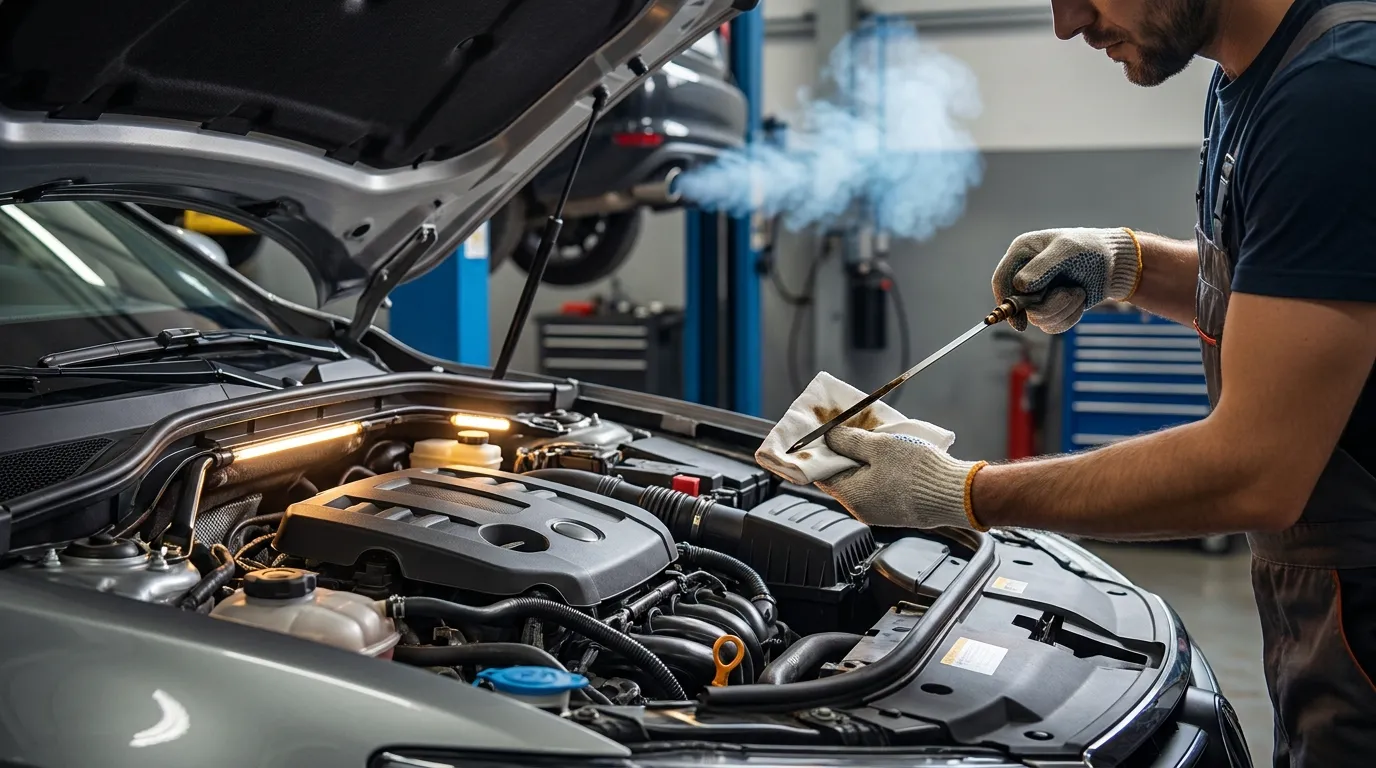
Worn rings, bad seals, leaks, overheating, and wrong oil grade commonly cause oil loss.
I’ve spent over a decade diagnosing engines, and I’ll walk you through why engine oil consumption causes matter, how to spot them, and what to do next. This guide breaks down mechanical failures, maintenance mistakes, and simple tests so you can find the real reason your car is burning or losing oil and fix it with confidence.
What is engine oil consumption?
Engine oil consumption is the rate at which an engine uses or loses oil between oil changes. It includes oil that burns inside the combustion chamber, leaks out, or gets trapped in other parts of the engine. Understanding engine oil consumption causes helps you prevent engine wear, reduce emissions, and avoid costly repairs.
Common engine oil consumption causes
Below are the most frequent engine oil consumption causes, explained simply.
Worn piston rings and cylinder walls
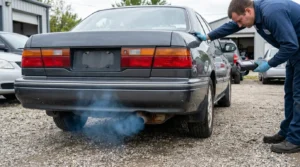
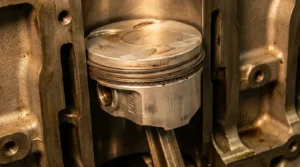
Worn piston rings let oil pass into the combustion chamber. Burning oil then exits as blue smoke and raises consumption.
Valve stem seals and guides
Damaged valve stem seals allow oil to drip into cylinders during idle or deceleration. This leaks oil to the combustion chamber and increases consumption.
Faulty PCV (positive crankcase ventilation) system
A clogged or stuck PCV valve creates crankcase pressure. That pressure forces oil into intake paths and the combustion chamber.
External oil leaks (gaskets and seals)
Leaking valve cover gaskets, oil pan gaskets, and front or rear main seals let oil escape. You may see puddles or oil spots under the car.
Overheating and poor engine cooling
High engine temperatures thin oil and accelerate burn-off. Heat also ages seals and gaskets, making leaks more likely.
Wrong oil viscosity or low-quality oil
Oil that’s too thin for the engine or that breaks down quickly will be consumed faster. Using manufacturer-recommended oil helps control consumption.
Turbocharger wear
Turbochargers spin at very high speeds. Worn turbo seals or bearings can let oil enter the intake or exhaust and get burned.
Short trips and cold starts
Frequent short trips prevent oil from reaching full operating temperature, causing contaminants to build up. Cold oil doesn’t seal rings as well, which can increase consumption in some engines.
High mileage and general wear
Older engines naturally consume more oil as parts wear, clearances increase, and seals dry out.
Additive depletion and fuel dilution
Some oils lose additives over time. Fuel dilution from faulty injectors or short trips can thin oil and raise consumption.
Source: donleestire.com
Symptoms: how to spot excessive oil consumption
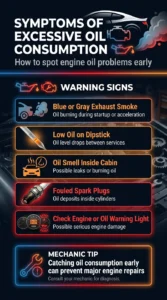
Watch for these signs that point to engine oil consumption causes.
- Blue or gray exhaust smoke during start or acceleration indicates burning oil.
- Low oil level on the dipstick between service intervals shows net loss.
- Oil smell in the cabin can mean leaks or burning oil.
- Fouled spark plugs with oil deposits point to oil entering cylinders.
- Check engine light or oil pressure warning suggests serious issues.
How to measure and track oil consumption
Measure consumption before diagnosing to know the severity.
- Fill the engine to the specified oil level.
- Reset the odometer or note the current mileage.
- Drive normally for 500 to 1,000 miles.
- Recheck the oil level and note the volume added.
- Calculate consumption as quarts (or liters) per 1,000 miles.
Good baseline: many modern engines use under 1 quart per 1,000 miles. Higher rates mean you should look into engine oil consumption causes right away.
Diagnosis: tests to pinpoint the cause
Mechanics use a few reliable tests to identify engine oil consumption causes.
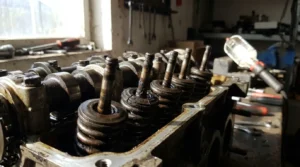
- Compression test and leak-down test find worn rings or valves.
- Visual inspection locates external leaks at gaskets and seals.
- PCV check and smoke testing show crankcase air leaks or bad PCV valves.
- Oil analysis can reveal contamination or fuel dilution.
- Inspect the turbocharger and intake for oil traces if the vehicle is turbocharged.
Repairs, fixes, and cost estimates
Fixes vary from cheap to expensive, depending on cause and engine type.
- Replace PCV valve: low cost, often an easy fix.
- Replace gaskets or seals: moderate cost depending on location and labor.
- Replace valve stem seals: moderate to high, may need head removal.
- Piston rings or full engine rebuild: high cost, often the last resort.
- Turbocharger repair or rebuild: moderate to high, depending on damage.
Costs depend on make and model. Expect small items like PCV valves or gaskets to be affordable, while engine or ring work can cost thousands. Always get quotes and ask about warranties.
Prevention and maintenance tips
Simple habits reduce the chance of excessive engine oil consumption causes.
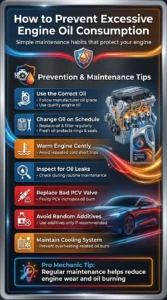
- Use the manufacturer-recommended oil grade and quality.
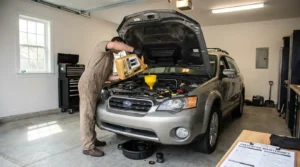
- Change oil and filter on schedule. Fresh oil protects rings and seals.
- Warm the engine gently; avoid repeated cold short trips.
- Inspect for leaks during routine maintenance.
- Replace a malfunctioning PCV valve quickly.
- Use recommended oil additives only when advised by a mechanic.
- Keep the cooling system healthy to avoid overheating-related oil burn.
Personal experience: what I’ve seen and learned
As a mechanic for 12 years, I’ve chased oil leaks and burning oil in many cars. One weekend I worked on a high-mileage sedan that burned a quart per 300 miles. A leak-down test showed poor ring sealing. The owner chose rebuild later, and we controlled consumption short-term with correct oil and a PCV service. That buy-time approach saved them money while planning the larger repair.
Key lessons I learned:
- Don’t ignore small leaks; they often get worse.
- Measure consumption before swapping major parts.
- Simple fixes often solve the issue if you catch them early.
Related concepts and PAA-style questions
People often ask short, focused questions about engine oil consumption causes.
Why does my car burn oil after an oil change?
If oil burns after a change, check oil grade, overfill, or disturbed seals during service. Also inspect for leaks and PCV function.
Can bad gasoline cause higher oil consumption?
Fuel dilution can thin oil and raise consumption. Repeated short trips and misfiring injectors increase the risk.
Is blue smoke always oil burning?
Blue smoke usually means oil is burning, though it can be more visible at startup or under load. White smoke often indicates coolant, not oil.
Frequently Asked Questions of engine oil consumption causes
What is a normal oil consumption rate?
Many modern engines use less than 1 quart per 1,000 miles. Check your owner’s manual for the manufacturer’s guideline.
Can a clogged PCV valve cause oil consumption?
Yes. A clogged or stuck PCV valve increases crankcase pressure and pushes oil into the intake or combustion chamber.
Will switching oil stop burning oil?
Switching to the correct viscosity can help short term, but it won’t fix mechanical issues like worn rings or bad seals.
How quickly should I act if my car is using oil?
Check levels immediately and add oil as needed. If consumption is rapid or accompanied by smoke, have a mechanic diagnose it right away.
Can I drive with oil consumption issues?
You can drive short distances carefully, but avoid long trips or hard driving. Running low on oil risks severe engine damage.
How do I know if oil is leaking or burning?
Look for oil spots under the car for leaks. Blue tailpipe smoke and oil-fouled spark plugs point to burning.
Does high mileage always mean high oil consumption?
Not always. Many high-mileage engines run fine with normal consumption if they were maintained well. Wear increases risk but is not a guarantee.
Conclusion
Understanding engine oil consumption causes helps you spot problems early and avoid costly repairs. Measure consumption, watch for blue smoke or leaks, test PCV and compression, and prioritize simple fixes first. Take action now: check your oil level, record consumption, and schedule a diagnosis if you see rapid loss. If this guide helped, share your experience, subscribe for more car care tips, or leave a question below.