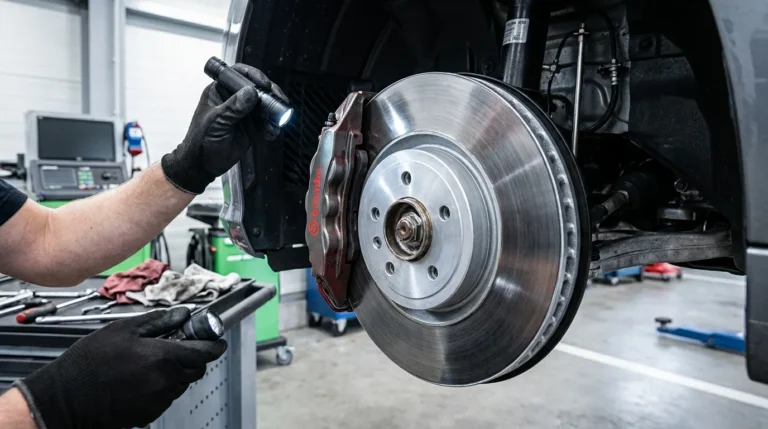

Worn rotors, uneven tires, or loose suspension parts often cause a car to shake when braking.
I’ve fixed dozens of cars with brake vibration issues, and I know this problem is both common and fixable. This article explains why a car shakes when braking causes vibration, how to diagnose the root issue, and practical fixes you can trust. I will share clear steps, real-life examples from hands-on work, and simple checks you can do at home or with a mechanic. Read on to stop the shake and keep your drive smooth and safe.
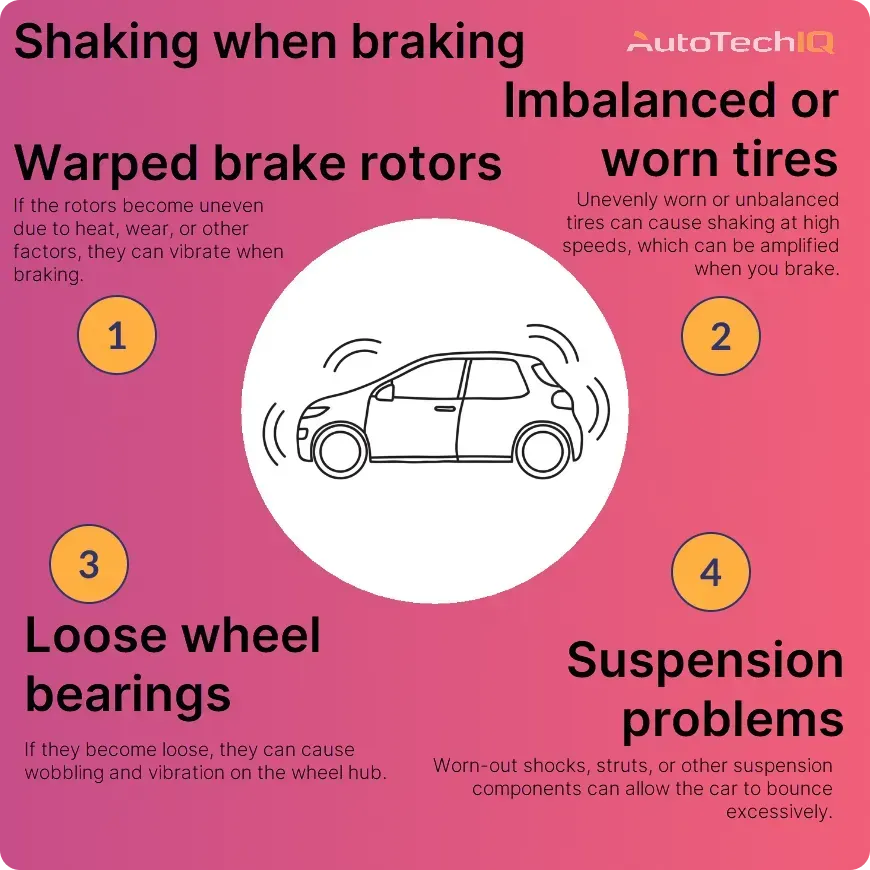
Source: autotechiq.com
How braking vibration works and why it matters
When you press the brake pedal, braking force transfers from the caliper to the rotor and tire contact patch. If any part is warped, loose, or uneven, that force can create oscillation. That oscillation shows up as a shake in the steering wheel, seat, or whole car.
Car shakes when braking causes are both safety and comfort issues. A small wobble can signal a part near failure. Catching it early avoids bigger repairs and risk on the road.

Source: metrixpremiumparts.com
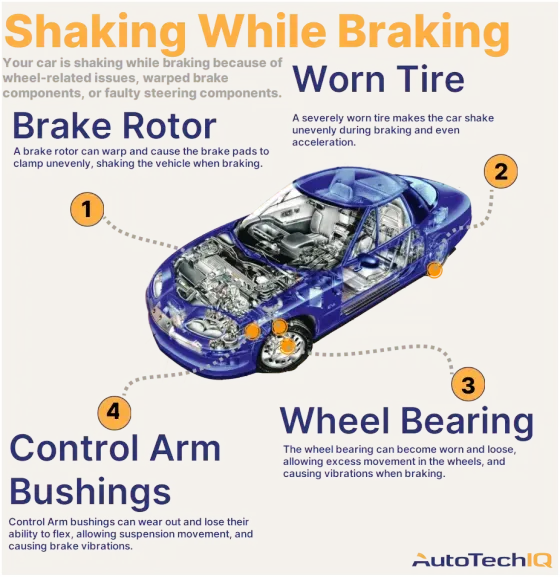
Most common car shakes when braking causes
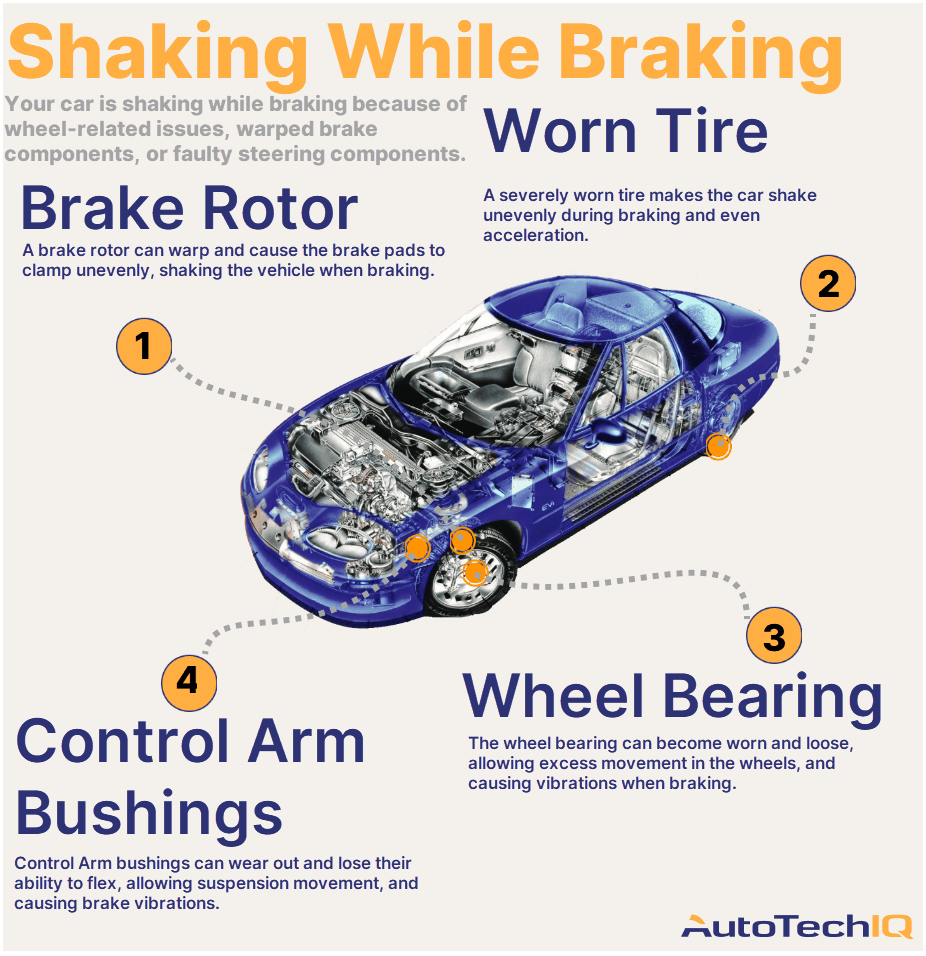
Here are the frequent reasons a car shakes when braking causes vibration. I list them from most common to less common based on shop experience.
- Warped or uneven brake rotors causing pulsation.
- Stuck or uneven brake pads that grab inconsistently.
- Worn suspension or steering components such as ball joints or tie rods.
- Out-of-balance or damaged tires and wheels.
- Loose lug nuts or warped wheel rims.
- Brake caliper or slide pin binding.
- Bent axles or wheel bearings nearing failure.
- ABS or traction control system faults creating pulsed braking.
Each of these can make the car shake when braking causes the brake system to apply uneven pressure. I’ve seen rotor wear and tire issues account for most cases.
Source: autotechiq.com
How to diagnose the shake step by step
Follow these simple checks to narrow down the problem. Keep safety first and do checks on flat ground with the parking brake and wheel chocks.
- Visual wheel and tire check
- Look for uneven tire wear, bulges, or cuts.
- Check wheel for bends or missing wheel weights.
- Hand check of play
- With car lifted, grip wheel at 12 and 6 and rock it. Any free play points to wheel bearings or suspension.
- Brake rotor and pad check
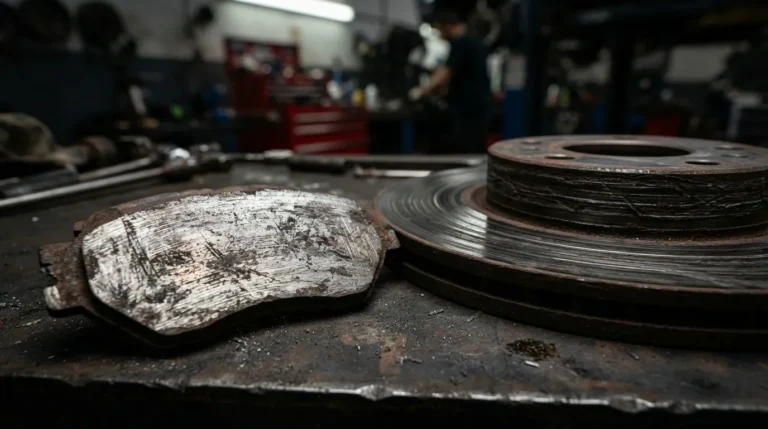
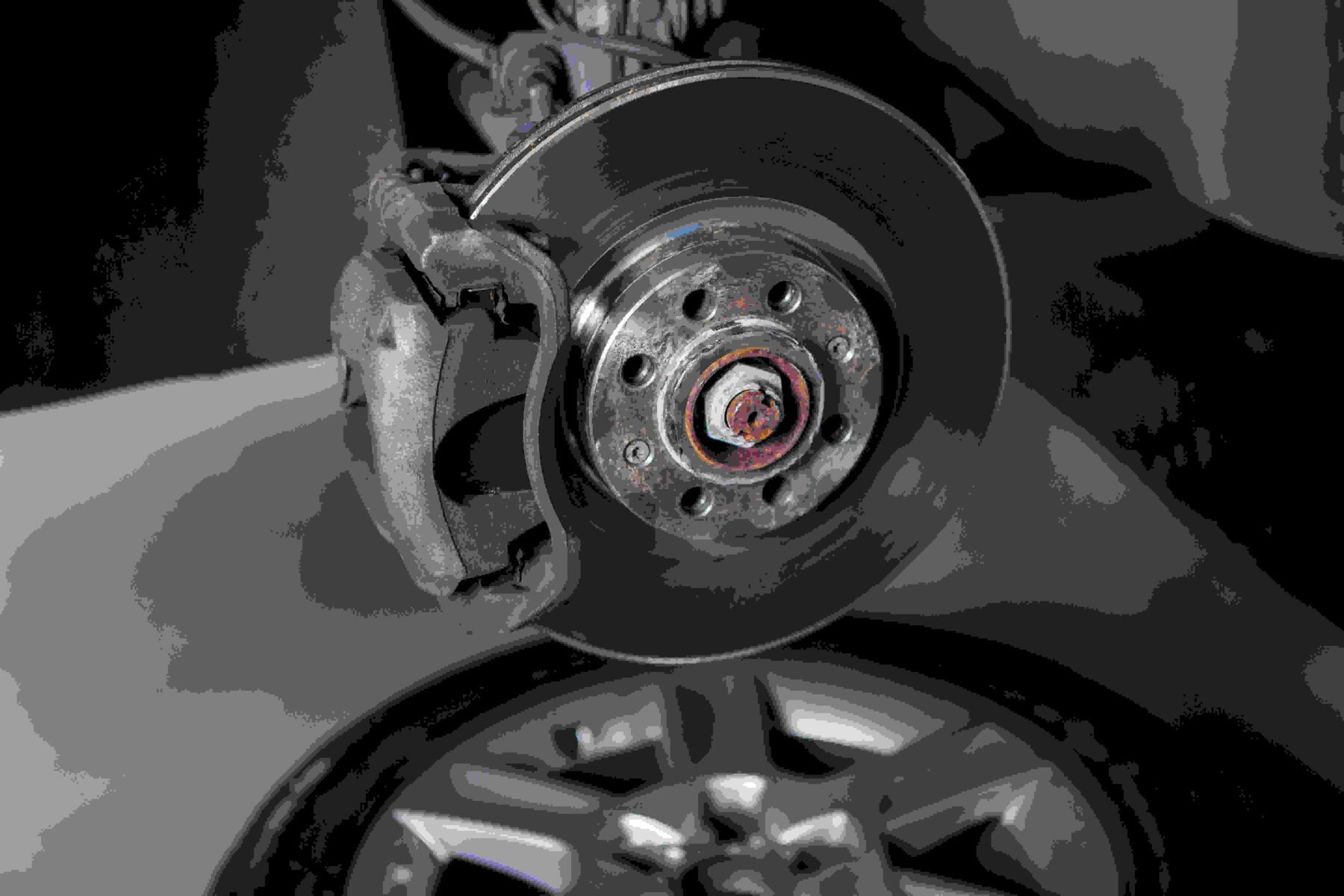
- Inspect rotors for ridges, grooves, and rust. Look at pad thickness and even wear.
- Test drive to observe symptoms
- Note if shake happens at certain speeds, when braking lightly or hard, or only when cold.
- ABS and warning lights
- Scan for codes if ABS light is on. Electronic faults can cause pulsed braking.
These steps help you figure out whether car shakes when braking causes are brake-specific or linked to tires or suspension. In many cases, a quick rotor measurement and tire check reveal the issue.
Source: heartautocare.com
Fixes, costs, and what to expect
Here are typical fixes and approximate costs. Prices vary by vehicle and region, but these ranges help plan.
- Rotor resurfacing or replacement: resurfacing is cheap if within spec; replacement $80–$300 per axle.
- Brake pad replacement: $50–$200 per axle for parts and labor.
- Wheel balancing: $15–$50 per wheel.
- Tire replacement: $80–$250 per tire depending on model.
- Wheel alignment: $75–$150.
- Suspension part replacement (tie rods, ball joints): $150–$600 depending on part.
- Wheel bearing or axle work: $200–$800.
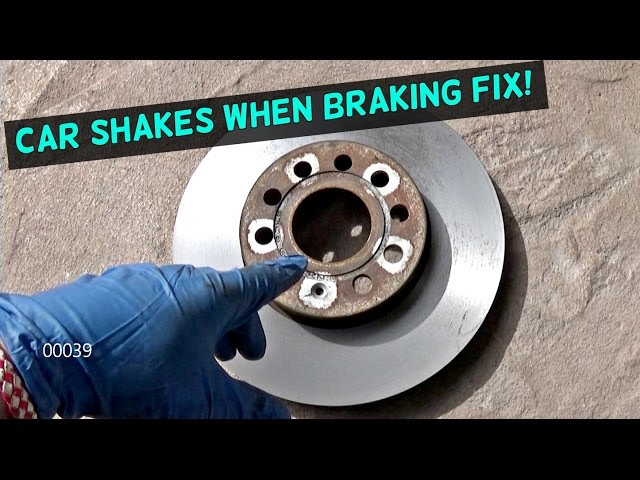
When rotors are warped beyond spec, replacement is usually best. Resurfacing may mask the problem temporarily. If you want a long-term fix, replace worn components rather than patching.
Source: youtube.com
Preventive maintenance to avoid brake shakes
Simple maintenance reduces the chance that a car shakes when braking causes vibration.
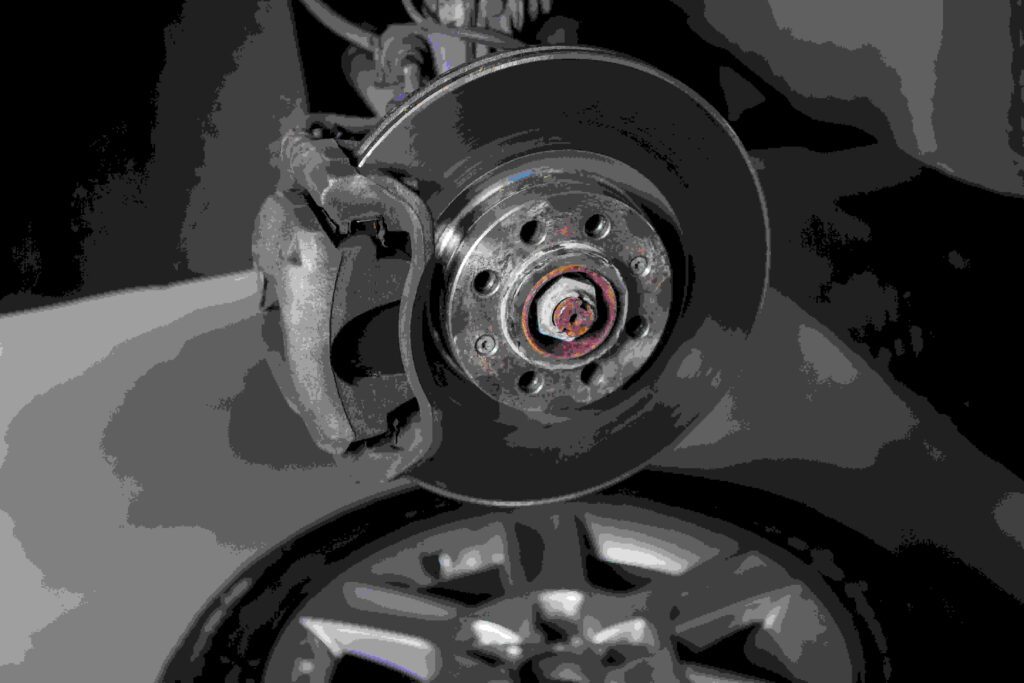
- Replace brake pads before they wear thin to avoid rotor damage.
- Inspect rotors and brakes every 12,000 miles or during tire rotations.
- Keep tires balanced and aligned.
- Torque lug nuts to factory specs after wheel work.
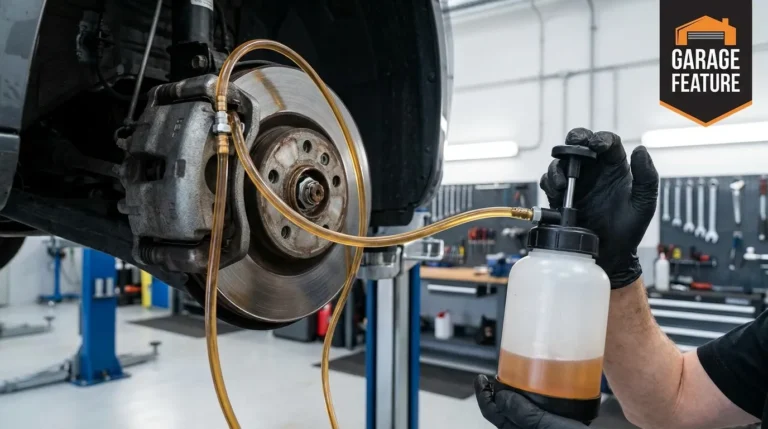
- Lubricate caliper slide pins when servicing brakes.
- Replace tires with uneven wear instead of rotating them into new positions.
Routine checks are cheap and prevent sudden vibration that can be dangerous.
Source: heartautocare.com
Personal experience and common mistakes to avoid
I once diagnosed a shaking car that had three issues at once: one warped rotor, one worn tie rod, and one under-inflated tire. The first shop had only resurfaced the rotors. The shake returned within weeks because the tie rod and tire were ignored. Lesson learned: always do a full inspection.
Mistakes I’ve seen:
- Only resurfacing rotors without checking wheel balance.
- Replacing pads but never checking slide pins.
- Ignoring slight steering play that later causes vibration.
When you face a car shakes when braking causes problem, look beyond the obvious. A full check saves time and money.

Source: youtube.com
When to see a mechanic and red flags
Get professional help if any of these appear. These signs mean urgent attention:
- Severe vibration at low speeds or during stop-and-go driving.
- Grinding or metal-on-metal noise when braking.
- Brake pedal vibration that worsens or the pedal feels soft.
- Pulling to one side during braking.
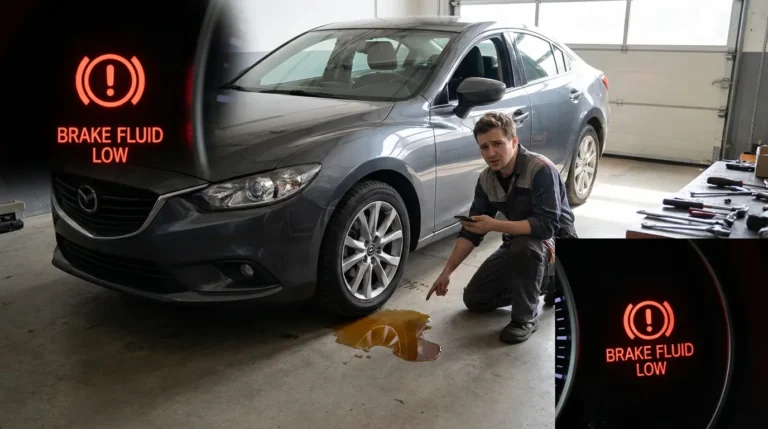
- Visible fluid leak near the wheel.
If you notice these, stop driving if safe and have the car towed. Delaying can worsen damage and risk safety.
Source: autotechiq.com
PAA-style quick questions
Q: Can warped rotors cause shaking only when braking?
A: Yes. Warped rotors typically cause vibration that appears only during braking because the pads contact the uneven rotor surface.
Q: Do new brake pads stop vibration immediately?
A: New pads can help if old pads caused uneven wear, but rotors or balance issues may still cause shaking.
Q: Is it safe to drive with a mild brake shake?
A: Mild shaking can signal early wear, but it’s safer to inspect soon. Driving long-term risks more damage.

Source: wikihow.com
Frequently Asked Questions of car shakes when braking causes
What are the top three reasons a car shakes when braking causes?
Most often the causes are warped rotors, uneven tires or wheel balance, and worn suspension or steering parts. These create uneven braking or wheel motion that you feel as a shake.
How can I tell if the rotors or tires are causing the shake?
If the shake happens only when braking, check rotors first. If the shake happens at speed without braking, tires or balance are likely the cause. A visual check and test drive help separate them.
Can brake pad material cause shaking?
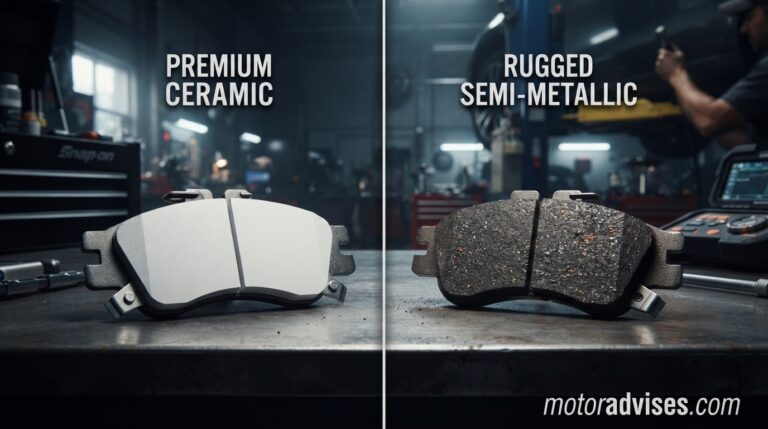
Yes. Hard or glazed pad material can grab inconsistently and cause pulsation. Pads that are incompatible with the rotor can also lead to vibration.
Will resurfacing rotors fix the problem permanently?
Resurfacing can help if rotors are slightly out of spec and still thick. If rotors are thin, cracked, or heat-damaged, replacement is the right choice for a lasting fix.
How often should brakes be inspected to avoid shaking?
Have brakes checked at least once a year or every 12,000 miles. Also inspect during every tire change or if you feel new vibration.
Conclusion
Car shakes when braking causes are almost always fixable when caught early. Common culprits include warped rotors, tire issues, and worn steering or suspension parts. Start with simple checks, address the root cause, and avoid quick fixes that ignore other worn parts. Take action now: inspect your tires, check for play in the wheels, or book a shop visit. If this article helped, try the checks and share your experience or questions below — I’ll help you troubleshoot further.