Drive smoothly, maintain tires and engine, cut weight, and plan trips to save fuel daily.
I’ve spent years testing cars, commuting long distances, and helping friends cut fuel bills. This guide shows practical, science-backed steps and real-life tips on how to improve fuel economy. Read on to learn simple habits, maintenance actions, and tech choices that save gas, money, and time.
Why improving fuel economy matters
Better fuel economy saves money at the pump and lowers greenhouse gas emissions. If you care about cost and the planet, knowing how to improve fuel economy gives a clear, measurable benefit.
Cars with better fuel economy also need less frequent refueling and often have longer engine life when driven and maintained properly. I’ve tracked savings in annual fuel costs across vehicles and seen small changes add up fast.
Drive better: habits that cut fuel use
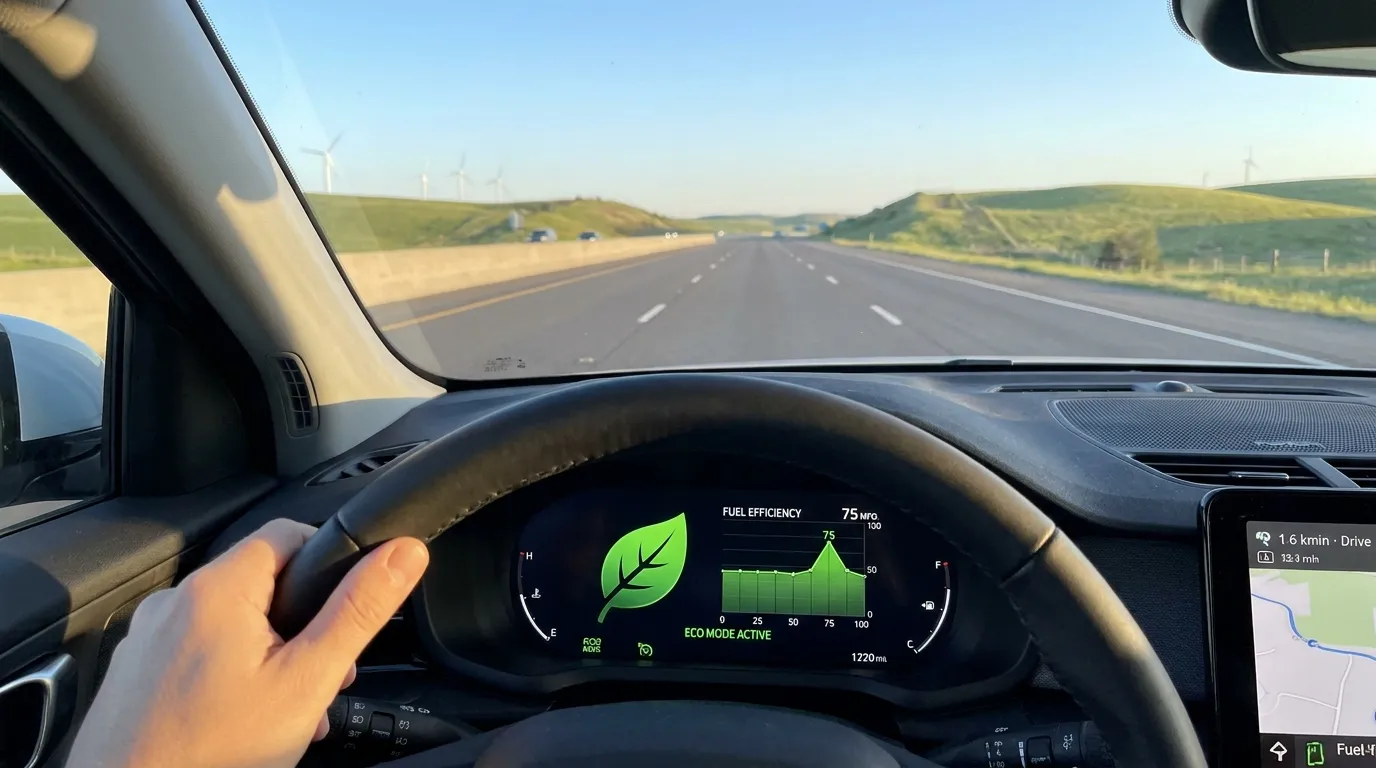
If you want quick wins, changing how you drive is the best place to start. If you wonder how to improve fuel economy, begin with smooth driving.
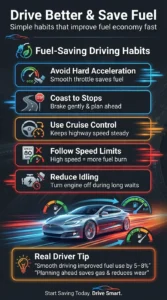
- Avoid hard acceleration. Sudden throttle wastes fuel and stresses the engine.
- Coast to stops. Let your car slow gradually when safe and use engine braking.
- Use cruise control on highways. It keeps speed steady and often saves fuel.
- Observe speed limits. Higher speeds boost wind resistance and reduce mpg.
- Reduce idling. Turn the engine off if you expect to wait more than a minute.
Personal tip: I used to accelerate quickly to merge on freeways. Slowing down and planning gaps saved me about 5–8% in city fuel use over six months. Driving smoothly is one of the simplest answers to how to improve fuel economy.
Vehicle maintenance that boosts mileage
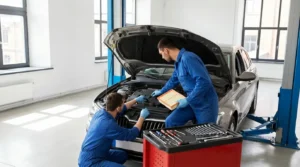
Routine work keeps systems running efficiently. If you ask how to improve fuel economy, start with scheduled maintenance.
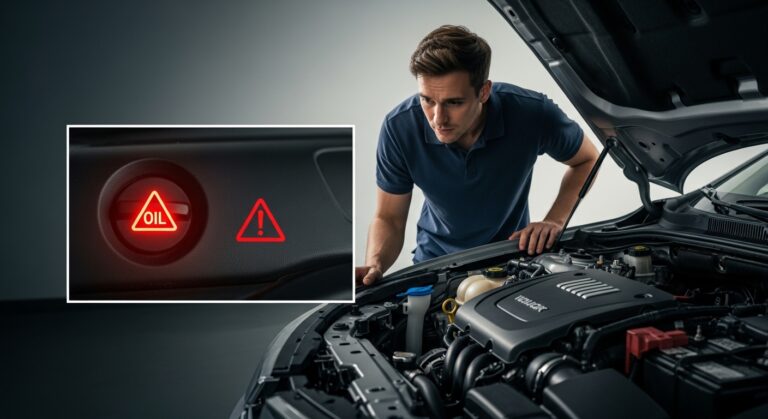
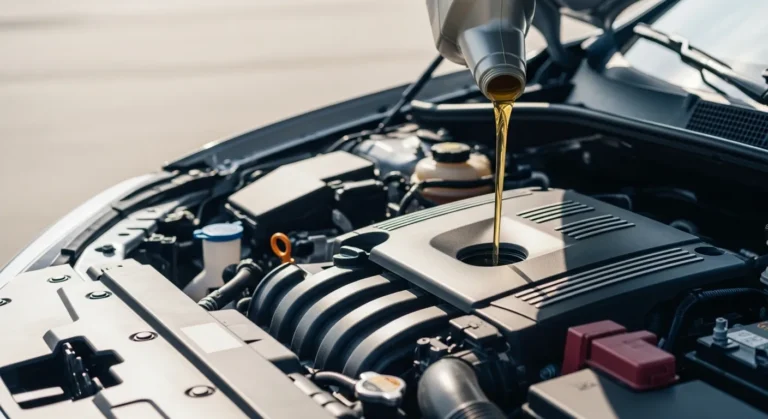
- Keep oil fresh. Using recommended oil grade reduces engine friction.
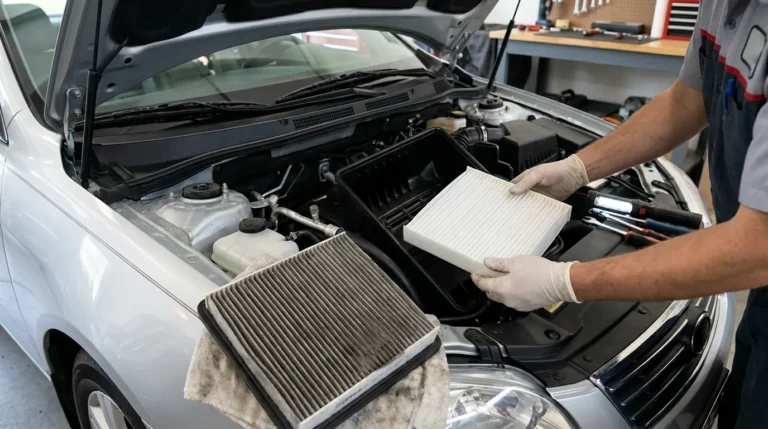
- Replace air filters. A clean filter improves combustion and fuel efficiency.
- Maintain spark plugs and ignition. Worn plugs lower power and raise fuel use.
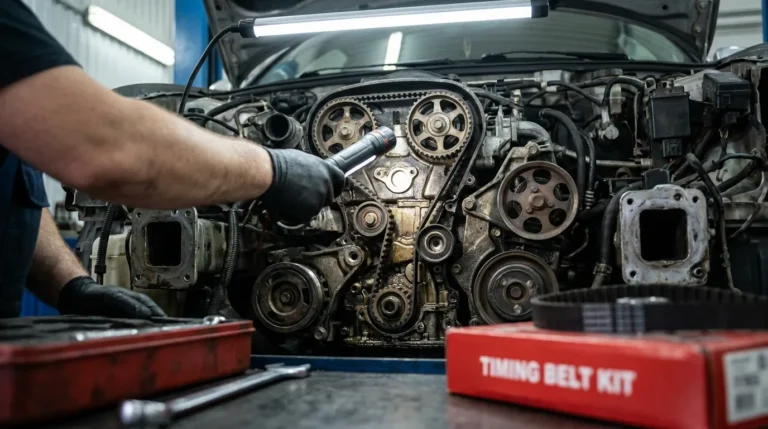
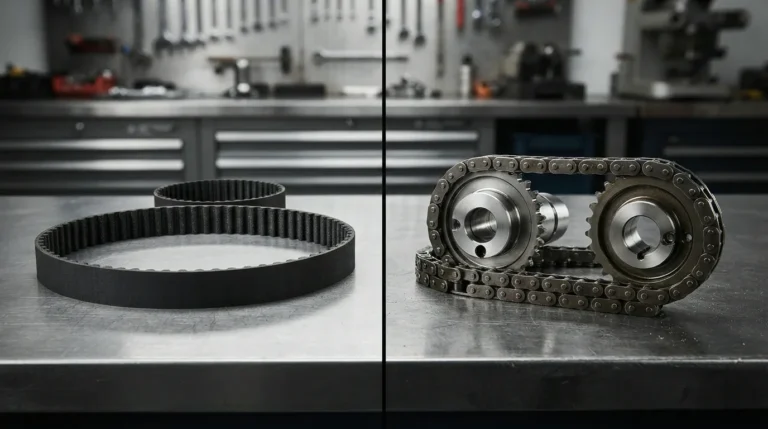
- Ensure proper engine tuning. A well-tuned engine burns fuel more cleanly.
From experience, skipping small services can drop fuel economy noticeably. I once regained nearly 1 mpg after replacing an old air filter and spark plugs. Regular maintenance is a reliable route to how to improve fuel economy.

Tires, aerodynamics, and load
Tires and load matter more than many drivers realize. If you want to learn how to improve fuel economy, focus on tires and weight.
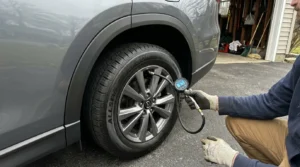
- Keep tires inflated to the recommended pressure. Low pressure increases rolling resistance.
- Use low-rolling-resistance tires if you drive mainly on pavement. They trade little grip for better mpg.
- Remove roof racks and cargo carriers when not needed. They increase aerodynamic drag dramatically.
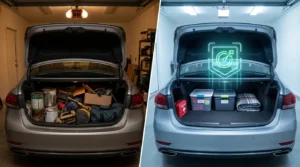
- Lighten the load. Remove heavy items from the trunk and interior to reduce engine work.
A personal rule: I clear out excess cargo every month. On highway trips, removing a rooftop box improved fuel economy by several percent. Simple reductions in drag and weight directly address how to improve fuel economy.
Source: autorepairindy.com
Fuel choice, technology, and upgrades
Modern tech can make a difference. If you’re wondering how to improve fuel economy further, consider fuel quality and smart upgrades.
- Use the recommended octane and quality for your engine. Higher octane seldom helps unless required.
- Consider engine or transmission software updates from dealers. They can optimize efficiency.
- Invest in fuel-saving tech where sensible: start-stop systems, hybrid powertrains, or EV options.
- Learn efficient use of air conditioning. Use A/C judiciously; at low speeds it costs more than at highway speeds.
I tested two identical models with different tune updates. The one with the efficiency tune saw a small but real mpg gain. Upgrades can help, but always weigh cost versus likely fuel savings when thinking about how to improve fuel economy.
Trip planning and small behavior tweaks
Better planning reduces wasted miles. If you want practical steps for how to improve fuel economy, plan trips to avoid congestion and extra driving.
- Combine errands into one trip. Cold starts use more fuel than continued driving.
- Use navigation to avoid traffic and unnecessary idling. Real-time routing saves time and gas.
- Time travel for lighter traffic. Off-peak driving often keeps you in more efficient speed ranges.
- Park closer and walk when possible. Short walks can reduce short, fuel-hungry drives.
When I mapped errands by neighborhood instead of returning home between stops, I cut weekly driving by 12% and saw immediate fuel savings. Good planning is a low-effort way to improve fuel economy.
People also ask
How much can I save by changing driving habits?
Small changes add up. Most drivers see 5–15% better fuel economy from calm acceleration, steady speed, and reduced idling.
Do fuel additives improve mileage?
Most additives don’t give measurable mpg gains. Keep to manufacturer-recommended products and focus on maintenance for reliable improvements.
Is it worth switching to synthetic oil for fuel savings?
Synthetic oil can lower friction and slightly improve mileage. The gains are modest, but longer service intervals and engine protection may justify the cost.
Frequently Asked Questions of how to improve fuel economy
What daily habits help the most?
Drive smoothly, avoid rapid starts and stops, and maintain steady highway speeds. These habits consistently yield the best fuel savings.
How often should I check tire pressure?
Check tire pressure at least once a month and before long trips. Proper pressure improves mpg and tire life.
Will removing a roof rack really help?
Yes. Removing roof racks or cargo boxes reduces aerodynamic drag and can boost highway fuel economy by several percent.
Can car weight affect fuel economy a lot?
Yes. Every extra 100 pounds can lower mpg slightly; carry only what you need to minimize fuel use.
Does idling hurt fuel economy?
Yes. Idling consumes fuel without moving you. Turning off the engine during long waits saves fuel and emissions.
Are hybrids and EVs better for fuel costs?
Hybrids and EVs usually lower operating fuel costs, especially in city driving where regenerative braking recovers energy. Consider total cost of ownership and charging access when choosing.
Conclusion
You can cut fuel use today by changing how you drive, keeping your car well maintained, and planning smarter trips. Start with three actions: drive smoothly, keep tires right, and remove excess weight—then build more habits and upgrades over time. Try one change this week and track your fuel use to see results.
Explore more tips, share your experiences below, or subscribe for weekly practical guides to save fuel and money.