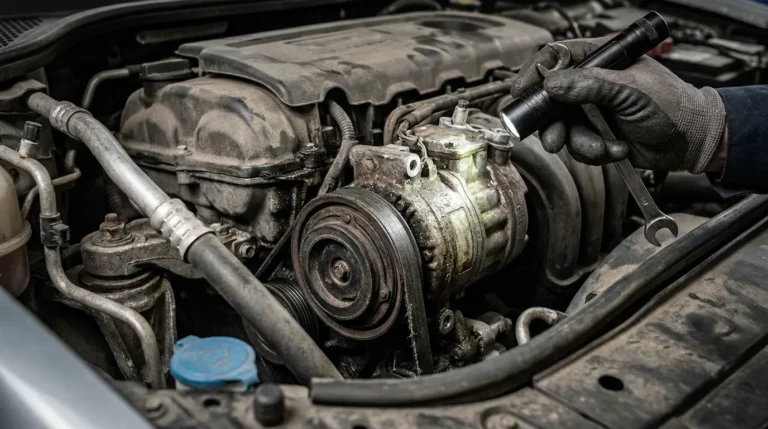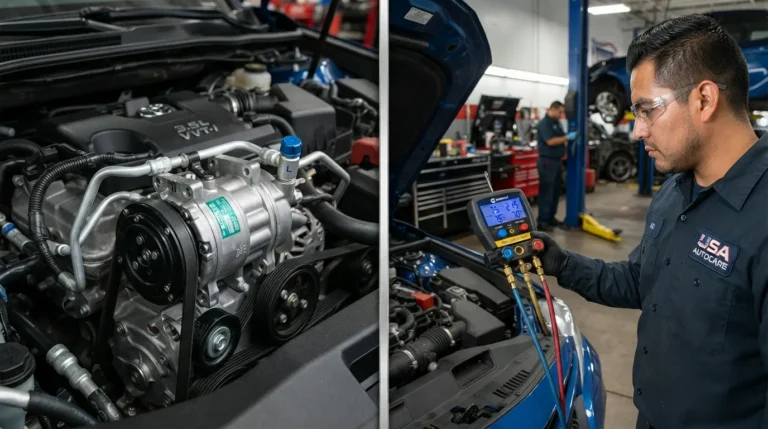
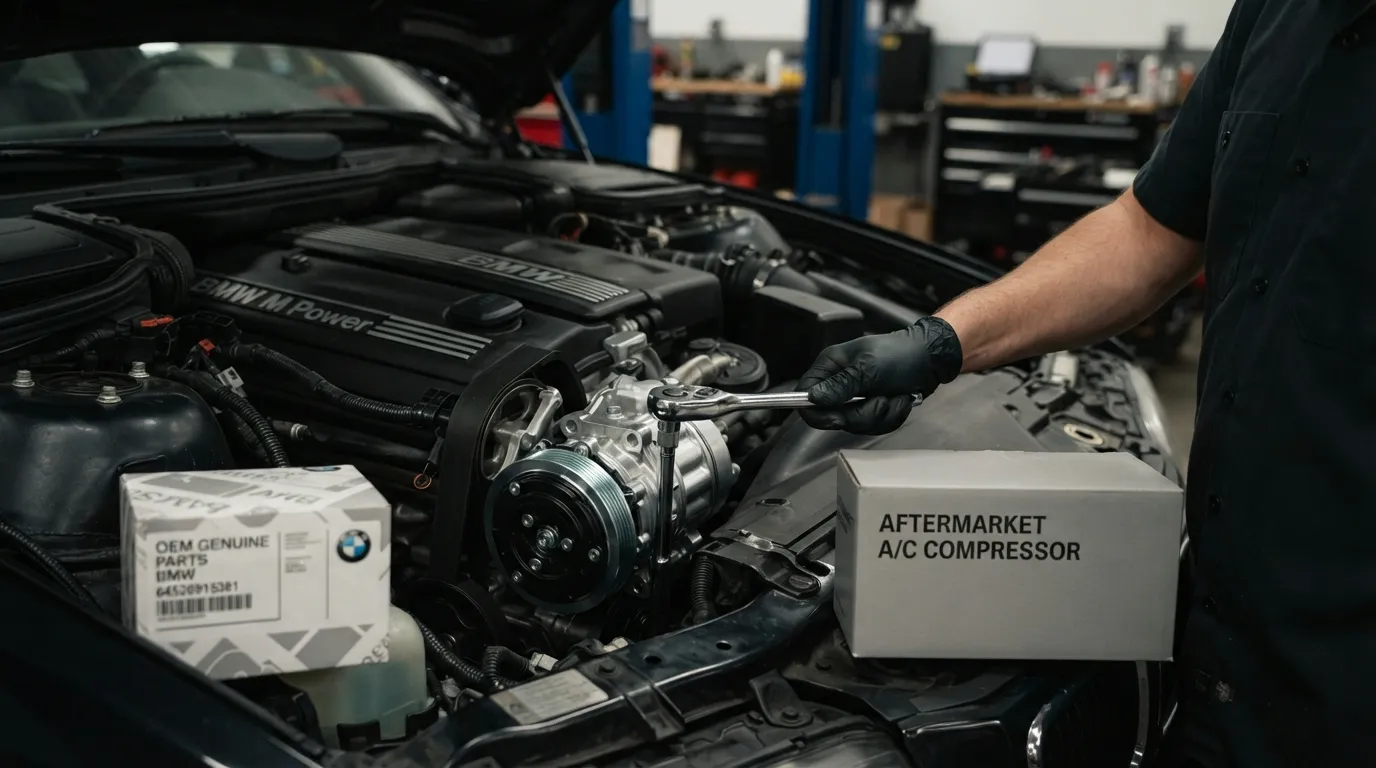
OEM parts usually cost more but fit and last longer; aftermarket saves money with mixed quality.
I’ve spent years working with car HVAC systems and sourcing parts for repairs. This article digs into oem vs aftermarket ac compressor choices. You will get clear definitions, real-world pros and cons, cost and warranty comparisons, and a practical decision checklist. Read on to learn how to pick the right compressor for your budget, vehicle, and peace of mind. Car AC blowing warm air.
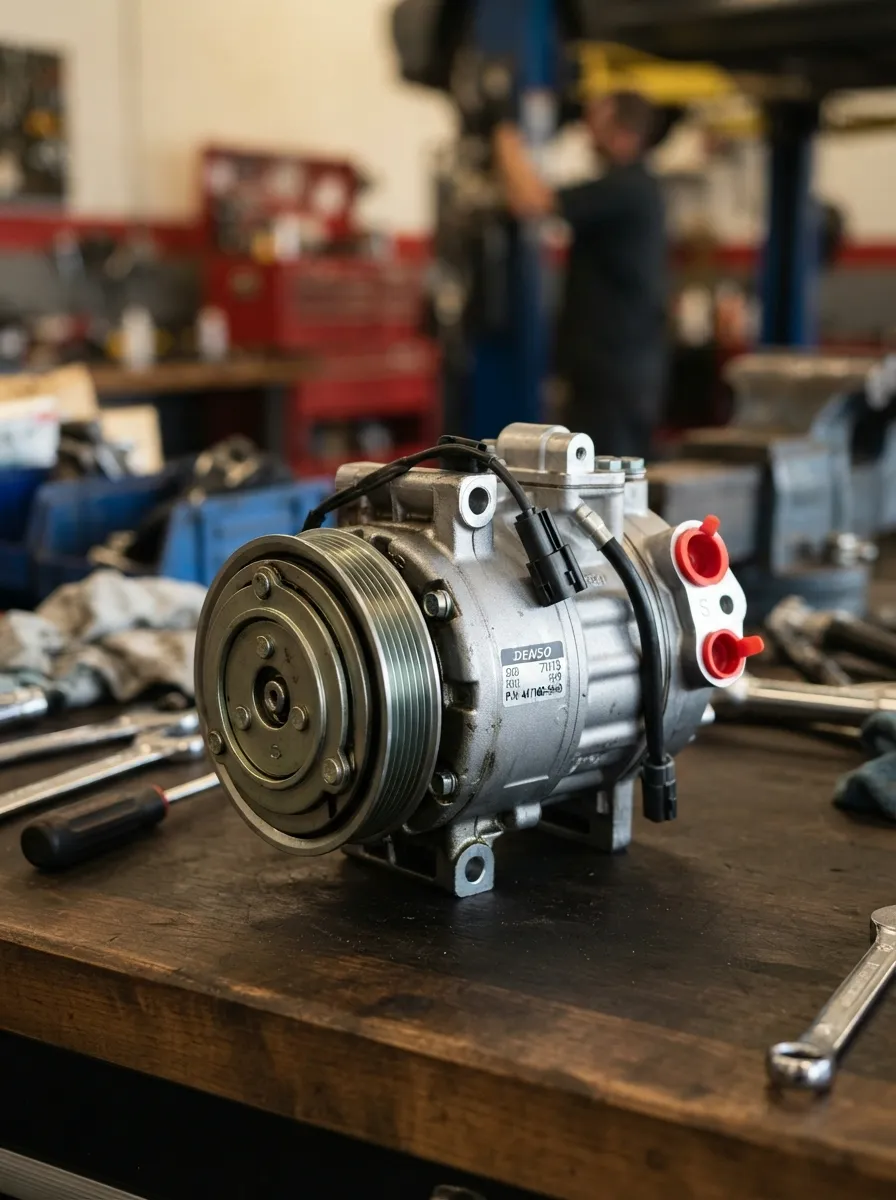
Understanding the basics of oem vs aftermarket ac compressor
An AC compressor moves refrigerant through the air conditioning system. It creates pressure and flow so your cabin gets cool air. When a compressor fails, you must choose between an OEM part or an aftermarket replacement.
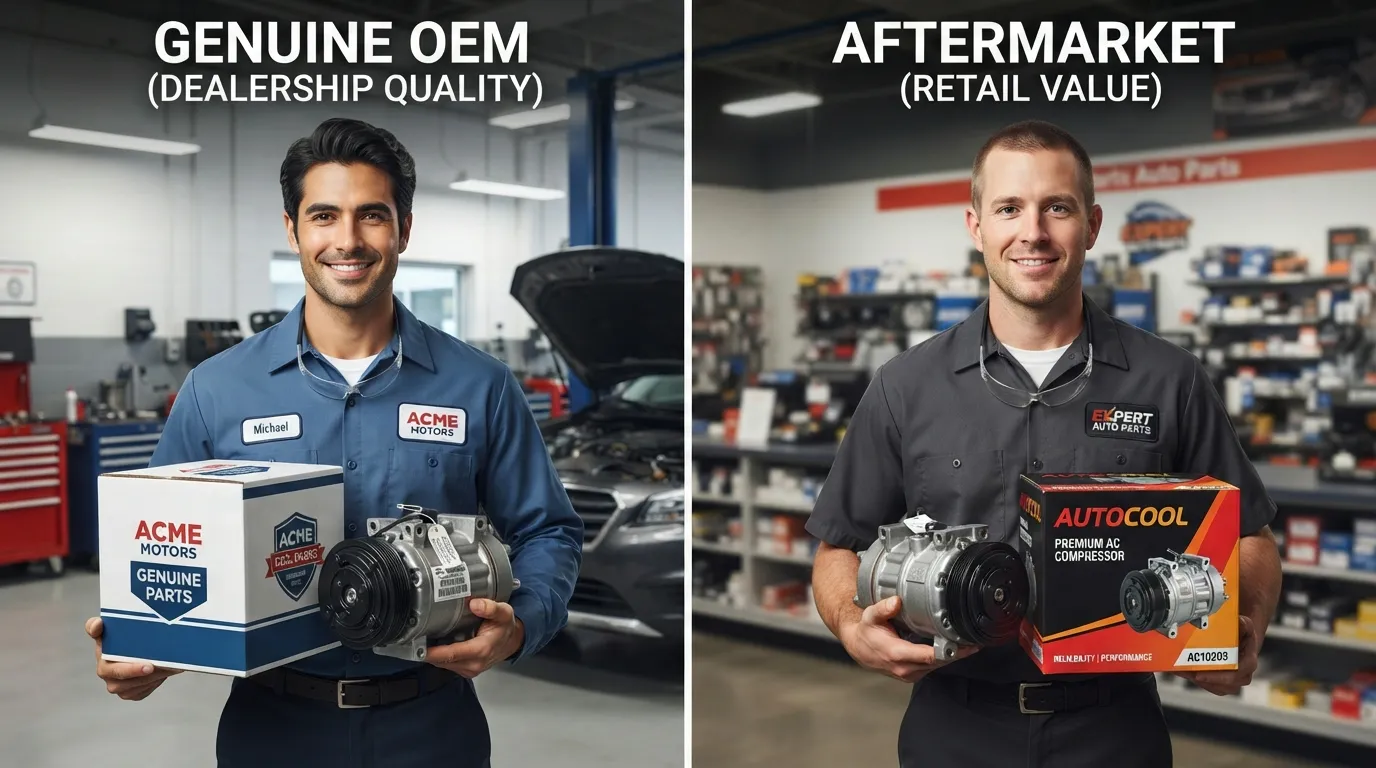
OEM means Original Equipment Manufacturer. That is the compressor made for your car by the brand that supplied the factory. Aftermarket means any replacement made by other companies. This includes new aftermarket units, remanufactured compressors, and direct-fit replicas. The oem vs aftermarket ac compressor choice affects fit, function, warranty, and cost.
Key differences in the oem vs aftermarket ac compressor debate
Here are the main ways OEM and aftermarket compressors differ.
- Fit and compatibility. OEM parts are built to original specs. Aftermarket parts vary in fit; many are direct-fit but some require bracket or hose tweaks.
- Quality and materials. OEM parts follow factory tolerances and materials. Aftermarket quality ranges from budget to premium replacements.
- Warranty and support. OEM units often carry strong warranties via dealers. Aftermarket warranties depend on the maker and seller.
- Price and availability. Aftermarket compressors are usually cheaper and easier to source. OEM parts cost more and may require dealer ordering.
- Remanufactured options. Remanufactured compressors sit between OEM and aftermarket in price. They reuse cores but include replaced wear parts and tests.
When comparing oem vs aftermarket ac compressor, remember that “aftermarket” covers many tiers. Pick carefully based on your vehicle, mileage, and plans for long-term ownership.
Pros and cons of OEM and aftermarket compressors
OEM pros
- Exact fit and factory specs for your vehicle.
- Reliable performance and matched components.
- Often backed by dealer warranty and technical support.
OEM cons
- Higher upfront cost.
- Sometimes longer lead time.
- Limited to the original design—no performance upgrades.
Aftermarket pros
- Lower price options.
- Wide selection, including upgraded or improved designs.
- Fast availability from many retailers.
Aftermarket cons
- Quality varies by brand.
- Fitment issues possible on some models.
- Warranty and parts support can be inconsistent.
When thinking of oem vs aftermarket ac compressor, weigh what matters most: cost savings or guaranteed fit and support.

Cost, availability, and warranty considerations
Price is a major driver in the oem vs aftermarket ac compressor choice. Typical trends:
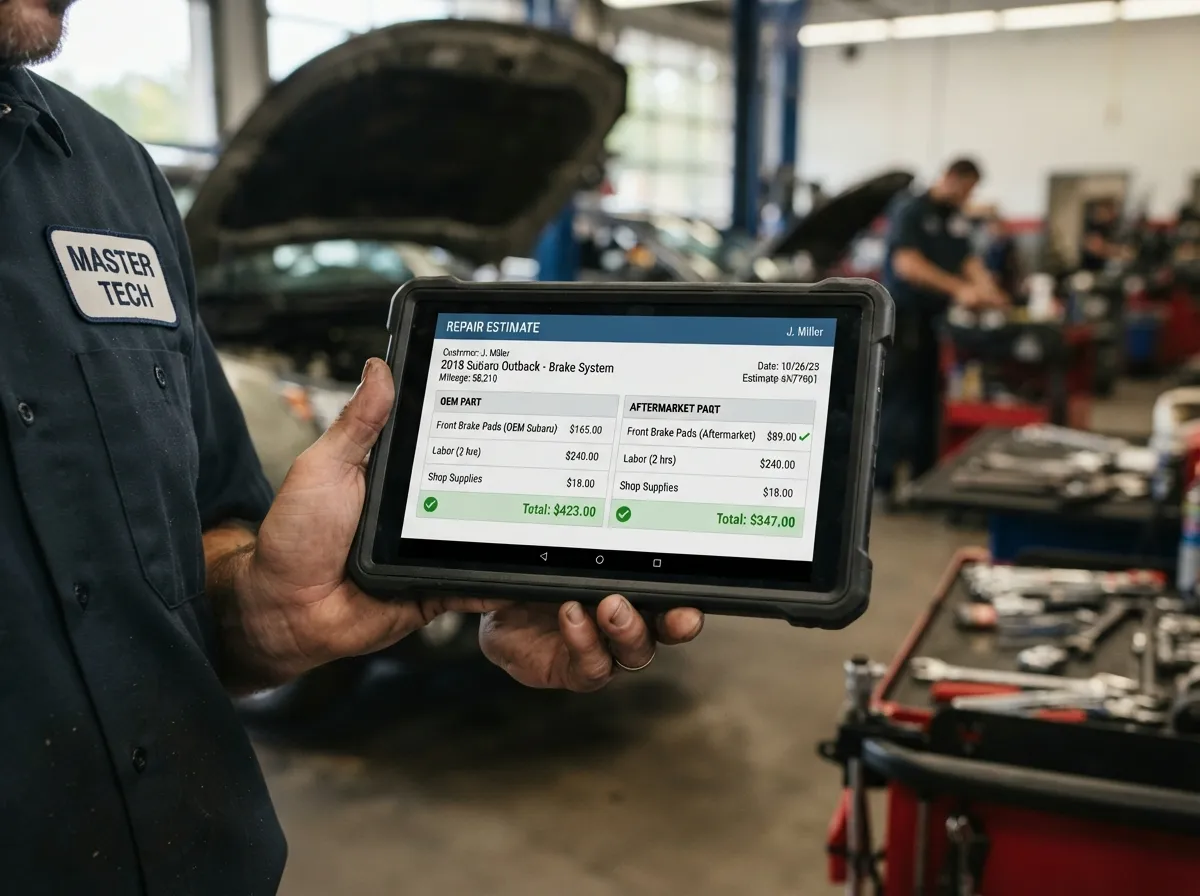
- OEM compressors often cost 50% to 200% more than budget aftermarket units.
- Remanufactured compressors can offer large savings with moderate warranty coverage.
- Labor can cost as much or more than parts. Replacing a compressor often requires system evacuation and recharge, adding expense.
Warranty matters. OEM parts may include a limited parts warranty plus dealer support. Aftermarket warranties range from 90 days to multiple years. Always read terms—some warranties require proof of professional installation and use of fresh refrigerant and oil.
If you’re replacing an OEM compressor on a high-mileage vehicle, an aftermarket or remanufactured unit may be the sensible choice. For newer cars or if you plan to keep the car long-term, the added cost of an OEM compressor can pay off in fewer headaches.

Reliability, performance, and longevity
Reliability depends on manufacturing, correct installation, and system condition.
- OEM compressors meet factory durability targets. They tend to last longer if the rest of the AC system is in good shape.
- Aftermarket reliability varies. Reputable brands test units to standards, while cheap units may fail sooner.
- Remanufactured compressors can last as long as new units if rebuilt properly and tested.
Performance factors to check:
- Refrigerant compatibility. Make sure the compressor is rated for your refrigerant type.
- Clutch and pulley alignment. Even a high-quality compressor can fail early if misaligned.
- Oil type and amount. Using wrong oil reduces lifespan and damages system components.
From my experience, a good-quality aftermarket compressor installed correctly and paired with fresh drier and refrigerant often performs similarly to OEM for many years. But cheap units can return quickly with noise or leak issues. When considering oem vs aftermarket ac compressor, factor in the entire system condition.

Installation, compatibility, and vehicle fitment
Installation affects outcome as much as the part choice.
- System flush and drier replacement. Replace the receiver/drier or accumulator and flush lines when changing compressors. This protects any new unit.
- Proper refrigerant oil. Follow manufacturer oil type and charge amounts.
- Electrical and sensor issues. Newer vehicles have sensors and clutch controls that must be compatible.
- Mounting and hoses. Some aftermarket compressors need adapter plates or slightly different hoses.
If you pick an aftermarket compressor, confirm exact fitment for your VIN or engine code. Mismatches can cause leaks, poor cooling, or damage. Professional installation reduces the risk of avoidable failures. In the oem vs aftermarket ac compressor choice, installation quality often decides whether savings were worth it.

How to choose: step-by-step decision guide
Follow this checklist when deciding between OEM and aftermarket compressors.
- Confirm the failed component. Diagnose to be sure the compressor is bad and not the clutch, expansion valve, or other part.
- Inspect the system. Look for oil, metal debris, and other failures. Replace drier and consider a system flush.
- Set a budget. Include parts, labor, refrigerant, and disposal fees.
- Decide based on ownership plans:
- Keep long-term: lean OEM or high-quality remanufactured.
- Sell soon or on tight budget: consider mid-tier aftermarket.
- Research brands. Read reviews and warranty terms. Ask where the unit is made and test methods.
- Choose professional installation. Ensure proper evacuation and charging.
This method makes the oem vs aftermarket ac compressor decision clear. Use it to avoid common mistakes and unexpected costs.

My experience and practical tips
I’ve replaced many compressors in both older trucks and late-model cars. A few lessons I learned:
- Never skip the drier. One skipped drier led to a compressor failure days later on my own vehicle.
- Pay for a quality core or remanufactured unit. I saved money and avoided a return trip by choosing a trusted remanufacturer.
- Keep detailed receipts. Warranties often require proof of proper installation and refrigerant charge.
If you want to save money, buy a reputable aftermarket compressor and insist a pro installs it with a new drier and the correct oil. If you value peace of mind, the OEM route is solid. I tend to recommend a high-quality reman or premium aftermarket unit for mid-age cars and OEM for vehicles I plan to keep for years.
Frequently Asked Questions of oem vs aftermarket ac compressor
What is the main difference between OEM and aftermarket compressors?
OEM compressors are built to original factory specs for fit and performance. Aftermarket compressors are made by other companies and can vary widely in design and quality.
Are aftermarket compressors reliable?
Many aftermarket compressors are reliable when bought from reputable brands. Cheap options may fail sooner and have less consistent quality control.
Is installation different for OEM vs aftermarket compressors?
Installation steps are the same, but aftermarket units sometimes need slight adjustments or adapters. Proper evacuation, drier replacement, and oil charge remain essential.
How much can I save choosing aftermarket over OEM?
Savings vary by vehicle. Typical parts savings range from 30% to 70% compared to OEM, but labor and additional parts affect total cost.
Should I replace other AC parts when changing the compressor?
Yes. Replace the receiver/drier or accumulator and inspect hoses and expansion valves. Flushing the system is often recommended to protect the new compressor.
Can remanufactured compressors be a good middle ground?
Yes. Remanufactured compressors are rebuilt and tested, often offering a balance between cost and reliability. Warranty terms matter, so check coverage.
Conclusion
Choosing between an oem vs aftermarket ac compressor comes down to budget, vehicle age, and long-term plans. OEM units offer assured fit and dealer support. Aftermarket and remanufactured options can save significant money when chosen wisely and installed correctly. Use the checklist here to diagnose, compare options, and plan a proper installation. If you want fewer surprises, prioritize quality parts, a fresh drier, and professional service. Share your experience or questions below, or subscribe for more guides on car repairs and parts sourcing.