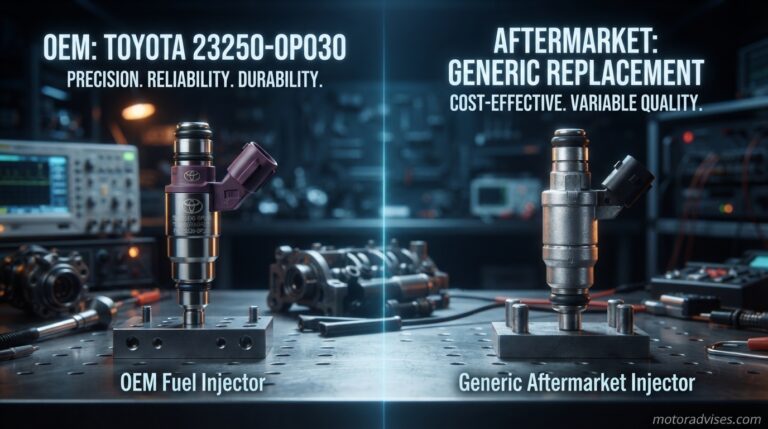
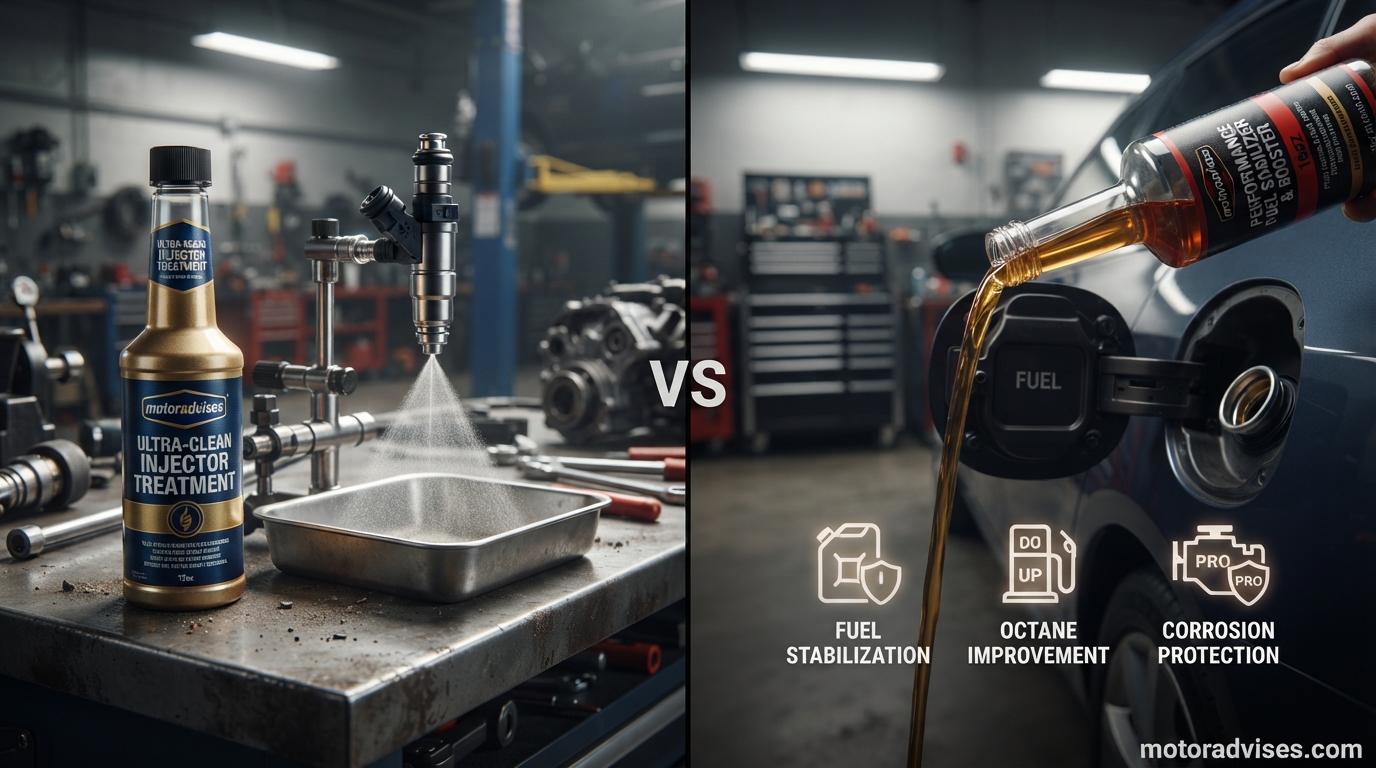
Fuel injector cleaner vs fuel additive: cleaners target injectors; additives treat fuel and the whole fuel system.
I have worked on cars and tested cleaning products for years. This article breaks down fuel injector cleaner vs fuel additive with clear, practical advice. You will learn what each product does, when to use it, and how to choose the right option for your vehicle. Read on for hands-on tips, pros and cons, and simple steps to keep your engine running clean.

Understanding the basics: what each product is and why it matters
Fuel injector cleaner vs fuel additive is a common question for car owners. A fuel injector cleaner is a concentrated detergent made to remove deposits from injectors and intake ports. A fuel additive can mean many things: detergents, stabilizers, octane boosters, or corrosion inhibitors added to the fuel tank.
Both aim to improve engine performance and fuel economy. But they work in different ways and target different problems. Knowing the difference helps you pick the right product for maintenance or repair.

How fuel injector cleaner works and what it treats
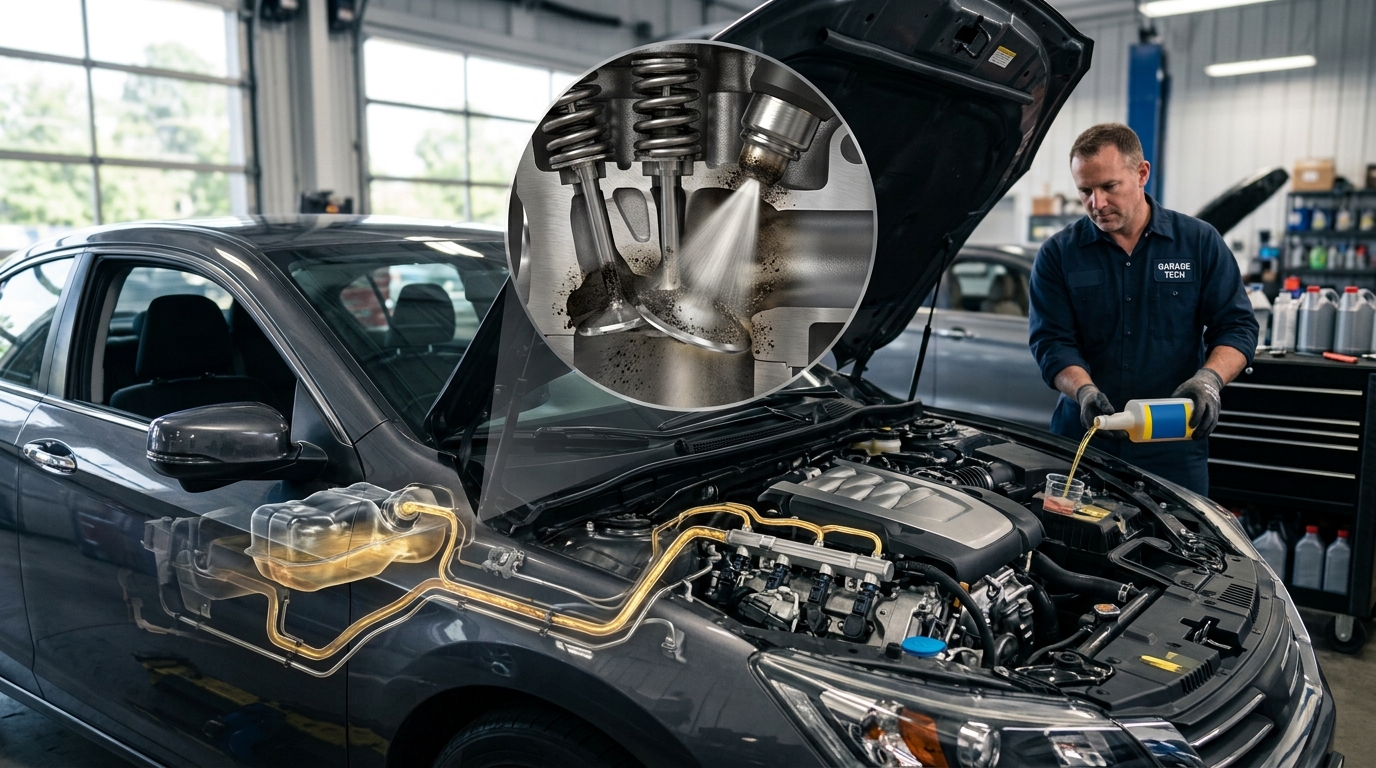
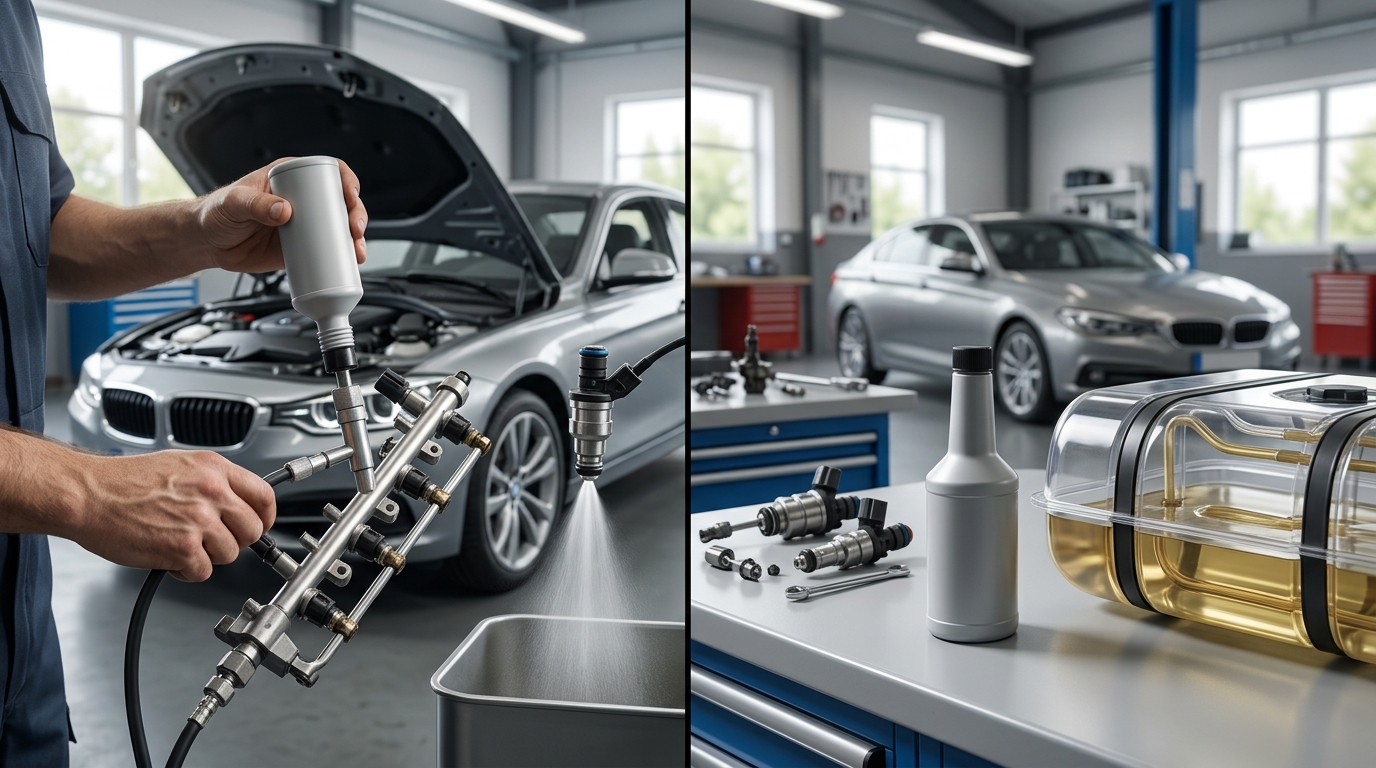
Fuel injector cleaner is formulated to dissolve varnish and carbon on injectors and intake valves. It flows through the fuel rail and spray tips while the engine runs. That direct contact loosens deposits that cause rough idle, hesitation, and misfires.
Typical benefits include:
- Improved spray pattern and fuel atomization.
- Smoother idle and quicker throttle response.
- Lower emissions and steadier fuel economy.
Use injector cleaner when injectors are slightly clogged or as preventive service. Heavy carbon build-up may need professional cleaning.
How fuel additives work and the variety available
Fuel additives is a broad term. Additives include detergents, stabilizers, octane boosters, and anti-gel agents. Each type targets a specific issue in the fuel system or fuel itself.
Common additive types:
- Detergent additives: help clean injectors and intake, but usually milder than dedicated cleaners.
- Fuel stabilizers: prevent fuel breakdown during long storage.
- Octane boosters: raise fuel octane for knock-prone engines.
- Corrosion inhibitors: protect metal in fuel tanks and lines.
Additives are often added at every fill-up or for special needs like storage or performance tuning.

Key differences: fuel injector cleaner vs fuel additive, side by side
When comparing fuel injector cleaner vs fuel additive, look at scope, concentration, and purpose. These differences matter for results and cost.
Main contrasts:
- Scope: Injector cleaner targets injectors and intake parts. Additives can treat fuel quality, storage, or octane.
- Concentration: Injector cleaners are stronger detergents. Additives often dilute more across the tank.
- Frequency: Injector cleaner is used occasionally as treatment. Additives can be used regularly or when needed.
- Symptoms addressed: Injector cleaner fixes spray and deposit issues. Additives prevent fuel breakdown or boost performance.
- Cost-effectiveness: For clogged injectors, a cleaner is usually the faster solution. For long-term fuel health, an additive may be better.
When you weigh fuel injector cleaner vs fuel additive, consider symptoms first. Choose the tool that matches the problem.
When to use each: practical scenarios
Here are simple rules I use in the shop and on my own cars.
Use fuel injector cleaner when:
- You notice rough idle, hesitation, or poor acceleration.
- The engine stumbles at low RPM.
- The check engine light points to misfire or injector issues.
Use fuel additives when:
- You store a vehicle for months and need a fuel stabilizer.
- You want to maintain fuel system health at every fill-up.
- You need a temporary octane boost for a high-compression engine.
For mild deposit prevention, add a detergent additive during scheduled maintenance. For targeted cleaning, pick a dedicated injector cleaner.

Benefits and limitations of each option
Both products help, but neither is a magic fix. Here is a frank look.
Fuel injector cleaner benefits:
- Rapidly targets injector deposits.
- Can restore spray pattern and performance.
- Affordable and easy to use.
Fuel injector cleaner limitations:
- Less effective on severe carbon or mechanical issues.
- Not a substitute for professional flow testing or ultrasonic cleaning.
Fuel additive benefits:
- Versatile: stabilizes, boosts octane, and provides mild detergency.
- Good for preventive maintenance and storage.
- Often safe for long-term use when used per instructions.
Fuel additive limitations:
- May be too weak for heavy injector fouling.
- Misuse (too much octane boost) can upset engine calibration.
How to choose: a simple decision flow
Follow these quick steps when deciding between fuel injector cleaner vs fuel additive.
- Diagnose the problem.
- If you have rough idle or misfires, prefer injector cleaner.
- Check maintenance history.
- If you never used detergents, try a cleaner first.
- Consider vehicle use.
- For seasonal storage, pick a fuel stabilizer additive.
- Read product labels.
- Look for proven detergent formulas and OEM approvals.
- When in doubt, consult a mechanic.
- Persistent issues may need professional cleaning or inspection.
Choose the option that directly matches the symptom. That saves time and money.

Safety, compatibility, and best practices
Follow these tips to avoid damage and get results.
- Always read the label for vehicle compatibility and dosage.
- Use only recommended amounts; more is not better.
- Avoid mixing unknown additives together.
- For modern direct-injection engines, select products formulated for DI systems.
- If the check engine light is on, diagnose before adding chemicals.
Proper use reduces risk and improves performance. Manufacturers test their formulas for a reason.

My hands-on experience and lessons learned
I’ve used many products on commuter cars and performance vehicles. Once, a car with hesitation responded to two bottles of injector cleaner. Another vehicle with heavy carbon needed professional walnut blasting. These experiences taught me this:
- Small problems respond well to a strong injector cleaner.
- Prevention with a good additive keeps engines happier long term.
- If symptoms persist after a cleaner, get a mechanic to inspect injectors and sensors.
I learned to keep receipts and product notes. That helps track what worked and what did not.
Cost and value: which gives more bang for the buck?
A single bottle of injector cleaner costs less than professional service. Additives are cheap per tank but add up over time. Consider value in context.
- For immediate symptom relief, injector cleaner often delivers faster gains.
- For steady maintenance, additives add value by protecting fuel during storage and use.
- If you drive many short trips, regular detergent additives can prevent deposit buildup.
Balance short-term fixes against long-term maintenance. The right choice saves money and time.
Frequently Asked Questions of fuel injector cleaner vs fuel additive
What is the main difference between a fuel injector cleaner and a fuel additive?
A fuel injector cleaner is a concentrated detergent aimed at cleaning injectors and intake. A fuel additive is a broader category that includes stabilizers, octane boosters, and milder detergents for overall fuel treatment.
Can I use a fuel additive instead of an injector cleaner?
You can use a detergent-type additive for prevention, but it may be too weak to clear heavy injector deposits. For noticeable clogging, a dedicated injector cleaner is usually more effective.
How often should I use injector cleaner or fuel additive?
Injector cleaner is typically used every few thousand miles or when symptoms appear. Many drivers add a fuel additive with detergent properties at every oil change or per manufacturer guidance.
Will injector cleaner fix a misfire or check engine light?
Injector cleaner can fix misfires caused by fuel spray issues or deposits. If the misfire persists, further diagnostics are needed since electrical or mechanical faults might be present.
Are fuel additives safe for all engines?
Most quality additives are safe when used as directed, but you should choose products labeled for your engine type, especially for direct-injection engines and modern turbocharged units.
Conclusion
Fuel injector cleaner vs fuel additive is not a contest but a choice based on need. Use a dedicated injector cleaner for deposit-related performance problems. Use fuel additives for prevention, storage, and specific fuel treatment. Both tools have a place in regular vehicle care.
Take action: inspect symptoms, pick the product that matches the issue, and track results. If unsure, ask a trusted mechanic or test a small treatment first. Share your experience or questions below and subscribe for more practical auto care tips.