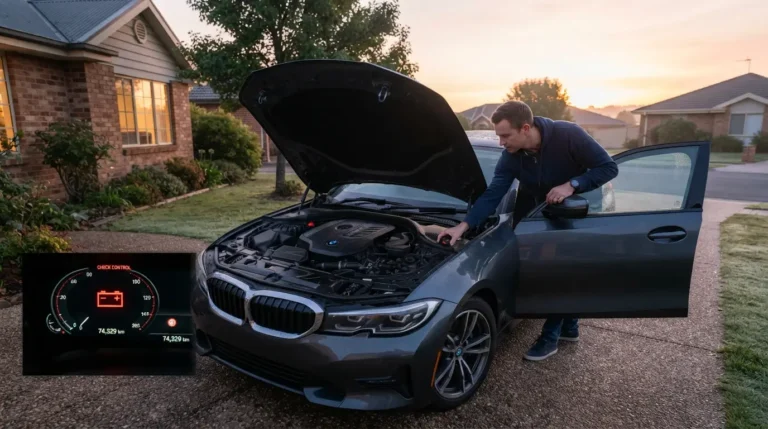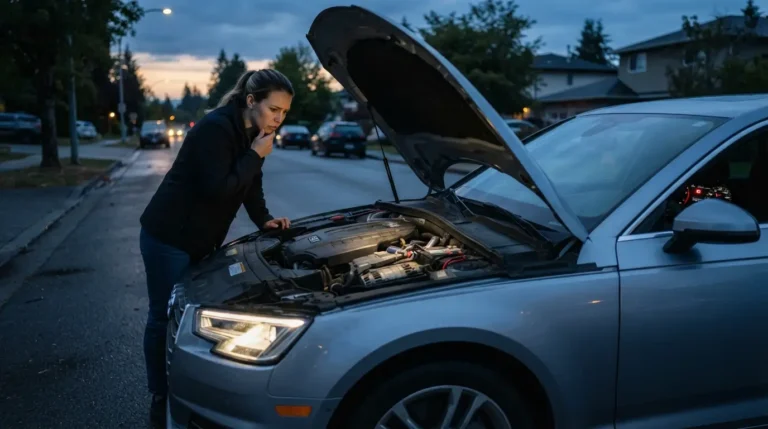

Dim lights, battery light on, weak starts, and dying engine signal charging failure.
If you’re seeing signs your car is running on borrowed time, you might be facing Alternator Not Charging Battery Symptoms. I’ve diagnosed hundreds of charging issues in daily drivers and work trucks. In this guide, you’ll learn how to spot the warning signs, test them at home, and fix the root cause with confidence.
How the Alternator Works (And What “Not Charging” Really Means)
Your alternator turns engine rotation into electrical power. A belt spins a rotor inside, creating AC power. A built-in regulator smooths it into DC voltage so the battery can charge and the car can run.
When the alternator can’t charge, the car runs off the battery alone. The battery will drain fast. You’ll see lights dim, electronics shut down, and then the engine will stall. These are classic Alternator Not Charging Battery Symptoms. In short, the system voltage drops below what your car needs to stay alive.
Modern cars use “smart” control. The PCM can change alternator output based on load and temp. That means weak output might be a bad alternator, a bad sensor, or a wiring fault. Understanding this helps you sort real Alternator Not Charging Battery Symptoms from random glitches.
The Most Common Symptoms You’ll Notice
Think of your battery as a water tank and the alternator as the pump. When the pump stops, the tank drains. Here’s what you’ll see first.
- Battery warning light or “ALT/GEN” light turns on while driving. It may flicker at idle and brighten with RPM.
- Dim headlights, slow power windows, weak blower fan, or fading radio. Electronics starve when voltage drops.
- Hard starting or a click sound after a short stop. The battery didn’t recharge while you drove.
- Burning smell or whining noise from the front of the engine. A slipping belt or failing alternator bearing can make both.
- Stalling at idle, rough shifts, or ABS/airbag lights flashing. Low voltage confuses control modules.
- Dead battery after a short trip. The alternator never topped it off.
- Voltage gauge drops below about 13 volts while cruising. Many cars will show 11–12 volts right before a stall.

If you see more than one of these Alternator Not Charging Battery Symptoms at the same time, act fast. The car can die without warning. I’ve seen ride-share drivers towed from highway shoulders for ignoring that simple red battery icon.
Quick At‑Home Tests to Confirm
You can check the charging system with basic tools. No shop visit needed for a first pass.
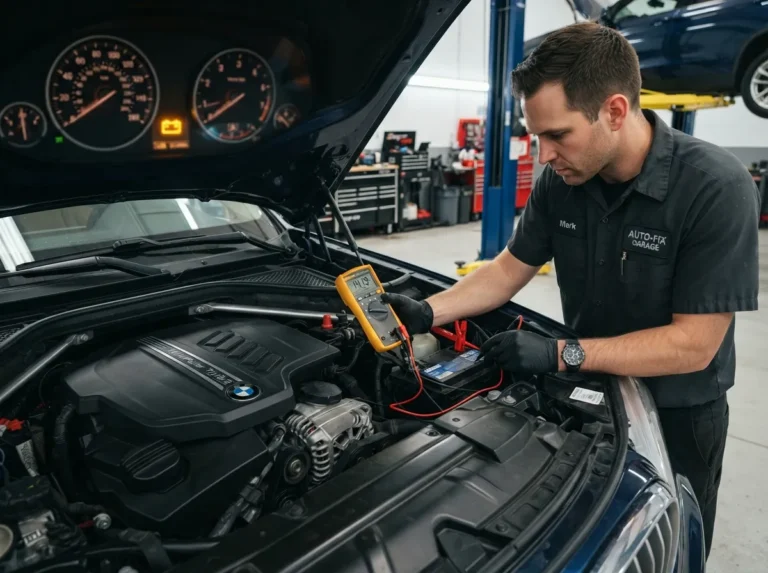
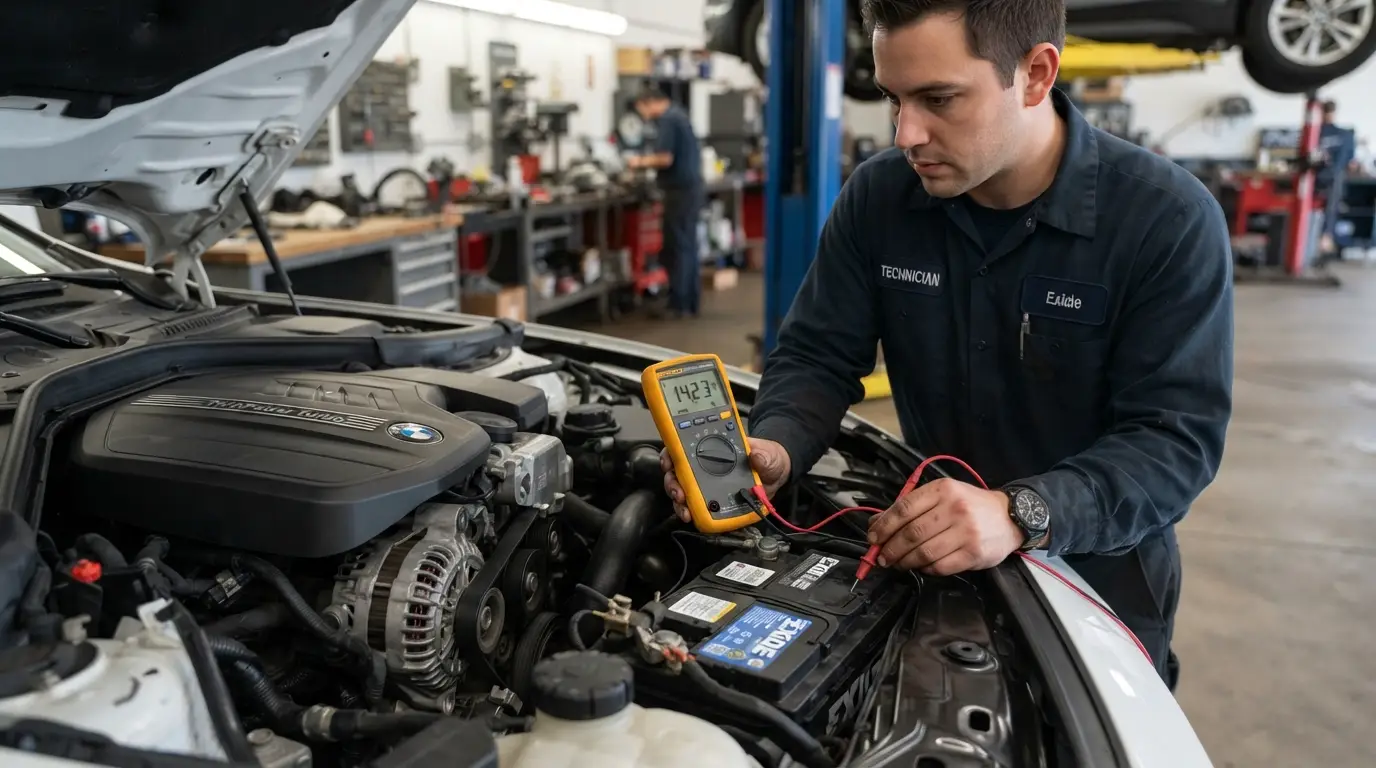
Multimeter test
- With the engine off, measure across the battery posts. A healthy, rested battery reads about 12.4–12.7 V.
- Start the engine and measure again. A good system shows about 13.8–14.6 V at idle. If you see 12 V or less, the alternator is not charging.
- Turn on headlights, rear defroster, and blower. Voltage should stay near 13.8–14.4 V. Big drops mean weak output or a belt issue.
Belt and connection check
- Inspect the serpentine belt. Look for cracks, glazing, or slack. A loose belt can mimic Alternator Not Charging Battery Symptoms.
- Wiggle battery cables and the alternator plug. Check for green corrosion, loose grounds, or a broken fusible link.
- Check the engine ground strap. A bad ground can block charge current.

Load test at idle
- Let the car idle with big loads on. If lights pulse, the alternator may have weak diodes. A sharp whine that changes with RPM also points to alternator failure.
Scan data if you can
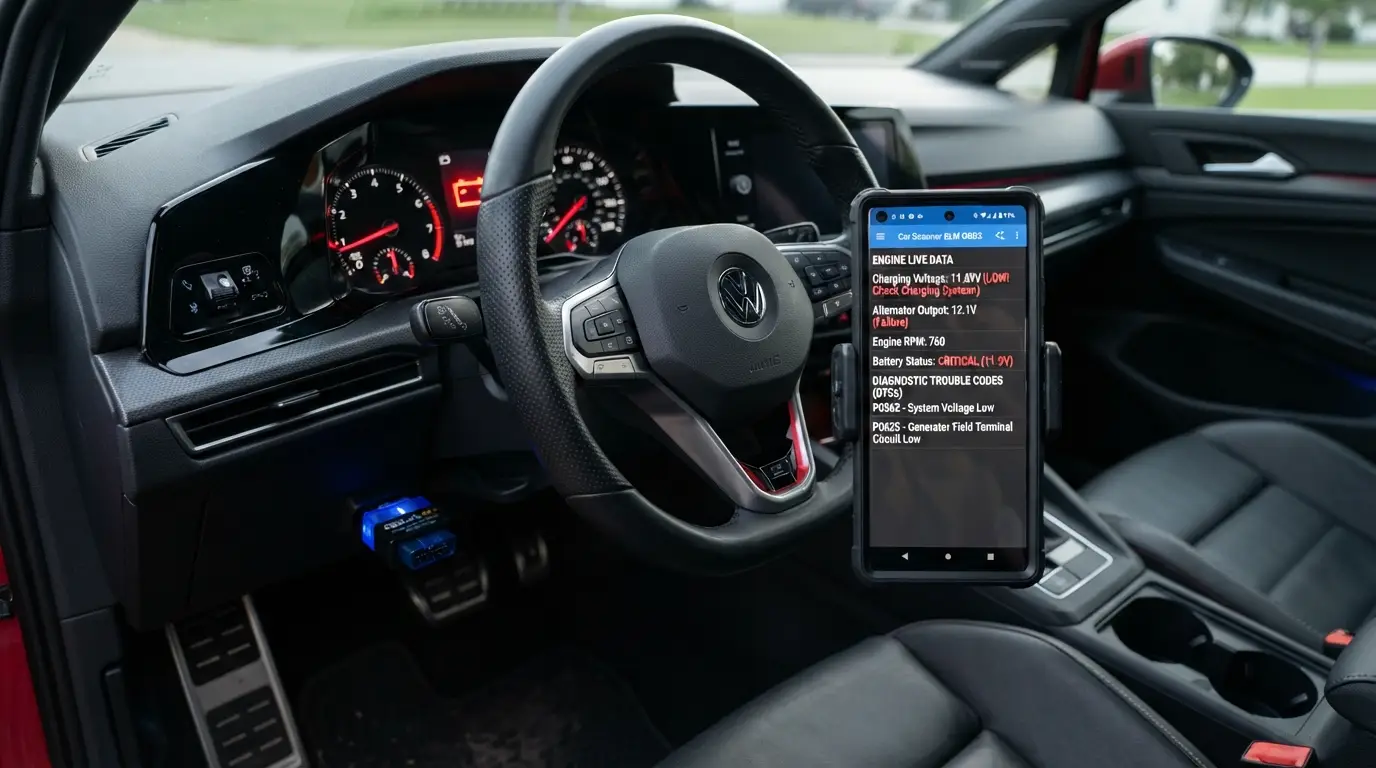
- A basic OBD-II scanner can show charging codes and live voltage. Some cars report alternator duty cycle. Abnormal readings help confirm Alternator Not Charging Battery Symptoms versus a sensor or control issue.
If your tests point to low charging voltage, you likely have true Alternator Not Charging Battery Symptoms, not just a tired battery.
Root Causes: Why Alternators Stop Charging
The alternator is part of a system. Any weak link can kill charging.
Mechanical or electrical failures
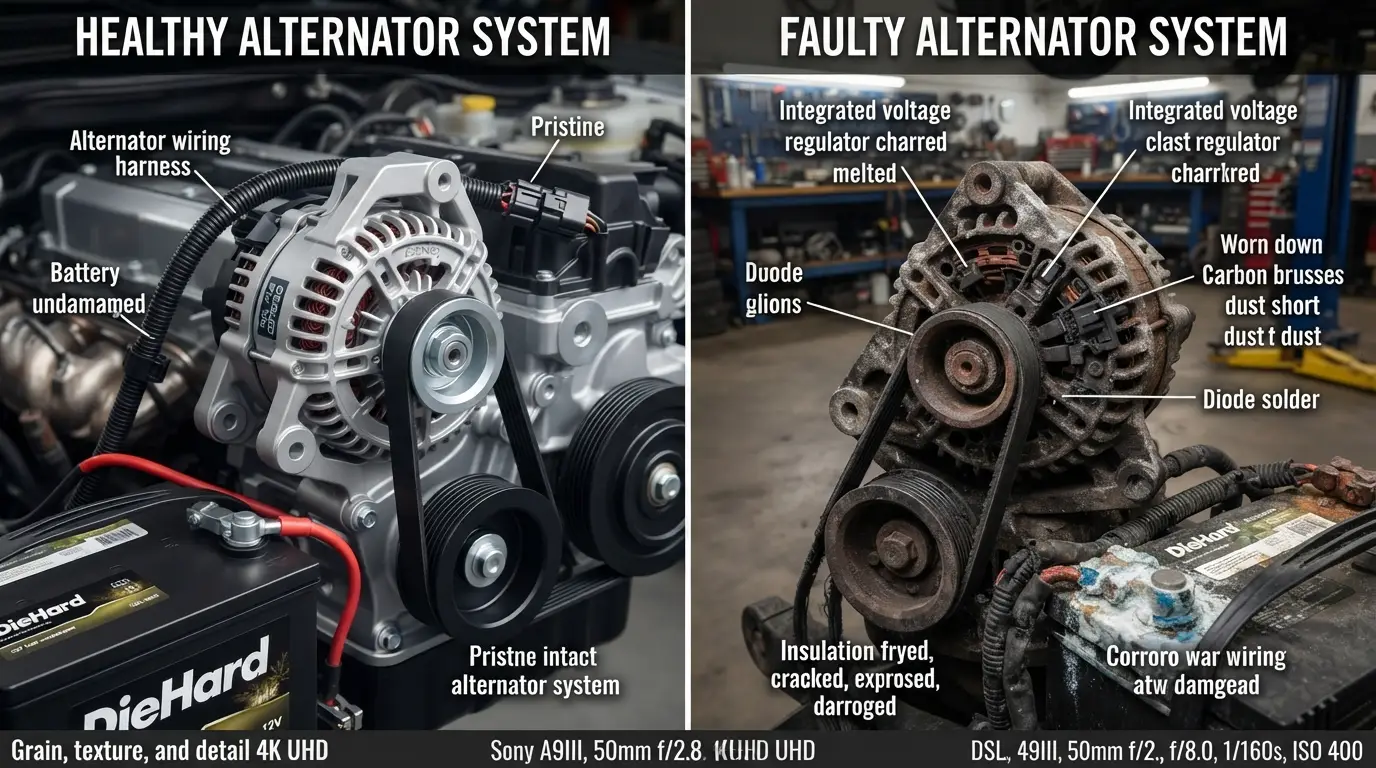
- Worn brushes or slip rings reduce contact. Output drops and flickers.
- Bad voltage regulator inside the alternator causes undercharge or overcharge.
- Failed diodes cut output in half and add AC ripple that confuses modules.
- Seized or noisy bearings increase drag and can smoke the belt.
External issues
- Loose, glazed, or oil-soaked serpentine belt slips under load.
- Corroded battery posts, broken grounds, or a blown fuse/fusible link block current flow.
- Damaged wiring to the alternator plug stops the field from turning on.
- PCM or sensor faults on “smart” systems (battery current sensor, temp sensor) command low output.
Misleading culprits
- A shorted or sulfated battery drags voltage down. The alternator works hard but cannot recover.
- Aftermarket audio or added lights overload the system. The alternator can’t keep up.
In my shop, over half of Alternator Not Charging Battery Symptoms come from belt or connection issues, not the alternator itself. Check the simple stuff first.
Is It Safe to Keep Driving?
You can drive only as long as the battery holds out. With lights on at night, that can be 10–30 minutes. In daylight with low load, maybe up to an hour with a strong battery. But there’s risk.
- Power steering on some cars gets heavy when voltage drops.
- Transmissions can shift hard or stay in limp mode.
- The engine can stall without warning, even mid-turn.
If you see Alternator Not Charging Battery Symptoms, turn off non‑essentials and head to a safe stop. Do not keep jump-starting. That can damage modules.
How to Fix It, What It Costs, and How to Prevent It
Start with the basics. Cheap fixes often solve the issue.
Step-by-step plan
- Clean and tighten battery terminals and grounds. Replace any burnt fuses or fusible links.
- Inspect and replace the serpentine belt and tensioner if worn. Belt slip is common and cheap to fix.
- Test the battery. Replace it if it fails a load test. A dead battery can mimic Alternator Not Charging Battery Symptoms.
- Recheck charging voltage. If still low, replace or rebuild the alternator.
- On smart systems, check the battery current sensor and alternator control wire for faults.

Typical costs in US dollars
- Serpentine belt: 25–100. Tensioner: 50–200.
- Battery: 120–250 for most cars.
- Alternator: 250–800 for the part. 100–400 labor depending on access.
- Sensor or wiring repair: 75–300, varies by vehicle.
Prevention tips
- Replace the belt every 60–100k miles or when cracked or glazed.
- Keep oil leaks off the belt and alternator. Oil kills rubber and attracts dirt.
- Use a smart charger if you take many short trips. It keeps the battery healthy.
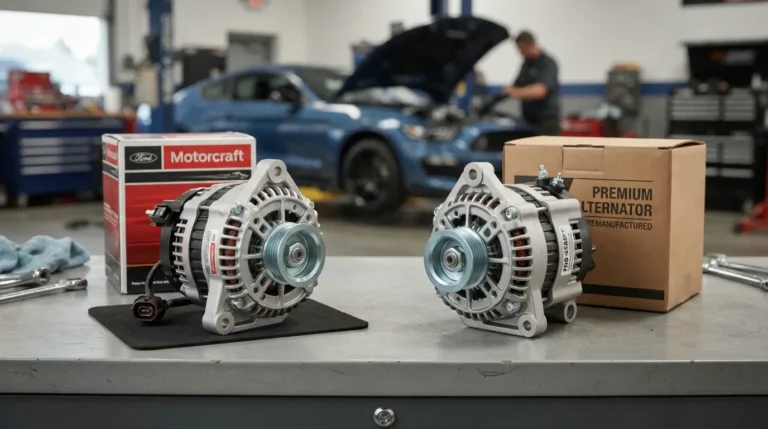
- Avoid cheap reman alternators with poor diode packs. Quality parts last longer.
Real-world note: I once chased a “bad alternator” in a delivery van. The fix was a corroded ground hidden under the battery tray. Five minutes of cleaning restored 14.2 V. Not every Alternator Not Charging Battery Symptoms case needs a new alternator.
Frequently Asked Questions of Alternator Not Charging Battery Symptoms
What’s the fastest way to tell if my alternator isn’t charging?
Check battery voltage with the engine running. If it’s under about 13.5 V, the alternator or wiring isn’t charging the battery.
Can a bad battery cause charging symptoms that look like an alternator failure?
Yes. A shorted or weak battery drags voltage down and can fool you. Load-test the battery before blaming the alternator.
Why does my battery light flicker only at idle?
A loose belt, weak alternator, or heavy load can drop voltage at low RPM. If it brightens with revs, suspect belt slip or weak brushes.
Will a jump-start fix the problem?
Only for a short time. If the alternator isn’t charging, the car will die again once the jump battery is removed.
Can a fuse cause Alternator Not Charging Battery Symptoms?
Yes. Many cars use a high‑amp fuse or fusible link in the charge circuit. If it’s blown or corroded, the battery won’t receive charge.
Conclusion
Spotting Alternator Not Charging Battery Symptoms early can save you a tow and protect your car’s electronics. Look for the battery light, dimming lights, and low voltage, then confirm with a quick multimeter test. Start with simple fixes like belts, grounds, and battery health before replacing parts.
Take action today: check your voltage, inspect the belt, and clean those terminals. If the numbers don’t add up, plan the repair before the car lets you down. Want more guides like this? Subscribe, share your story, or drop a question in the comments.