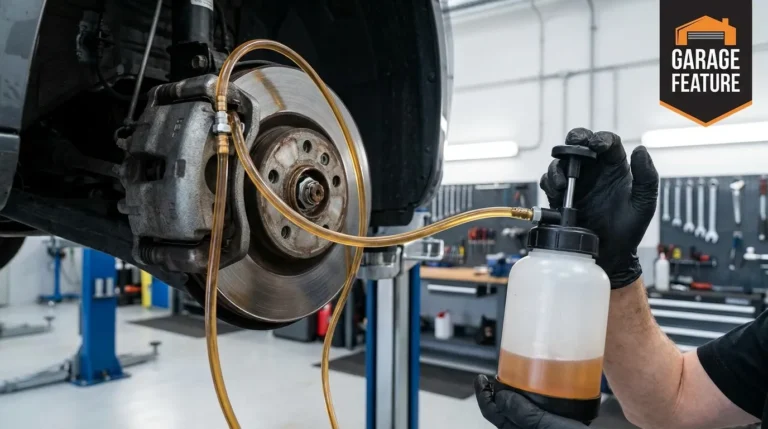
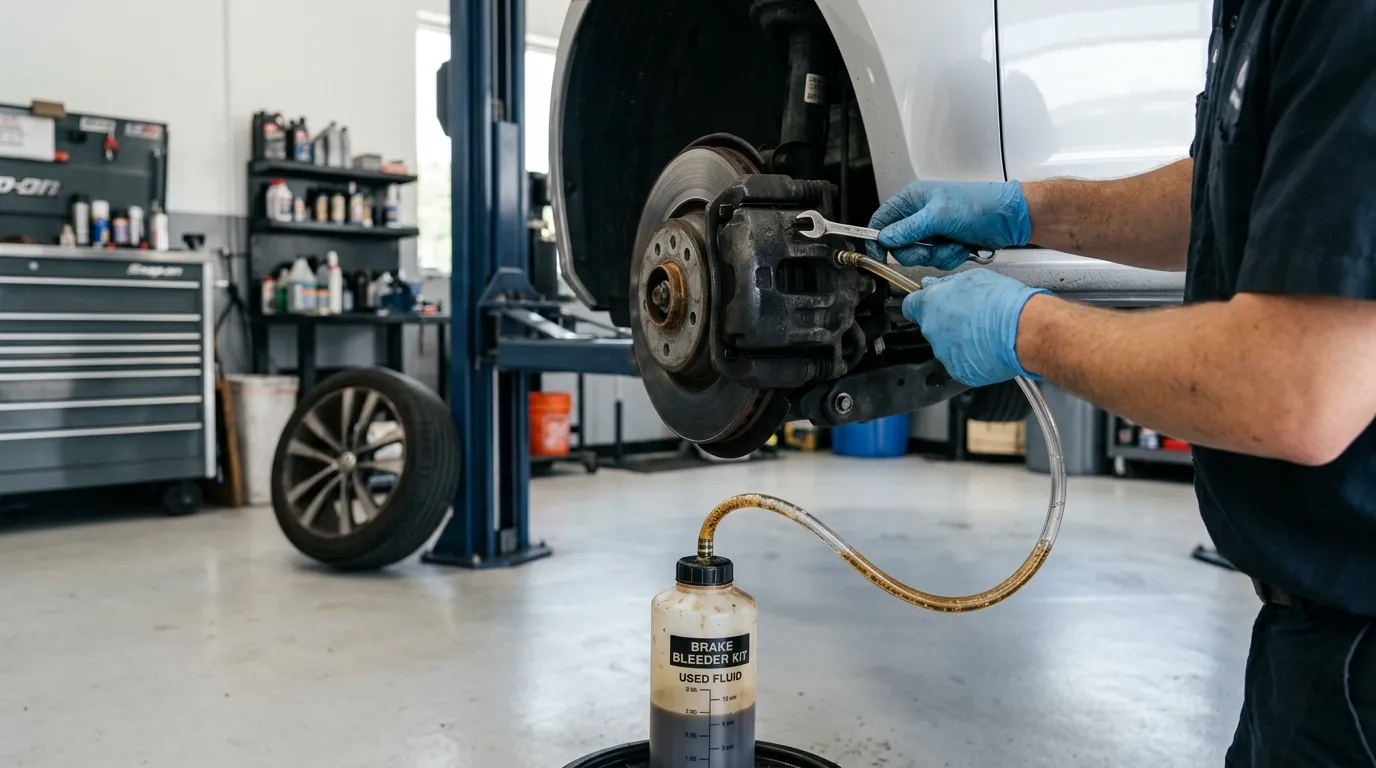
A brake bleeder kit is a simple tool that clears air from brake lines.
If you have ever wondered what is a brake bleeder kit, you’re in the right place. I’ve bled countless brake systems, from daily commuters to track cars, and I’ll walk you through the what, why, and how. Stick with me, and you’ll know exactly what is a brake bleeder kit, how it works, and which one fits your needs best.
What is a brake bleeder kit?
At its core, a brake bleeder kit helps you remove trapped air and old fluid from your brake system. When air sneaks in, the pedal feels soft and braking power drops. A kit makes the process faster, cleaner, and more reliable than the old two-person method.
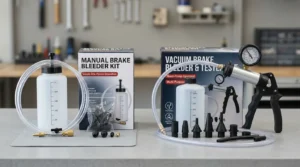
People often ask what is a brake bleeder kit when they first feel a spongy pedal. The short answer to what is a brake bleeder kit is that it’s a set of tools designed to flush and bleed brakes through controlled pressure, vacuum, or flow direction. Most kits include hoses, a catch bottle, adapters, and either a hand pump, a pressure tank, or a one-way valve.
Key parts you’ll find in a typical kit:
- Clear hose lets you see bubbles leave the system.
- Catch bottle collects old fluid and keeps your workspace clean.
- Adapters fit the master cylinder or bleeder screws on different vehicles.
- Pump and gauge manage pressure or vacuum for consistent bleeding.
If you’ve asked yourself what is a brake bleeder kit and whether it’s worth it, think of it like a chef’s favorite knife. You can cook without it, but it makes the job easier, safer, and more precise.
Why bleeding brakes matters
Air compresses. Brake fluid doesn’t. When air enters the system, your pedal feels mushy and stopping distance grows. Brake fluid is also hygroscopic, which means it absorbs moisture over time. Moisture lowers the fluid’s boiling point, leading to fade on steep hills or spirited drives. It can also cause internal corrosion in lines, calipers, and ABS pumps.
Understanding what is a brake bleeder kit helps you see why regular bleeding matters. With a kit, you can keep fresh DOT 3, DOT 4, or DOT 5.1 fluid in the system, remove air pockets, and protect expensive parts. Many OEM schedules call for fluid changes every 2 years, and sooner for track use.
Do I need to bleed brakes after pad or rotor changes?
Yes, if you opened the system or pushed fluid back into the master cylinder. Any time air could enter or fluid is old, bleed it for a firm pedal.
How often should I change brake fluid?
Every 2 years for most street cars. If you tow, live in humid areas, or drive hard, aim for every 12 months.
Can air in ABS modules cause issues?
Yes. Some ABS units trap air. Certain cars need a scan tool to cycle the ABS pump and valves during bleeding.
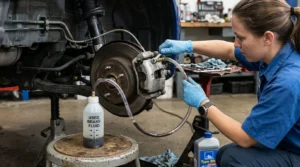
How a brake bleeder kit works
When you dig into what is a brake bleeder kit, you’ll find there are several types. Each one moves fluid and air in a specific way to clear bubbles.
Pressure bleeder
- How it works: Pressurizes the master cylinder, pushing fluid through all lines.
- Why it’s good: Even flow, great for ABS, one-person job, consistent results.
- Watch out for: Correct cap fit and safe pressure (often 10–15 psi for many cars).
Vacuum bleeder
- How it works: Pulls fluid through the bleeder screw at the caliper or wheel cylinder.
- Why it’s good: Fast setup, universal fit, one-person job.
- Watch out for: Air can sneak past bleeder threads and look like bubbles; seal with a dab of grease at the threads to reduce false air.
Reverse or injector bleeder
- How it works: Pushes fluid from the caliper up to the master cylinder.
- Why it’s good: Air wants to rise, so it can purge stubborn pockets fast.
- Watch out for: Keep the master from overflowing. Mind cleanliness to avoid pushing debris up the line.
One-way valve/hand bleeder
- How it works: A check valve lets fluid out but not back in.
- Why it’s good: Cheap, simple, portable.
- Watch out for: Less control and can be slower than pressure or vacuum.
When learning what is a brake bleeder kit used for, remember that the goal is a steady stream of clean fluid, no bubbles, and a firm pedal. Choose the style that matches your car, tools, and comfort level.
Step-by-step: Using a brake bleeder kit
If you came here asking what is a brake bleeder kit and how to use it, this quick guide will get you from soft pedal to solid stop. Always use the correct fluid type per your cap or manual, and follow FMVSS 116 fluid specs (DOT 3, DOT 4, DOT 5.1 are glycol-based; DOT 5 silicone is not compatible with most ABS and should not be mixed).
Pressure bleeder method
- Fill the pressure tank with fresh fluid and attach the correct master cylinder cap.
- Pump to the safe pressure listed by the tool or vehicle (often 10–15 psi).
- Start at the wheel farthest from the master (often RR, LR, RF, LF; check your manual).
- Open the bleeder screw. Watch for clean fluid with no bubbles. Close the screw.
- Repeat for each wheel. Keep pressure steady and fluid level topped.
- Depressurize the tank, remove the cap, and wipe any spills.
- Test pedal feel. It should be firm and high.
Vacuum bleeder method
- Fill the master cylinder with fresh fluid and keep it topped up.
- Attach clear hose from the bleeder screw to the catch bottle and vacuum pump.
- Apply vacuum and crack the bleeder screw open.
- Keep pulling until fluid runs clear with no bubbles. Close the screw.
- Move wheel to wheel in the proper order. Refill the master often.
- Finish with a few slow pedal presses to confirm firmness.
Pro tips from the field:
- Put a tiny ring of grease around bleeder screw threads during vacuum bleeding to prevent false air.
- Never let the master cylinder run dry. That invites air into the ABS and lines.
- If bubbles persist, tap calipers and lines lightly to release trapped air, then bleed again.
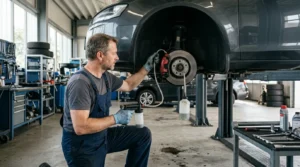
How to choose the right brake bleeder kit
If you’re still thinking what is a brake bleeder kit that fits my car, match the tool to your needs.
- Vehicle type: Many European cars need specific master cylinder caps. Trucks may need larger reservoirs and higher volume.
- ABS complexity: Pressure bleeders pair well with ABS. Some systems may still need a scan tool.
- Frequency of use: DIYers can start with a vacuum or one-way valve kit. Frequent users should invest in a solid pressure bleeder.
- Budget and build: Look for chemical-resistant seals, clear hoses, and a stable catch bottle. A metal quick-release cap is a plus.
- Fluid type: DOT 3, DOT 4, and DOT 5.1 are compatible with each other but do not mix with DOT 5 silicone.
- Storage and cleanup: A kit with secure caps and drip-free fittings saves mess and time.
My shop go-to: a pressure bleeder for most cars and a vacuum kit for fast flushes and oddball caps. That combo covers 95% of jobs.
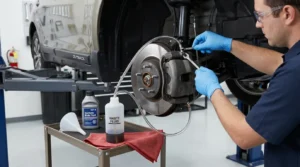
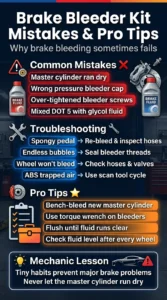
Common mistakes, troubleshooting, and pro tips
If you asked what is a brake bleeder kit and why it sometimes “doesn’t work,” odds are it’s one of these issues.
Common mistakes:
- Letting the master run dry, pulling air into the system.
- Using the wrong cap on a pressure bleeder, causing leaks or low pressure.
- Over-tightening bleeder screws and stripping threads.
- Mixing DOT 5 silicone with glycol-based fluid.
Troubleshooting:
- Spongy pedal after bleeding: Re-bleed and tap calipers; check flexible hoses for swelling.
- Endless bubbles on a vacuum kit: Seal bleeder threads with a dab of grease and check hose clamps.
- One wheel won’t bleed: Inspect for blocked hoses, stuck proportioning valves, or collapsed rubber lines.
- ABS trapped air: Some cars require a scan tool to cycle the pump and solenoids.
Pro tips:
- Bench-bleed a new master cylinder before installing.
- Use a torque wrench on bleeder screws if you struggle with feel.
- Flush until fluid is water-clear and matches fresh fluid color.
I learned the hard way when a master ran dry on a busy day. We spent an extra hour cycling the ABS. Now I set a timer to check fluid level every wheel. It’s a tiny habit that saves big headaches.
Safety, maintenance, and disposal
Brake fluid is nasty on paint and skin. Work clean and safe.
- Use gloves, rags, and fender covers. Wipe spills fast to protect paint.
- Keep fluid sealed. It absorbs water from the air and degrades.
- Store your kit dry. Rinse catch bottles and hoses with a small splash of fresh fluid, then drain.
- Dispose of used fluid at a recycling center. Never pour it down drains or on soil.
- Follow vehicle manuals and fluid standards. Most systems call for DOT 3, DOT 4, or DOT 5.1. Do not mix with DOT 5 silicone unless the system is built for it.
Knowing what is a brake bleeder kit is only half the job. Using it cleanly and safely protects you, your car, and the environment.
Costs, brands, and value
Let’s put numbers to it so you can plan.
- One-way valve kits: Budget-friendly. Good for a first try.
- Vacuum bleeder kits: Mid-range pricing. Flexible and fast for many jobs.
- Pressure bleeders: Mid to higher range. Best for consistency, ABS, and frequent use.
- Reverse bleeders: Mid-range. Great for stubborn air pockets.
Trusted names include brands known for brake tools and adapters. Look for kits with strong reviews, easy-to-get replacement seals, and wide adapter support. If you’re asking what is a brake bleeder kit that lasts for years, pay for quality caps, chemical-safe materials, and a readable gauge.
Frequently Asked Questions of what is a brake bleeder kit
What is a brake bleeder kit used for?
It removes air and old fluid from your brake lines. That gives you a firm pedal and reliable stopping power.
Can I bleed brakes without a kit?
Yes, you can do the two-person pedal method. A kit makes it faster, cleaner, and safer to do solo.
Which is better: pressure or vacuum bleeding?
Pressure is more consistent and great for ABS. Vacuum is fast to set up and works on many vehicles with fewer adapters.
Do I need special fluid?
Use what your cap or manual says: DOT 3, DOT 4, or DOT 5.1 for most cars. Do not mix DOT 5 silicone with glycol-based fluids.
How long does a full bleed take?
Typically 30–60 minutes for most cars. Stubborn air or ABS cycling can add time.
Will bleeding fix a soft brake pedal?
If air or old fluid is the cause, yes. If hoses are swelling or a master cylinder is failing, you’ll need repairs.
Can I reuse brake fluid?
No. Always use fresh, unopened fluid for best results and safety.
Conclusion
You now know what is a brake bleeder kit, why it matters, and how to use it with confidence. With the right tool, fresh fluid, and clean habits, you can restore a firm pedal and protect your braking system for years.
Take action today: pick a kit that fits your car and skill level, set aside an hour, and give your brakes the care they deserve. If you found this guide helpful, share it with a friend, subscribe for more hands-on tips, or drop your questions in the comments.