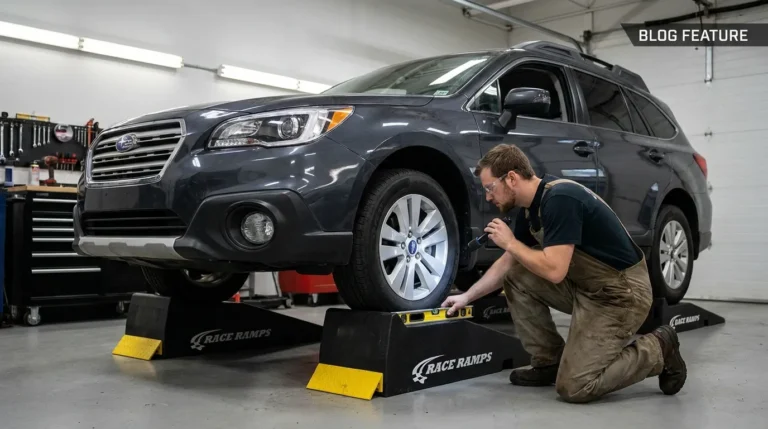
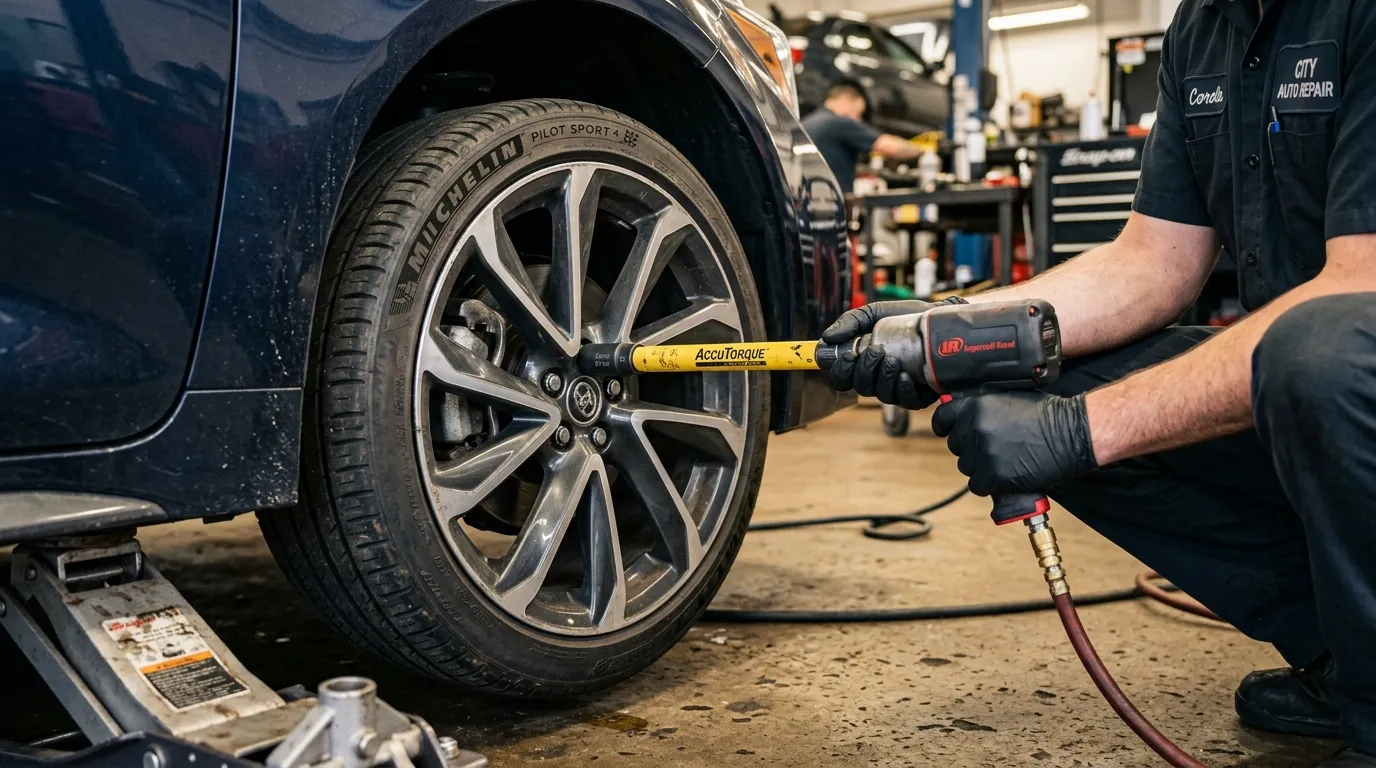
A torque stick is a flexible extension that limits applied torque when using an impact wrench.
I have used torque sticks in my shop for years. I write about them from hands-on experience and technical knowledge. This guide explains what a torque stick is, how it works, when to use one, and practical tips to get safe, repeatable fastener torque. Read on to learn clear, usable advice you can apply the next time you change wheels or work with high-torque fasteners.
What is a torque stick?
A torque stick is a hollow, flexible extension.
It fits between an impact wrench and a socket.
It is made to bend and absorb extra torque.
When the fastener reaches a set torque range, the stick flexes. This reduces the force sent to the nut or bolt.
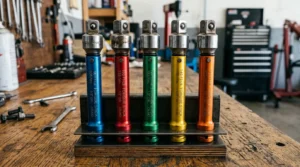
Torque sticks are often color coded by range. They let technicians use an impact tool while limiting over-torquing.
How torque sticks work
Torque sticks use spring steel or composite material.
They twist under load. The twist limits the peak torque delivered to the fastener.
Manufacturers rate sticks for a torque range, not a single torque value. Each stick works best when paired with a specific impact wrench size and socket.
A stick reduces the risk of snapping studs or overtightening wheel nuts. It does not measure torque like a wrench. It only limits it.
Types, sizes, and how to choose
Torque sticks come in common drive sizes.
- 1/2-inch drive torque sticks suitable for passenger cars and light trucks
- 3/8-inch drive sticks for small impact tools and light fasteners
- 3/4-inch and 1-inch drive sticks for heavy trucks and industrial use
Torque ranges often include:
- Low: 25–80 ft-lbs for lug nuts on small cars
- Medium: 80–150 ft-lbs for SUVs and light trucks
- High: 150–350+ ft-lbs for heavy-duty applications
Choose a torque stick by matching the stick range to the vehicle torque spec and the impact wrench capacity. If the wrench is too powerful for the stick’s range, the stick will flex but may not protect the fastener fully. If the stick’s range is higher than needed, you risk over-torquing.
When to use a torque stick vs a torque wrench
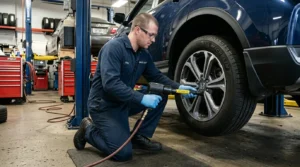
Use a torque stick when you need speed with reduced risk of over-torque.
Torque sticks are great for running lug nuts down quickly before final tightening.
Use a torque wrench to verify final torque. Torque wrenches measure and set precise values.
Do not rely only on a torque stick for the final torque check. For safety-critical fasteners, always confirm torque with a calibrated torque wrench.
Benefits and limitations of torque sticks
Benefits
- Faster wheel nut installation with an impact tool.
- Lower chance of overtightening compared to raw impact use.
- Durable and easy to use.
- Cost-effective for shops doing many wheel changes.
Limitations
- Torque sticks provide approximate torque control, not precision measurement.
- They are sensitive to the combination of tool, socket, and fastener.
- Worn or damaged sticks lose accuracy.
- Not a substitute for final verification with a torque wrench.

Source: com.be
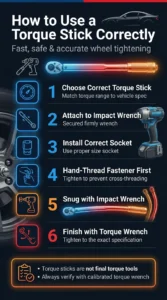
How to use a torque stick correctly — step-by-step
- Select the correct torque stick range for the fastener spec.
- Attach the torque stick to the impact wrench.
- Mount the correct socket onto the end of the torque stick.
- Start threading the nut or bolt by hand to avoid cross-threading.
- Use the impact wrench to snug the fastener. Stop when the stick begins to flex noticeably.
- Finish by checking the torque with a calibrated torque wrench and tighten to the exact spec.
Using this method gives speed and safety. Always follow vehicle torque specs.
Safety tips and best practices
- Inspect torque sticks before use for cracks or damage.
- Match the stick’s range to the manufacturer torque spec.
- Use the correct socket and extension length.
- Don’t use a torque stick with a cheater bar or modify it.
- Calibrate and replace sticks that show wear.
- Always verify critical fasteners with a torque wrench.
My experience and practical tips
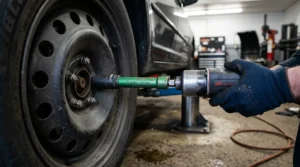
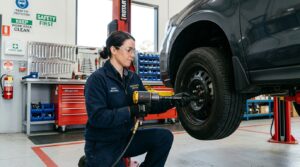
I have swapped hundreds of wheels using torque sticks. They saved time in busy service days. My common mistakes taught clear lessons.
- Mistake: using the wrong range stick. Lesson: always check the spec first.
- Mistake: skipping the torque wrench verification. Lesson: torque sticks speed work, but a wrench is needed for accuracy.
A useful tip I picked up is to keep color-coded sticks in a small rack by the shop door. It speeds selection and cuts errors.
Frequently Asked Questions of what is a torque stick
What accuracy can I expect from a torque stick?
Torque sticks are not precision tools. They aim to limit peak torque within a range. Expect variability depending on the impact tool and socket.
Can I use a torque stick with any impact wrench?
Most sticks work with common drive sizes. Match the drive size and check manufacturer guidance. Very high-power tools can overwhelm some sticks.
Do torque sticks replace a torque wrench?
No. Torque sticks do not replace torque wrenches. Use a torque wrench to confirm final torque for safety-critical fasteners.
Are torque sticks safe for wheel studs?
Yes, when used properly. They reduce the risk of over-torquing but always verify torque with a wrench after installation.
How long do torque sticks last?
Lifespan depends on use and care. Inspect regularly and replace if bent, cracked, or worn.
Can I use a torque stick on aluminum wheels?
You can use them, but be cautious. Aluminum wheels can be damaged by overtightening, so verify final torque with a torque wrench.
Conclusion
Torque sticks are a practical tool for faster, safer fastener installation. They limit torque when using an impact wrench but do not measure torque. Use them to speed work, and always verify final torque with a calibrated torque wrench. Try pairing the correct torque stick with your impact tool and add a final torque check to your routine. If this guide helped, subscribe for more hands-on tips or leave a comment about your experience with torque sticks.