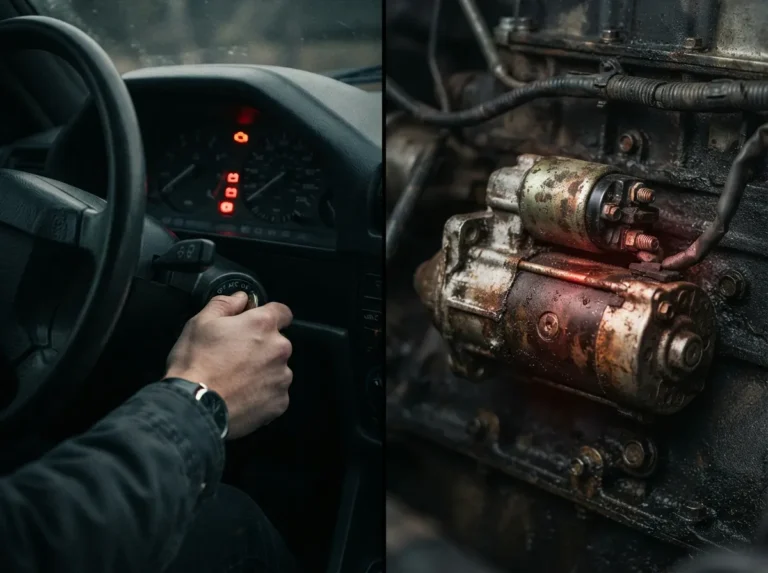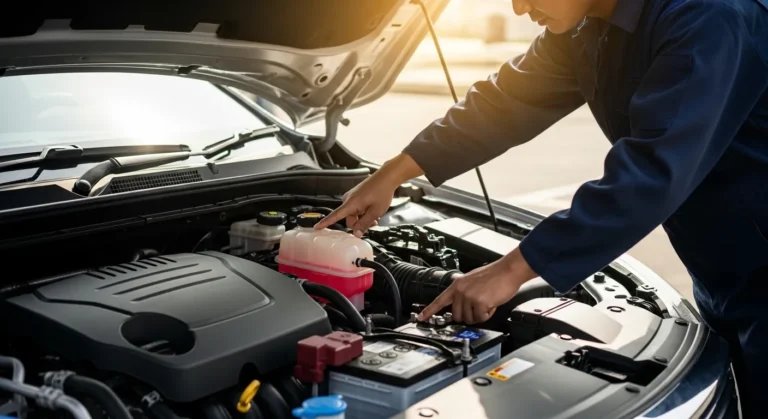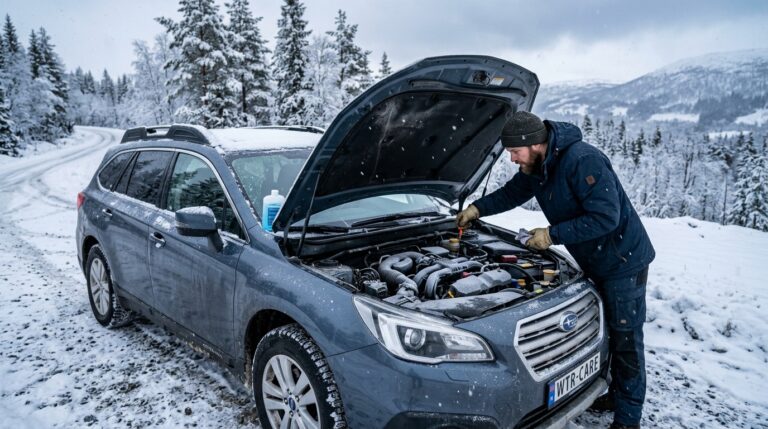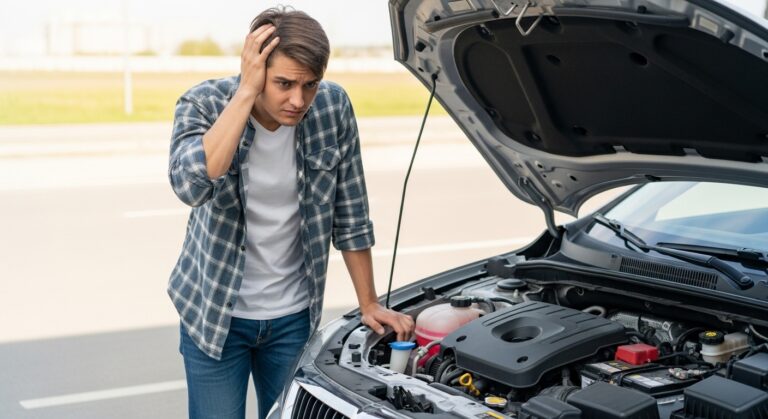
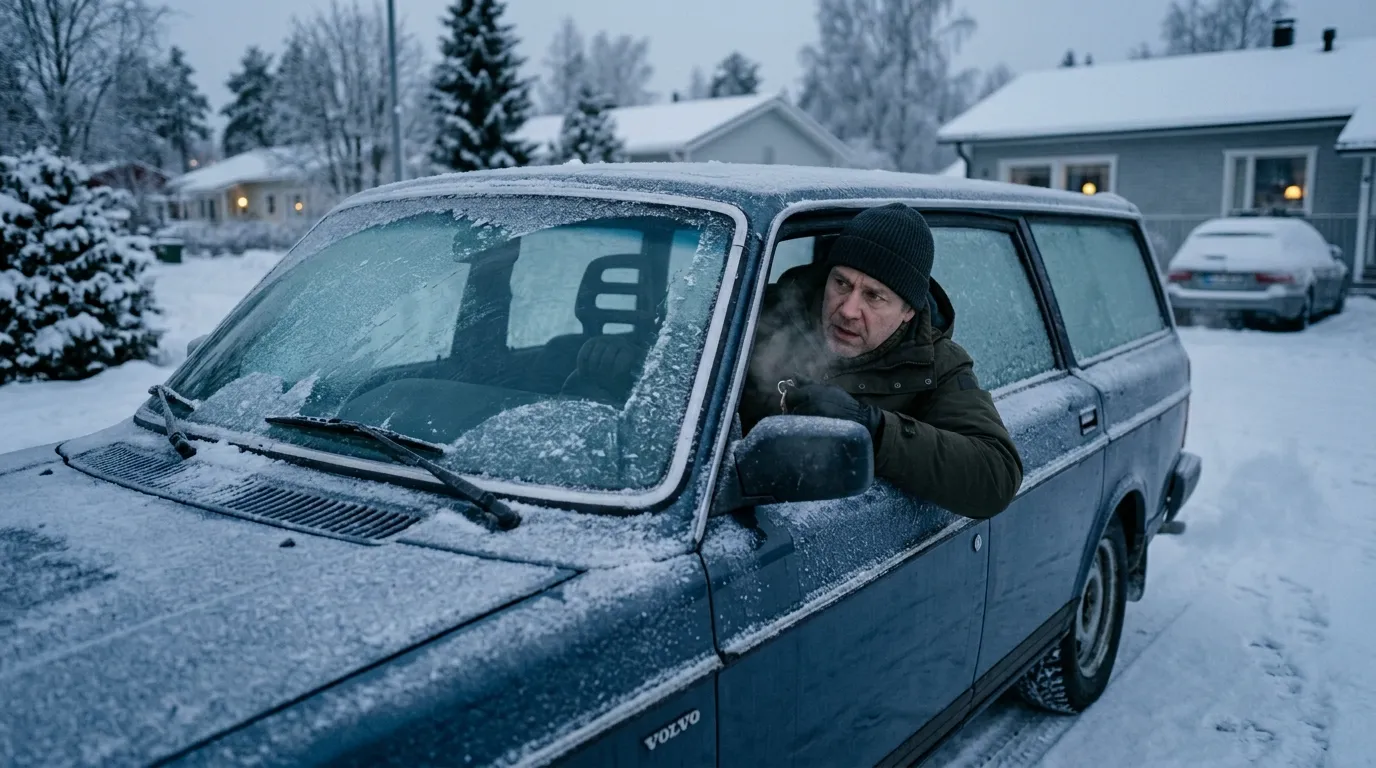
Cold robs battery power, thickens oil, and makes fuel vaporize poorly.
If your car hard to start in cold weather, you are not alone. I’ve helped hundreds of drivers beat winter starts, and I’ll show you how. In this guide, we will break down why a car hard to start in cold weather happens, how to fix it fast, and how to prevent it for good—without guesswork or wasted cash. Expect clear steps, expert tips, and real examples that work on the street.
Why a car hard to start in cold weather happens
Cold slows everything your engine needs to wake up. Batteries deliver less current. Oil gets thick and drags moving parts. Fuel does not vaporize well, so the mix burns poorly. Sensors read cold air and change fueling, which can help, but only if everything else is healthy. If your car hard to start in cold weather, physics is part of the story, not the whole story. Poor maintenance makes the struggle worse.
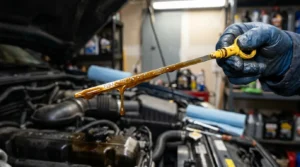
Battery chemistry and cranking amps
A lead-acid battery can lose about 35% of its power at 32°F and over 50% near 0°F. That means slow cranking and dim lights. If your car hard to start in cold weather, test the battery under load and check the cold cranking amps rating.
Fuel and air at low temps
Cold fuel vaporizes less, so it needs more spark energy and good atomization. Bad plugs, weak coils, and dirty injectors all raise the bar your engine must clear.
Thick oil and friction
Oil gets thicker as temps drop. Thick oil makes the starter work harder. Use the oil grade your manual lists for winter. A 0W-20 or 5W-30 often helps modern engines spin faster.
Sensors and engine controls
Coolant and intake air temp sensors enrich the mix at start. If they read wrong, the engine floods or runs lean. A dirty mass airflow sensor can slow starts too.
Diesel engines and glow cycles
Diesels need heat to ignite fuel. Weak glow plugs, a bad glow relay, or gelled diesel fuel will make starts slow or fail.
Signs and quick checks when your car hard to start in cold weather
Before you buy parts, read the clues. They often point to the fix.
Source: co.uk
What you might notice
- Slow, labored cranking but no start points to a weak battery or thick oil.
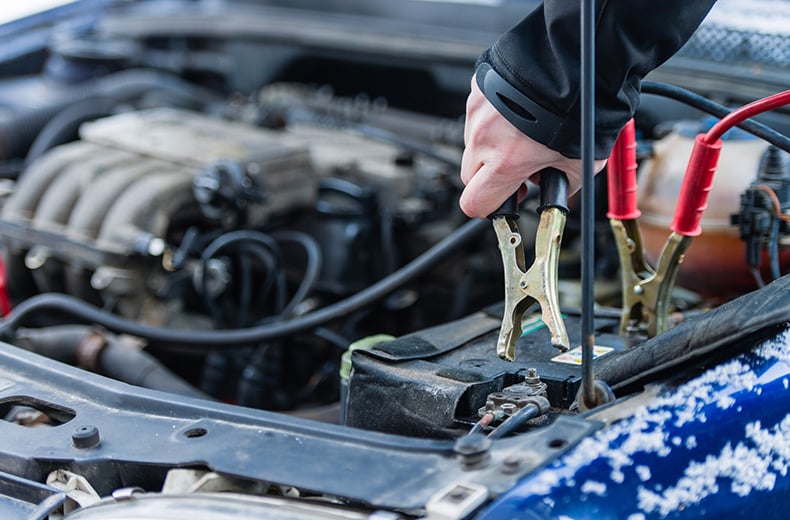
- Rapid clicking is usually a low battery or poor cable connection.
- Starts, then stalls hints at fuel or air issues.
- No crank at all can be a dead battery, frozen starter, or a safety switch.
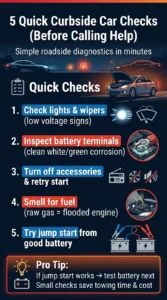
Five quick curbside checks
- Look and listen. Dim lights or slow wipers suggest low voltage.
- Check battery terminals. If they are white or green, clean them.
- Press the brake and try again with all accessories off. Less load helps.
- Smell for fuel. A raw gas smell may mean a flooded engine.
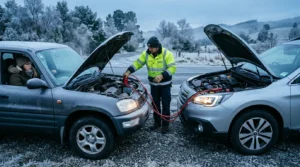
- Try a jump from a good battery. If it fires right up, test your battery.
PAA-style mini answers
Is it safe to keep cranking in the cold?
Cranking more than 10 seconds can overheat the starter. Stop, wait 30 seconds, and try again.
Do I need to warm the car before driving?
You do not need a long idle. Thirty to sixty seconds is fine. Drive gently to warm all parts.
Step-by-step cold-start checklist that works
These steps come from years of winter calls in my shop. They are simple and fast.
- Switch everything off. Heater fan, lights, seat warmers, and rear defrost all off.
- Turn the key to on. Wait five seconds so the fuel pump primes.
- Press the brake and clutch if manual. Crank up to 8–10 seconds max.
- If it coughs, stop, wait 30 seconds, then try again with a small throttle crack.
- No luck? Try a jump pack or cables with thick gauge.
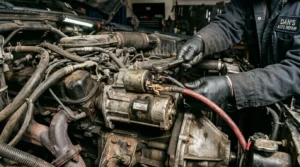
- Still dead? Tap the starter body lightly once, then try again.
- For diesels, cycle the glow plugs twice before cranking.
If your car hard to start in cold weather even after this, move to testing.
Preventive maintenance before winter
A little prep in fall can save hours in January. I learned this the hard way after a roadside tow at -10°F with a five-year-old battery.
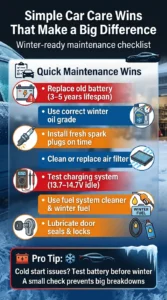
Simple wins that make a big difference
- Replace old batteries. Three to five years is a fair life in harsh winters.
- Use the right oil grade for winter as listed in your manual.
- Install fresh spark plugs at the proper interval.
- Clean or replace the air filter. Engines need clear air paths in the cold.
- Test your charging system. Voltage at idle should be about 13.7–14.7V.
- Treat fuel. Use a name-brand fuel system cleaner and winter-grade gas or diesel.
- Lube door seals and locks. You cannot start what you cannot get into.
If your car hard to start in cold weather, a pre-winter battery test often pays for itself.
Battery, oil, and fuel choices that help in the cold
The right parts save starts. Cheap parts often fail when you need them most.
Battery tips
- Choose a battery with higher cold cranking amps for your model.
- Keep terminals clean and tight. A thin film of dielectric grease helps.
- Consider a smart maintainer if the car sits.
Oil choices
- Follow the owner’s manual winter grade. Modern 0W oils flow fast at start.
- Synthetic oils maintain flow better in deep cold.
Fuel choices
- Use winter-blend gas from busy stations. For diesels, add an anti-gel per label.
- Avoid old fuel. Stale gas makes a car hard to start in cold weather.
Advanced tips for modern vehicles
New tech helps, but it adds new failure points too.
Start-stop systems
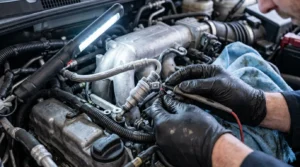
A weak auxiliary battery can cause rough or failed restarts. If your car hard to start in cold weather and has start-stop, test both batteries.
Hybrids
Hybrids rely on a high-voltage pack to spin the engine. Cold reduces pack output. Keep the 12V battery healthy, since it wakes all systems.
EV owners
You do not “start” an EV, but cold slashes range and charge speeds. Precondition the battery while plugged in to protect cells and gain cabin heat fast.
When to see a mechanic and what it might cost
Do what you can at home, then decide when to get help. A clear plan saves money.
Red flags to book an appointment
- Repeated no-starts even after a jump.
- Strong fuel smell or backfires.
- Warning lights for battery, engine, or glow plug.
Typical winter-start repairs and ballpark costs
- Battery replacement: 120–250 including install for many cars.
- Starter motor: 250–600 depending on access.
- Alternator: 350–800 parts and labor.
- Plugs and coils: 150–600 based on cylinder count.
- Diesel glow plugs: 200–600 for parts and labor.
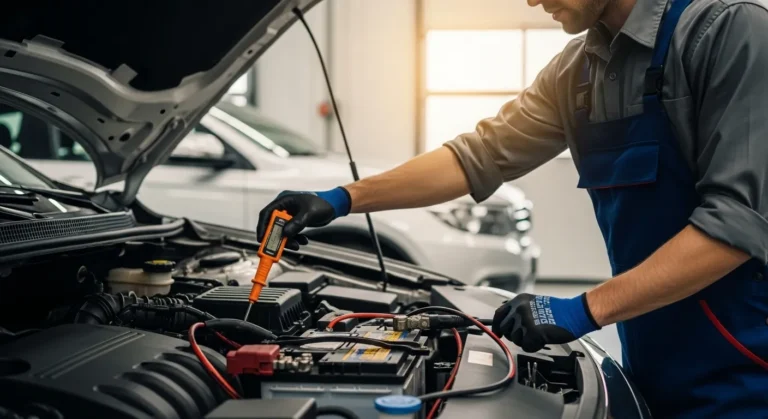
If your car hard to start in cold weather after basic checks, a shop can load-test the system, scan data, and find the root cause faster.
Frequently Asked Questions of car hard to start in cold weather
Why does my car only struggle on the first cold start of the day?
Overnight temps drop battery output and thicken oil. Once warm, the engine spins easier and needs less enrichment.
Can premium gas fix hard cold starts?
Premium does not start a cold engine better by itself. Good winter-grade fuel and a healthy ignition system matter more.
Should I use starting fluid?
Avoid starting fluid on gasoline engines with modern intakes. It can wash cylinders and damage sensors; fix the root cause instead.
Do block heaters really help?
Yes. Warming coolant and oil cuts friction and improves fuel vaporization. Many cars start faster and cleaner with a 2–4 hour preheat.
How often should I replace my battery in cold climates?
Plan for three to five years, or sooner if crank speed slows. Test each fall to catch weak cells before deep cold.
Why does my diesel start fine at 40°F but not at 5°F?
At 5°F, diesel can gel and glow plugs need more time. Use anti-gel, good glow plugs, and a strong battery.
Can a dirty throttle body cause hard cold starts?
Yes. Carbon can choke airflow at idle. A careful clean can restore stable cold idle and quicker starts.
Conclusion
Cold weather exposes weak links, but you do not have to dread the first crank. Focus on a strong battery, the right oil, clean air and fuel, and a simple start routine. If your car hard to start in cold weather, follow the checklist, test the battery, and fix the small things first.
Take one step today: schedule a fall battery and charging test. It costs little and saves a tow. Want more winter tips? Subscribe for fresh guides, or drop a comment with your cold-start story and I’ll help you solve it.