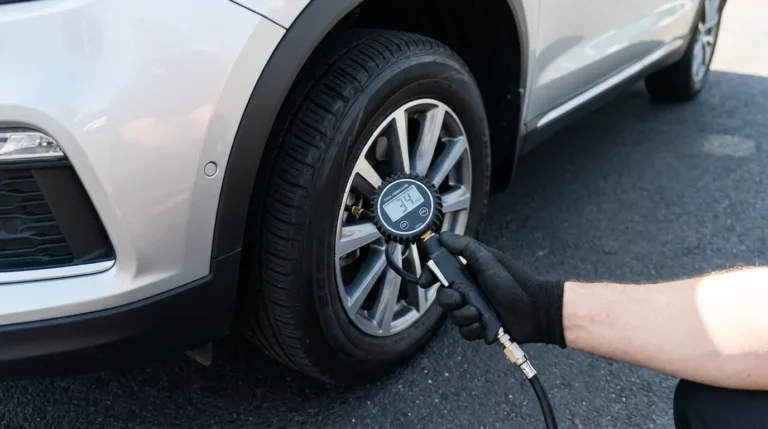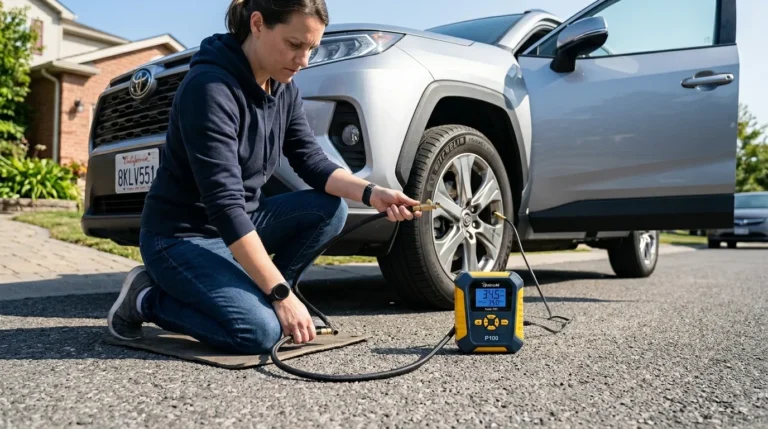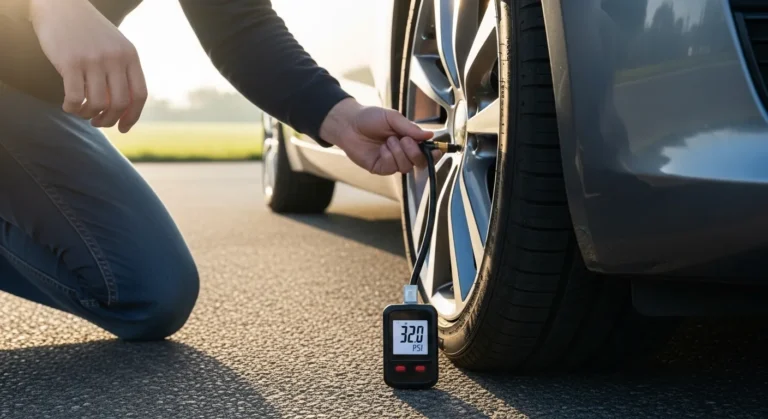
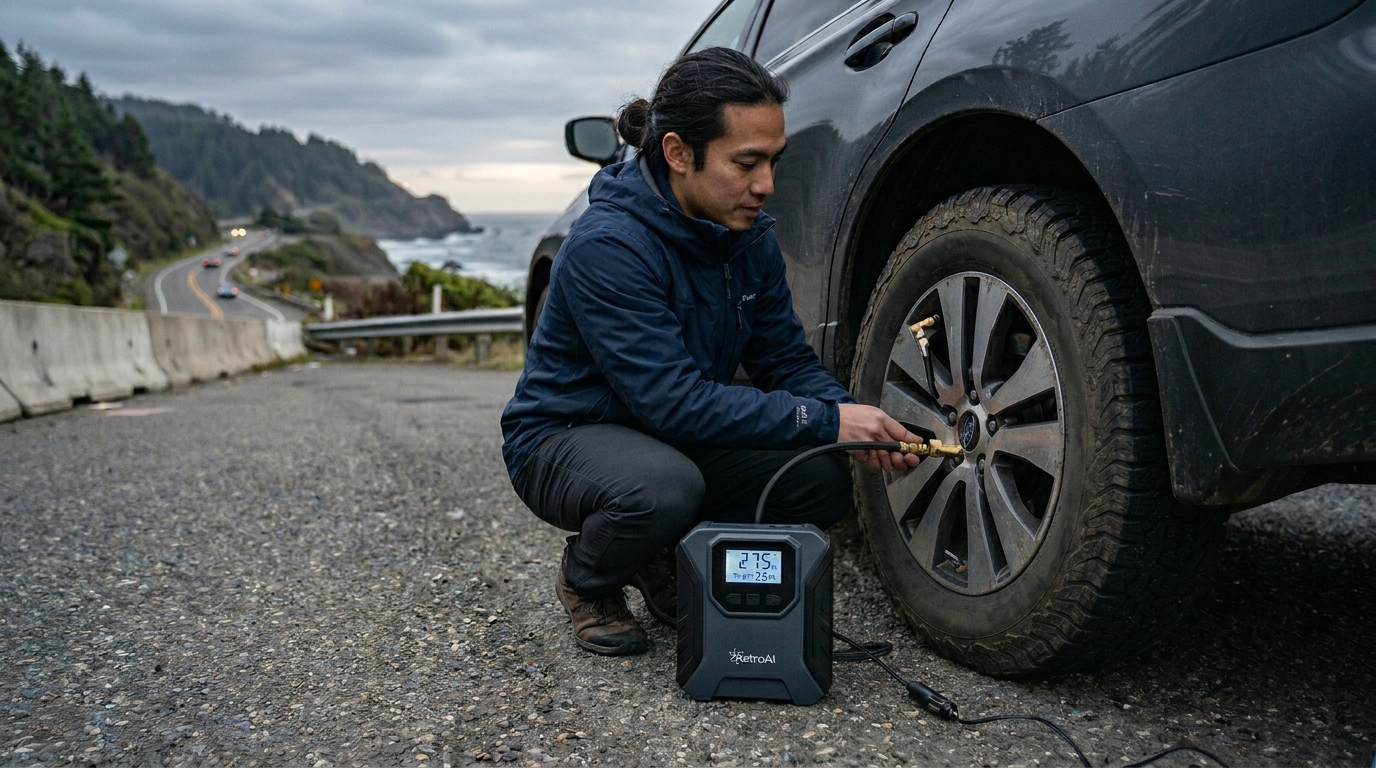
A tire inflator is a portable device that adds and measures air pressure in tires quickly and safely.
I have worked with vehicles and roadside gear for years, and I’ll walk you through exactly what is tire inflator, how it works, and how to pick the right one. This guide explains types, parts, benefits, limits, safety steps, and real tips from my experience so you can buy, use, and maintain a tire inflator with confidence.
What is a tire inflator? Definition and core components
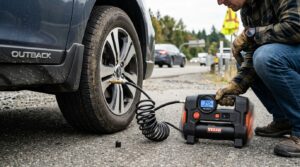
A tire inflator is a tool that pumps air into tires and measures pressure. When people ask what is tire inflator they want a clear description of the device and its main parts. Core components include:
- Air compressor or pump. The part that moves air into the tire.
- Pressure gauge. Shows tire pressure in PSI or kPa.
- Hose and valve connector. Transfers air to the tire valve stem.
- Power source. Could be battery, car outlet, or mains electricity.
- Controls and safety features. May include auto-shutoff and pressure presets.
A basic inflator is simple. A more advanced model can auto-stop at the set pressure. Knowing what is tire inflator helps you match features to needs.
Types of tire inflators and when to use each
There are several types. Each fits a different use case for what is tire inflator.
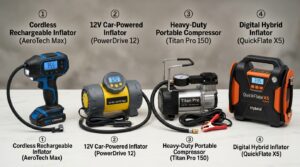
- Portable electric inflators. Plug into a car 12V socket or use a battery. Good for everyday drivers and emergencies.
- Cordless battery inflators. Lightweight and cordless. Best for quick roadside fixes and bikes.
- Heavy-duty shop compressors. High air flow and power. Used for trucks and prolonged use.
- CO2 cartridge inflators. Fast fill for bikes or temporary fixes. Not for repeated use.
- Manual pumps. Foot or hand pumps. Cheap and reliable for bicycles and occasional use.
Choose a type based on vehicle size, frequency of use, and portability. I keep a cordless model in my car and a larger compressor in the garage. It covers both quick stops and full-tire jobs.
How a tire inflator works — simple mechanics
Understanding how it works clarifies why specs matter when searching what is tire inflator.
- Air moves from the pump into the tire through the hose and valve.
- The gauge monitors pressure. Some gauges are digital for precise reading.
- An internal switch or sensor can stop the pump at the set pressure.
- Air flow and pressure limits depend on the pump’s power and design.
Think of an inflator like a heart that pumps air and a gauge that reads blood pressure. Both must be reliable to keep your tires healthy.

Benefits of using a tire inflator
Knowing what is tire inflator helps you see the practical gains.
- Safety. Proper pressure reduces blowout risk and improves handling.
- Fuel efficiency. Correct pressure saves gas and reduces emissions.
- Tire life. Even pressure lengthens tread life and avoids uneven wear.
- Convenience. You can fill tires at home or on the road without visiting a shop.
- Time savings. Quick fills beat waiting at service stations.
From my tests, a regular inflator saved me time and a small fortune in tire costs over a few seasons.
Limitations and safety considerations
Even when you understand what is tire inflator, know its limits.
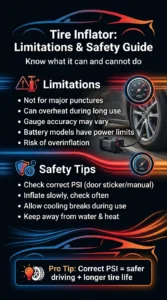
- Not a fix for major punctures. Use a repair kit or professional service.
- Overheating risk. Small pumps can overheat with long runs.
- Gauge accuracy varies. Cheap gauges can misread pressure.
- Power limits. Battery models may struggle with large tires.
- Overinflation risk. Always set the correct PSI for the vehicle.
Follow these safety tips:
- Check recommended PSI on the door placard or owner’s manual.
- Fill slowly and check pressure often.
- Let the pump cool between extended uses.
- Keep inflator away from water and hot surfaces.
These steps reduce risk and extend the life of the inflator and your tires.
How to choose the right tire inflator — a simple buying guide
When shopping, consider the answers to what is tire inflator for your needs. Use this checklist:
- Maximum PSI. Match to your vehicle’s tire needs.
- Air flow (CFM or LPM). Higher flow fills tires faster.
- Power source. Choose 12V, battery, or mains based on where you will use it.
- Duty cycle. Tells you how long you can run it before rest.
- Auto-shutoff. Prevents overinflation.
- Gauge type and accuracy. Digital gauges are easier to read.
- Hose length and adapter options. Longer hose and multiple adapters add flexibility.
- Portability and weight. Lighter units are easy to store in a trunk.
- Accessories and warranty. Extra nozzles and a good warranty add value.
Price ranges vary. Basic portable models are affordable. Heavy-duty compressors cost more but deliver strong performance. I recommend buying one level above your minimum need. It gives you headroom and reliability.

Maintenance and best practices
Treat your inflator like a small appliance. Proper care keeps it working.
- Inspect hoses and connectors for cracks or wear.
- Clean the filter if the model has one.
- Store in a dry, cool place away from direct sun.
- Test gauge accuracy with a trusted gauge annually.
- Avoid long continuous runs to prevent overheating.
- Follow the manufacturer’s duty cycle recommendations.
A quick maintenance habit after long trips saved my inflator from failure once. A torn hose is an easy and cheap fix if caught early.

Real-world uses, examples, and personal tips
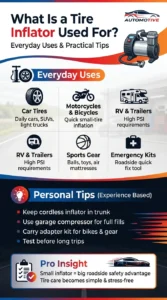
What is tire inflator used for in everyday life? Many things.
- Car tires. Daily drivers, SUVs, and light trucks.
- Motorcycle and bicycle tires. Small inflators work great here.
- RV and trailer tires. Requires higher PSI and more air flow.
- Sports gear. Balls, inflatable toys, and air mattresses.
- Emergency kits. A compact inflator can turn a roadside problem into a minor delay.
Personal tips from experience:
- Keep a small cordless inflator in the trunk for quick top-ups.
- Use the garage compressor for seasonal full tire fills.
- Carry an adapter kit for motorcycles and sports gear.
- Test your inflator before a long trip so you’re not surprised.
These small habits make tire care simple and stress-free.
Common questions people ask (PAA-style)
How fast does a tire inflator fill a tire?
Filling speed depends on air flow. Small battery inflators may take several minutes, while shop compressors can fill a large tire in under a minute.
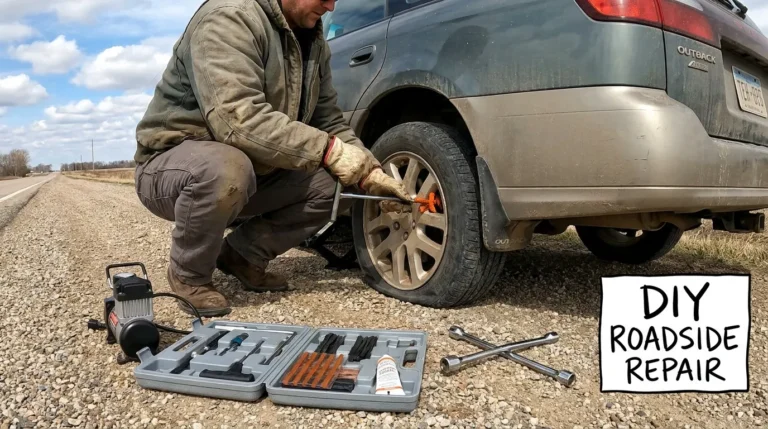
Can a tire inflator repair a flat tire?
No. A tire inflator adds air but does not seal large punctures. Use a repair plug or call roadside assistance for a full repair.
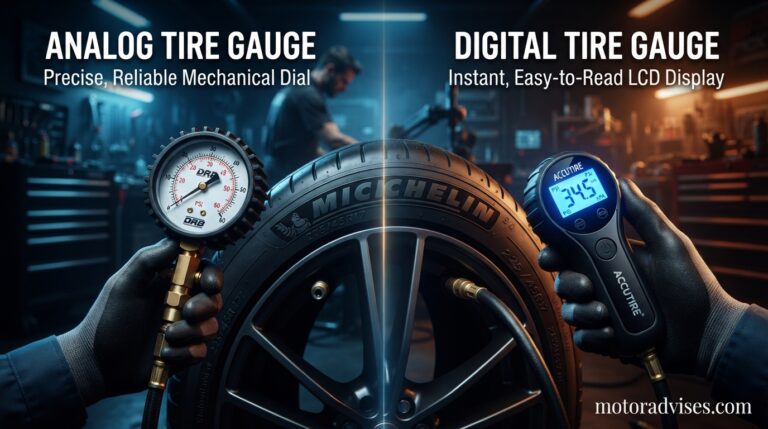
Is a digital gauge better than an analog gauge?
Digital gauges are easier to read and often more precise. Analog gauges can be rugged and work without power, so both have value.
Frequently Asked Questions of what is tire inflator
What is the difference between a tire inflator and an air compressor?
A tire inflator is a tailored tool for filling tires and often includes a gauge and auto-stop. An air compressor is a broader tool that can power tools and may have higher capacity.
Can I use a tire inflator on my truck tires?
Yes, if the inflator has sufficient PSI and airflow. Trucks often need higher capacity units or a heavy-duty compressor.
How do I know the correct tire pressure for my vehicle?
Check the sticker on the driver’s door jamb or the vehicle owner’s manual for the recommended PSI. Use the vehicle-specific value, not the tire’s maximum PSI.
Will a tire inflator overinflate my tires?
It can if you set it wrong or rely on an inaccurate gauge. Use an accurate gauge and set the desired PSI carefully.
How often should I check my tire pressure with an inflator?
Check monthly and before long trips. Temperature changes can affect pressure, so check after major weather shifts.
Are cordless inflators powerful enough for long trips?
Cordless inflators are handy for quick fixes and top-ups. For frequent long trips or heavy loads, a stronger inflator or compressor is recommended.
Do tire inflators damage TPMS sensors?
Most inflators do not affect TPMS sensors. Use the proper valve connector and handle parts gently to avoid damage.
Conclusion
A tire inflator is a simple but essential tool that keeps tires safe, efficient, and long-lasting. Knowing what is tire inflator, how it works, and how to choose the right type makes tire care easy. Start by selecting a model that matches your vehicle and use patterns, maintain it regularly, and practice safe filling habits. Try keeping a compact inflator in your car and a stronger unit in your garage to cover all needs. If this guide helped, leave a comment, share your inflator story, or subscribe for more practical vehicle care tips.