
Cleaning & Detailing brings your car back to life, protects it, and saves money.
I’ve spent years helping drivers get a showroom look at home. In this practical guide to Cleaning & Detailing, you will learn simple steps, smart tools, and pro habits that protect paint, clean cabins, and boost value. I will share what works, why it works, and the small tricks that make a big difference.
What Is Cleaning & Detailing?
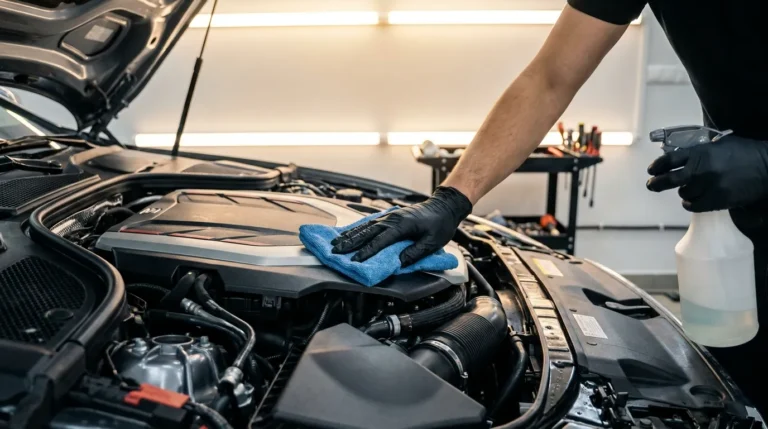
Cleaning & Detailing means more than a quick wash. Cleaning removes loose dirt. Detailing restores and protects the car, inside and out. It treats paint, glass, wheels, trim, leather, fabric, and even the air you breathe.
There are two parts. Exterior detailing makes paint clean, smooth, glossy, and protected. Interior detailing makes seats, carpets, and panels clean and safe. Many people do basic Cleaning & Detailing at home and call a pro for deep work like polishing or coating.
I use one simple rule. Clean first. Decontaminate second. Correct defects third. Protect last. That order keeps risks low and results high.
Why Cleaning & Detailing Matters
- It protects paint from sun, salt, and fallout. This slows clear coat wear.
- It boosts safety. Clean glass and headlights improve vision at night and in rain.
- It raises resale value. A well kept car shows care and wins trust.
- It saves money. Proper care delays repairs and repainting.
- It feels good. A fresh cabin reduces stress on long drives.
From my logs, cars that get Cleaning & Detailing every 4 to 6 weeks age much better. The paint stays glossy. The interior wears less. Even trade-in offers trend higher.
Tools and Products That Work
Start with the basics. You do not need a full shop to get pro results.
Essentials
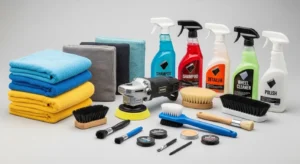
- Two buckets with grit guards. One for soap. One for rinse.
- pH-neutral car shampoo. Safe on wax and coatings.
- Microfiber wash mitt. Soft and gentle on paint.
- Drying towels, 500–1200 GSM. One large, two medium.
- All-purpose cleaner (APC). Dilute 1:10 for light dirt, 1:4 for heavy.
- Wheel brushes. One soft face brush and one barrel brush.
- Glass cleaner. Ammonia-free for tint.
- Interior brushes. Mixed sizes for vents and seams.
- Microfiber towels, 300–400 GSM. Color-code for paint, wheels, interior.
Advanced but worth it
- Foam cannon or foam sprayer. Adds safe dwell time.
- Iron remover. Dissolves brake dust and fallout.
- Clay bar or clay mitt with clay lube. Makes paint smooth.
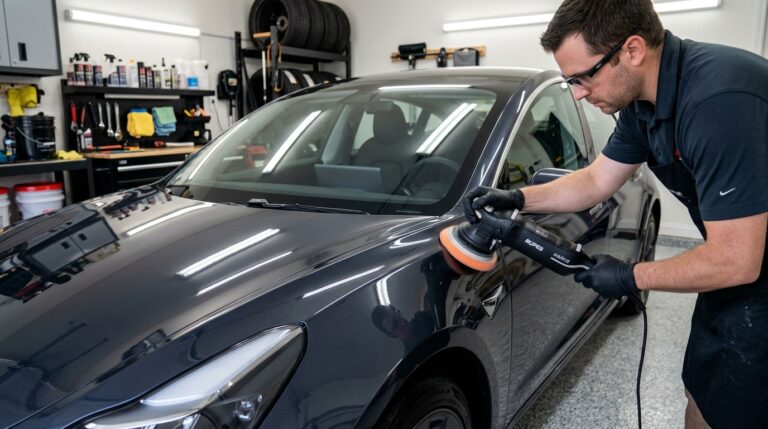
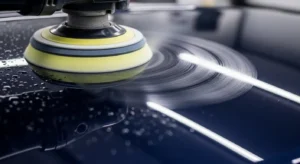
- Dual action polisher. Safer than rotary for beginners.
- Finishing and cutting pads. Start soft, go harder only if needed.
- Polish and compound. Keep one of each on hand.
- Paint sealant, spray sealant, or ceramic coating. Pick your level.
- Tire dressing. Water-based for a clean, satin look.
Quick Q&A
- Does microfiber GSM matter? Yes. Higher GSM dries better. Lower GSM cleans glass and interior well.
- Is APC safe on everything? No. Check labels. Test a small spot. Rinse well.
Step-by-Step Exterior Cleaning & Detailing
Follow these steps. Keep shade, cool panels, and soft water if you can.
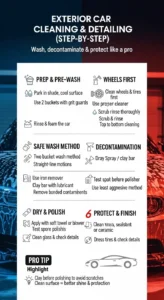
- Prep the area
- Park in shade. Let the car cool.
- Gather tools. Fill two buckets. Add grit guards.
- Pre-wash and foam
- Rinse from top to bottom.
- Foam the car. Let it dwell for a few minutes.
- Clean wheels and tires first
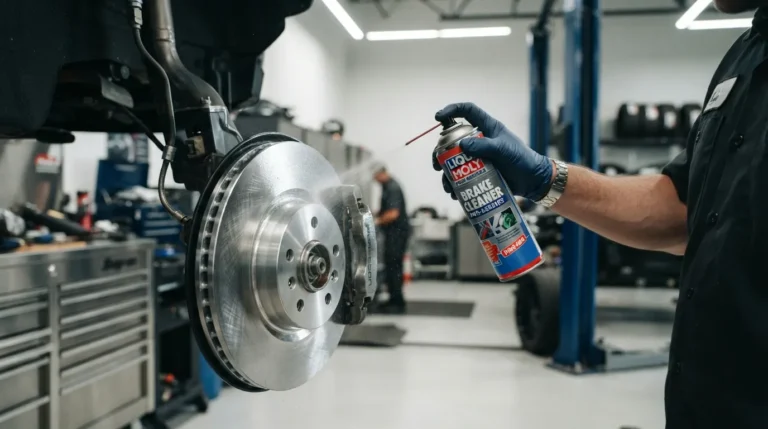
- Spray wheel cleaner or APC on cool wheels.
- Agitate faces, barrels, and lug areas.
- Rinse well. Clean tires until foam is white.
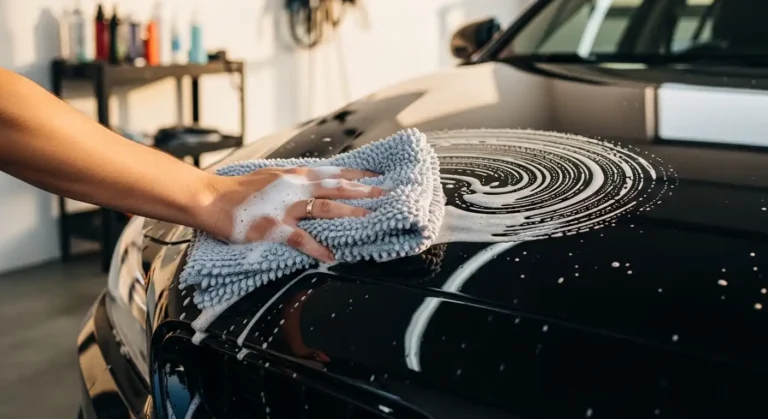
- Contact wash with two-bucket method
- Use a soapy mitt. Wash in straight lines.
- Rinse the mitt in the rinse bucket after each panel.
- Work top to bottom. Rinse the car.
- Decontaminate paint
- Spray iron remover. Wait until it reacts. Rinse.
- Use clay with lube. Glide gently. Wipe clean.
- Dry the car
- Blow water from cracks if you can.
- Use a plush towel. Light pressure. Pat or pull.
- Polish if needed
- Do a test spot first. Start with a finishing pad.
- If defects remain, step up one level.
- Wipe residue with a clean towel.
- Protect the finish
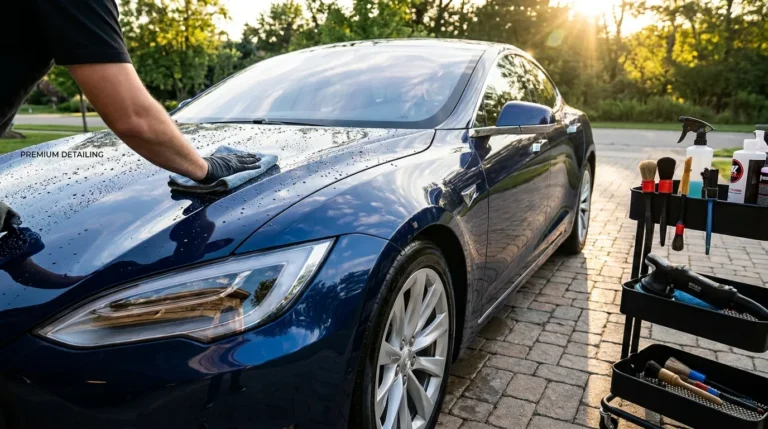
- Apply wax or sealant for quick wins.
- Use a spray sealant for speed and bead.
- Choose a ceramic coating for long life. Follow cure rules.
- Final touches
- Clean glass inside and out.
- Dress tires. Wipe trim. Check door jambs.
Personal tip: I once chased swirls for hours before I clayed the car. The paint felt rough. Polishing on bonded grit is slow and risky. Clay first. Polish less.
Step-by-Step Interior Cleaning & Detailing
A clean cabin makes every trip better. Work smart and keep it dry.
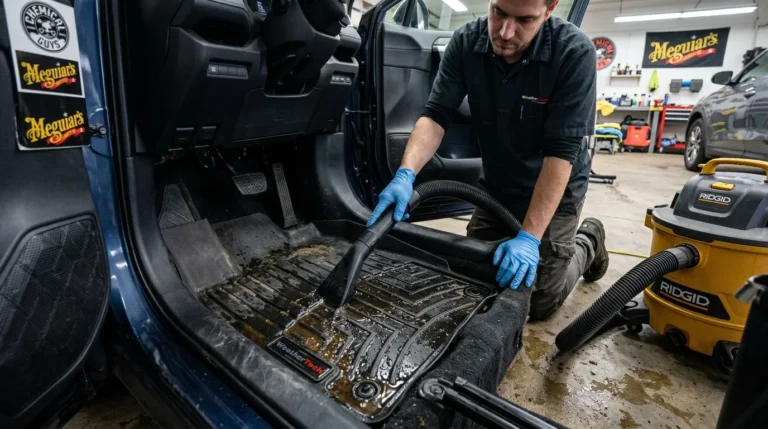
- Empty and vacuum
- Remove mats. Shake them out.
- Vacuum seats, carpets, and cracks. Use narrow tools.
- Dust and brush
- Use a soft brush on vents, seams, and knobs.
- Pull dust toward the vacuum nozzle.
- Fabric and carpets
- Pre-treat stains. Blot. Do not rub hard.
- Agitate with a brush. Extract or towel dry.
- Leather care
- Clean with a leather-safe cleaner.
- Apply a water-based conditioner. Avoid shiny, slick seats.
- Plastics and trim
- Use a mild APC. Wipe with a damp towel.
- Dress with a low-gloss protectant. Avoid glare on dash.
- Glass
- Use two towels. One to clean. One to buff.
- Wipe in one direction inside. The other outside. This helps spot streaks.
- Odor control
- Clean first. Odor lives in dirt.
- Use an enzyme spray for organic smells. Let it dry.
A quick win I love: a soft paintbrush for dust in badge letters and seat seams. It is cheap and fast. It levels up your Cleaning & Detailing game at once.

Advanced Protection: Polishing and Coatings
Polishing levels defects like swirls and haze. Always start gentle.
- Do a test spot. This shows the least aggressive combo that works.
- Use a paint gauge if you correct older cars. Clear coat is thin.
- Keep pad clean. Blow out or brush after each pass.
- Work small areas. Slow arm speed. Overlap passes.
Protection tiers
- Wax. Warm glow. Lasts weeks.
- Sealant. Crisp gloss. Lasts months.
- Ceramic coating. Hard shell. Lasts years with care.
Coating tips
- Prep is king. Paint must be clean and oil-free.
- Apply in small areas. Level high spots right away.
- Respect cure times. Avoid water for at least 12–24 hours.
- Maintain with a pH-neutral wash and a coating-safe topper.
From my records, most daily drivers are best with a sealant plus a monthly topper. For harsh winters or sun, a ceramic coating pays off fast.
Maintenance Plan and Schedule
Cleaning & Detailing works best with a simple plan.
Weekly or biweekly
- Rinse. Wash with pH-neutral soap. Dry with a plush towel.
- Use a drying aid or spray sealant for slickness and bead.
Monthly
- Deep clean wheels. Clean jambs. Dress seals and weatherstrip.
Quarterly
- Decon light fallout. Clay only if needed. Top up protection.
Seasonal
- Before winter, clean and protect paint, wheels, and glass.
- Before summer, refresh UV protection and check wiper blades.
Keep a small bin in the trunk. Add a quick detailer, a towel, and glass wipes. Small habits keep Cleaning & Detailing easy all year.
Common Mistakes To Avoid
- Washing in sun. This causes spots.
- Using dish soap. It strips protection.
- One bucket washing. This grinds grit into paint.
- Dirty towels. They add swirls.
- Skipping clay before polish. You work harder and risk marring.
- Overusing APC on leather. It dries and dulls.
- Heavy tire shine. It slings and stains.
- Ignoring drying. Water spots can etch clear coat.
- Rushing coatings. High spots and streaks will haunt you.
I learned the hard way that clean towels matter most. The day I color-coded towels, my swirl come-backs dropped to near zero.
Budget vs Professional: When To DIY and When To Hire
DIY Cleaning & Detailing is great for routine care. You save money and learn skills. It also builds pride in the car.
Hire a pro when
- You see heavy swirls, etching, or water spot stains.
- You want paint correction or a long-term coating.
- You need odor removal from spills, smoke, or pets.
- You plan to sell and want top value fast.
What pros bring
- Skills and insurance.
- Tools like paint gauges, dust-free lighting, and extractors.
- Systems that manage risk on rare paints and trims.
A fair approach is hybrid care. You handle the wash and interior. A pro handles correction and coating every one to two years.
Eco-Friendly Cleaning & Detailing
- Use rinseless or waterless wash when safe. This saves water.
- Choose biodegradable soaps and low-VOC dressings.
- Do not let runoff reach storm drains. Wash on grass or a mat.
- Capture wheel runoff. Brake dust is harsh on streams.
- Wash microfiber in cold water. Line dry when you can. This extends life.
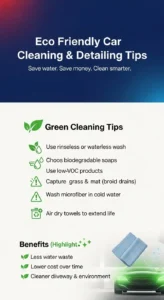
Green habits cut waste and cost. They also keep your driveway and street clean.
Safety and Risk Management
- Wear gloves and eye protection with cleaners and iron remover.
- Work in fresh air. Ventilate during interior work.
- Do not mix chemicals. Label bottles. Use proper dilutions.
- Unplug tools when changing pads. Keep cords off wet ground.
- Test on a small spot first. This avoids big mistakes.
If a spill happens, blot fast, then treat. Fast action is the best fix in Cleaning & Detailing.
Frequently Asked Questions of Cleaning & Detailing
How often should I wash my car?
Wash every one to two weeks if you drive often. If your commute is short and dry, every two to three weeks works.
What is the safest way to dry paint?
Use a plush towel and a drying aid. Light pressure and clean towels reduce swirls.
Do I need to clay my car every time?
No. Clay only when paint feels rough after a wash. Overclaying can add marring.
Can I use household cleaners inside my car?
Most are too strong or leave residue. Use car-safe products and test a small spot first.
Is ceramic coating better than wax?
Coatings last longer and resist chemicals better. Wax is cheaper and easier, but it needs frequent reapplication.
What is the two-bucket method?
One bucket holds soap and one holds rinse water. This reduces grit on the mitt and lowers swirl risk.
How do I remove water spots?
Try a dedicated water spot remover first. For etched spots, light polishing may be needed.
Conclusion
Great Cleaning & Detailing is a simple system done in a smart order. Clean safely, decontaminate, correct only as needed, and protect well. Use the right tools, work in shade, and keep your towels clean.
Start small this week. Wash with the two-bucket method and add a spray sealant. You will see and feel the difference right away. Want more tips like this? Subscribe, share your wins, or drop a question so we can help you shine.